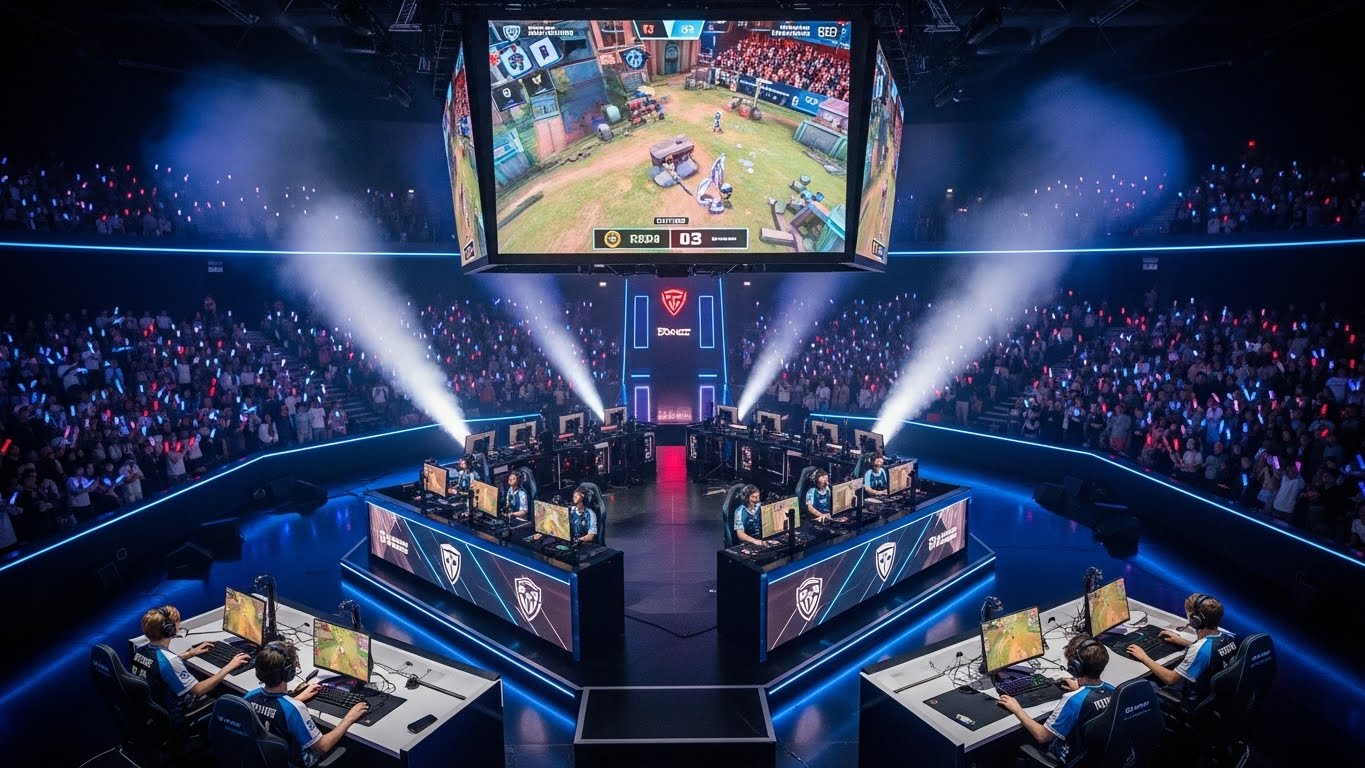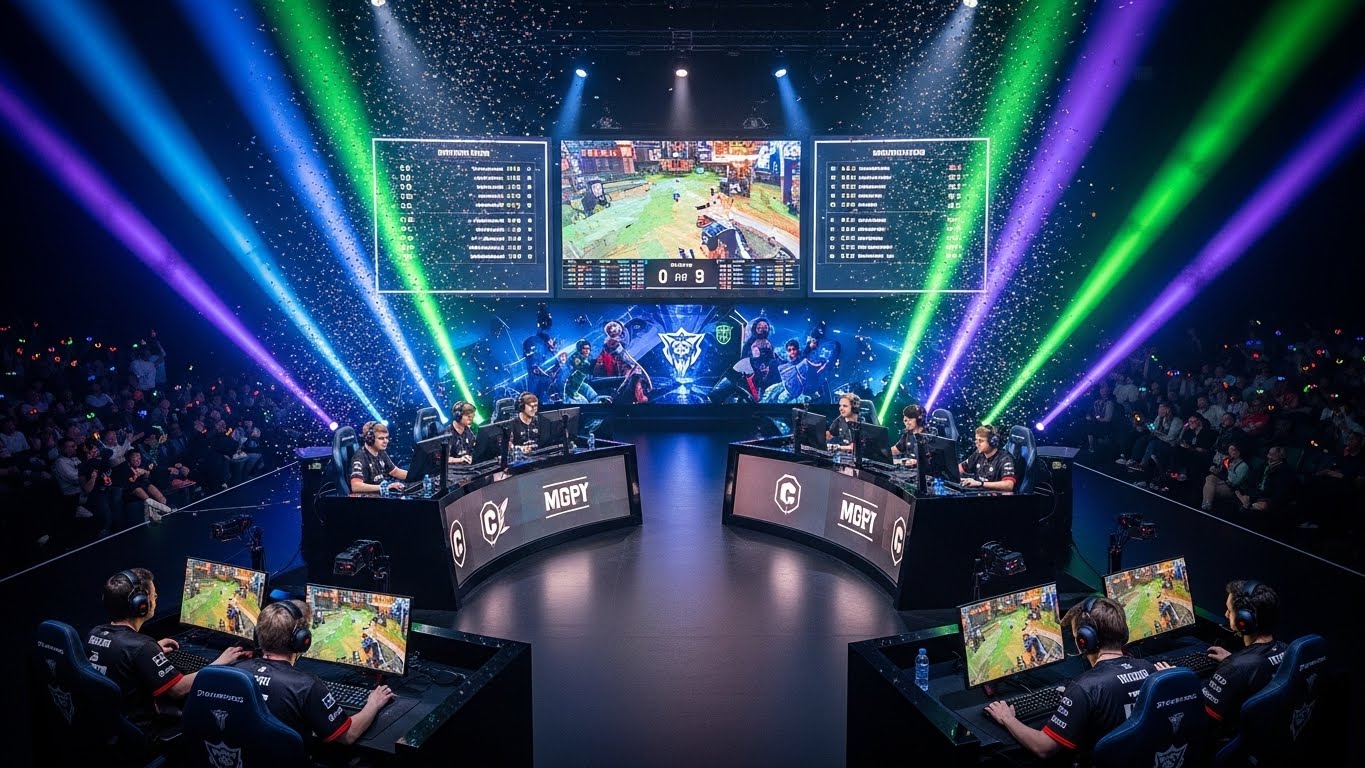
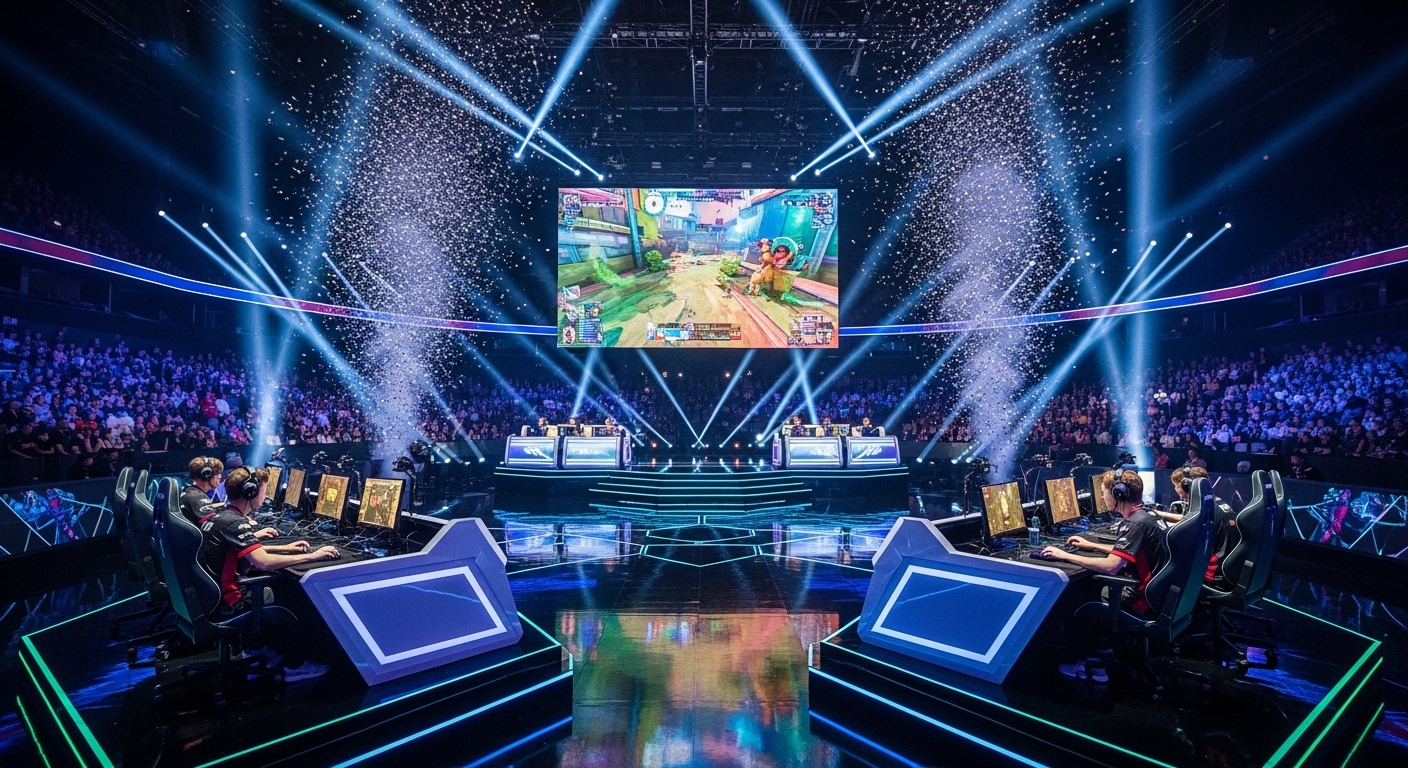
eSports, or competitive gaming, has grown from a niche pastime to a global phenomenon in just a few decades. Once relegated to basements and arcades, eSports now fills stadiums, streams to millions of viewers, and generates billions in revenue annually. What started as casual competition has transformed into a professional, highly structured ecosystem where skill, strategy, and teamwork define the champions. Beyond the gameplay, eSports is reshaping culture, technology, and the future of entertainment.
The Origins of eSports: From Arcades to Organized Tournaments
The history of eSports can be traced back to the 1970s and 1980s when video game competitions emerged in arcades. Players would compete for high scores on games like Space Invaders and Pac-Man, gaining local fame for their gaming prowess. These early competitions were small, informal gatherings but laid the foundation for competitive gaming.
The 1990s introduced multiplayer PC games and LAN parties, where players could connect and compete over local networks. Titles like StarCraft, Counter-Strike, and Quake established the first professional gaming communities, demonstrating that gaming could be both a hobby and a serious competitive pursuit. These developments marked the beginning of eSports as a structured form of competition.
The Internet Revolution: Expanding eSports Globally
The rise of the internet in the late 1990s and early 2000s transformed eSports. Online multiplayer games allowed players from around the world to compete in real-time, breaking geographic boundaries. Games like World of Warcraft, League of Legends, and Dota 2 became the cornerstone of competitive online gaming, attracting players and fans alike.
Streaming platforms further expanded the reach of eSports. Viewers could watch live tournaments, learn strategies, and interact with players in real-time. This accessibility created a global fanbase, enabling competitive gaming to thrive on an unprecedented scale and paving the way for the professionalization of the industry.
Professionalization of eSports: Teams, Leagues, and Sponsorships
Modern eSports operates much like traditional sports. Professional teams hire coaches, analysts, and nutritionists to optimize performance. Players sign contracts, participate in rigorous training schedules, and compete in official leagues. Popular leagues like the League of Legends Championship Series, Overwatch League, and Call of Duty League have standardized competition, offering structured formats and substantial prize pools.
Sponsorship deals and brand partnerships have turned eSports into a lucrative industry. Companies invest in teams, tournaments, and streaming platforms, generating revenue and legitimizing competitive gaming as a mainstream form of entertainment. The professionalization of eSports demonstrates that competitive gaming requires discipline, strategy, and talent comparable to traditional sports.
The Global Appeal of eSports
eSports is a global phenomenon, embraced by fans and players across continents. South Korea has long been a leader in competitive gaming, with televised matches and professional gamers achieving celebrity status. In North America and Europe, eSports has experienced exponential growth, attracting millions of viewers. Emerging markets in Southeast Asia, Latin America, and the Middle East are also fueling the expansion of competitive gaming.
International tournaments such as The International for Dota 2 and the Fortnite World Cup showcase the global nature of eSports. Players from diverse countries compete for millions in prize money, uniting fans worldwide through a shared passion for gaming.
The Role of Streaming and Digital Platforms
Streaming platforms have revolutionized how audiences engage with eSports. Twitch, YouTube Gaming, and other platforms allow fans to watch live matches, interact with players, and access gameplay tutorials. These platforms create dynamic, interactive experiences where spectators feel connected to the action.
Streaming also fosters a new class of influencers and content creators. Professional players and casual gamers alike can grow massive followings, sharing insights, entertainment, and gaming culture. This interaction has transformed eSports from a purely competitive activity into a rich social and cultural ecosystem.
Skill, Strategy, and Teamwork in eSports
Contrary to common misconceptions, eSports is more than fast reflexes and hand-eye coordination. It demands strategy, critical thinking, and teamwork. Players must analyze opponents, plan in-game tactics, and communicate effectively with teammates. Success requires both individual skill and cohesive collaboration.
Games like League of Legends, Dota 2, and Counter-Strike demand high levels of mental agility. Strategy often determines victory more than mechanical skill, making eSports an intellectually demanding discipline. This combination of cognitive and physical engagement sets eSports apart as a unique competitive field.
The Importance of Health and Wellness
Professional eSports players dedicate extensive hours to training, but this intensive practice can strain both physical and mental health. Organizations now prioritize player wellness, offering fitness routines, mental health support, and nutritional guidance. Proper ergonomics and regular breaks are essential to prevent long-term injuries associated with gaming, such as repetitive strain or vision problems.
Sustaining performance in eSports requires balancing practice with self-care. Players must manage stress, maintain focus, and avoid burnout, demonstrating that competitive gaming is as demanding as traditional athletic endeavors.
Economic Impact of eSports
eSports has emerged as a multi-billion-dollar industry. Revenue comes from sponsorships, merchandise, ticket sales, and media rights. Large-scale tournaments offer prize pools that attract elite players, while leagues and teams generate income through sponsorship and partnerships.
The economic influence of eSports extends beyond competition. Hardware manufacturers, software developers, and streaming platforms all benefit from the growth of the industry. eSports has created new careers, from professional players to content creators, coaches, analysts, and event organizers, illustrating its broad impact on the global economy.
Cultural Significance and Community Building
eSports is more than competition; it is a cultural phenomenon. Fans form communities through social media, online forums, and live events. Cosplay, fan art, and community tournaments celebrate gaming culture beyond the professional sphere.
eSports also fosters inclusivity. Players and fans from different backgrounds, genders, and ages come together in a shared environment. This sense of community reinforces the social value of gaming and demonstrates that eSports is a platform for connection, creativity, and cultural exchange.
Challenges Facing the eSports Industry
Despite its growth, eSports faces several challenges. Player burnout, online harassment, and mental health concerns are pressing issues. Regulatory frameworks for contracts, player rights, and fair competition are still developing, leaving gaps in protection for participants.
Public perception is another challenge. While mainstream acceptance is increasing, some still dismiss gaming as a frivolous activity. Advocates must continue to demonstrate that eSports is a legitimate pursuit requiring skill, strategy, and dedication.
The Future of eSports: Technology and Innovation
The future of eSports is tied to technological innovation. Virtual reality, augmented reality, and cloud gaming will create immersive competitive experiences. Mobile eSports is expanding rapidly, particularly in regions with limited access to PCs or consoles, making competitive gaming more accessible than ever.
Traditional sports organizations are investing in eSports, integrating it into their brands and reaching younger audiences. Education is also embracing competitive gaming, with scholarships and collegiate leagues formalizing pathways for aspiring professional players. This expansion suggests that eSports will continue to grow as both a sport and a cultural movement.
Education and eSports: Opportunities for the Next Generation
Educational institutions are increasingly recognizing eSports as a legitimate extracurricular activity. Colleges and universities offer scholarships, establish competitive teams, and provide resources for skill development. eSports programs teach strategy, teamwork, time management, and leadership, making them valuable educational tools.
The integration of eSports into education also helps students pursue careers in the gaming industry. Beyond playing professionally, students can work in management, broadcasting, coaching, and technology development, preparing them for a diverse range of future opportunities.
Conclusion: eSports as a Transformative Force
eSports has grown from humble beginnings into a global cultural, economic, and technological powerhouse. It challenges traditional notions of sports, skill, and competition while creating a community that spans the globe. Competitive gaming is not just about entertainment; it is a profession, a lifestyle, and a movement.
As eSports continues to evolve, it will reshape perceptions of skill, strategy, and achievement in the digital age. The future promises new innovations, larger audiences, and greater integration into mainstream culture. eSports is more than games — it is a testament to human ingenuity, collaboration, and the power of technology to connect people through shared passion.