Introduction: The Digital Arena
Esports is no longer just a buzzword in the gaming community; it has evolved into a global cultural and economic powerhouse. What began as a hobby for a select group of competitive gamers has now transformed into a multi-billion-dollar industry with millions of fans, professional leagues, and high-stakes tournaments. The rapid growth of esports in recent years has redefined the boundaries of gaming, entertainment, and sports, turning what was once a niche activity into a mainstream global phenomenon.
From the early days of local LAN parties to worldwide live-streamed tournaments, esports has captured the imagination of people from all walks of life. Today, professional players and teams earn millions of dollars in prize money, and competitive gaming events draw viewers that rival those of traditional sports like football and basketball. With billions of dollars in sponsorships and advertising deals, esports is proving to be more than just a passing trend—it’s the future of entertainment.
The Evolution of Esports: From Casual to Competitive
The history of esports dates back to the 1970s, but its modern iteration began to take shape in the late 1990s and early 2000s. As internet speeds improved and gaming technology advanced, players began to connect online to compete against one another. Early competitive gaming events were often small, local gatherings, but with the advent of broadband internet and more sophisticated multiplayer games, esports began to grow.
Games like “StarCraft” and “Quake” were among the first to attract large competitive communities. These games had intricate mechanics and fast-paced action, which made them ideal for competitive play. However, it wasn’t until the rise of games like “League of Legends,” “Counter-Strike: Global Offensive,” and “Dota 2” that esports really hit its stride on the global stage. These titles were designed with competitive play in mind, offering balanced gameplay, strategic depth, and exciting spectator experiences.
Streaming platforms like Twitch and YouTube Gaming have been key drivers of the esports revolution. These platforms allowed fans to watch live gameplay, chat with players in real-time, and build a sense of community around their favorite games. The accessibility of live streaming helped bring esports to a much broader audience, turning gaming into a spectator sport in its own right. Major tournaments, such as the “League of Legends World Championship” and “The International” (for “Dota 2”), now attract millions of viewers and offer multi-million-dollar prize pools.
The Esports Ecosystem: Teams, Tournaments, and Sponsorships
At the heart of esports lies a thriving ecosystem that involves professional players, teams, organizations, and sponsors. Just like traditional sports, esports has professional teams that compete in leagues and tournaments around the world. These teams are made up of highly skilled players who often train for hours each day, analyzing strategies and practicing in-game mechanics to refine their skills.
Some of the most prominent esports organizations include Team Liquid, Cloud9, Fnatic, and T1, each of which fields teams for multiple games and tournaments. These organizations operate like traditional sports teams, with coaches, managers, analysts, and support staff helping players perform at their peak. They provide players with training facilities, access to top-tier equipment, and financial support, allowing them to focus solely on competing at the highest level.
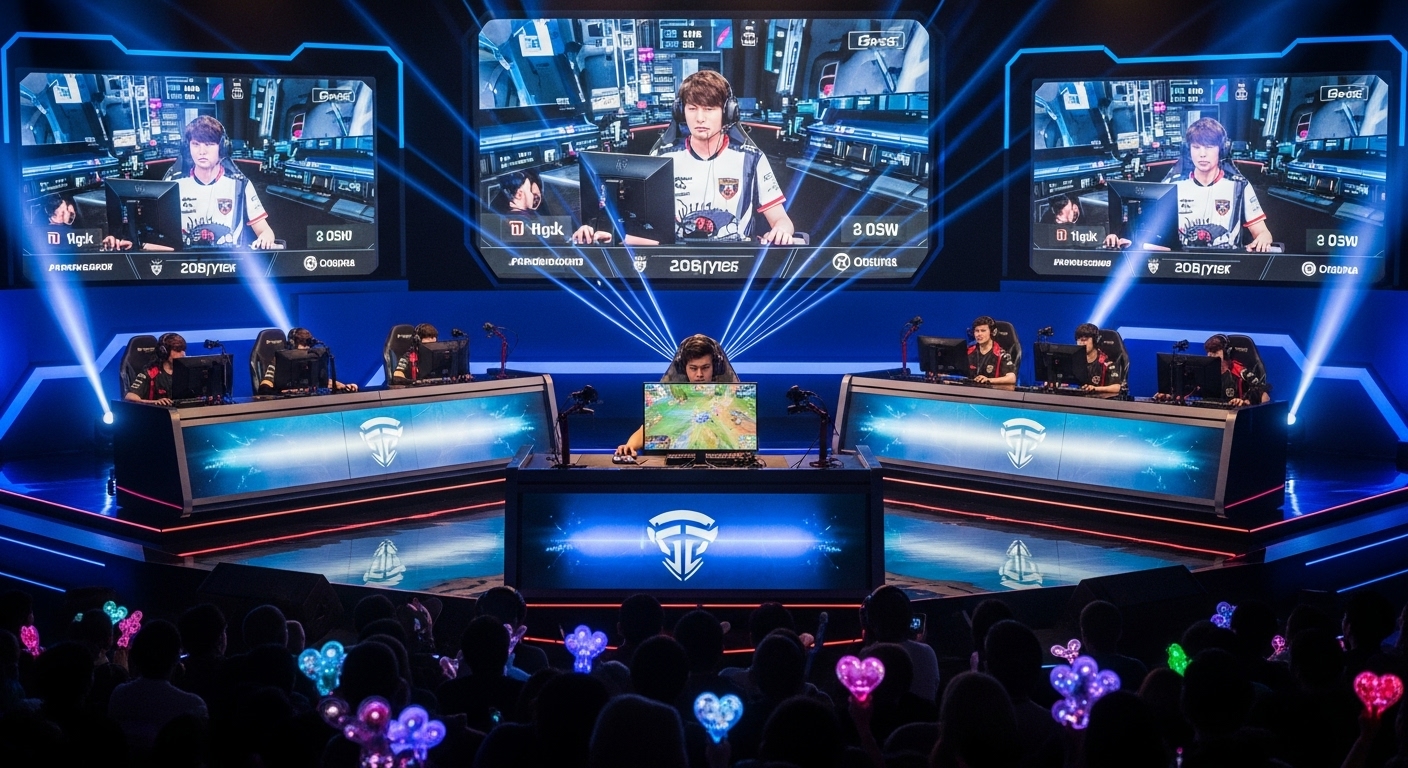
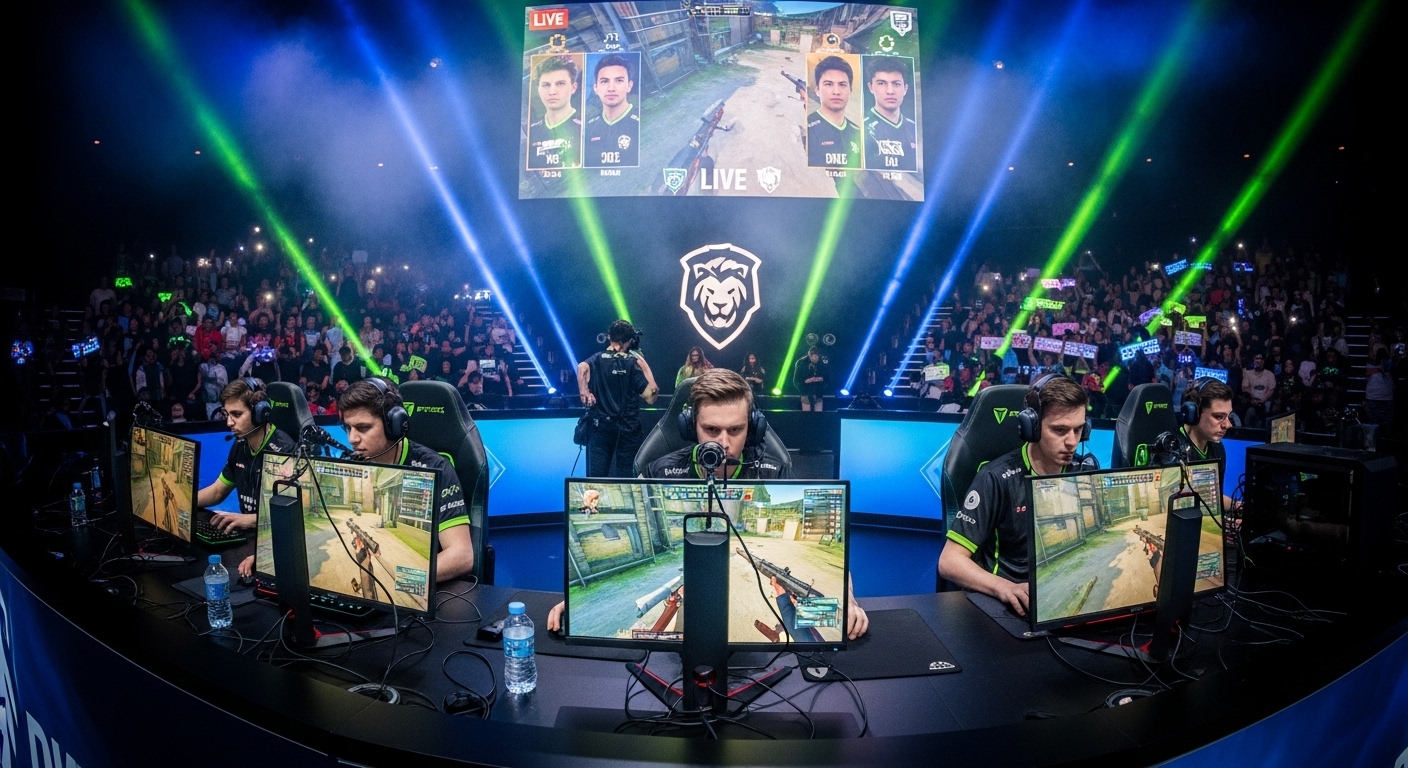
Esports tournaments are the pinnacle of competitive gaming. Events like “The International” for “Dota 2” and the “League of Legends World Championship” are watched by millions of fans worldwide, with players from all corners of the globe competing for huge cash prizes and global recognition. These tournaments are often held in large arenas or broadcast online, with thousands of fans in attendance and millions more watching from home.
Prize pools for esports tournaments can be staggering. “The International,” for instance, has set records with prize pools exceeding $30 million, largely funded by the game’s community through in-game purchases. Sponsorship deals from major brands, such as Coca-Cola, Intel, and Red Bull, also contribute to the financial success of esports events, highlighting the growing influence of competitive gaming in mainstream culture.
The Global Fanbase: A Digital Community
One of the most remarkable aspects of esports is its ability to bring people together from all around the world. Esports fandom is truly global, transcending geographical boundaries and cultural differences. Whether it’s watching a match between teams from North America, Europe, South Korea, or China, fans of esports can unite over their love for the games and players they support.
What sets esports apart from traditional sports is its digital nature. While traditional sports fans often attend live events or watch games on TV, esports fans primarily consume content online through streaming platforms like Twitch and YouTube. These platforms allow fans to watch live matches, interact with players, and engage with each other in real-time through live chats, social media, and fan communities.
Esports has also become a part of the broader gaming culture. Many esports fans are themselves gamers, making the experience more personal and relatable. Fans don’t just watch their favorite teams; they participate in the gaming world through streaming, content creation, fan art, and even playing the same games. This level of engagement is what makes esports such a vibrant and dynamic community.
The accessibility of esports events has also contributed to the growth of its fanbase. Online streaming has made esports available to anyone with an internet connection, regardless of location or time zone. Major tournaments are broadcast in multiple languages, ensuring that fans from every corner of the globe can tune in and enjoy the action.
The Players: Professional Gamers and Their Training
While esports may appear to be just about playing video games, the reality is far more complex. Professional esports players are some of the most highly trained and skilled athletes in the world. Just like traditional sports athletes, professional gamers dedicate their lives to improving their performance, often spending hours each day practicing, analyzing gameplay, and refining their strategies.
Esports players typically specialize in one or two games, mastering the mechanics, strategies, and nuances of those titles. They undergo rigorous training regimes, both individually and with their teams, to stay sharp and ahead of the competition. In many ways, their training is similar to that of traditional athletes: mental conditioning, physical fitness (many esports players work on hand-eye coordination and reaction time), and team dynamics are all critical aspects of a player’s development.
The pressure on esports players can be immense. With large audiences and substantial prize money on the line, players must be prepared to perform under intense scrutiny. Many players experience the same types of stress and burnout that athletes in traditional sports face. Mental health and well-being are becoming key concerns within the esports community, with organizations increasingly offering psychological support to players to help them cope with the demands of professional competition.
Esports and the Future: Growth, Innovation, and Inclusivity
The future of esports looks incredibly bright, with continued growth expected across every aspect of the industry. As more people embrace gaming as both a hobby and a career, the esports ecosystem will only expand. New games will emerge, and established titles will continue to evolve, keeping the competitive scene fresh and exciting for both players and fans.
Esports is also becoming more inclusive. While the industry has traditionally been male-dominated, efforts are underway to promote gender diversity in competitive gaming. Female gamers and teams are slowly but steadily gaining more recognition, and organizations are working to create environments where all players, regardless of gender, feel welcome and supported. Additionally, adaptive esports for people with disabilities is becoming more prominent, ensuring that everyone has the opportunity to participate and compete.
Innovation in technology will also play a major role in the future of esports. Virtual reality (VR) and augmented reality (AR) are expected to create entirely new forms of gaming and competition. These technologies have the potential to revolutionize the esports experience, making it even more immersive and interactive for both players and viewers.
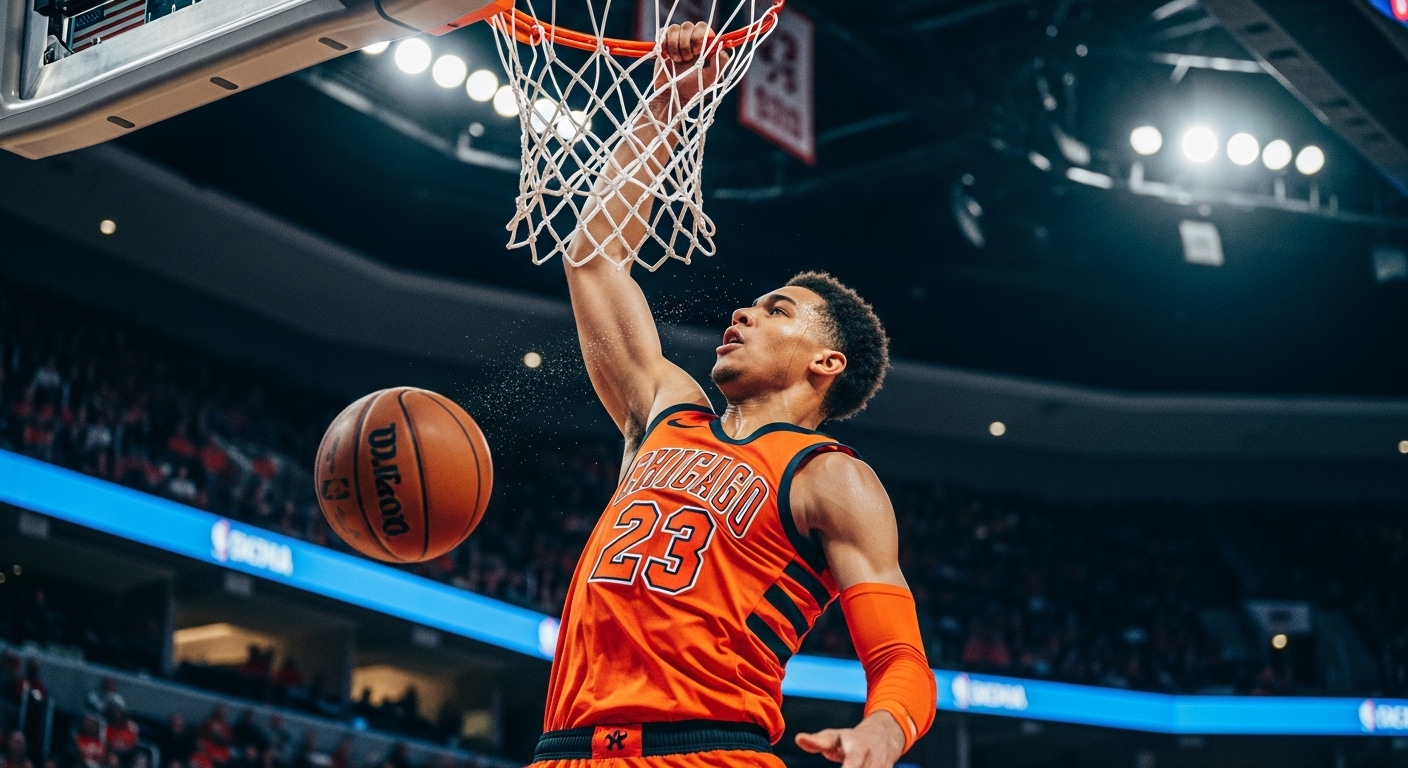
Furthermore, the integration of esports into mainstream media continues to grow. Esports events are increasingly being broadcast on television, and partnerships with major sports organizations, such as the NBA and NFL, are helping to elevate the status of esports in the eyes of the general public. As esports continues to mature, it is likely to become a more mainstream form of entertainment, drawing in an even broader audience.
Conclusion: Esports as the Future of Entertainment
Esports is more than just a passing trend; it is a cultural revolution that is reshaping the world of entertainment. The growth of esports over the last decade has been nothing short of extraordinary, and the future promises even more exciting developments. From professional players and teams to global fans and high-stakes tournaments, esports has become a dominant force in the digital world.
What makes esports so appealing is its ability to unite people across the globe, offering a shared experience that transcends borders, languages, and cultures. It’s a space where fans can actively participate, where competition is fierce, and where the thrill of victory and the agony of defeat are felt by millions.
As technology advances, so too will the potential of esports. Virtual reality, augmented reality, and new gaming innovations will continue to shape the competitive landscape. And as more people discover the excitement of esports, the industry will continue to thrive, providing opportunities for players, teams, organizations, and fans alike.