Introduction: The Rise of Esports
Esports, or competitive gaming, has grown from a niche hobby into a global phenomenon that attracts millions of players and viewers worldwide. What was once seen as casual entertainment in arcades or living rooms is now a professional industry with players, teams, sponsors, and massive tournaments. Esports combines skill, strategy, teamwork, and technology, transforming gaming into an interactive form of sport and entertainment. This evolution reflects the changing nature of digital culture, the professionalization of gaming, and the way modern audiences engage with interactive media.
The Early Days of Competitive Gaming
The history of esports can be traced back to the late 1970s and 1980s, when arcade games introduced the concept of high scores and informal competitions. Early tournaments were small and local, often hosted in arcades or gaming clubs. Titles like Space Invaders and Pac-Man laid the groundwork for competitive gaming, encouraging players to test their skills and claim recognition among peers. The 1990s saw the rise of online multiplayer games, which allowed players from different regions to compete, leading to a more connected and international gaming community. Games such as StarCraft, Quake, and Counter-Strike became iconic in shaping early esports culture.
Esports Genres and Popular Titles
Esports covers a wide variety of gaming genres, each appealing to different audiences and requiring unique skill sets. Multiplayer online battle arena games, or MOBAs, such as League of Legends and Dota 2, emphasize teamwork, strategy, and precise coordination. First-person shooters like Counter-Strike: Global Offensive, Call of Duty, and Valorant focus on accuracy, reflexes, and tactical thinking. Fighting games such as Street Fighter and Tekken test timing, skill, and competitive intuition. Sports simulation games, including FIFA and NBA 2K, replicate real-world athletic competitions in virtual environments. Each genre brings its own challenges and excitement, catering to both players and spectators while expanding the reach of esports worldwide.
The Professionalization of Esports
Today, esports is recognized as a legitimate career path, with professional players dedicating countless hours to practice, strategy, and team coordination. Players can earn significant income through tournament winnings, sponsorship deals, and streaming revenue. Professional esports organizations now operate similarly to traditional sports franchises, with coaches, analysts, managers, and support staff ensuring peak performance. Beyond players, careers in esports extend to commentators, content creators, event organizers, and marketers, creating a comprehensive ecosystem. This professionalization demonstrates that esports is more than entertainment—it is a serious industry that rewards dedication, skill, and creativity.
Spectatorship: The New Era of Sports Viewership
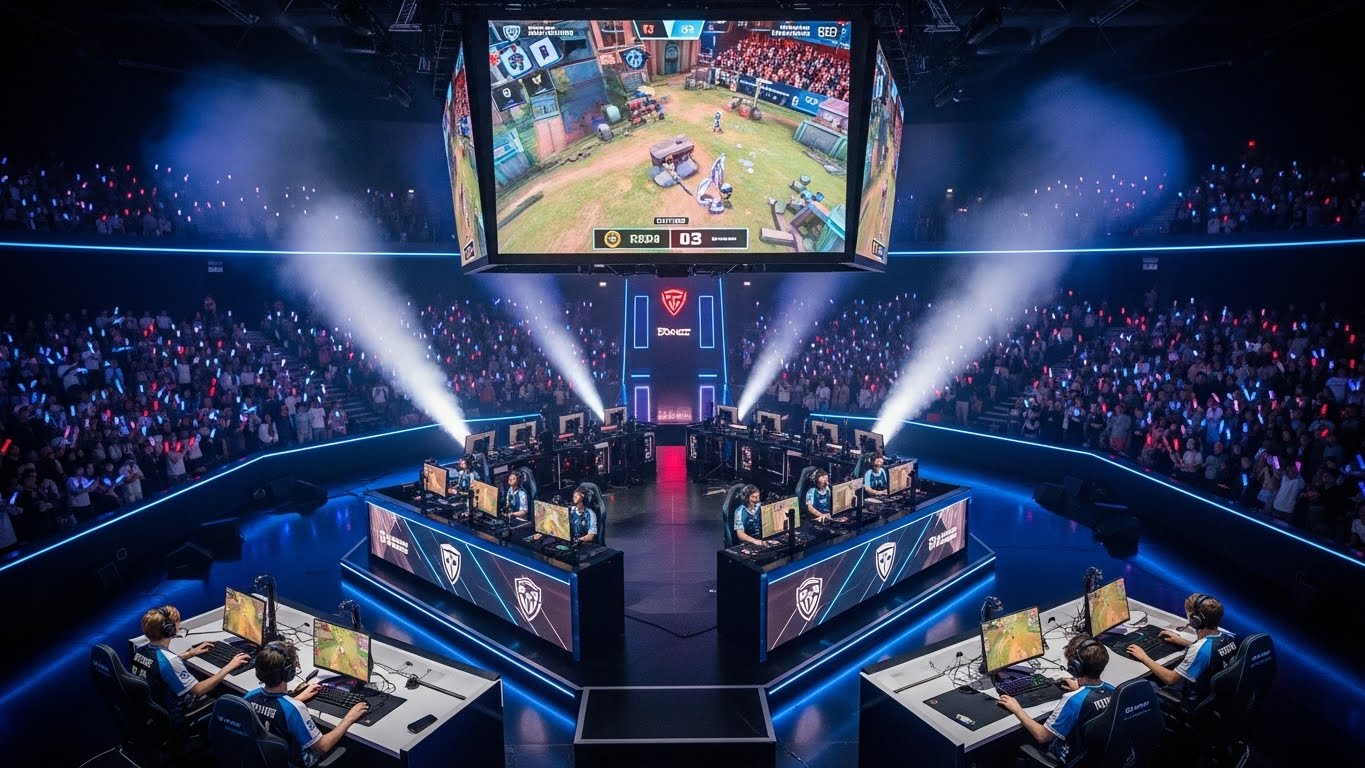
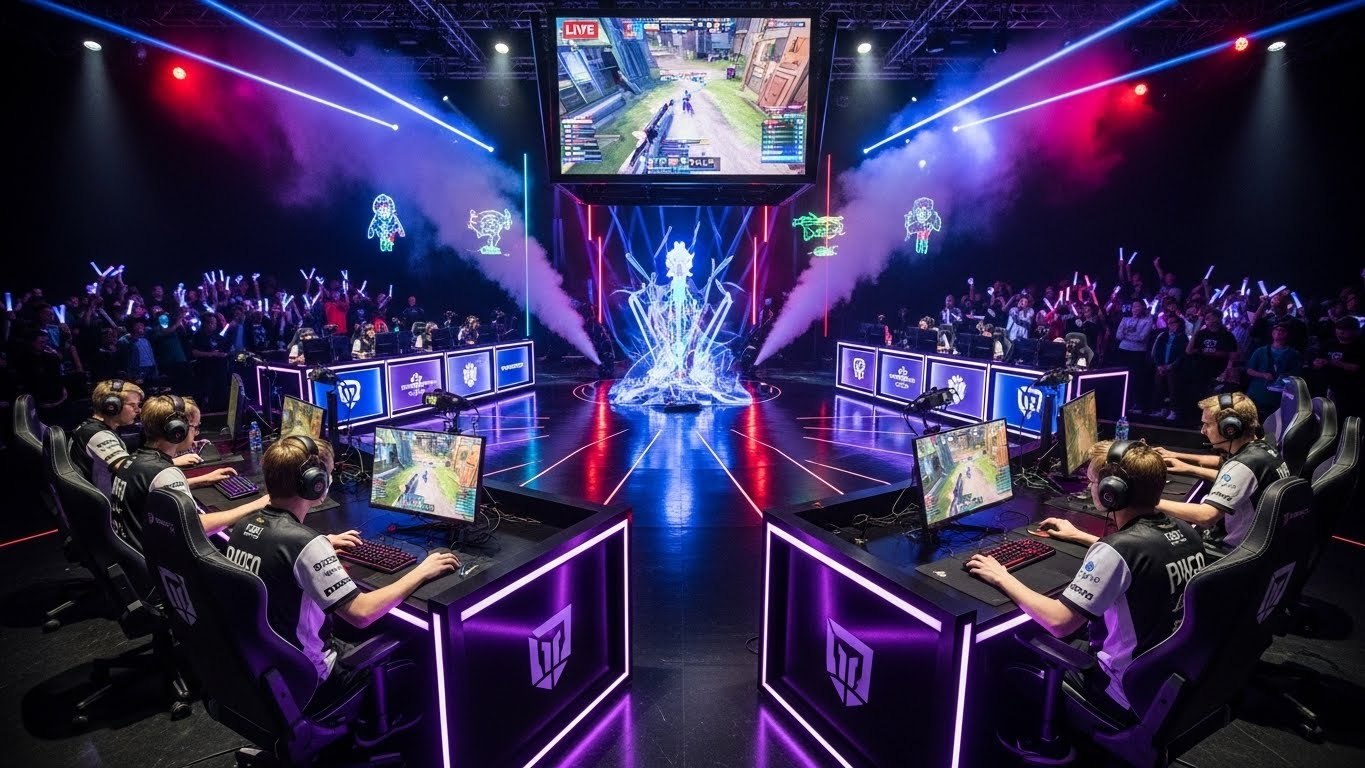
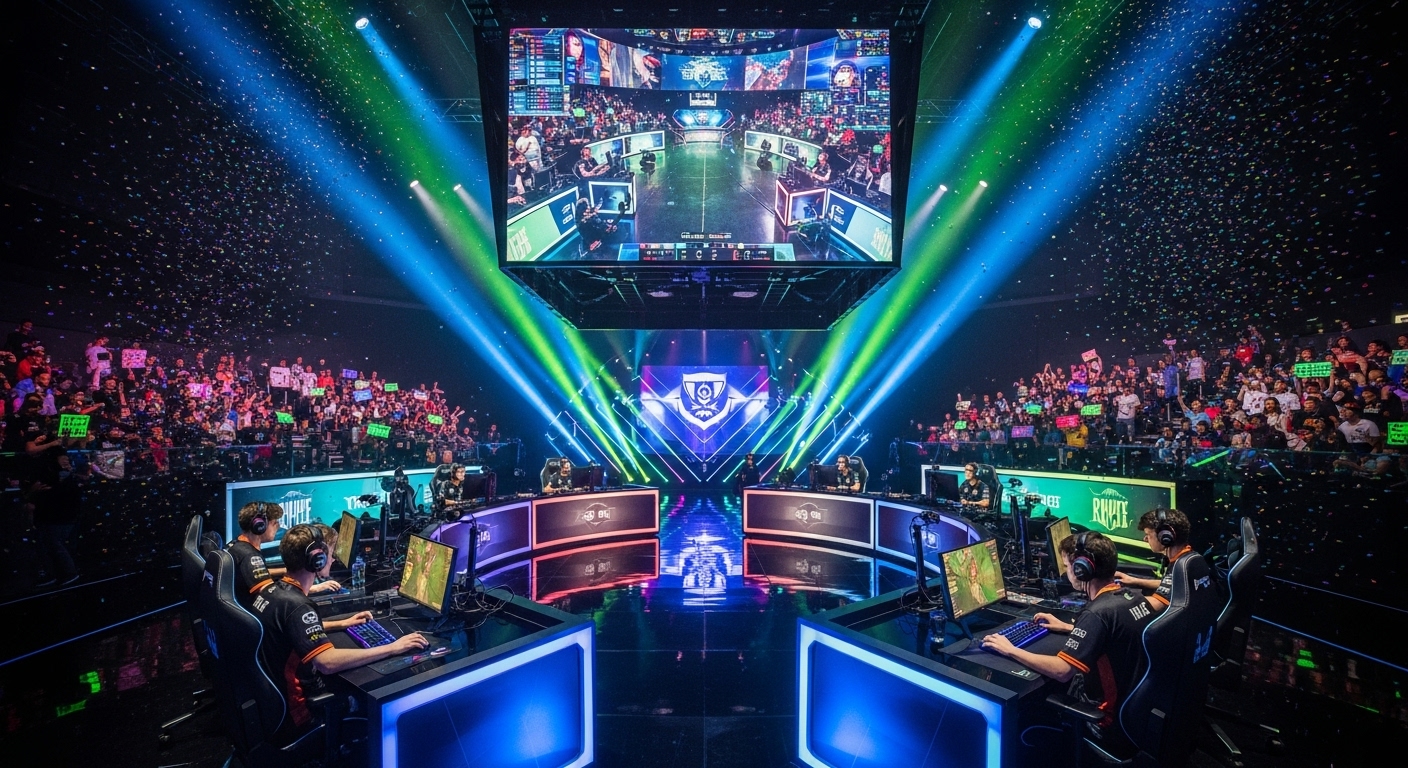
Esports is not only about playing games—it is also a spectator sport with millions of fans worldwide. Live streaming of tournaments allows audiences to follow their favorite teams, witness high-level gameplay, and engage with commentary in real-time. Major esports events rival traditional sporting events in scale, with elaborate arenas, live audiences, and global broadcasts. Spectators enjoy dynamic camera angles, in-game statistics, and expert analysis, which enhance the experience and create community engagement. Online platforms allow fans to interact with players, discuss strategies, and celebrate victories together, turning esports into a shared cultural phenomenon.
Streaming Platforms and Digital Communities
Streaming platforms have played a critical role in the growth of esports, connecting players and fans in a global network. Platforms such as Twitch, YouTube Gaming, and other live streaming services enable players to broadcast their gameplay, build personal brands, and monetize content. Interactivity is a key feature, allowing viewers to comment, ask questions, and even influence the stream in some cases. Streaming has created opportunities for aspiring players, content creators, and commentators to reach audiences without traditional industry barriers. The rise of these digital communities has amplified the reach of esports, creating a participatory culture where fans are as involved as players themselves.
Global Impact and Cultural Significance
Esports has a profound global impact, with major tournaments and leagues taking place across North America, Europe, Asia, and South America. Countries like South Korea, China, and the United States have emerged as major hubs, producing top-tier players and professional organizations. International competitions bring together diverse communities, fostering cross-cultural understanding and shared passion. Esports has also influenced education, with universities offering scholarships and dedicated programs to train future professional players. Its cultural significance is evident in mainstream media, fashion, and music, reflecting esports’ influence on modern youth culture and digital entertainment.
Technological Advancements Driving Esports
Technology is central to the growth of esports, enabling competitive play, live streaming, and immersive experiences. High-performance gaming PCs, fast internet connections, and advanced peripherals ensure smooth and fair competition. Virtual reality and augmented reality are beginning to offer new ways to experience esports, from interactive training simulations to immersive spectator experiences. Analytics and data-driven strategies are increasingly used to study opponents and optimize gameplay, mirroring the analytical approaches used in traditional sports. Technology not only enhances gameplay but also expands the possibilities for creative storytelling and fan engagement in esports.
Challenges Facing Esports
Despite its rapid growth, esports faces several challenges. Player burnout, mental health concerns, and the intense pressure of competition are prevalent issues among professionals. Cheating, hacking, and toxic behavior in gaming communities also pose significant challenges. Representation and inclusivity remain critical topics, as the industry strives to welcome players of all genders, abilities, and backgrounds. Ethical concerns, such as monetization practices and sponsorship transparency, are under scrutiny. Addressing these challenges is essential to maintaining esports’ credibility, ensuring a safe environment for players, and supporting sustainable growth.
Esports Education and Youth Engagement
The educational potential of esports is increasingly recognized, with schools and universities incorporating gaming programs into curricula. Competitive gaming teaches teamwork, strategic thinking, problem-solving, and resilience, offering practical skills that extend beyond the screen. Scholarships and collegiate leagues provide opportunities for young players to pursue esports professionally while continuing their education. Additionally, youth engagement programs help cultivate talent, encourage positive community interactions, and promote a healthy balance between gaming and academics. These initiatives underscore esports’ potential as a constructive and educational pursuit.
The Future of Esports
The future of esports is poised for unprecedented growth, innovation, and mainstream acceptance. Emerging technologies, including virtual reality, cloud gaming, and artificial intelligence, will create more immersive and interactive experiences. Cross-platform play and global tournaments will further expand audiences, while traditional sports organizations increasingly invest in esports teams and events. Greater emphasis on inclusivity, diversity, and ethical standards will shape a more sustainable and equitable industry. Esports will continue to redefine entertainment, competition, and community, cementing its position as a central feature of digital culture and modern society.
Conclusion: Esports as a Cultural and Professional Force
Esports has emerged as a transformative force, blending entertainment, competition, and community in ways that were unimaginable just decades ago. From humble beginnings in arcades to global tournaments watched by millions, esports has redefined gaming as both a profession and a cultural phenomenon. It offers professional opportunities, fosters international communities, and inspires creativity, strategy, and collaboration. As esports continues to grow, it will remain a powerful medium for storytelling, innovation, and connection, demonstrating that competitive gaming is not just a pastime—it is a global movement that reflects the skill, passion, and creativity of an entire generation.