
Introduction: The Emergence of Esports
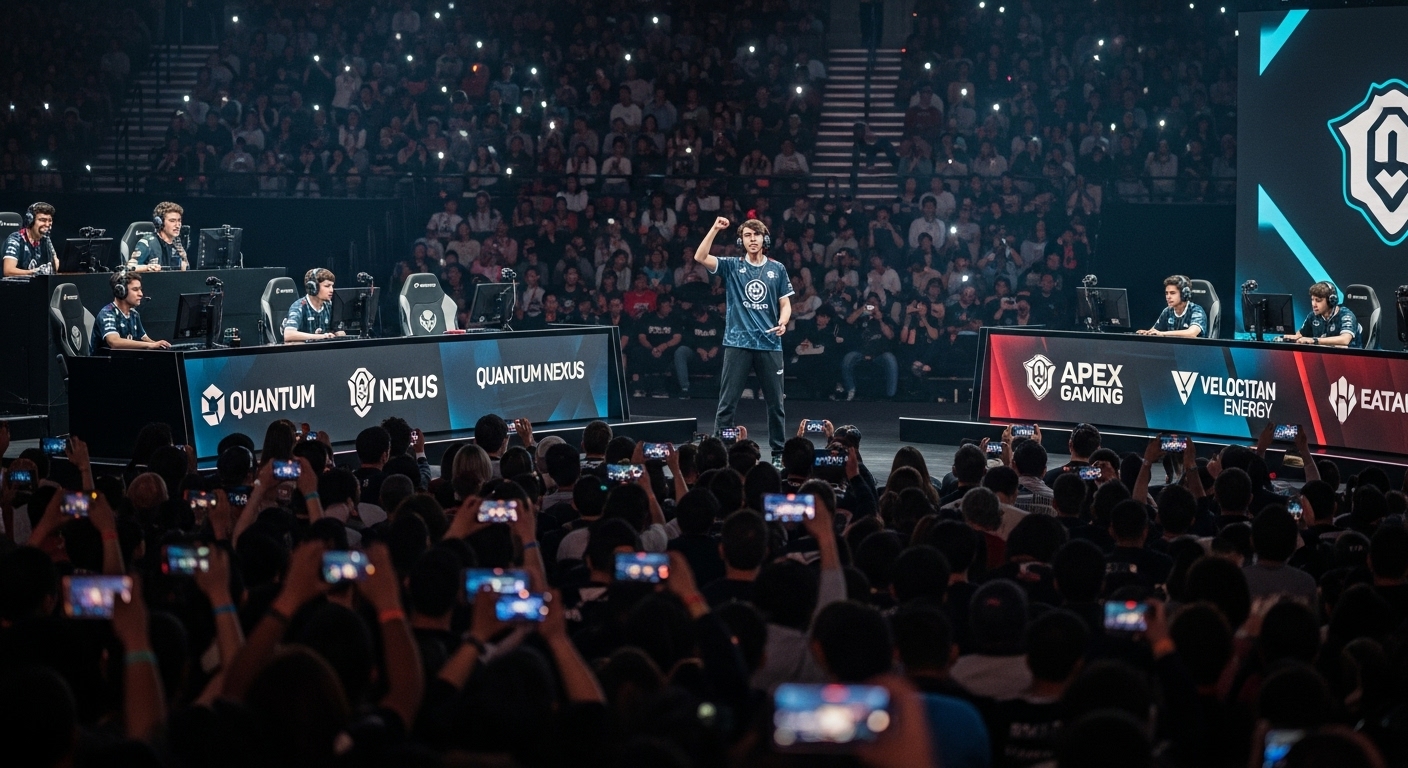
The world of competitive gaming has undergone a dramatic transformation over the past few decades, evolving from a niche hobby into one of the most lucrative and widely followed industries on the planet. Esports, or electronic sports, has rapidly risen in prominence, captivating millions of viewers and players worldwide. What was once a small community of gamers now represents a thriving global ecosystem that rivals traditional sports in terms of viewership, sponsorship, and media attention.
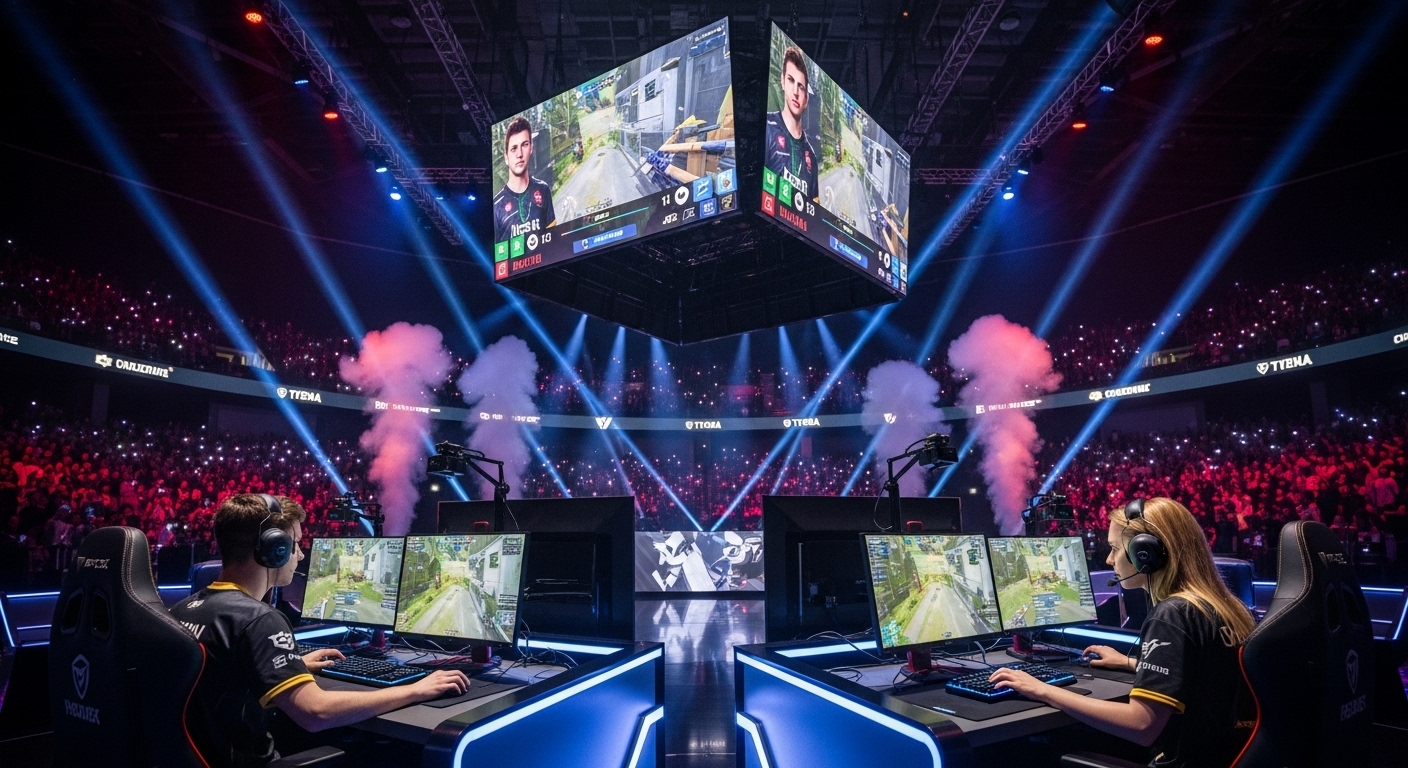
Esports has carved out a space not just in the gaming industry, but within the broader entertainment landscape. From humble beginnings in arcade tournaments to selling out massive arenas, the growth of esports has been nothing short of remarkable. Today, esports stands as a multifaceted industry, encompassing professional leagues, international tournaments, streaming platforms, and even collegiate competitions.
This blog will delve into the history, rise, and impact of esports, exploring its evolution, business model, and the factors that have contributed to its widespread success.
The Birth of Esports: Competitive Gaming in the 90s
The roots of esports can be traced back to the early 1990s, when video games began to move from single-player experiences to multiplayer formats. The concept of competitive gaming took hold in arcades, where players would challenge one another for the highest score in games like “Pac-Man” or “Street Fighter.” While these informal competitions were localized, they laid the groundwork for the future of esports.
The first major step toward organized competitive gaming came with the advent of online multiplayer games. Titles like “Doom” and “Warcraft” introduced the concept of players competing against each other via local area networks (LANs). In 1997, the first major international esports competition, the Red Annihilation Tournament, was held for the game “Quake.” This tournament brought players together from across the world and established esports as a competitive activity with a following.
As the internet grew more accessible in the late 1990s, online gaming became a reality. Games like “StarCraft,” “Counter-Strike,” and “Warcraft III” began to build large, dedicated communities. These early online competitions provided a platform for players to compete professionally, with some even making a living from tournament winnings and sponsorships. However, esports still remained a relatively underground phenomenon during this time, with limited mainstream visibility.
The Rise of Esports: 2000s to Present
The early 2000s marked a turning point in the development of esports. Online gaming platforms such as Blizzard Entertainment’s “Battle.net” and Valve’s “Steam” revolutionized how gamers could compete against one another from anywhere in the world. In 2000, the formation of global esports leagues, such as the World Cyber Games (WCG) and the Electronic Sports World Cup (ESWC), helped legitimize competitive gaming and give it a more professional structure.
One of the key factors behind the growth of esports during this time was the rise of video game streaming platforms. In 2011, Twitch was launched, allowing gamers to broadcast their gameplay to a global audience. This change in how people consumed gaming content transformed esports from a localized experience to a global entertainment phenomenon. Players could now stream their practice sessions, share their gameplay strategies, and connect with fans in real-time. Streaming platforms like Twitch also provided a way for viewers to engage with the esports community and support their favorite teams and players.
By the mid-2010s, esports had gained significant traction, with major tournaments such as “The International” (for the game Dota 2) and the “League of Legends World Championship” attracting millions of viewers and offering multi-million-dollar prize pools. These high-profile events turned esports into a professional industry, with teams, coaches, analysts, and even brand partnerships driving the business forward. Esports, once considered a niche hobby, was now a global industry with a growing fanbase and increasing legitimacy.
Esports: The Professionalization of Competitive Gaming
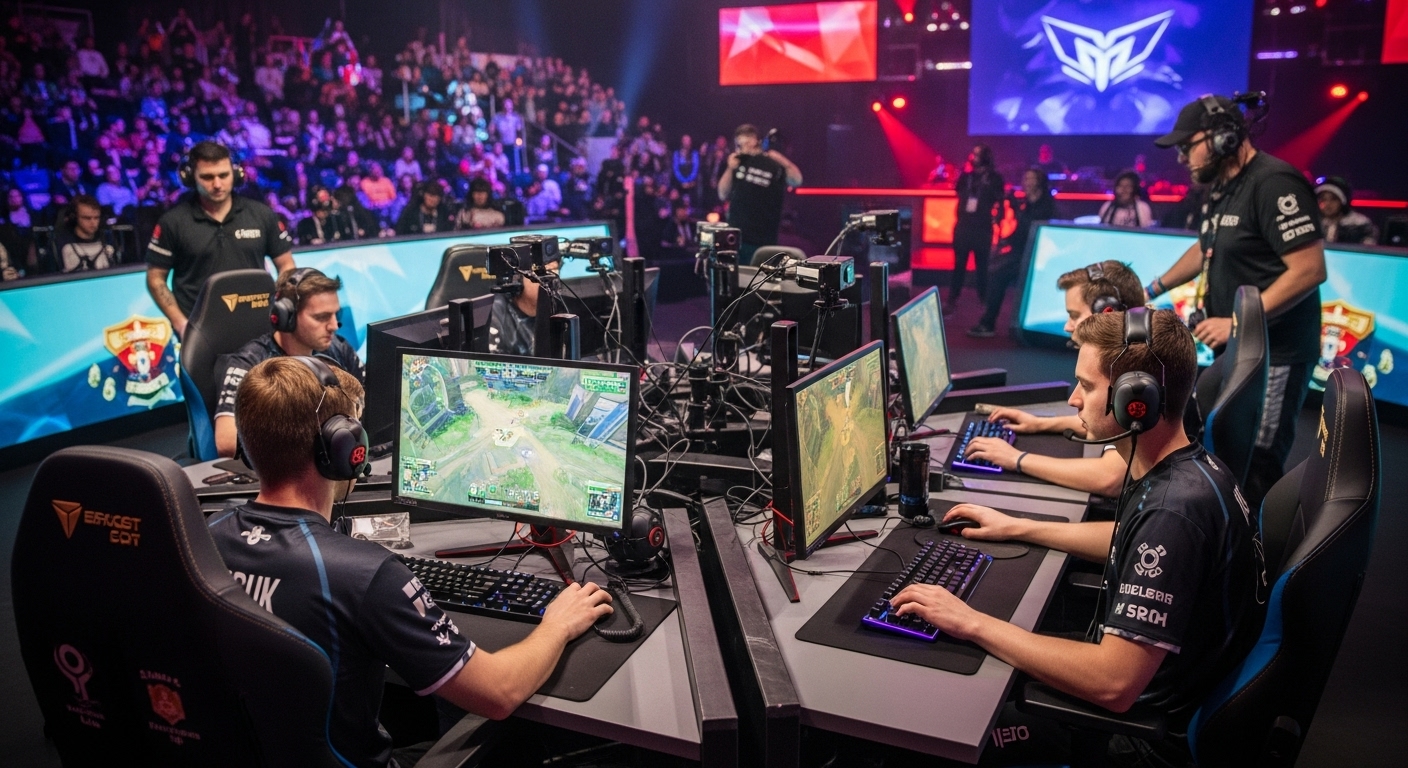
As esports continued to grow, so did its level of professionalism. Organizations that once started as small communities or fan clubs began to evolve into full-fledged businesses. The most successful esports teams now have sponsors, coaches, managers, analysts, and support staff—much like traditional sports teams. Some of the most popular teams, such as Team Liquid, Cloud9, and T1, have become household names, attracting millions of fans and lucrative sponsorship deals from major brands such as Intel, Coca-Cola, and Mercedes-Benz.
In addition to team-based competitions, individual esports players have also risen to prominence, building personal brands through social media, streaming platforms, and sponsorships. Top players in games like “League of Legends,” “Fortnite,” and “CS:GO” can command six-figure salaries through tournament winnings, sponsorships, and content creation.
Moreover, esports tournaments have expanded beyond local competitions to massive international events held in stadiums and arenas. Events like “The International” for Dota 2, with prize pools exceeding $30 million, and the “League of Legends World Championship,” which regularly attracts over 100 million viewers, are not only significant milestones for the industry, but they also represent the growing intersection of gaming and traditional sports. The increased production value of these events, including high-quality live streaming, commentary, and live broadcasts, has helped esports reach a level of professionalism and entertainment previously reserved for traditional sports.
The Business of Esports: Sponsorships, Revenue Streams, and Media
Esports is no longer just about playing games—it’s a highly lucrative industry that generates revenue from a wide variety of sources. The growth of the esports industry has led to an explosion of sponsorships, media deals, and merchandising opportunities. Companies in industries ranging from technology to apparel are eager to associate themselves with top esports teams and tournaments, knowing that esports audiences are highly engaged and passionate.
Sponsorship deals with big brands are a key revenue source for both esports organizations and individual players. In 2020 alone, the global esports market generated over $1 billion in revenue, with sponsorships accounting for more than 50% of that total. Technology companies, such as Nvidia and Razer, have long been major sponsors of esports events, but companies in other sectors, including food and beverage, automotive, and telecommunications, are now seeing the value of investing in esports.
Another growing revenue stream for esports organizations comes from media rights. Major esports leagues and tournaments are now broadcasting their events on a variety of platforms, including cable networks, YouTube, and Twitch. These media deals allow esports to reach broader audiences and provide a steady revenue stream for organizations. For example, the Overwatch League signed a lucrative deal with Twitch and YouTube, allowing the event to be streamed globally across multiple platforms.
Additionally, esports has embraced digital merchandising. Teams sell branded apparel, accessories, and in-game items, creating a steady income stream while promoting team loyalty. This form of fan engagement allows fans to support their favorite teams beyond simply watching tournaments.
The Global Reach of Esports: A Worldwide Community
One of the most exciting aspects of esports is its ability to unite players, fans, and teams from all over the world. Unlike traditional sports, where geographical limitations often prevent widespread global participation, esports transcends borders. A player in South Korea can compete against someone in Brazil or the United States without leaving their home. This international accessibility has helped esports grow rapidly, creating a worldwide community of gamers.
Esports tournaments have become international events, with top players and teams hailing from countries all over the globe. For example, while South Korea has long been a dominant force in games like “StarCraft” and “League of Legends,” North America, Europe, and China have also produced top-tier players and teams. This global competition fosters a sense of camaraderie among fans, who often come together to support their regional teams, even in faraway locations.
The rise of online streaming has further strengthened the global nature of esports. Platforms like Twitch and YouTube have created global communities where fans can watch matches, discuss strategies, and engage with their favorite players in real time. Language barriers are less of an issue, as live translations, subtitles, and real-time chat features allow viewers from different countries to engage with one another.
The Future of Esports: Innovation and Growth
Looking ahead, the future of esports appears incredibly bright. As technology continues to evolve, esports will benefit from new advancements in streaming, virtual reality, and player performance analysis. Virtual reality (VR) and augmented reality (AR) have the potential to reshape how players experience competitive gaming, creating more immersive environments and new opportunities for fan engagement.
Esports will also continue to grow in terms of mainstream acceptance. As younger generations embrace gaming as a legitimate form of entertainment, esports will find an increasingly prominent place in global culture. In fact, some universities now offer esports scholarships, and esports programs are being integrated into traditional sports organizations. This shift in perception will only continue to fuel the growth of the industry.
Additionally, the integration of esports into traditional sports broadcasts, sponsorships, and media channels will continue to blur the lines between digital and physical competition. As esports becomes a more recognized and respected sport, it will continue to expand its global reach and influence.
Conclusion: A New Era of Sports and Entertainment
Esports has evolved from a small, niche community into a global industry that rivals traditional sports in terms of viewership, revenue, and cultural significance. With millions of fans, top-tier sponsorships, and high-profile tournaments, esports has become a dominant force in the entertainment world.
As the industry continues to grow, esports will likely play an even bigger role in shaping the future of entertainment. The competitive spirit, global accessibility, and technological innovation that define esports will continue to attract new audiences, players, and fans, ensuring that esports remains a driving force in the world of digital entertainment.