Introduction
Esports, the competitive world of video gaming, has grown from a small community of enthusiasts into a global phenomenon. Once seen as a niche hobby, esports now commands massive audiences, professional leagues, sponsorships, and media coverage comparable to traditional sports. From online multiplayer games to international tournaments, esports has redefined competition and entertainment in the digital era. Beyond entertainment, esports has economic, social, and educational impacts, creating opportunities for players, fans, and businesses alike. This blog explores the rise of esports, its influence on modern culture, and the transformative role it plays in society today.
The Evolution of Esports
Esports has a history that spans decades. In the 1970s and 1980s, early video games like Pong and Space Invaders hosted competitions that drew local players and small crowds. By the 1990s, multiplayer PC games such as StarCraft, Quake, and Counter-Strike enabled larger competitive environments. These games introduced teamwork, strategy, and organized tournaments, laying the foundation for modern esports.
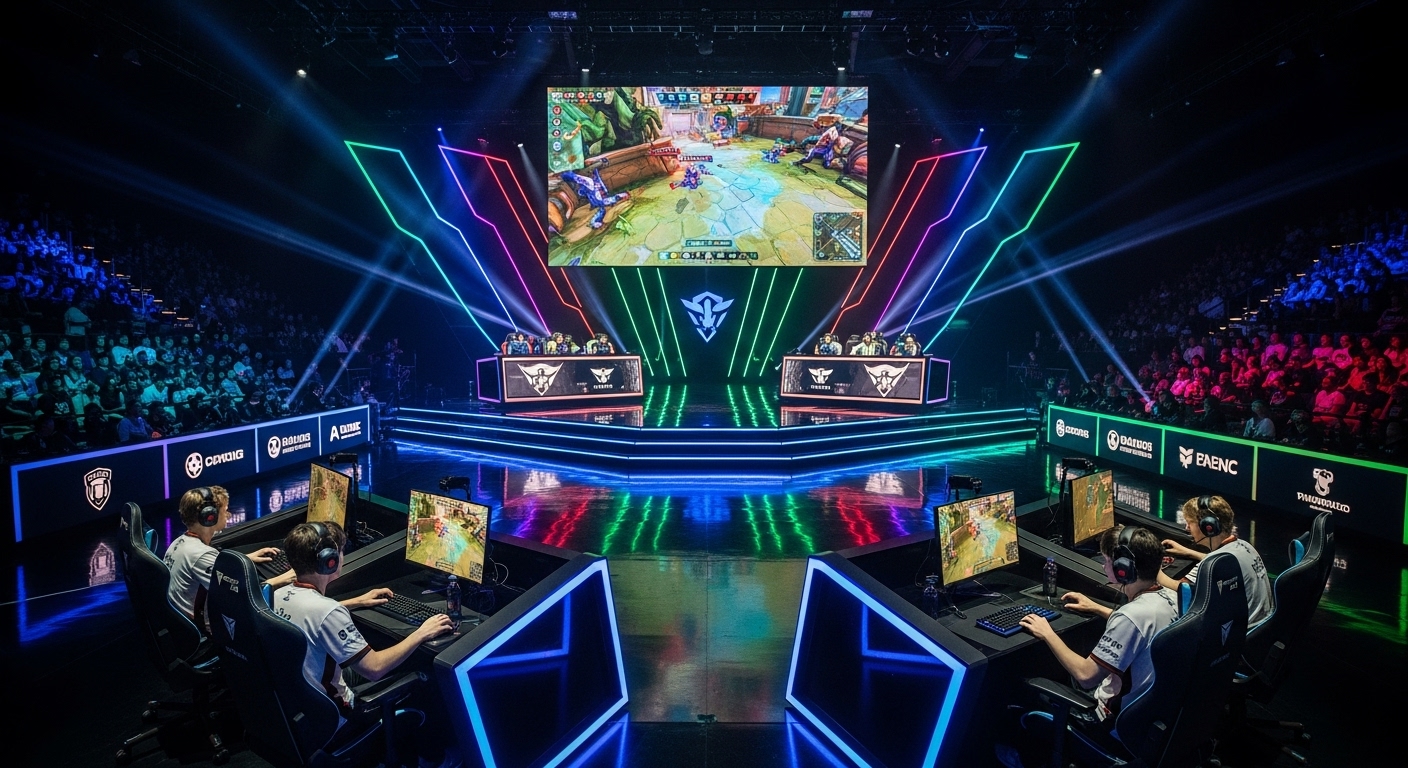
The 2000s marked the beginning of online gaming and live streaming, allowing players from around the world to compete and spectators to watch matches in real time. Platforms like Twitch revolutionized viewership, making esports accessible to millions globally. Today, esports has evolved into a professional industry, complete with teams, coaches, analysts, and international tournaments with prize pools reaching millions of dollars.
Global Reach and Popularity
Esports has transcended borders and cultures, connecting millions of people worldwide. Unlike traditional sports, it does not require physical infrastructure or specific conditions. Players from different continents can compete on equal footing through online platforms. Countries such as South Korea, China, the United States, and several European nations have established esports hubs with professional teams, training facilities, and robust leagues.
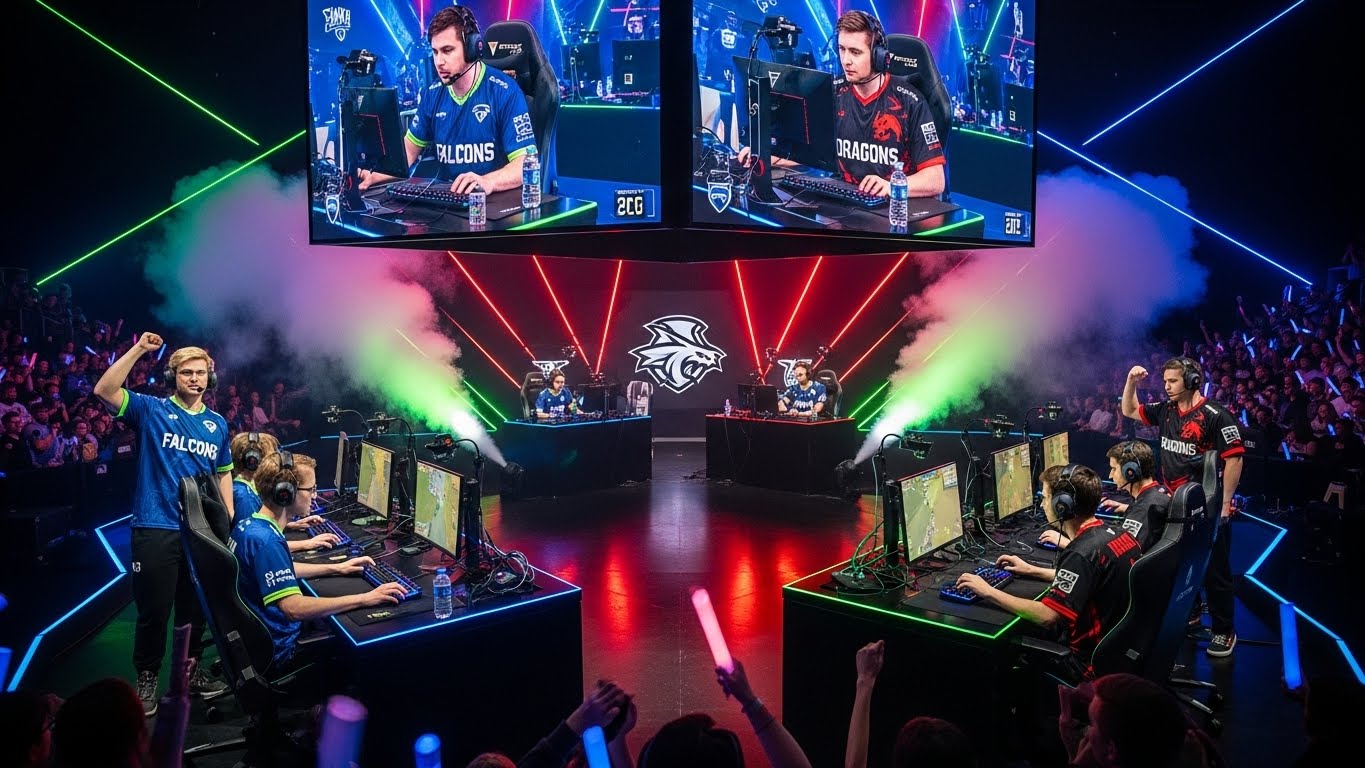
International tournaments draw audiences comparable to major sporting events. Millions watch live streams, participate in fan discussions, and engage with content across social media. Esports has created a global community united by a shared passion for competitive gaming, fostering cultural exchange and social interaction in ways traditional sports rarely achieve.
Cognitive and Skill Development
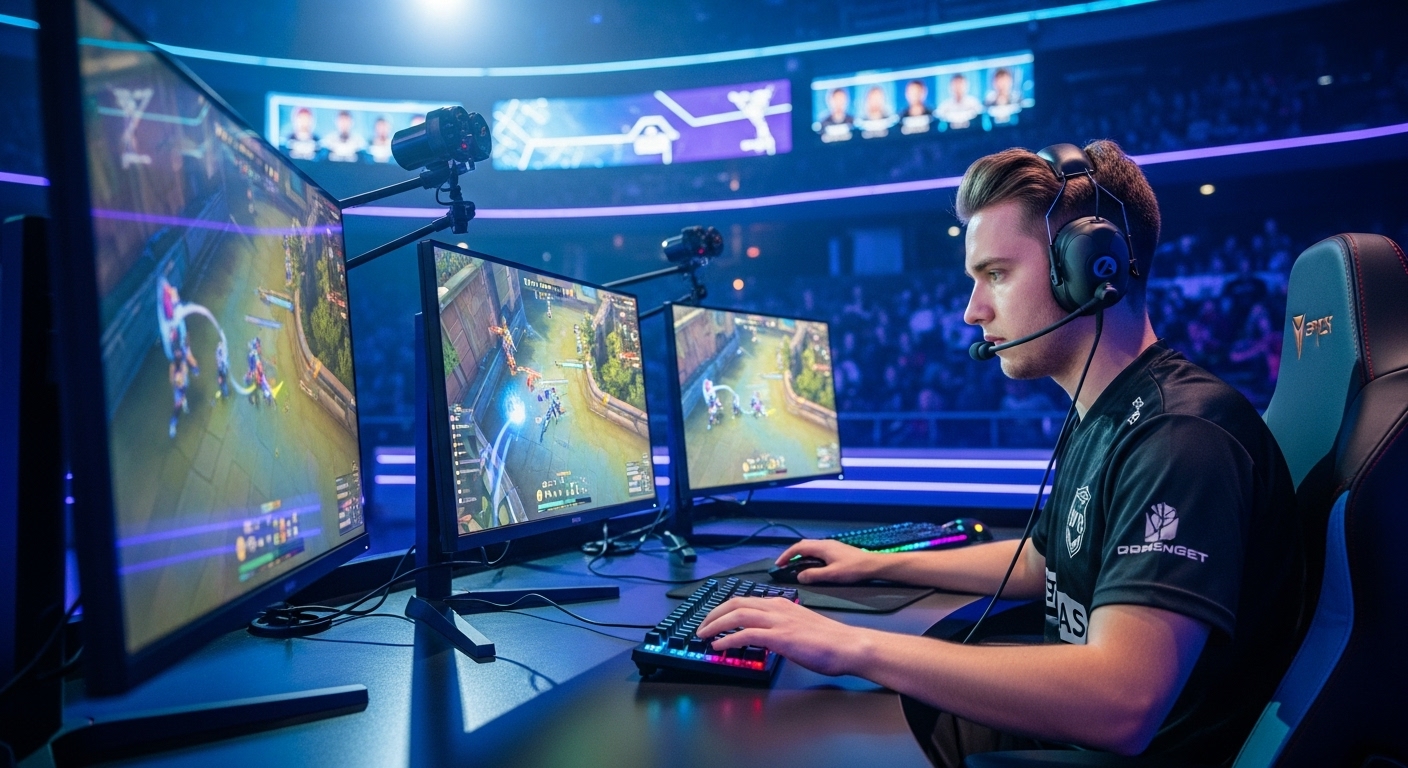
Esports is often associated with screen time, but competitive gaming develops a wide range of cognitive and technical skills. Players must exhibit quick reflexes, strategic thinking, multitasking, and precise hand-eye coordination. Analyzing game mechanics, anticipating opponents’ moves, and making rapid decisions improve problem-solving and mental agility.
Professional players also focus on physical health to enhance performance. Exercise, proper nutrition, and adequate rest help maintain focus and reaction speed during long gaming sessions. This combination of cognitive training and physical wellness demonstrates that esports is a highly demanding activity requiring discipline, strategy, and endurance.
Economic Impact of Esports
Esports has become a multi-billion-dollar industry with diverse revenue streams. Sponsorships, advertising, merchandise sales, media rights, and tournament prize pools contribute to its financial growth. Professional players earn salaries, endorsements, and prize money, making esports a viable career path for talented individuals.
The economic impact extends beyond players. Esports organizations employ managers, coaches, analysts, marketing teams, and event coordinators. Game developers, streaming platforms, and hardware manufacturers benefit from the ecosystem, making esports a significant driver of innovation and employment. Its financial influence rivals that of traditional sports, reflecting its legitimacy as a global industry.
Esports and Education
Esports is increasingly being integrated into education. Schools and universities now offer esports programs, scholarships, and extracurricular clubs. Participation in esports teaches teamwork, leadership, communication, and time management, skills that are transferable to academic and professional settings.
Esports programs also foster technological literacy. Students gain experience with game design, media production, streaming, and event management. By merging education with competitive gaming, institutions provide students with practical skills, career pathways, and opportunities to excel in both digital and traditional environments.
Social Interaction and Community
Esports cultivates strong social connections and a sense of community. Players collaborate with teammates, share strategies, and build relationships with mentors and peers. Fans interact through live chat, social media, and online forums, creating communities united by a shared interest in gaming.
Esports also promotes inclusivity. Unlike traditional sports, competitive gaming focuses on skill and strategy rather than physical attributes, allowing individuals of different genders, abilities, and backgrounds to participate. This inclusivity fosters diversity and ensures esports remains accessible to a wide range of participants.
Mental Health and Wellbeing
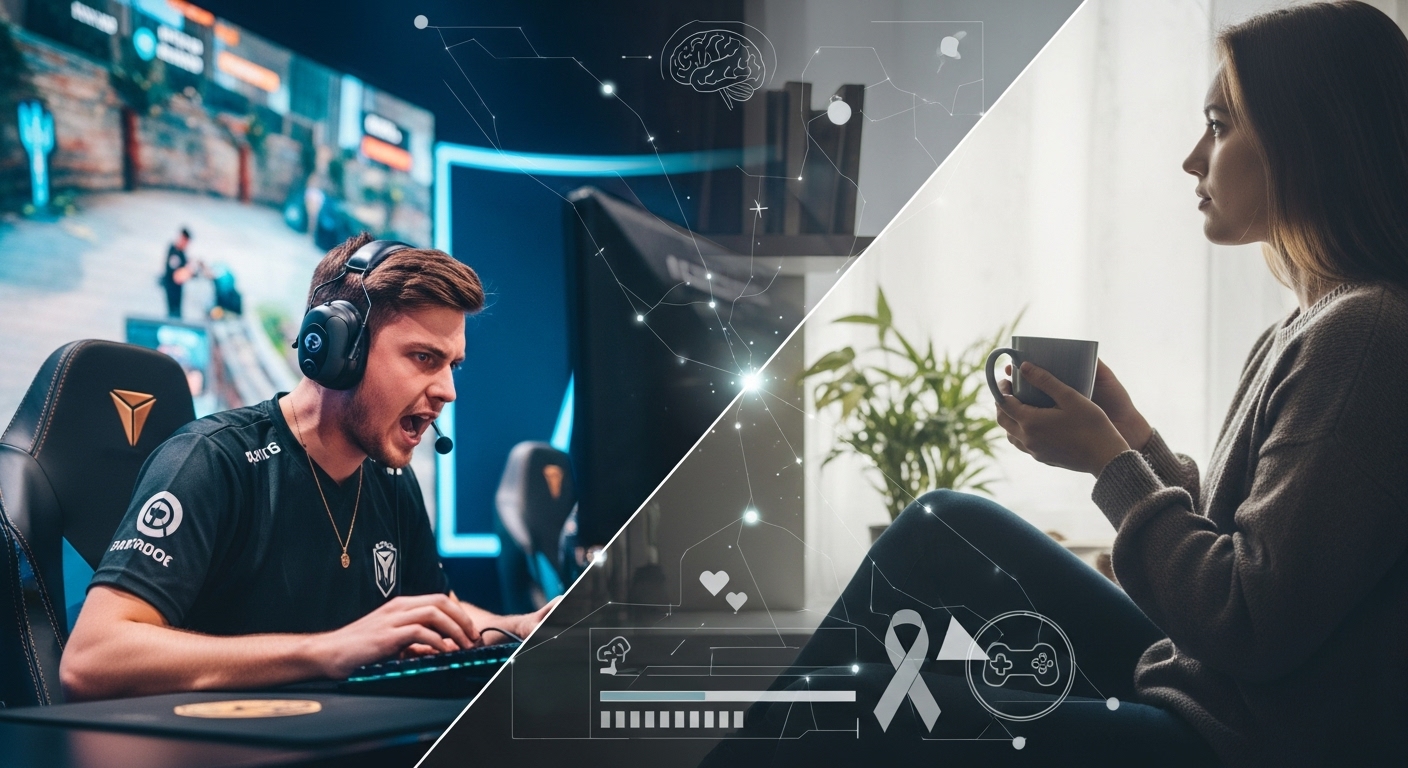
While esports offers cognitive and social benefits, it also presents challenges related to mental health. Professional players often face long training hours, high expectations, and pressure to perform, which can lead to stress and burnout. Maintaining balance between gaming, physical activity, and personal life is crucial.
Organizations are increasingly addressing mental health by providing support systems, wellness programs, and education on healthy gaming habits. Recognizing and managing the psychological demands of competitive gaming ensures that esports continues to be a sustainable and positive pursuit.
Challenges and Controversies
Esports faces several challenges that must be addressed to ensure long-term growth. Cheating, hacking, and online harassment threaten the integrity of competitions. Access to high-performance hardware and stable internet connections can create economic barriers for aspiring players. Additionally, regulatory frameworks and governance structures are still developing in many regions, requiring oversight to maintain fairness and safety.
Despite these challenges, the esports community continues to grow and innovate. Initiatives promoting inclusivity, fair play, and player welfare are becoming more common, paving the way for a more sustainable and responsible industry.
The Future of Esports
The future of esports is dynamic and promising. Emerging technologies such as virtual reality, cloud gaming, and artificial intelligence are poised to enhance competitive experiences. New game genres, interactive platforms, and immersive spectator experiences will continue to expand participation and viewership.
Esports is also likely to become more integrated with mainstream culture, education, and professional sectors. With increasing recognition, sponsorship, and media coverage, esports is on track to rival traditional sports in influence and reach. Its potential to shape entertainment, career opportunities, and global communities remains immense.
Cultural Significance
Esports has become more than a competitive activity; it is a cultural phenomenon. It influences fashion, music, social media trends, and lifestyle. Popular players and teams have massive fan followings, creating global communities that celebrate gaming achievements. Fans produce content, create art, and participate in events, enhancing the cultural footprint of esports.
Esports has also impacted mainstream media, with tournaments broadcasted on television, covered by publications, and documented in films and documentaries. Its cultural relevance continues to grow, solidifying esports as a significant aspect of contemporary entertainment.
Conclusion
Esports is no longer just a hobby—it is a transformative force in entertainment, education, and global culture. It has evolved from simple video game competitions into a professional industry with worldwide reach, economic influence, and cultural significance. Esports develops cognitive skills, promotes social connection, and provides career opportunities, challenging traditional perceptions of gaming.
The rise of esports demonstrates that competition, strategy, and skill are not limited to physical sports. By combining technology, creativity, and engagement, esports is reshaping how people play, watch, and interact with games. Its continued growth promises to redefine entertainment, foster innovation, and unite communities worldwide. Esports is more than a game—it is a revolution that is shaping the future of competition and culture for generations to come.