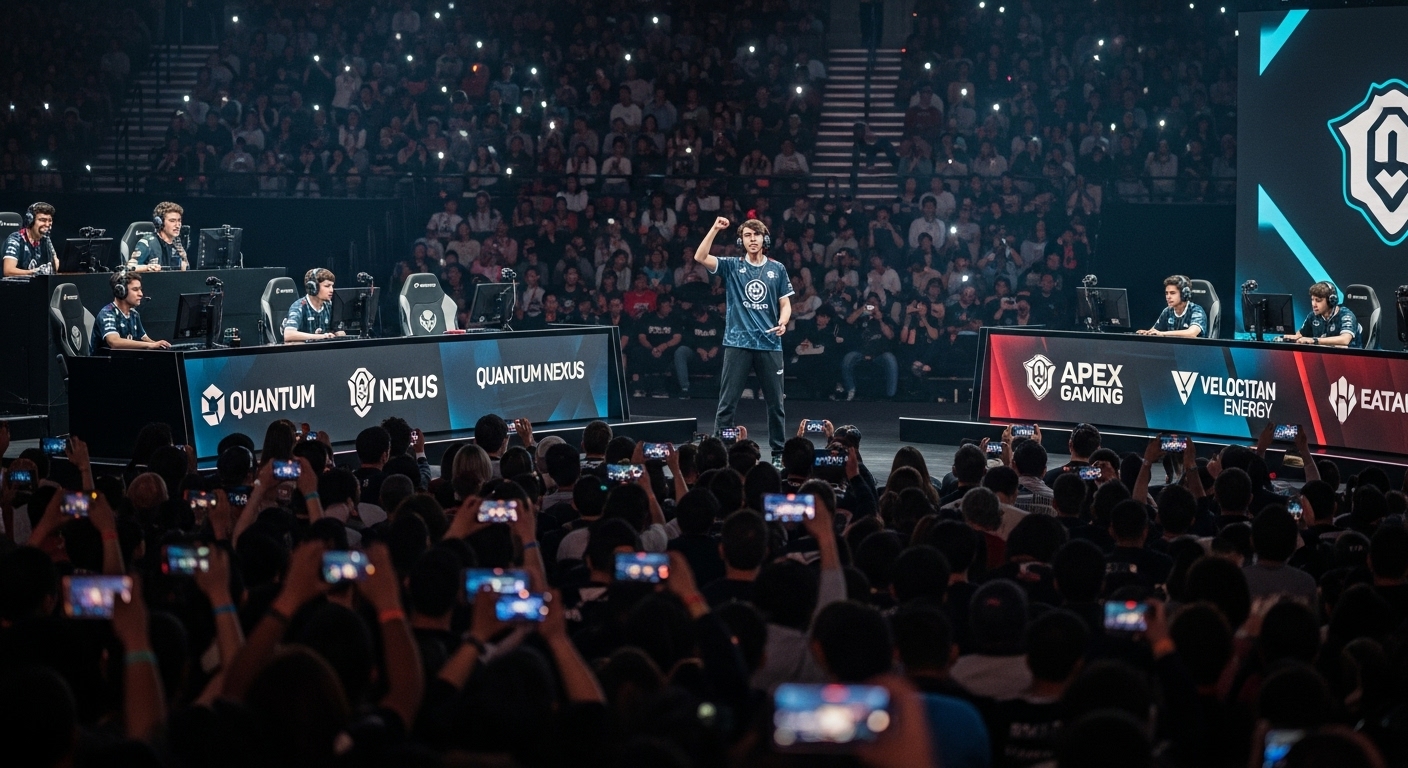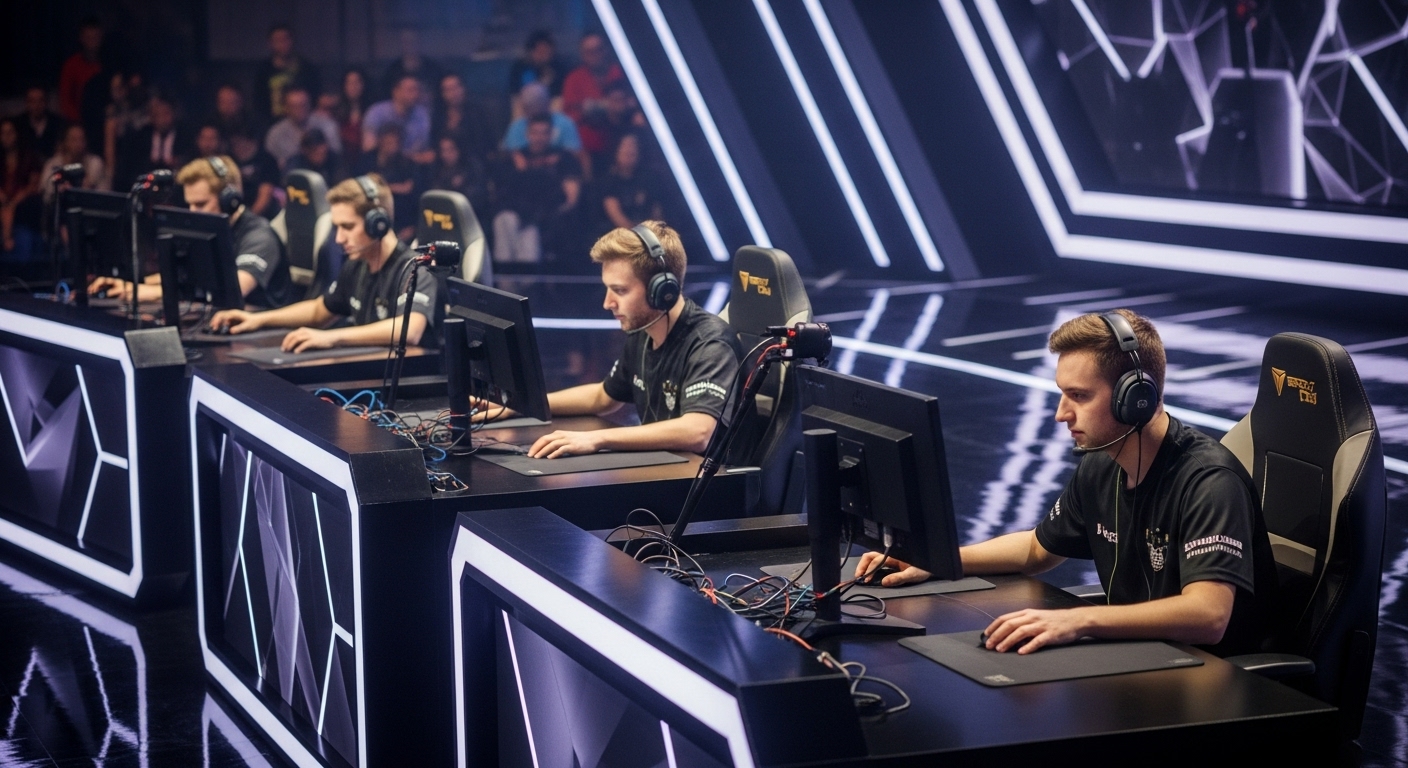
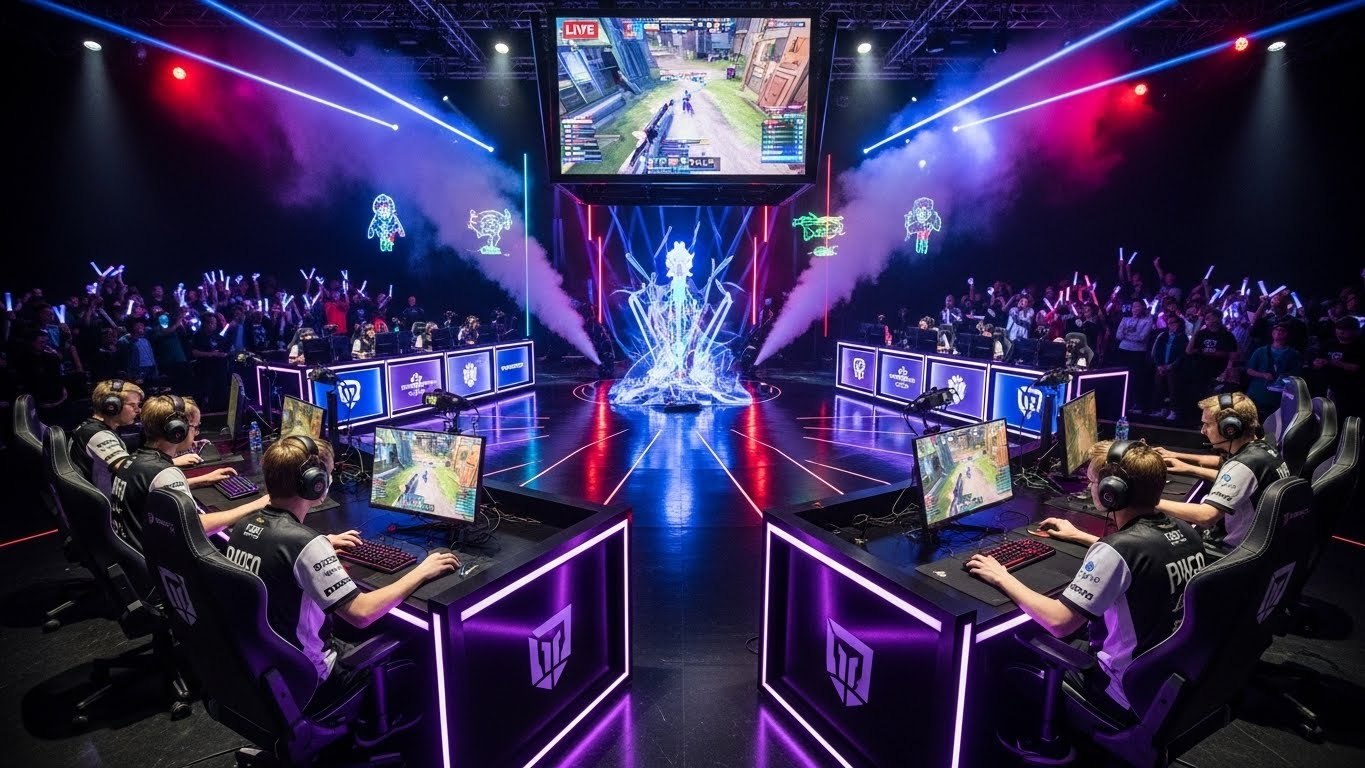
Esports, or competitive video gaming, has transitioned from a niche hobby enjoyed by a small group of enthusiasts to a global multi-billion-dollar industry. This meteoric rise has been driven by advances in technology, the expansion of gaming communities, and the increasing popularity of streaming platforms. What once began as a casual pastime is now one of the most exciting and dynamic sectors in the entertainment industry. In this blog post, we will explore the journey of esports, its rapid evolution, and its current status as a legitimate professional sport.
The Origins of Esports
The origins of esports can be traced back to the early 1970s, long before it became the phenomenon it is today. The first recognized video game competition took place in 1972 at Stanford University, where students competed in a game called Spacewar. Though this event was a far cry from the esports tournaments we see today, it marked the first instance of competitive gaming. Over the next few decades, similar competitions would arise, but the scope of these events remained relatively small, with limited media coverage and prize pools.
It wasn’t until the late 1990s and early 2000s that esports began to gain traction. The growth of the internet, the rise of online multiplayer games, and the increasing availability of personal computers led to a larger, more organized gaming community. Games such as StarCraft and Quake were among the first to draw significant attention from competitive players. Tournaments began to form, and organizations like Major League Gaming (MLG) started to emerge, offering players a platform to compete in front of a wider audience.
The Rise of Esports in the 2000s
The 2000s saw esports experience a period of growth fueled by both technological advancements and a shift in how games were played and consumed. One of the most significant factors in the rise of esports during this era was the growth of high-speed internet, which allowed players to connect with one another globally, and online multiplayer games became the norm.
The Role of Online Platforms
Services such as Battle.net for StarCraft and World of Warcraft (WoW) provided the necessary infrastructure for players to compete online. These games helped create a strong foundation for competitive gaming, as they offered not only an immersive gameplay experience but also a community for like-minded players. Online leaderboards, ladders, and ranked matches became the standard, further fueling the competitive spirit among gamers.
Early Tournaments and Events
Esports tournaments during this time were mostly regional affairs. However, there were standout events like the World Cyber Games (WCG) and the Electronic Sports World Cup (ESWC) that helped bring attention to the industry. These events started attracting larger audiences, and the prize money for top players began to grow, setting the stage for professional gaming.
The Role of Streaming and Social Media
The launch of platforms like Twitch and YouTube Gaming in the late 2000s was a game-changer for esports. Prior to these platforms, competitive gaming was largely confined to local events or niche TV programs. Streaming allowed players to broadcast their gameplay to a global audience, and it wasn’t long before professional gamers, commentators, and content creators built large followings on these platforms.
Twitch, in particular, became a hub for esports content, offering live streams of tournaments, player practices, and casual gaming sessions. The accessibility of this platform brought esports to millions of viewers around the world, who were not only watching the games but also engaging with players and personalities via chat and social media.
The Influence of Social Media
Social media played a pivotal role in growing the esports ecosystem. Platforms like Twitter, Instagram, and Reddit allowed fans to stay updated on events, interact with players, and follow team organizations. Esports organizations like Cloud9, Team Liquid, and Fnatic became brands in their own right, fostering fan loyalty through engaging content and behind-the-scenes access.
The Explosion of Esports in the 2010s
By the 2010s, esports had fully emerged as a mainstream cultural force. A combination of factors—such as a growing interest from traditional sports organizations, increased investment from major corporations, and the rise of esports-centric media—helped elevate esports to new heights.
Esports as a Spectator Sport
With the growth of streaming platforms, esports events started to gain substantial viewership. Major tournaments like The International (for Dota 2) and League of Legends World Championship became annual events watched by millions of fans worldwide. These events drew attention not just from gamers but also from casual viewers and even non-gamers who became intrigued by the skill and intensity of professional gaming.
Tournaments such as The International had prize pools that rivaled those of traditional sports. In 2018, The International offered a record-setting $25 million prize pool, with the top team walking away with over $10 million. This was a clear indicator that esports was becoming big business, with prize money and sponsorship deals attracting top-tier players and organizations.
The Investment Boom
As esports grew in popularity, investment from outside the gaming industry poured in. Traditional sports teams, celebrity investors, and even tech giants like Google and Amazon recognized the potential of the esports market. Notable investments came from companies such as Intel, Coca-Cola, Mercedes-Benz, and Red Bull, all of which sponsored events or partnered with esports organizations.
The rise of esports also sparked the development of esports-specific leagues and franchises. For instance, the Overwatch League (OWL), launched by Blizzard Entertainment in 2018, introduced a franchise model similar to traditional sports leagues, where city-based teams competed in regular-season matches. This shift towards a more structured and professionalized league format mirrored what we see in major sports like the NBA or NFL.
Esports in Mainstream Media
Esports gradually earned recognition from traditional media outlets. TV networks like ESPN began airing major esports events, while news outlets started covering the growing industry with regularity. Some major sports events, such as Super Bowl and NBA Finals, even integrated esports content into their programming, showcasing the growing overlap between traditional sports and esports.
The Current State of Esports
Today, esports is no longer a fringe activity; it has become a legitimate industry with global reach. The market for esports is estimated to be worth over $1 billion, with projections indicating that it will continue to grow in the coming years. The industry is supported by a massive fanbase, which includes millions of active players, dedicated followers, and viewers who tune in to watch professional tournaments.
Esports as a Career Path
For many young people, esports is no longer just a hobby but a viable career path. Professional players, coaches, analysts, and casters can earn substantial salaries, thanks to sponsorships, prize money, and media rights deals. Esports organizations themselves are becoming profitable enterprises, with some teams valued at over $100 million. University programs are now offering scholarships for esports athletes, and even traditional sports teams are investing in esports franchises.
Esports in the Olympics?
One of the most significant debates in the esports world revolves around whether esports should be included in the Olympics. While traditional sports organizations remain hesitant to recognize esports as a legitimate sport, there is growing support for its inclusion. The International Olympic Committee (IOC) has shown interest in esports, even hosting an “Olympic Virtual Series” in 2021. The future of esports in the Olympics remains uncertain, but its presence in the discussion reflects how far the industry has come in terms of recognition and legitimacy.
Challenges and Opportunities
Despite its rapid growth, esports faces several challenges. One of the primary concerns is the health and wellbeing of players. Esports professionals often spend long hours practicing, leading to potential physical and mental health issues such as repetitive strain injuries, burnout, and stress. As the industry matures, addressing these concerns will be critical to ensuring the long-term sustainability of esports.
Another challenge is the fragmentation of the market. While some games dominate the esports landscape, others struggle to maintain a competitive community. Additionally, the rapid pace of technological change means that games can rise and fall in popularity very quickly. Keeping up with these shifts and adapting to changing player preferences will be crucial for esports organizations to stay relevant.
However, these challenges also present opportunities for growth. The increasing professionalism of the industry and the establishment of esports academies and training programs will likely lead to a more sustainable and healthy ecosystem for players. Additionally, as new technologies such as virtual reality and augmented reality continue to evolve, esports could see even greater innovation and engagement.
Conclusion
Esports has come a long way since its humble beginnings, evolving into a global phenomenon that spans continents and attracts millions of fans worldwide. Its growth has been fueled by advances in technology, the expansion of streaming platforms, and the increasing acceptance of gaming as a legitimate sport. Today, esports is not only a source of entertainment but also a viable career path for many individuals, with opportunities for players, coaches, analysts, and content creators.
As we look toward the future, the prospects for esports remain incredibly promising. With continued investment, innovation, and an expanding global audience, esports is poised to become an even more integral part of the entertainment landscape. Whether or not it will one day become a mainstay of the Olympic Games is still to be seen, but one thing is certain: the rise of esports is far from over.