Introduction: The Digital Revolution of Competitive Gaming
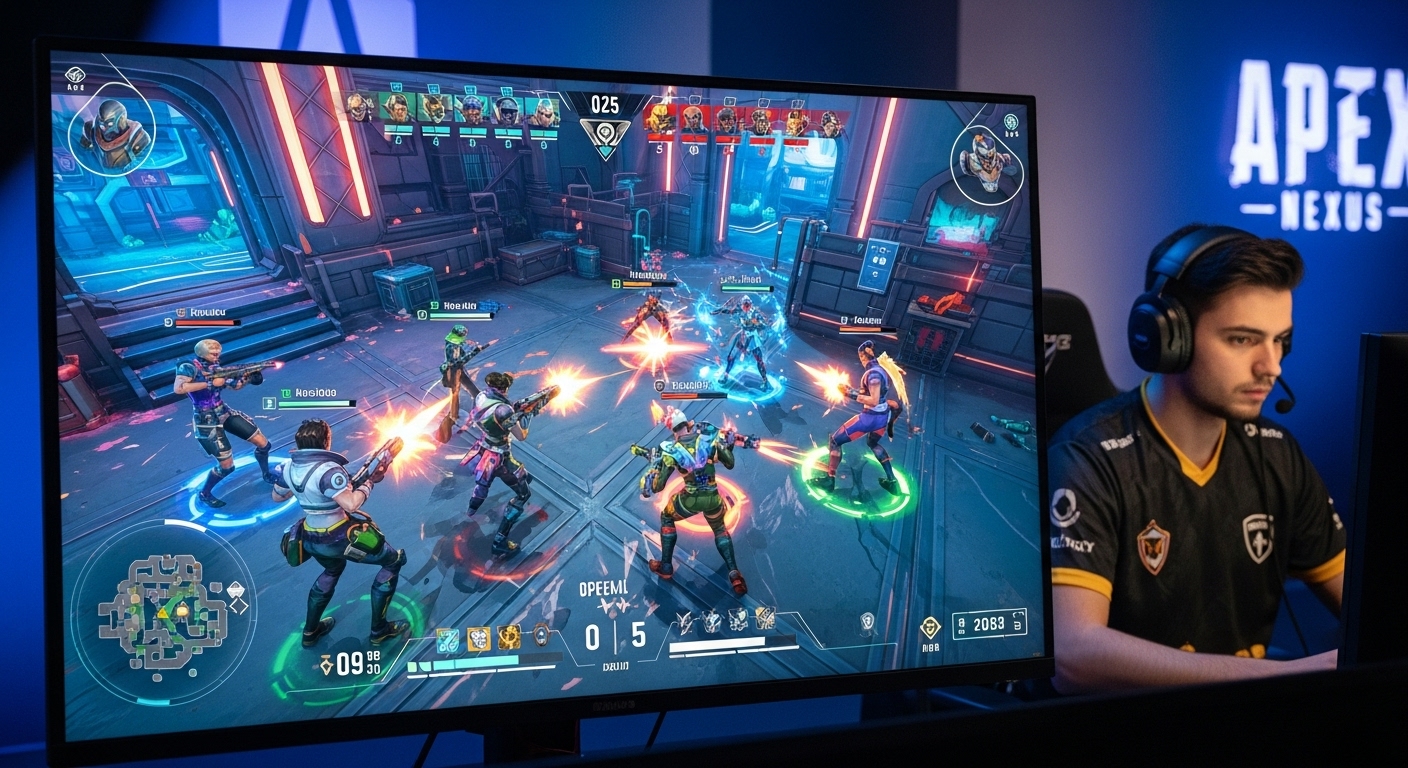
In the last two decades, a quiet revolution has taken place in the world of entertainment, creating a multi-billion-dollar industry that has captivated millions worldwide: eSports. What began as casual competitions between friends has evolved into a fully-fledged, highly organized, and professionally managed phenomenon. This transformation is one of the most profound changes in the world of sports and entertainment, attracting both players and fans from all corners of the globe. eSports has not only gained recognition as a legitimate form of competition but has also become a cultural force in its own right. In this blog post, we will explore the explosive growth of eSports, its impact on society, and its potential for the future.
The Origins of eSports: From Arcade Games to Global Tournaments
eSports did not emerge from nowhere. It has deep roots in the early days of video games. The first eSports competitions were informal and took place in the 1980s, largely in the form of arcade tournaments. Games like Pong, Space Invaders, and Pac-Man were the pioneers, drawing enthusiasts together to compete for high scores.
The real breakthrough for eSports, however, came in the 1990s with the rise of more complex and multiplayer games. Titles such as StarCraft, Warcraft II, and Quake laid the foundation for competitive gaming. These games allowed players to face off against each other online, a crucial step in the creation of a global competitive gaming community.
In the early 2000s, eSports truly began to take off with the advent of online gaming and streaming. As faster internet connections became more common and online platforms like Twitch and YouTube emerged, competitive gaming was no longer confined to local areas or small communities. It had the potential to reach millions of people worldwide.
The Rise of Professional eSports
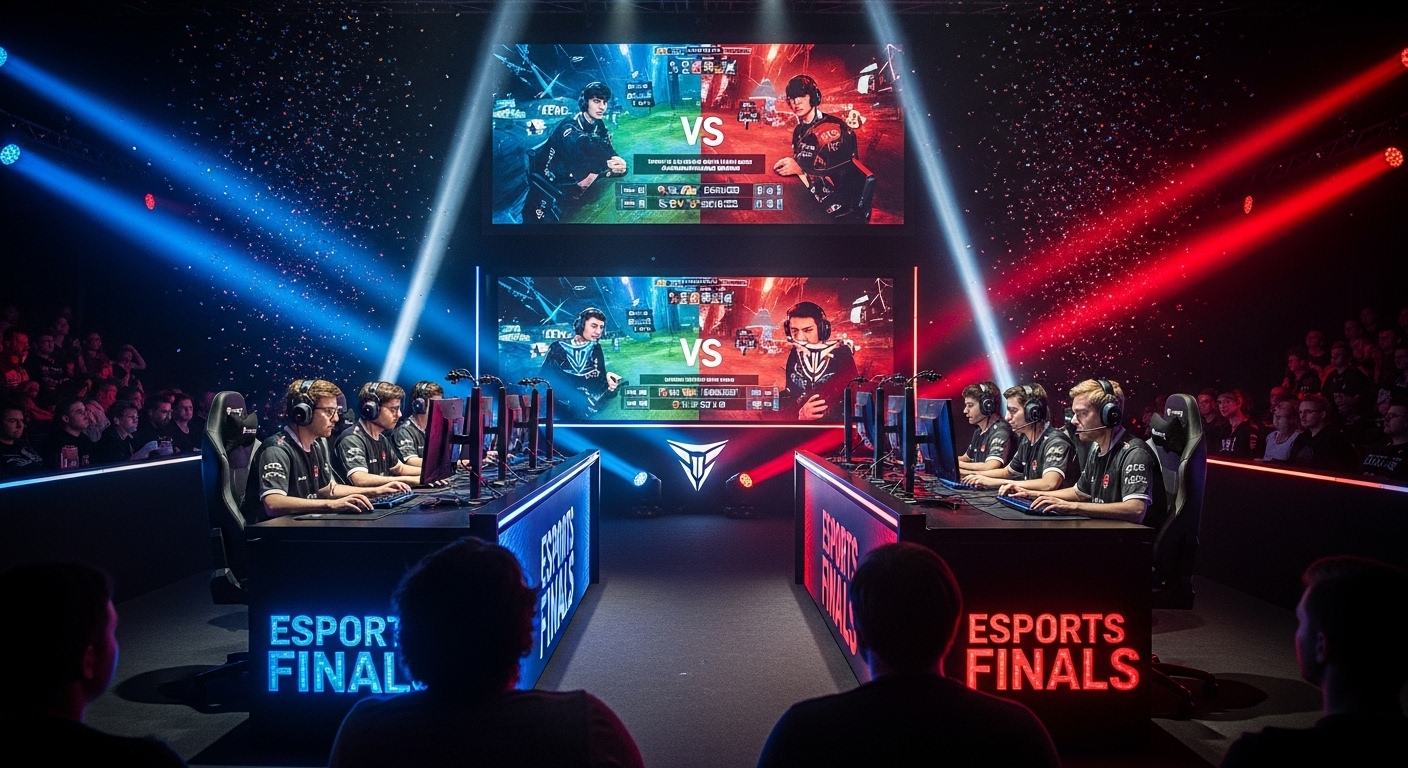
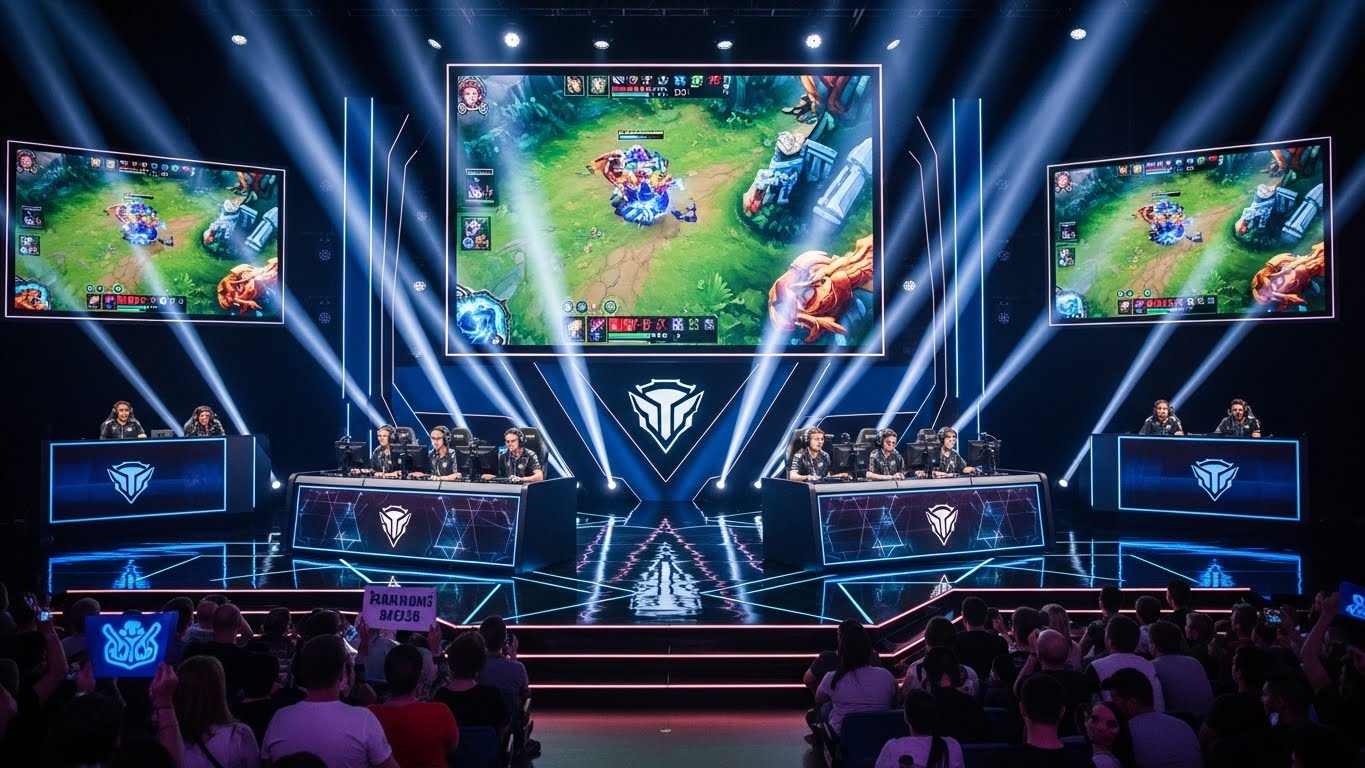
The 2010s marked the true rise of eSports as a professional sport. What began as a niche interest quickly grew into a global spectacle. Professional eSports organizations were established, and major tournaments like The International (for Dota 2) and the League of Legends World Championship began to offer prize pools in the millions of dollars. These events are now watched by millions of people worldwide, both in person and through live streams.
Teams began to form around popular games, signing players to contracts, providing them with coaches, analysts, and managers, much like any other professional sports organization. Sponsorships from major companies such as Coca-Cola, Intel, and Red Bull became common, infusing the industry with the financial support needed for further growth. Moreover, the prize money in these tournaments reached unprecedented levels, with The International offering prize pools exceeding $30 million in some years.
In addition to the tournaments themselves, eSports stars began to emerge, becoming celebrities in their own right. Players like Faker from League of Legends, KennyS from Counter-Strike: Global Offensive, and s1mple from CS:GO garnered huge fanbases, leading to lucrative sponsorship deals and making them recognizable figures both within and outside the gaming world.
The Role of Streaming Platforms in eSports
One of the key drivers behind the growth of eSports has been the advent of live streaming platforms like Twitch, YouTube Gaming, and Facebook Gaming. These platforms allow players and fans to watch live competitions, follow their favorite streamers, and engage with the community. Streaming has made eSports accessible to a global audience, breaking down the geographical barriers that once limited its reach.
Twitch, in particular, has played a pivotal role in making eSports a mainstream phenomenon. In addition to providing a platform for tournaments, it allowed individual gamers to broadcast their gameplay to an audience, giving rise to a new kind of celebrity: the streamer. These personalities, many of whom started with humble beginnings, now enjoy massive followings, often surpassing traditional celebrities in terms of fan engagement and loyalty.
The ability to interact with players and streamers in real time has also been a major factor in the rise of eSports. Fans can chat with their favorite players, ask questions, and participate in the community. This level of engagement creates a sense of connection between players and viewers, enhancing the appeal of eSports.
The Global Appeal of eSports
One of the most unique aspects of eSports is its truly global nature. Unlike traditional sports, where regional preferences often dictate which teams and athletes are the most popular, eSports transcends borders. A League of Legends match between teams from North America, Europe, and South Korea can draw millions of viewers from every continent. In fact, many of the most successful eSports teams and players come from regions where traditional sports are not as dominant.
In Asia, particularly in countries like South Korea and China, eSports is deeply ingrained in the culture. South Korea has long been a powerhouse in competitive gaming, with games like StarCraft and League of Legends having widespread followings. The nation’s government even recognized eSports as a legitimate profession, providing support for players and infrastructure. China has followed suit, becoming the largest market for eSports, with millions of gamers actively participating in and watching competitions.
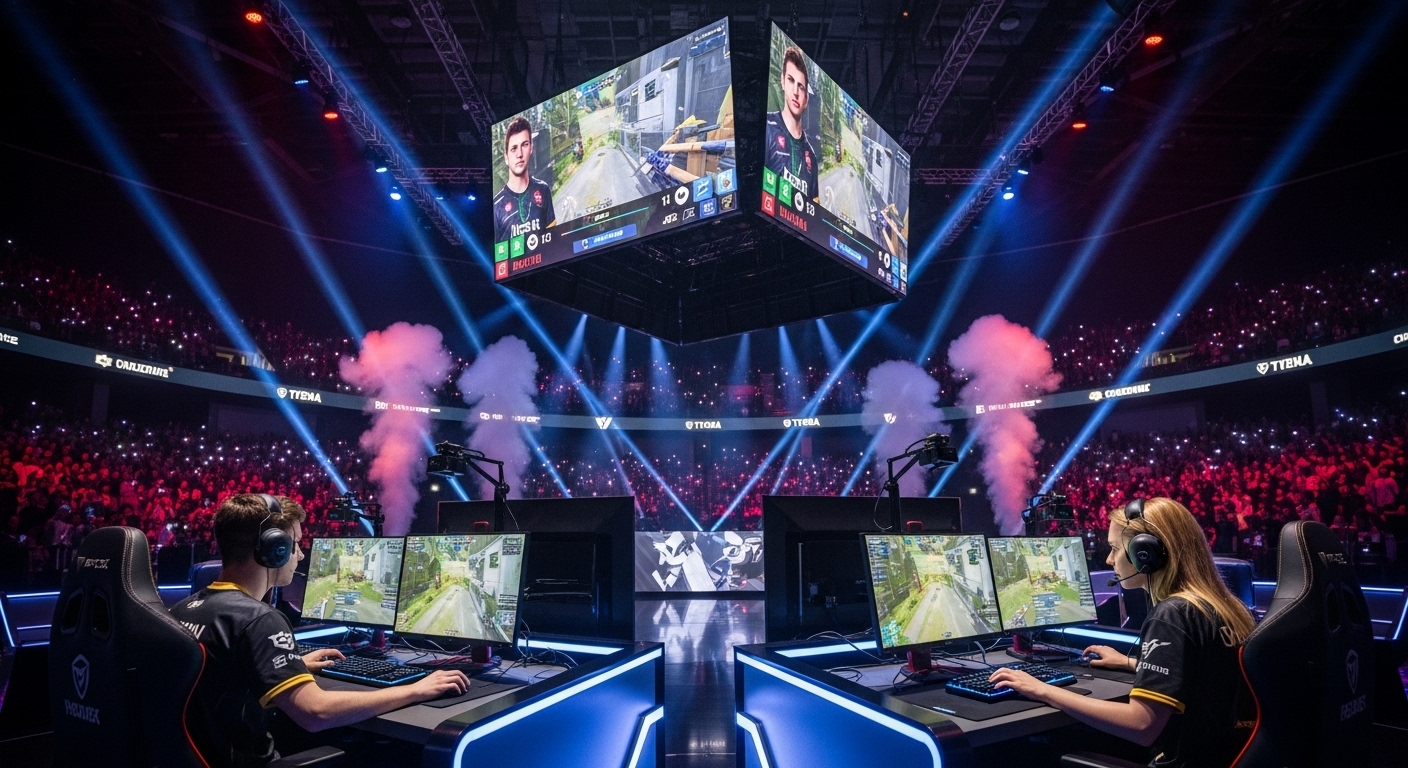
In the United States and Europe, the popularity of eSports has steadily grown, with tournaments now filling up large arenas and attracting mainstream media coverage. Even regions like Latin America and Southeast Asia have experienced explosive growth in eSports participation and viewership, making the industry truly global in scope.
eSports as a Career: New Opportunities for Players and Professionals
As eSports continues to grow, it is opening up a wide range of career opportunities for those interested in the industry. Professional players, of course, are the most visible part of this new world. Competitive gamers can earn money through sponsorships, tournament winnings, and streaming. The most successful players often make a living solely from their gaming skills, with some earning six-figure salaries.
However, eSports is not just for players. The industry also provides jobs in coaching, event organizing, broadcasting, marketing, content creation, and more. Many eSports teams employ analysts and coaches to help players improve their strategies, while production teams work behind the scenes to organize large-scale tournaments that are broadcast to millions of viewers.
Universities and colleges have also recognized eSports as a legitimate career path, offering scholarships to talented players and academic programs in game design, team management, and broadcasting. As a result, students now have the opportunity to turn their passion for gaming into a professional career.
The Challenges Facing eSports
Despite its rapid rise, eSports faces a number of challenges. One of the most significant issues is the lack of standardized rules and regulations across different games and regions. While some games like League of Legends and CS:GO have established official leagues with clear guidelines, other games still struggle to find consistency in terms of tournament formats, player contracts, and prize distribution.
Another challenge is the mental and physical toll that competitive gaming can take on players. The intense pressure to perform at a high level, long hours of practice, and the need for constant improvement can lead to burnout. This is particularly true for younger players, who may face intense scrutiny from fans and sponsors. As a result, the issue of player health—both mental and physical—has become a growing concern in the eSports community.
Cheating and match-fixing also remain persistent problems in eSports. While the industry has taken steps to combat cheating through anti-cheat software and monitoring systems, dishonest practices still occur, which undermines the integrity of competitions.
The Future of eSports
The future of eSports is incredibly bright. With technological advancements, such as virtual reality and augmented reality, there are exciting new possibilities for both players and fans. VR and AR could take eSports to a whole new level, creating more immersive and interactive experiences for viewers. Additionally, the continued expansion of 5G networks will enable faster and more stable connections, improving the quality of online gaming and streaming.
As eSports becomes even more mainstream, we can expect more traditional sports organizations to invest in and support competitive gaming. Major sports franchises, including the NBA, NFL, and European football clubs, have already established eSports teams, and this trend is likely to continue.
The integration of eSports into the Olympics has also been a topic of discussion. While it may take some time for eSports to become an official Olympic event, its increasing popularity suggests that it could one day be included as part of the global sporting landscape.
Conclusion: eSports – The Future of Entertainment
eSports is more than just a game—it is a global, multi-billion-dollar industry that is reshaping the way we think about competition and entertainment. From humble beginnings in local arcades to filling massive arenas, eSports has come a long way in a short period of time. Its appeal continues to grow, attracting players, fans, and sponsors from every corner of the globe.
As eSports continues to evolve, it will undoubtedly face challenges, but the opportunities it presents are vast. It is not just a spectator sport; it is an inclusive community, a professional career path, and a form of entertainment that connects millions of people worldwide. The future of eSports is not just promising—it’s already here, and it’s changing the world of competition as we know it.