
Introduction: The Rise of a New Kind of Sport
Esports has transformed from a small niche hobby into a global phenomenon that captivates millions of fans worldwide. Unlike traditional sports, which have centuries of history, esports is a product of the digital age, combining gaming, technology, and entertainment in unprecedented ways. What began as local tournaments among friends or small gaming communities has evolved into a multi-billion-dollar industry with professional players, international competitions, and dedicated fanbases. This blog explores how esports has grown, what drives its popularity, and the cultural and economic impact it has on the modern world.
The Origins of Competitive Gaming
The roots of esports can be traced back to the 1970s and 1980s when arcade competitions became popular. Players competed for high scores in games like Space Invaders, Pac-Man, and Donkey Kong, often appearing in local newspapers for their achievements. These early contests laid the foundation for organized competitive gaming.
With the arrival of personal computers and gaming consoles in the 1980s and 1990s, multiplayer gaming began to flourish. Titles like Doom, Quake, and Warcraft allowed players to challenge one another online, giving rise to the first small-scale esports tournaments. By the late 1990s and early 2000s, games such as StarCraft and Counter-Strike had established international competitive communities, setting the stage for esports to become a serious endeavor rather than just a hobby.
The Role of Technology in Esports Growth
The explosive growth of esports is closely tied to advances in technology. High-speed internet, powerful gaming hardware, and sophisticated streaming platforms have made it possible for players to compete globally in real time. Streaming platforms have allowed millions of viewers to watch tournaments live, creating a shared experience similar to traditional sports broadcasts.
Technological innovation has also impacted the way esports players train. Professional gamers now have access to advanced analytics tools, high-performance computers, and even custom-built gaming peripherals designed to enhance precision and reaction time. These innovations have turned competitive gaming into a discipline that requires both skill and dedication.
Why Esports Captivates Audiences
Esports attracts millions of viewers for several reasons. First, it combines the excitement of competition with the immersive worlds of video games. Unlike traditional sports, esports constantly introduces new characters, maps, and gameplay mechanics, keeping audiences engaged and invested.
Second, esports offers accessibility. Anyone with an internet connection can watch games, follow favorite players, or even participate in online tournaments. This global accessibility has helped create a vast and diverse community of fans.
Lastly, esports creates narratives similar to those in traditional sports. Rivalries, underdog stories, and moments of brilliance on the digital battlefield capture viewers’ imaginations, making every match a story worth following.
The Professionalization of Esports
Professional esports players now train rigorously, often dedicating eight to twelve hours a day to practice, strategy analysis, and teamwork exercises. Teams hire coaches, analysts, nutritionists, and psychologists to optimize player performance. This professionalization mirrors the structure of traditional sports and demonstrates that esports is much more than casual gaming.
Esports players also participate in leagues and tournaments with substantial prize pools. Major events like the League of Legends World Championship or Dota 2’s International Championship can offer millions in winnings. These high-stakes competitions attract global attention and have solidified the legitimacy of esports as a professional career path.
Popular Esports Games and Genres
Esports encompasses a wide variety of games and genres. First-person shooters like Counter-Strike and Call of Duty emphasize precision, reflexes, and team coordination. Multiplayer online battle arena games such as League of Legends and Dota 2 focus on strategy, communication, and long-term planning. Battle royale games like Fortnite and PUBG blend fast action with survival tactics.
Each game develops its own community, terminology, and fan culture, allowing players and viewers to find niches that suit their interests. This diversity has helped esports maintain broad appeal and reach audiences with varied gaming preferences.
Esports as a Spectator Sport
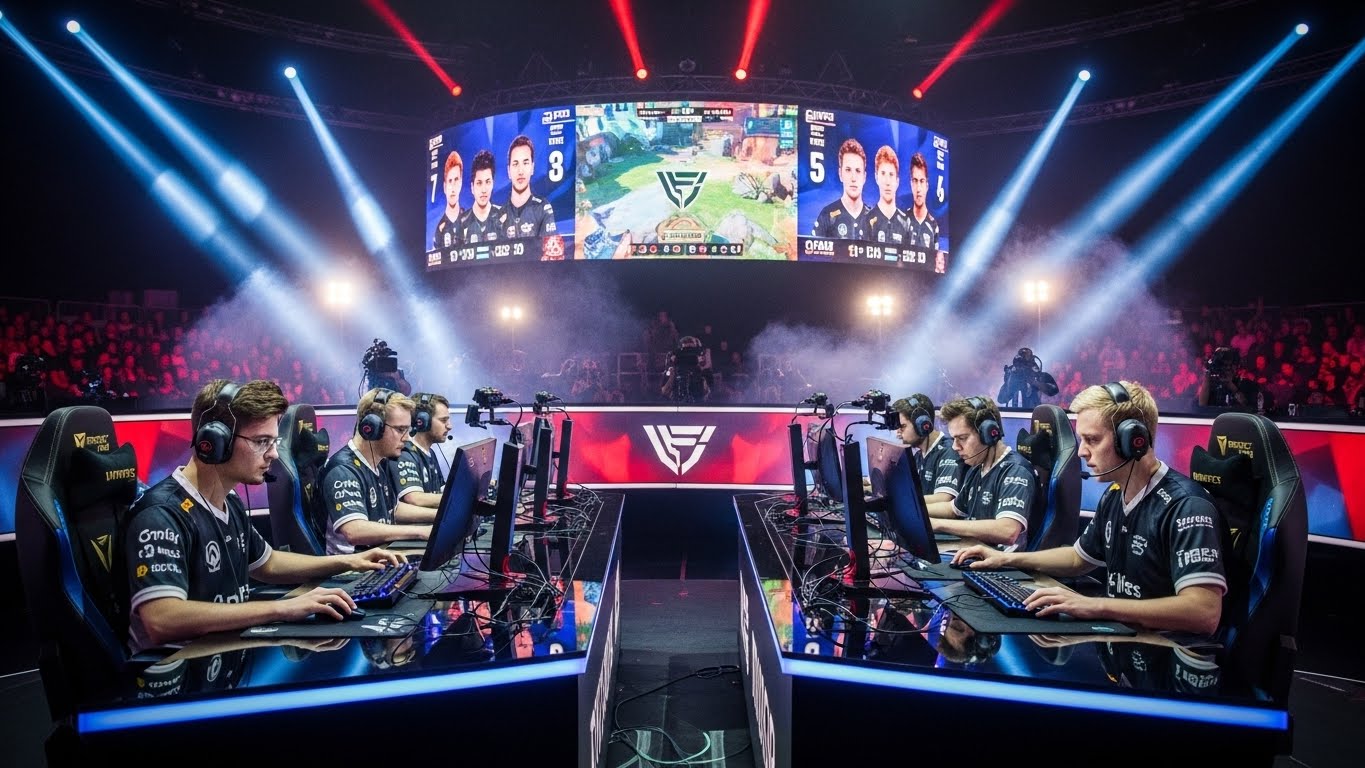
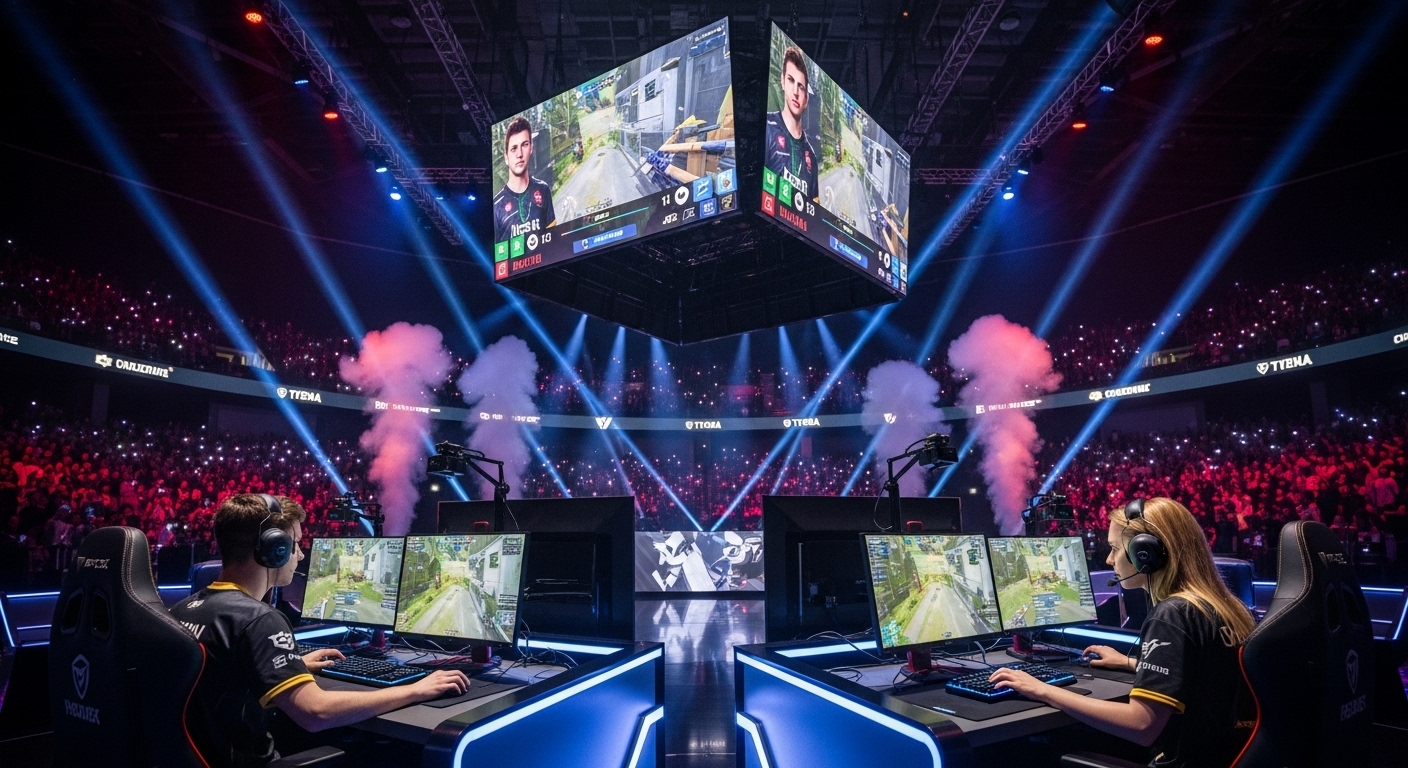
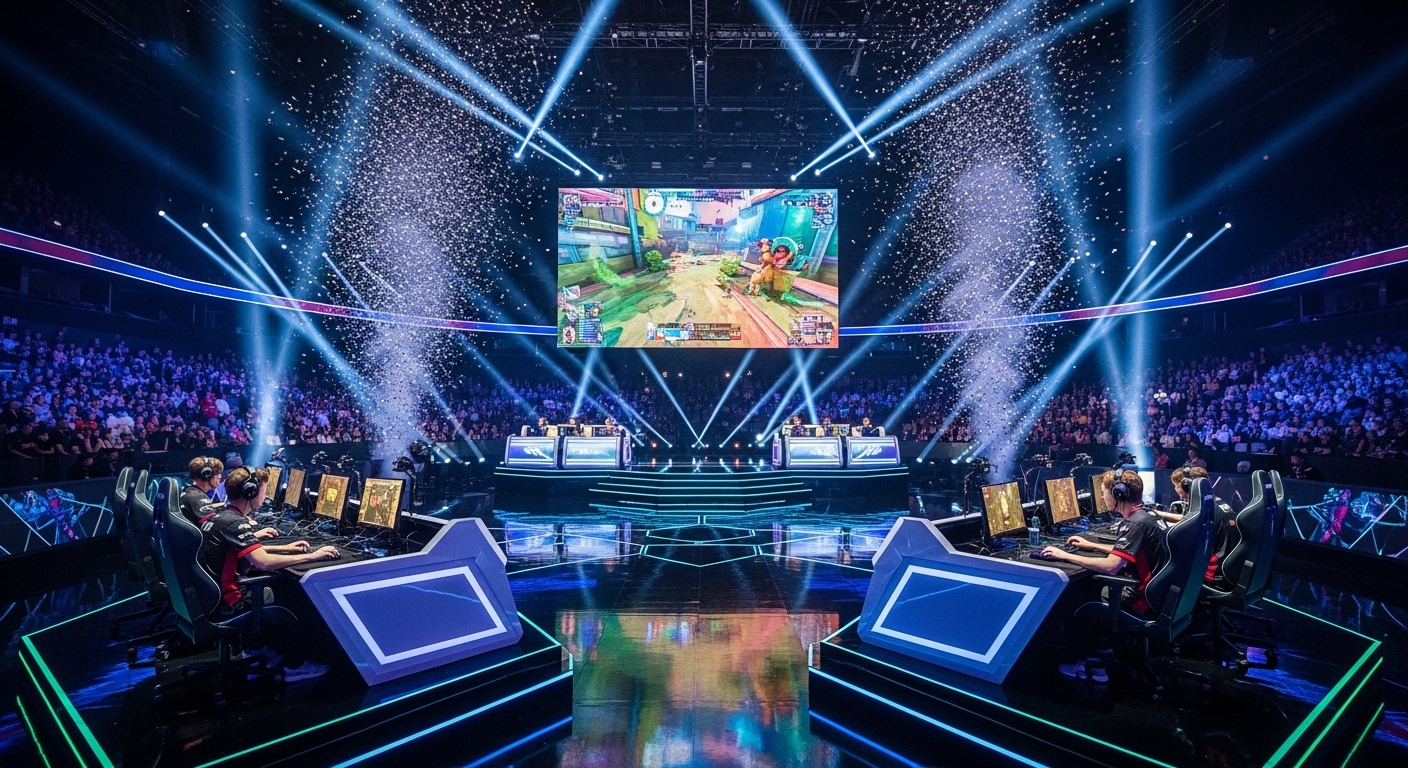
Watching esports has become a mainstream activity. Major tournaments are held in arenas that rival the size and spectacle of traditional sports venues. Fans attend in person, waving flags, wearing team jerseys, and participating in chants.
At the same time, digital streaming allows millions more to follow events online. Unlike traditional sports, esports spectators often interact through live chats, social media, and fan forums. This interactivity creates a sense of community and engagement that is uniquely digital.
The Economic Impact of Esports
Esports is a booming industry with a complex economic ecosystem. Revenue comes from advertising, sponsorships, merchandising, ticket sales, and media rights. Major global brands have recognized the potential of esports to reach younger audiences and invest heavily in tournaments, teams, and content creators.
The industry has also generated new career opportunities. Coaches, analysts, commentators, content creators, event organizers, and marketing professionals all contribute to esports’ growth. Many universities now offer esports scholarships and courses, highlighting the sector’s legitimacy and long-term potential.
The Influence of Content Creation
Streaming and content creation have been critical to esports’ expansion. Platforms like Twitch and YouTube allow players to broadcast gameplay, create tutorials, and share insights into their lives. Content creators build loyal audiences, promote games, and bring attention to competitive events.
This ecosystem of content creation has blurred the lines between professional players and entertainers. Many professional gamers supplement their careers by streaming, engaging with fans, and creating online content that keeps them relevant beyond tournament play.
Esports in Education
Schools and universities are increasingly embracing esports. Educational programs teach students strategic thinking, teamwork, communication, and digital literacy through gaming. Varsity esports teams compete in international tournaments, similar to traditional sports teams, creating new avenues for recognition and scholarships.
The inclusion of esports in education also challenges outdated perceptions that gaming is purely recreational. It demonstrates that competitive gaming can foster valuable skills and contribute to academic and professional development.
Health and Wellness in Esports
Esports is physically and mentally demanding. Long hours of practice, high-pressure competitions, and extensive screen time can take a toll on players. As a result, professional teams now prioritize physical fitness, mental health, and overall wellness.
Players engage in exercise routines, meditation, and mental coaching to improve focus and resilience. These practices enhance performance, prevent burnout, and extend careers, showing that esports requires discipline and self-care similar to traditional sports.
The Future of Esports
The future of esports is full of opportunities and innovation. Emerging technologies like virtual reality, augmented reality, and artificial intelligence will redefine gaming experiences and competition formats. Esports may integrate more immersive storytelling, interactive fan experiences, and even hybrid competitions blending physical and digital challenges.
Collaboration between traditional sports organizations and esports leagues is becoming increasingly common. Governments and institutions worldwide are beginning to recognize esports as an official sport, supporting its growth and legitimizing its role in global culture. The combination of technology, entertainment, and competitive spirit ensures that esports will remain a dominant cultural force for years to come.
Conclusion: Beyond the Screen
Esports is no longer just a pastime; it is a cultural movement, an economic force, and a professional pursuit. It unites people through shared experiences, offers career opportunities, and pushes the boundaries of entertainment. From local tournaments to massive global championships, esports reflects the power of digital technology to transform how we compete, connect, and enjoy games. As the industry continues to evolve, its influence will extend beyond gaming, shaping the future of sports, media, and community on a global scale.