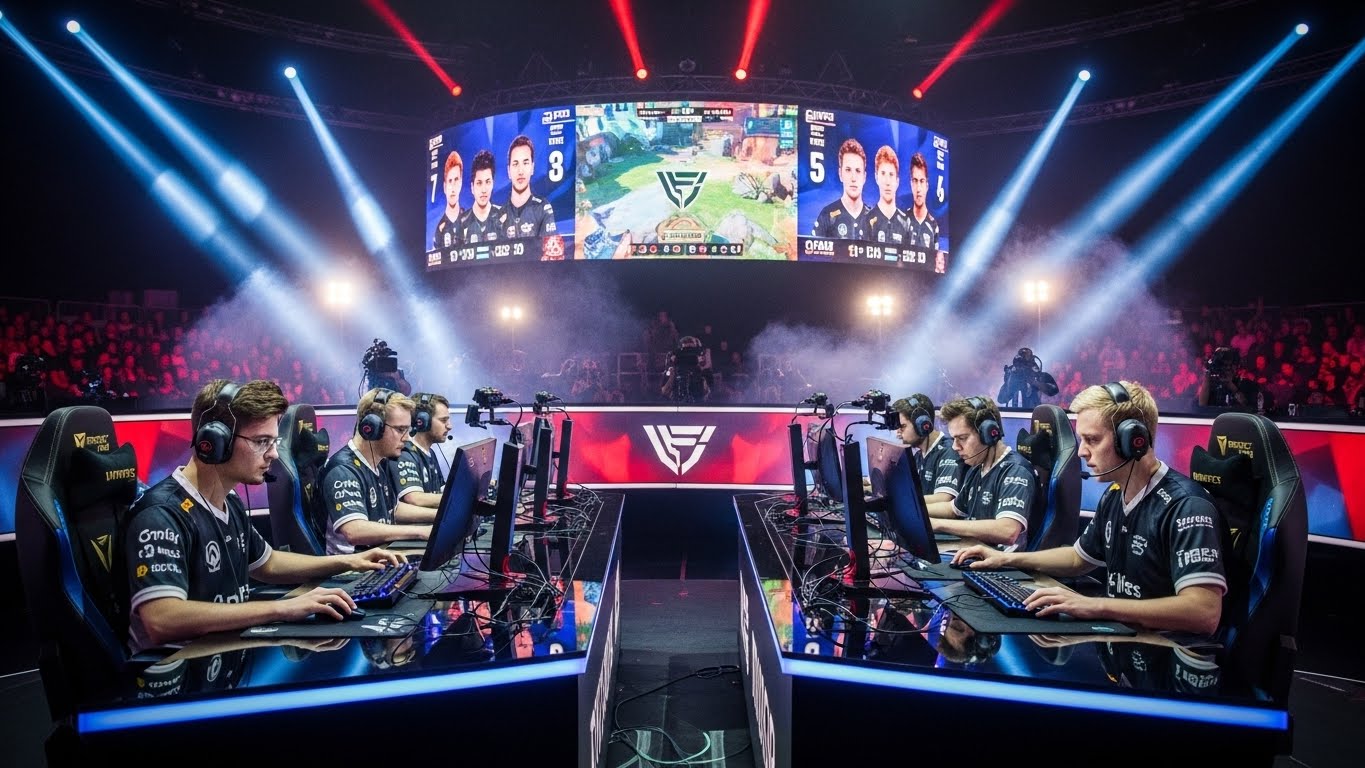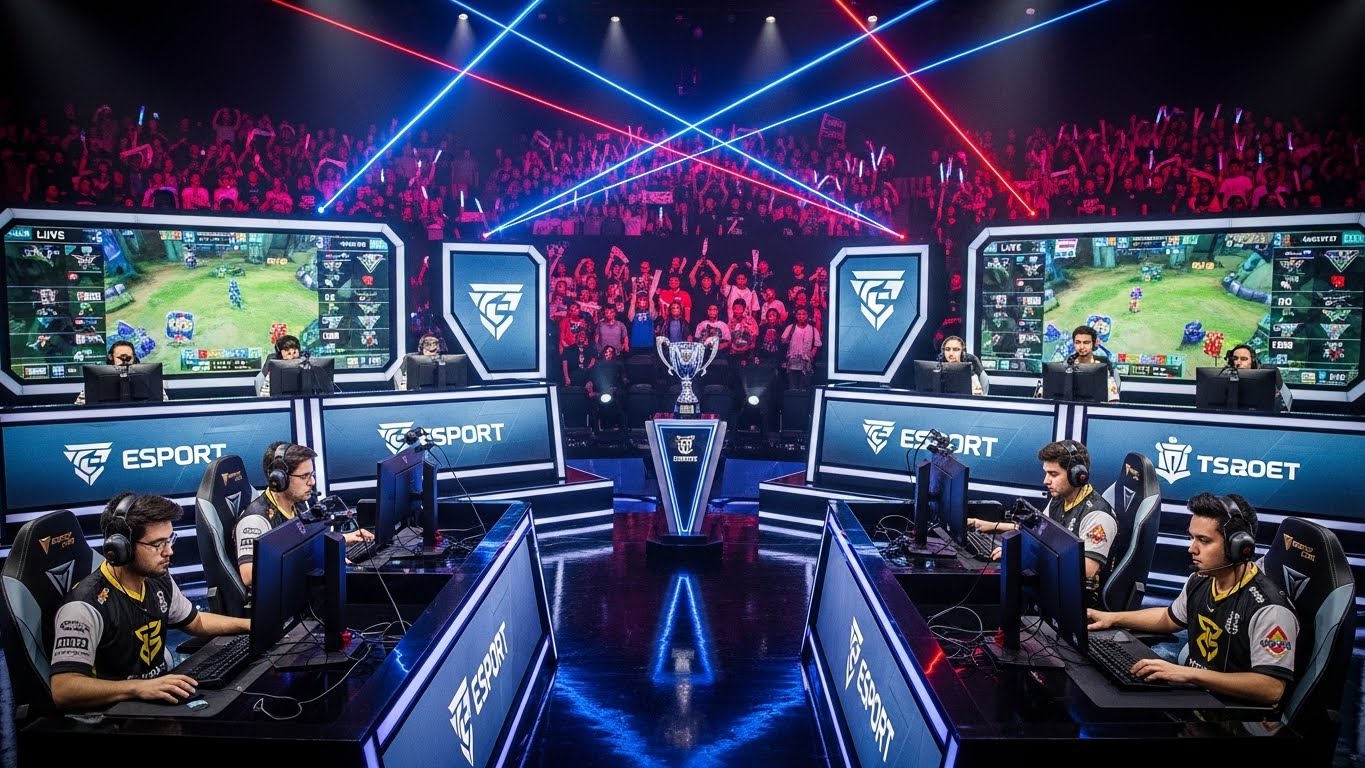
Esports, or electronic sports, has rapidly evolved into one of the most dynamic and influential industries in the world. What began as a niche hobby for gamers has grown into a multi-billion-dollar global phenomenon, attracting millions of viewers, massive sponsorships, and professional players. Esports today is a legitimate form of competition, comparable to traditional sports in terms of both structure and audience engagement. In this blog post, we will explore the rise of esports, how it has transformed the world of gaming, and what the future holds for this rapidly growing sector.
The Beginnings of Esports: From Hobby to Competition
The story of esports begins with the humble origins of video gaming in the late 20th century. In the 1990s, video games were primarily played for personal enjoyment, with multiplayer games like Doom and Warcraft offering players the chance to connect over local area networks (LANs) for the first time. Competitive gaming as a formalized structure didn’t exist at this point. Most players would engage in informal “friendly” competitions with friends, and the concept of organized tournaments was still largely underdeveloped.
However, the seeds for what would eventually become the esports industry were planted in the late 1990s and early 2000s. Quake, one of the first online multiplayer shooters, hosted a landmark tournament in 1997 called the Red Annihilation tournament, marking one of the first high-profile competitive events in gaming. Though the prize pool was modest by today’s standards, it demonstrated the potential for competitive gaming to thrive.
Throughout the early 2000s, gaming titles like StarCraft, Warcraft III, and Counter-Strike grew in popularity, and the first professional tournaments began to emerge. These tournaments attracted players from all over the world and helped establish the idea that gaming could be a serious competition. By the mid-2000s, The World Cyber Games (WCG) and DreamHack began drawing larger audiences, paving the way for esports to take on its modern form.
The Growth of Esports: The Rise of Organized Leagues and Streaming Platforms
The real tipping point for esports came with the rise of online streaming platforms. Twitch, launched in 2011, played a crucial role in changing how audiences interacted with competitive gaming. Twitch allowed fans to watch live broadcasts of professional gaming matches and provided a platform for gamers to create content and build communities around their favorite games. This streaming revolution allowed esports to reach a global audience and provided a new avenue for monetization through subscriptions, advertisements, and donations.
As the industry grew, major gaming publishers began to take notice of esports’ potential. Games like League of Legends, Dota 2, and Counter-Strike: Global Offensive became staples in the esports world, each with dedicated leagues and tournaments. The annual League of Legends World Championship, for instance, quickly became one of the most-watched esports events, regularly drawing viewership numbers on par with traditional sports finals. These events were broadcast live to millions of viewers worldwide and gained significant attention from major brands and sponsors.
The increase in viewership and sponsorships created a foundation for esports to grow even further. Major companies such as Intel, Nvidia, and Red Bull began investing in esports events and teams, providing not only the financial backing needed for tournaments but also increasing the overall visibility of competitive gaming. These sponsorships made esports more professional and allowed for larger prize pools, often in the millions of dollars.
The Professionalization of Esports: Teams, Salaries, and Sponsorships
By the mid-2010s, esports had begun to look like a professional sport. Teams such as Cloud9, Team Liquid, and Fnatic emerged, each with highly skilled players who competed at the highest level in various games. These teams signed players to multi-year contracts, offered coaching, and even established training facilities, much like traditional sports teams. Players were no longer just hobbyists; they were full-time professionals, making a living through sponsorships, salary contracts, and tournament winnings.
In addition to the traditional team-based structure, esports also saw the rise of individual stars. Players like Faker, Ninja, and s1mple became household names within the gaming community and earned fame and fortune through their skill, online presence, and brand endorsements. They became more than just players—they were influencers who shaped the culture of esports. Their success attracted even more players into the competitive scene, turning professional gaming into a viable career option for talented individuals.
As the industry continued to professionalize, so did its infrastructure. Esports organizations began to adopt the management structures seen in traditional sports teams. They hired coaches, analysts, and psychologists to help players refine their skills, improve their mental toughness, and maintain a healthy lifestyle. The level of competition and professionalism within esports began to mirror that of traditional sports leagues.
Esports and the Mainstream: Acceptance Among Major Industries
As esports continued to gain popularity, it began to earn recognition from mainstream industries and traditional sports organizations. In 2016, ESL One, a major esports tournament, was broadcast on the ESPN network, marking one of the first times that a major cable sports network aired an esports event. This was a huge step toward the mainstream acceptance of esports as a legitimate form of competition.
The global growth of esports eventually caught the attention of major international sporting bodies as well. In 2018, the International Olympic Committee (IOC) began discussions about the future of esports in the context of the Olympic Games, acknowledging its growing influence and global reach. This conversation led to the formation of the Global Esports Federation and sparked debates about whether esports should be officially recognized as an Olympic sport.
Furthermore, major traditional sports organizations began to invest in esports. In 2018, The Overwatch League was launched, a professional esports league backed by Activision Blizzard. The league featured city-based teams similar to traditional sports leagues like the NBA and NFL, with franchise-based ownership models and large-scale events. The idea of professional esports leagues following the same structure as major sports leagues added credibility to the industry, signaling that esports had earned its place in the world of professional sports.
The Economics of Esports: Sponsorships, Revenue Streams, and Investments
A key factor behind the growth of esports is its economic model. With massive viewership comes substantial revenue generation opportunities. The esports ecosystem has multiple revenue streams, including sponsorships, broadcasting rights, merchandise sales, ticket sales, and player streaming. Companies like Intel, Coca-Cola, and Audi have partnered with esports organizations and tournaments to advertise their products to a highly engaged audience. These partnerships contribute millions of dollars in revenue to the esports industry each year.
In addition to sponsorships, media rights deals play a significant role in the financial landscape of esports. Streaming platforms like Twitch, YouTube, and Facebook Gaming have lucrative agreements with tournament organizers to broadcast live events, with some tournaments also being broadcast on cable networks. The monetization of esports has allowed both players and organizations to generate significant revenue, and it has attracted investors looking to capitalize on the industry’s rapid growth.
As the esports industry matures, more venture capitalists and private equity firms are investing in esports startups and organizations. These investments have helped create a more sustainable ecosystem and opened up new opportunities for growth, such as esports arenas, esports education programs, and even esports betting. This influx of capital has further cemented esports as a cornerstone of the entertainment industry.
The Future of Esports: Trends and Innovations
As esports continues to evolve, several key trends are shaping the future of the industry.
- Virtual and Augmented Reality (VR/AR): The integration of VR and AR technologies has the potential to revolutionize esports. Imagine players competing in fully immersive virtual environments, where they can physically move within the game world. These technologies could introduce new gameplay experiences, bringing esports to an entirely new level of interactivity.
- Global Expansion: While esports has already seen massive growth in regions like North America, Europe, and Asia, it is expected to expand even further into Latin America, Africa, and the Middle East. These regions have large populations of young, tech-savvy individuals who are eager to embrace gaming and esports. As internet infrastructure improves worldwide, esports will continue to become more globally accessible.
- Diversity and Inclusion: The future of esports will also be shaped by greater diversity and inclusion. While esports has traditionally been male-dominated, there has been a growing push to involve more women and underrepresented groups in the scene. Organizations and tournament organizers are actively working to create more inclusive environments where everyone, regardless of gender or background, can compete.
- Esports as a Career Path: As the industry matures, esports will become a more established career path for aspiring players, coaches, analysts, and other professionals. Esports academies and university programs dedicated to training the next generation of esports professionals are already starting to emerge. With more resources and support, players can pursue careers in esports from a younger age.
Conclusion: Esports as a Global Phenomenon
Esports has come a long way from its humble beginnings as a hobby. What was once a fringe activity has blossomed into a global phenomenon, with millions of viewers, professional players, and lucrative sponsorships. The growth of esports has had a profound impact on the gaming industry, and it is clear that competitive gaming is here to stay. As the industry continues to evolve, esports will undoubtedly play an even larger role in the world of sports and entertainment.
Looking ahead, the future of esports is bright. With new technologies, a global audience, and a thriving professional ecosystem, esports is positioned to continue its upward trajectory. Whether you are a player, a fan, or an investor, there has never been a better time to be involved