Introduction
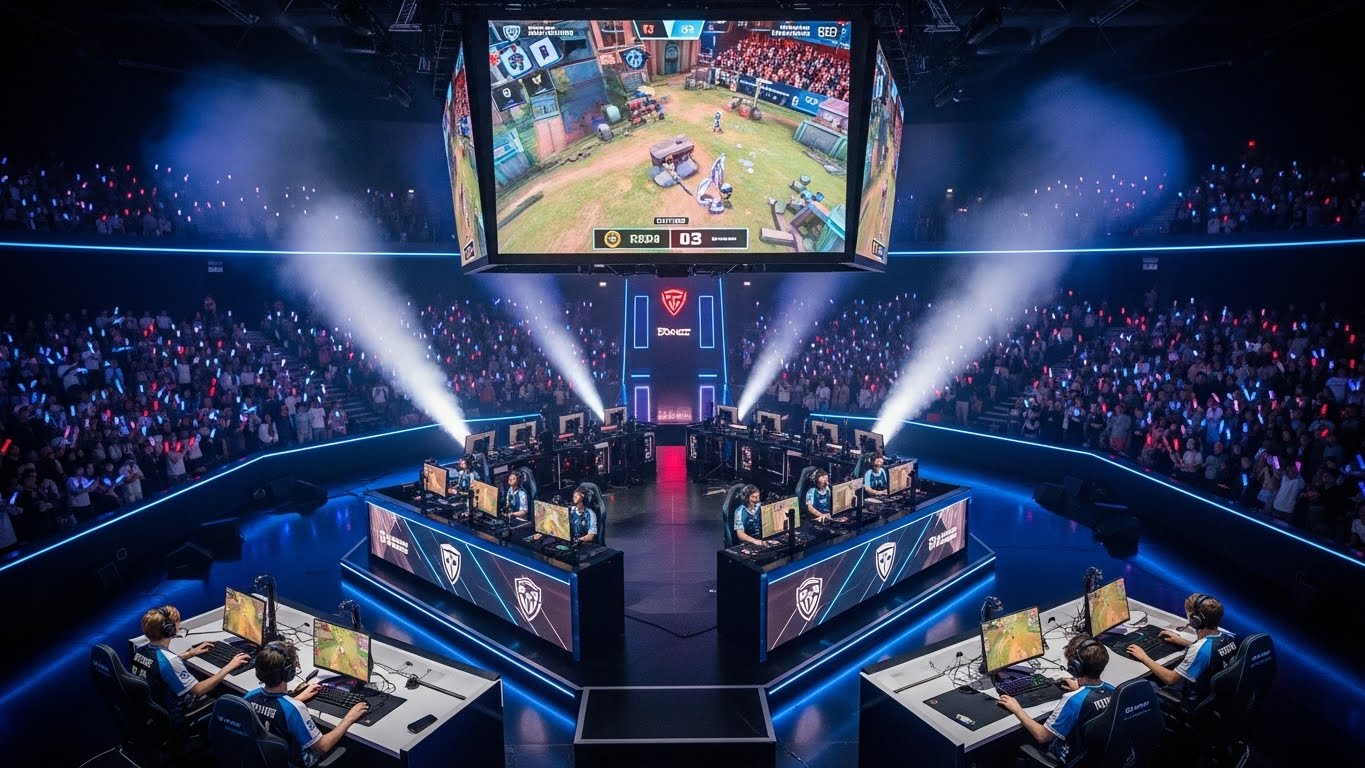
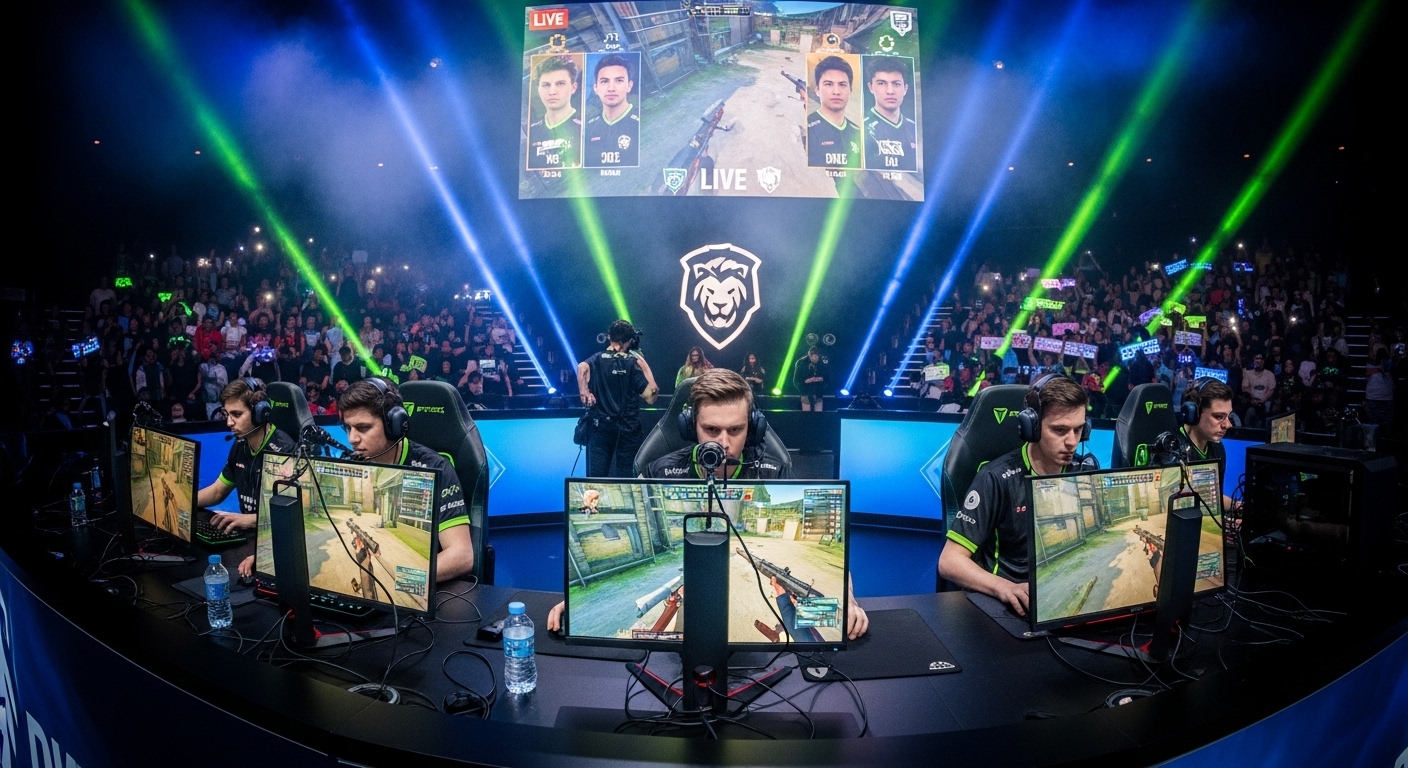
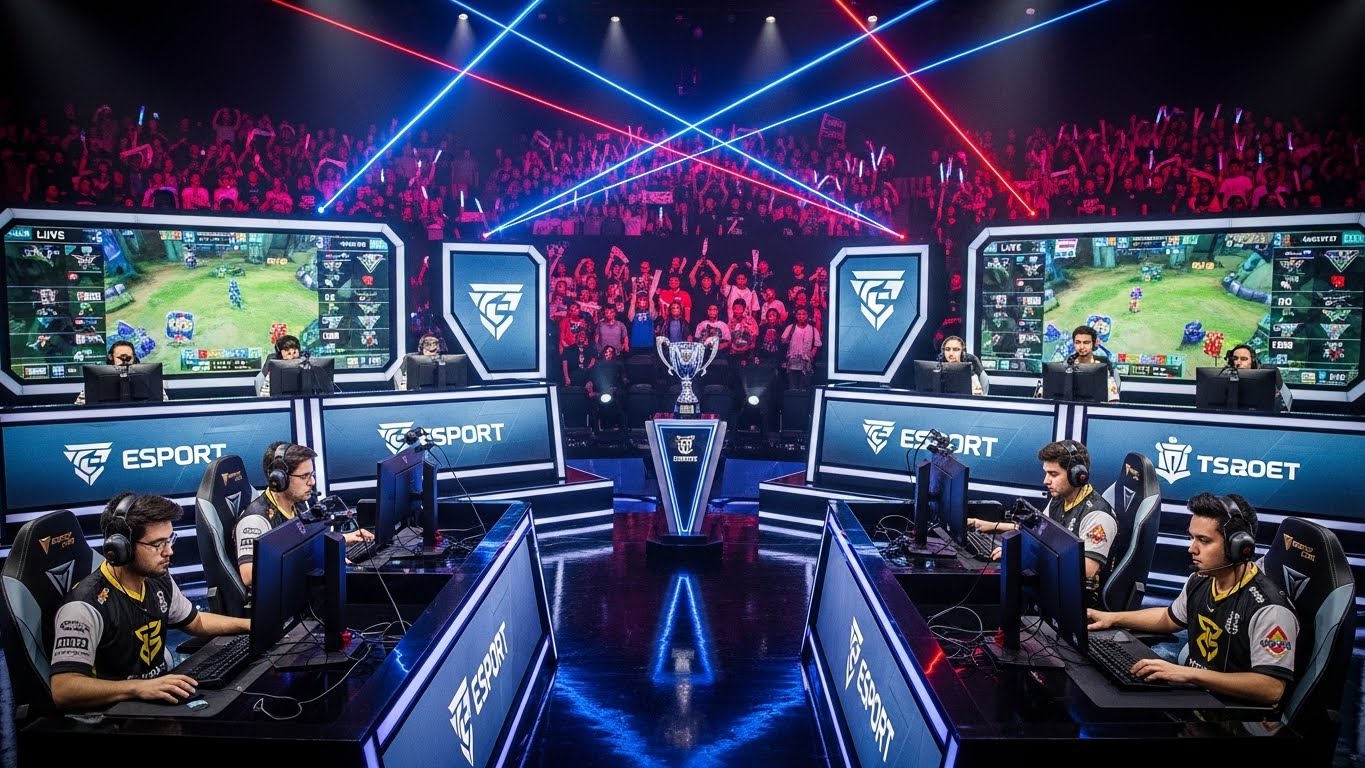
Esports has grown from a small niche hobby into a massive global industry that attracts millions of players, viewers, and investors. What once existed only in gaming cafes and small tournaments has now reached packed stadiums, professional leagues, and international recognition. Esports is more than just gaming; it is a fusion of skill, strategy, teamwork, and technology that mirrors the structure of traditional sports. As the digital world expands, esports continues to emerge as a powerful cultural and economic force. This blog explores the evolution of esports, its impact on society, and why it has become one of the most influential movements of the modern era.
The Rise of Competitive Gaming
The roots of esports can be traced back to early arcade competitions and the first computer game tournaments. Over time, advancements in technology, internet connectivity, and the accessibility of gaming devices propelled esports into mainstream culture. Competitive titles such as strategy games, multiplayer battle arenas, first-person shooters, and battle royale games attracted players from all around the globe. As online platforms grew, esports gained momentum, turning casual gamers into potential professionals. What began as small LAN parties has evolved into massive international events with dedicated fan communities and structured professional teams.
The Professionalization of Esports
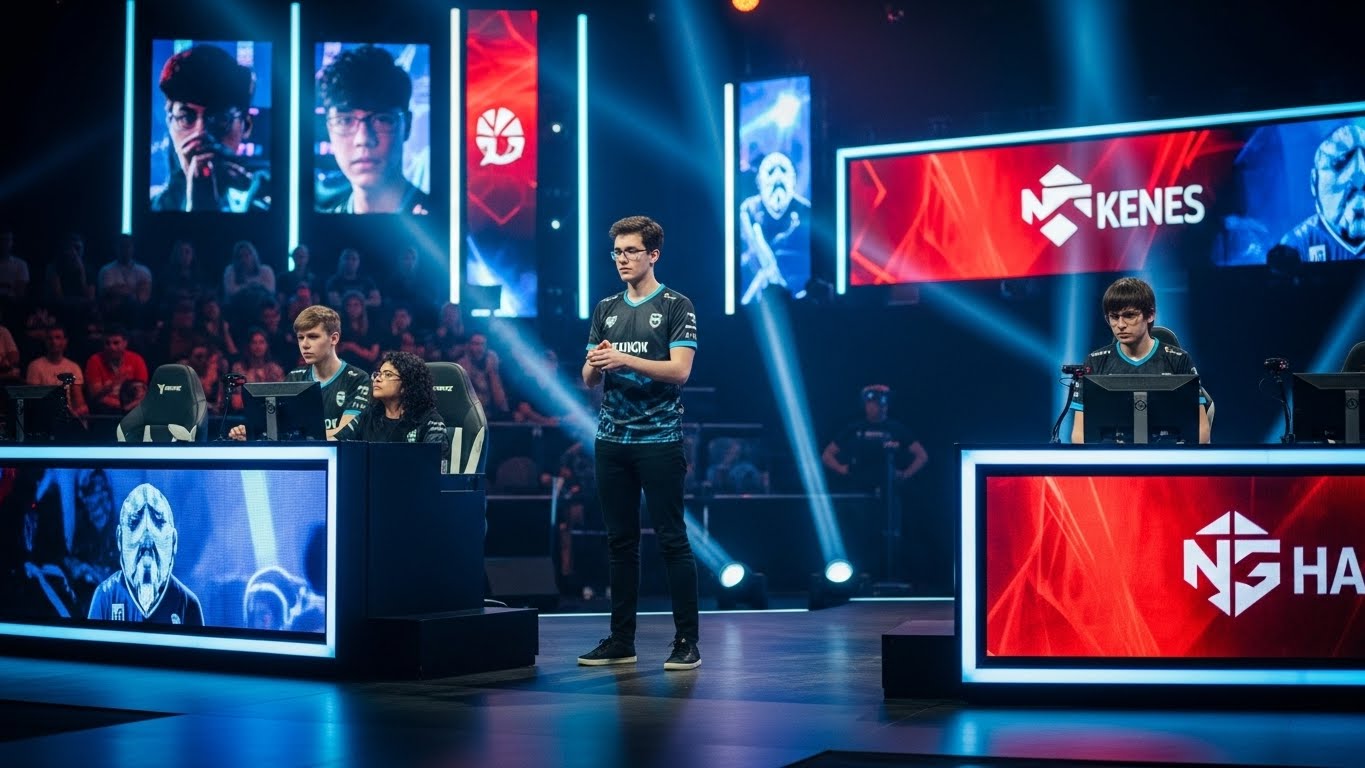
Esports has established itself as a legitimate career path. Professional players undergo rigorous training schedules, work with coaches, and analyze game data to improve their performance. Teams are organized with managers, analysts, psychologists, and media personnel. Just like traditional athletes, esports competitors focus on mental stamina, strategy, communication, and discipline. Careers in esports extend beyond players; commentators, analysts, content creators, video editors, event organizers, and marketing professionals all contribute to the ecosystem. The sheer number of roles demonstrates how esports has grown into a structured, sophisticated industry.
Technology as the Driving Force
The incredible rise of esports would not have been possible without technological advancements. High-performance gaming computers, next-generation consoles, and optimized mobile devices make competitive gaming accessible to millions. Internet speeds and online matchmaking systems allow players from different countries to compete in real time. Software tools help teams evaluate strategies, analyze weaknesses, and improve training efficiency. Innovations such as virtual reality and augmented reality are expected to reshape the future of esports even further. Technology not only supports esports but continuously elevates it by enabling fair play, enhancing performance, and improving the viewer experience.
Cognitive and Strategic Benefits of Esports
Esports offers significant cognitive benefits. Competitive gaming challenges players to make rapid decisions, maintain awareness of multiple elements simultaneously, and adapt to ever-changing situations. Strategic thinking, problem-solving, and critical planning are essential skills in many esports titles. Players must understand their opponents’ tendencies, anticipate movements, and execute plans with precision. Communication skills also improve as players coordinate strategies with teammates under pressure. The mental agility required in esports often mirrors that of professionals in high-stress careers, proving that gaming can enhance intellectual performance in meaningful ways.
Esports and Social Interaction
Gaming has long been misunderstood as an isolated activity, but esports paints a very different picture. Online platforms bring together players from different countries, cultures, and backgrounds, fostering global friendships and social networks. Team-based esports teach cooperation, leadership, and conflict resolution. Gaming communities celebrate victories, support new players, and even mentor aspiring competitors. Offline events, such as tournaments and conventions, also provide opportunities for fans and players to meet face-to-face. For many, esports is a way to connect, communicate, and feel part of a supportive community that shares common interests and goals.
The Economic Power of Esports
Esports has grown into a financially powerful industry. Revenue is generated through sponsorships, merchandising, advertisements, tournament tickets, and digital purchases. Major corporations see esports as an opportunity to reach younger, tech-savvy audiences. Professional organizations sign sponsorship deals with well-known brands in technology, gaming equipment, fashion, and lifestyle. The economic influence of esports extends beyond tournaments. Cities hosting major events benefit from tourism, while companies hire thousands of employees to support esports operations. The financial potential of esports continues to rise, making it a major contributor to the global digital economy.
Inclusivity and Diversity in the Digital Arena
Esports offers an environment where skill, strategy, and dedication matter more than physical attributes. Players of any gender, age, or physical ability can compete at high levels. This inclusivity opens doors for people who may not have opportunities in traditional sports. Women’s participation in esports is growing steadily, with dedicated communities and tournaments promoting equality. Esports also breaks economic barriers by offering low-cost entry points for players. All that is required is a device, an internet connection, and passion for the game. This accessibility empowers individuals from diverse backgrounds to showcase their talents on a global stage.
Esports in Education and Skill Development
Educational institutions around the world are now integrating esports into their programs. Schools and universities offer esports clubs, competitive teams, scholarships, and even specialized courses. Students who participate in esports develop skills such as communication, teamwork, time management, and strategic planning. These skills are highly valuable in academic settings and future careers. Esports programs also introduce students to technology-related fields such as game design, programming, digital marketing, and content creation. By recognizing the educational value of esports, institutions help nurture the next generation of leaders in the digital economy.
Mental Health Awareness in Esports
As esports grows in prominence, mental health has become an important topic within the community. The pressure to perform, long training hours, and high expectations can lead to burnout and stress. Professional teams now emphasize the importance of mental health by incorporating wellness programs, counseling, and balanced training schedules. Maintaining physical activity, healthy routines, and social connections is essential for long-term success in esports. The industry’s efforts to support mental well-being reflect its maturity and commitment to creating a healthy competitive environment for players at all levels.
Esports and Global Influence
Esports has become a global cultural movement. International tournaments bring players and fans together from dozens of countries, showcasing unity and healthy competition. Players become global icons, influencing fashion, entertainment, and lifestyle trends. Nations invest in esports facilities, training programs, and development initiatives. The international appeal of esports demonstrates its ability to cross borders, languages, and cultural barriers. It is a modern example of how digital platforms can connect humanity in meaningful and exciting ways.
The Future of Esports
The future of esports is filled with promising possibilities. Emerging technologies such as cloud gaming, virtual reality, and artificial intelligence will transform how esports is played and viewed. Professional leagues will continue to expand, offering more opportunities for aspiring players. Esports may become integrated into traditional sporting events, creating hybrid competitions that blend the physical and digital worlds. As more countries recognize esports as an official sport, the industry will gain further legitimacy and support. The next decade will likely see esports evolve into one of the most influential forms of entertainment and competition across the world.
Conclusion
Esports is no longer just about video games; it is a global ecosystem of competition, creativity, innovation, and community. It empowers individuals with opportunities for professional growth, cognitive development, and social connection. It breaks barriers, embraces diversity, and inspires millions of people to pursue their passions. As technology continues to advance, esports will expand into new territories, shaping the future of entertainment and human interaction. Esports is not merely a trend; it is a revolution that continues to redefine what competition means in the digital age. The world of esports is a testament to human imagination and the limitless possibilities of virtual competition, proving that victory can be just as meaningful in digital arenas as it is on physical fields.