Esports, short for electronic sports, has emerged as one of the most dynamic and rapidly growing industries of the twenty-first century. What was once considered a niche hobby for gamers has transformed into a global phenomenon that attracts millions of players, fans, and investors. Today, esports rivals traditional sports in viewership, sponsorship, and cultural significance. The rise of competitive gaming reflects a shift in how people define entertainment, competition, and even career opportunities. In this blog, we explore the evolution of esports, its societal impact, the professional opportunities it creates, the role of technology, and the challenges and future prospects of this digital revolution.
The Origins and Evolution of Esports
Esports has humble beginnings that date back to the 1970s and 1980s when early arcade competitions and gaming contests emerged. Titles like Pong, Space Invaders, and Pac-Man became the center of organized tournaments, attracting local players and small crowds. However, it wasn’t until the 1990s, with the rise of personal computers and networked gaming, that competitive gaming began to gain a wider audience. Games such as StarCraft, Counter-Strike, and Warcraft III laid the foundation for modern esports by introducing multiplayer competitive gameplay on a global scale. The growth of high-speed internet, streaming platforms, and gaming communities in the 2000s accelerated esports’ popularity, transforming it into a professional and highly organized industry. Today, esports spans hundreds of games, from first-person shooters and real-time strategy titles to battle royale and multiplayer online battle arena games, creating a diverse ecosystem of competitive gaming.
Competitive Structure and Global Tournaments
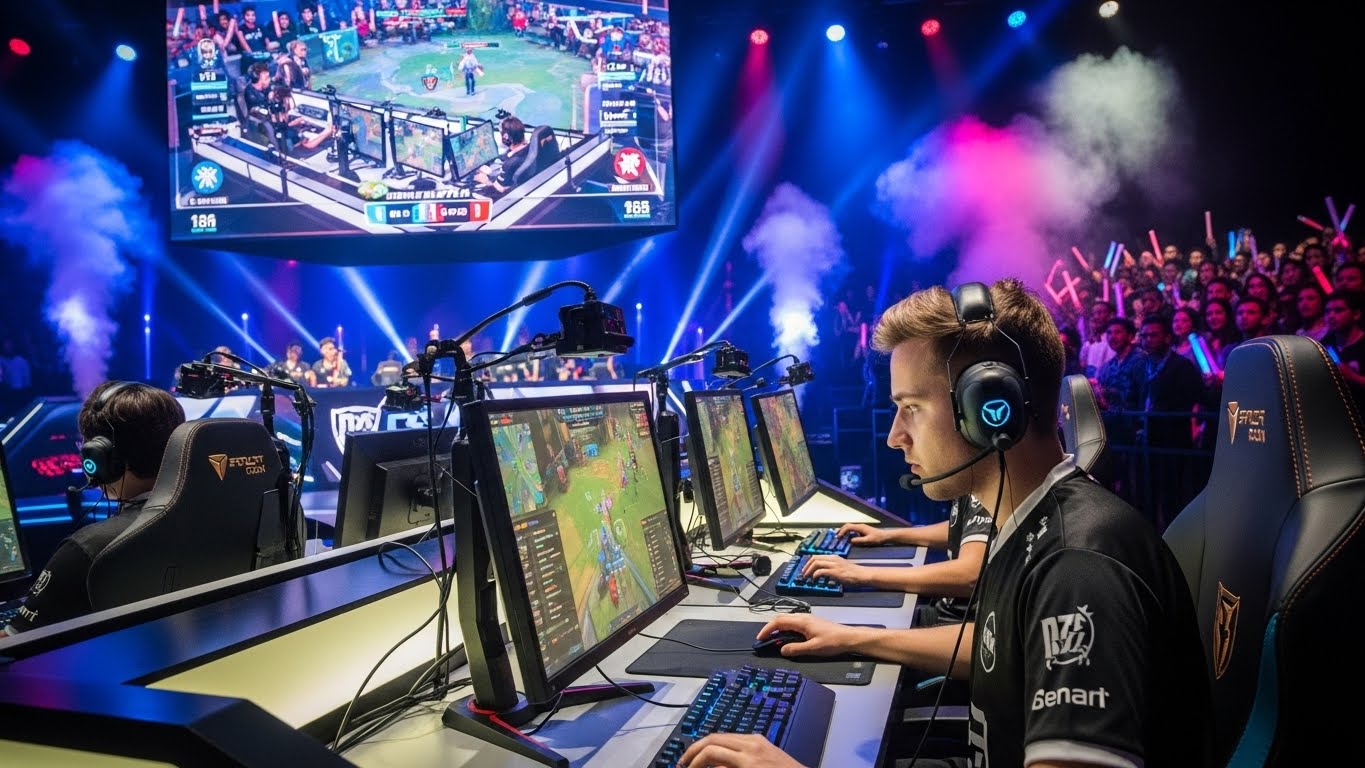
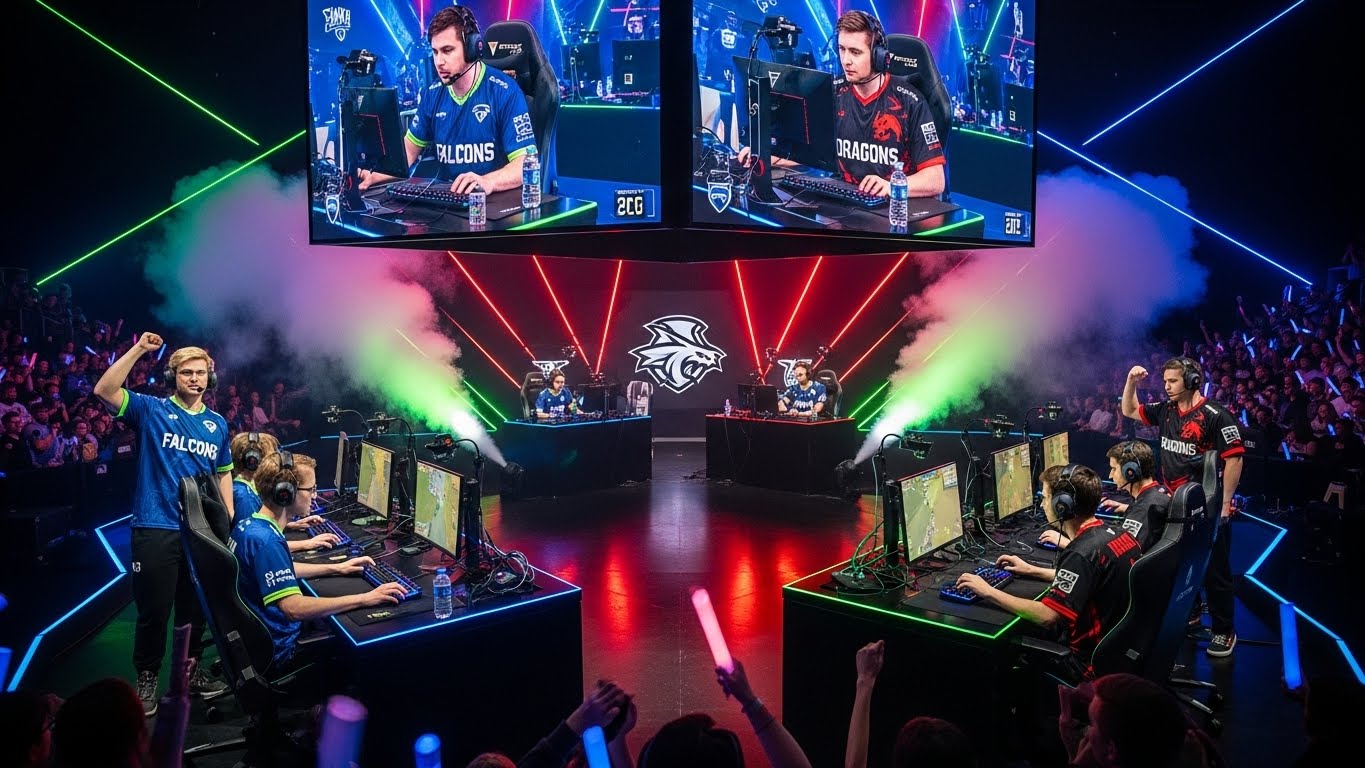
Esports has developed a structured competitive landscape that mirrors traditional sports leagues. Professional players compete in local, regional, and international tournaments, often within organized leagues that feature rankings, playoffs, and championships. Games like Dota 2, League of Legends, Fortnite, and Call of Duty have established global competitions with multi-million-dollar prize pools. These tournaments are not limited to physical venues; online competitions allow players from around the world to compete without leaving their homes. Professional teams invest heavily in coaching, strategy analysis, and performance monitoring to maintain a competitive edge. The competitive structure fosters skill development, teamwork, and innovation, while also creating opportunities for fans to engage with the esports ecosystem through live broadcasts, commentary, and interactive experiences.
Esports as a Professional Career
One of the most transformative aspects of esports is its legitimacy as a professional career path. Top players earn substantial incomes from tournament winnings, sponsorships, merchandise sales, and streaming revenue. Unlike traditional sports, esports players often start their professional journey at a young age, leveraging online platforms to showcase their skills and attract team contracts. Beyond players, the esports industry provides career opportunities in coaching, event management, broadcasting, content creation, marketing, and technical support. Many universities now offer esports programs and scholarships, recognizing the educational and professional potential of competitive gaming. Pursuing a career in esports requires dedication, discipline, and strategic thinking, making it a viable and rewarding path for talented individuals worldwide.
Technology as the Backbone of Esports
Technology plays a central role in the growth and accessibility of esports. High-performance gaming hardware, low-latency internet connections, and advanced peripherals enable players to compete at the highest level. Streaming platforms such as Twitch, YouTube Gaming, and other live broadcast services have revolutionized how fans consume esports content, creating interactive communities and global fan bases. Performance analytics tools allow teams to evaluate gameplay, refine strategies, and identify opponents’ weaknesses. Virtual reality and augmented reality technologies are beginning to offer immersive experiences for both players and spectators, further expanding the possibilities of esports. Without technological innovation, esports would not have achieved its current level of professionalism and global reach.
Cognitive and Psychological Benefits
Competitive gaming is often misunderstood as a purely recreational activity, but esports provides significant cognitive and psychological benefits. Players develop strategic thinking, problem-solving skills, multitasking abilities, and quick decision-making under pressure. Team-based games foster communication, leadership, and collaboration, while individual games emphasize self-discipline and focus. Participating in esports can also improve mental resilience, as players learn to handle losses, setbacks, and high-pressure situations. Professional teams incorporate mental coaching and performance psychology to optimize focus and emotional regulation, recognizing the importance of mental well-being in achieving consistent success. Far from being a passive activity, esports challenges the mind and strengthens essential cognitive abilities.
Physical Health and Ergonomics in Gaming
Contrary to common stereotypes, esports requires attention to physical health. Professional players often spend hours in intense training sessions, which can lead to strain injuries, poor posture, and eye fatigue if not managed properly. To address these concerns, esports athletes follow structured physical exercise routines, including strength training, stretching, and cardiovascular workouts. Ergonomic setups, including adjustable chairs, specialized keyboards, and monitors, are essential to maintaining health during long gaming sessions. A focus on both mental and physical wellness is crucial to achieving peak performance, demonstrating that esports demands more than just reflexes and strategic thinking—it requires comprehensive preparation similar to traditional sports.
Esports and Community Building
Esports has a unique ability to unite global communities. Online platforms allow players and fans from different cultures and backgrounds to connect, share strategies, and celebrate victories. Community-driven content, including forums, fan art, and streaming channels, strengthens the sense of belonging among enthusiasts. Local esports clubs, tournaments, and events further enhance social interaction, encouraging collaboration and friendship among participants. For many, esports serves as a social outlet, promoting teamwork, shared goals, and positive engagement in a digital environment. This communal aspect makes esports more than a competitive endeavor; it is a cultural phenomenon that fosters connections in an increasingly digital world.
Economic Impact and Industry Growth
The economic significance of esports is remarkable. Major tournaments generate multi-million-dollar prize pools, attract sponsorships from global brands, and drive merchandising revenue. Streaming platforms monetize content through subscriptions, advertisements, and donations, creating additional income streams. Cities hosting esports events experience economic boosts in tourism, hospitality, and local business engagement. The industry has also created jobs in coaching, event production, marketing, broadcasting, and software development. With continued growth, esports is becoming a substantial contributor to the global economy, reflecting its commercial viability alongside its entertainment and social value.
Educational and Skill Development Opportunities
Esports offers educational and developmental benefits that extend beyond entertainment. Players develop critical thinking, strategic planning, and digital literacy skills while learning to manage time and balance priorities. Team-based games teach communication, leadership, and conflict resolution, which are valuable in professional and academic contexts. Many schools and universities have incorporated esports programs to provide students with structured opportunities to compete, develop skills, and explore career pathways in technology, media, and game development. Esports thus serves as an innovative educational tool, combining passion with skill development and fostering lifelong competencies.
Inclusivity and Breaking Stereotypes
Esports is challenging traditional stereotypes about gaming and is increasingly promoting inclusivity. Women, players from different cultural backgrounds, and individuals with disabilities are gaining visibility and recognition in competitive gaming. Mixed-gender tournaments and adaptive gaming initiatives ensure opportunities for broader participation. This inclusivity fosters equality, representation, and empowerment, creating a more diverse and welcoming esports ecosystem. By breaking down barriers, esports highlights its potential to unite people through shared interests and abilities, demonstrating that skill and dedication matter more than gender, age, or background.
Challenges Facing Esports
Despite its rapid growth, esports faces several challenges. The high-pressure environment can lead to burnout, stress, and mental health concerns among professional players. Issues such as cheating, toxic behavior, and lack of standardized regulation threaten the integrity of competitive gaming. Additionally, achieving mainstream recognition comparable to traditional sports requires navigating societal perceptions, cultural biases, and media representation. Ensuring fair compensation, career longevity, and player support are critical for sustaining the industry. Addressing these challenges requires collaboration between developers, teams, organizations, and governing bodies to maintain credibility and promote healthy, long-term growth.
The Future of Esports
The future of esports is filled with innovation, expansion, and opportunity. Emerging technologies such as virtual reality, augmented reality, and artificial intelligence will enhance gameplay, training, and spectator experiences. Integration with mainstream entertainment, including music, movies, and interactive media, will broaden the reach and appeal of esports. Global expansion will create localized leagues, develop regional talent, and attract new audiences. Educational initiatives, scholarships, and research programs will further legitimize esports as a discipline and career path. The industry’s evolution promises to redefine competition, entertainment, and social interaction in the digital age.
Conclusion
Esports is more than a pastime; it is a transformative cultural and professional phenomenon. From its early beginnings in arcades to the global tournaments of today, esports demonstrates resilience, creativity, and widespread appeal. It offers career opportunities, cognitive and social development, economic growth, and a sense of community for millions worldwide. While challenges exist, the potential for innovation, inclusivity, and global engagement ensures that esports will continue to grow and influence the future of entertainment and competition. As players, fans, and industry professionals, individuals participating in esports are not just part of a game—they are part of a revolution redefining how we compete, connect, and thrive in a digital world.