Introduction
In the last decade, the world of gaming has undergone a transformation so profound that it has become impossible to ignore. What was once considered a niche hobby for enthusiasts is now a global phenomenon known as esports. Competitive gaming has transcended living rooms and internet cafes to occupy stadiums, attract corporate sponsorships, and even become a legitimate career path for millions. Esports is no longer just about playing games; it is a thriving industry, a cultural movement, and a technological frontier shaping the way we entertain, connect, and compete.
The Evolution of Esports
Esports has roots that go back to the early days of arcade gaming, but its modern incarnation began with the rise of online multiplayer games. Titles like Counter-Strike, StarCraft, and Dota in the late 1990s and early 2000s laid the foundation for organized competitive gaming. Initially, esports events were small-scale tournaments, often held in local gaming centers or university campuses. The concept of professional gaming was still viewed skeptically by the broader public. Over time, as internet connectivity improved and game developers invested in competitive features, esports began to grow in both scale and legitimacy. Major tournaments started offering prize pools worth thousands, then hundreds of thousands, and now millions of dollars, signaling the industry’s commercial potential.
The Esports Ecosystem
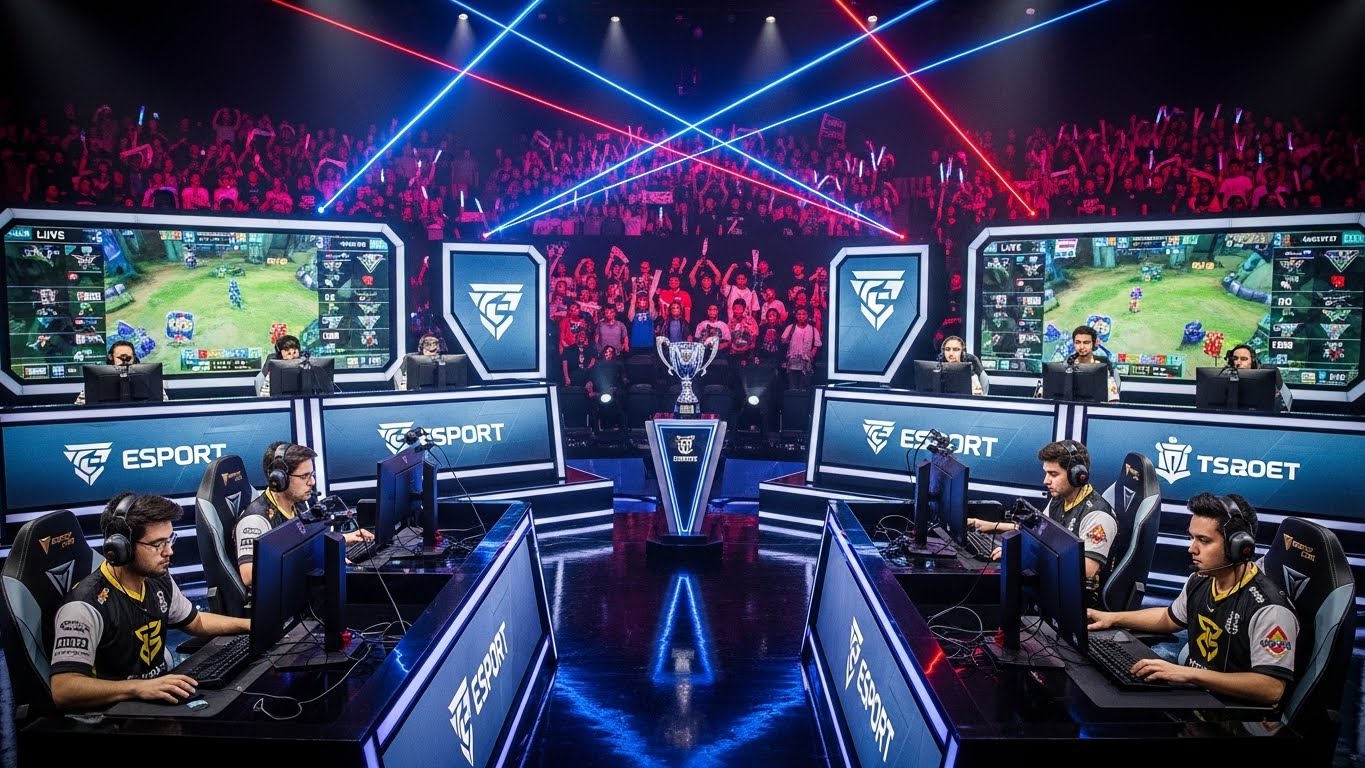
The esports industry is much more than the games themselves. It is an ecosystem involving players, teams, organizers, sponsors, broadcasters, and fans. Professional players often train rigorously, following strict schedules similar to traditional athletes. Teams are managed like professional sports franchises, complete with coaches, analysts, and fitness trainers. Tournament organizers provide platforms for competition and entertainment, while sponsors invest in teams and events to reach a massive and engaged audience. Broadcasters, streaming platforms, and content creators amplify the reach of esports, making it accessible to millions of fans worldwide. The result is a self-sustaining ecosystem that mirrors the structure of traditional sports but thrives entirely in the digital space.
Popular Esports Titles
Certain games have become synonymous with esports due to their competitive balance, global appeal, and spectator-friendly gameplay. League of Legends is a prime example, boasting a massive international fanbase and professional leagues on multiple continents. Dota 2 is renowned for its high-stakes tournaments, particularly The International, which regularly offers multi-million-dollar prize pools. First-person shooters like Counter-Strike: Global Offensive and Call of Duty attract a different audience, emphasizing precision, reflexes, and teamwork. Battle royale games such as Fortnite and Apex Legends have also carved a niche, with their fast-paced gameplay and wide appeal to younger audiences. Each game contributes uniquely to the diversity and richness of the esports landscape.
The Role of Technology in Esports
Technology is at the heart of esports. High-speed internet, streaming platforms, and advanced gaming hardware have made competitive gaming accessible to millions worldwide. Live streaming allows fans to watch tournaments in real-time, interact with players, and participate in online communities. Streaming services have transformed esports from small-scale events into global spectacles, offering opportunities for sponsorships, advertising, and fan engagement. In addition, innovations like virtual reality and augmented reality are beginning to shape the next generation of esports experiences, promising immersive competitions that blur the line between digital and physical reality.
Esports as a Career
For many, esports represents more than entertainment; it is a viable career path. Professional players can earn substantial incomes through salaries, tournament winnings, and sponsorships. Coaches, analysts, and content creators also find opportunities within the industry, contributing to its growth and diversity. Unlike traditional sports, esports allows young talent to achieve recognition relatively early, with players often starting their professional journey in their teens. However, the career path is not without challenges. The competitive nature of esports, long hours of practice, and physical and mental strain can take a toll on players, making support systems and proper management critical for longevity.
The Cultural Impact of Esports
Esports has influenced culture in numerous ways, from fashion and music collaborations to mainstream media coverage. Gaming personalities have become celebrities, and esports events are now part of the global entertainment calendar. Esports has also fostered inclusive communities where people from diverse backgrounds connect over shared interests. While the traditional image of a gamer was once solitary, esports has shifted perceptions, highlighting collaboration, strategy, and creativity. Furthermore, esports has encouraged educational initiatives, with universities offering scholarships and programs focused on competitive gaming, game design, and digital media.
Challenges Facing the Esports Industry
Despite its rapid growth, esports faces several challenges. Player burnout and mental health concerns are significant issues due to the demanding nature of professional gaming. Regulatory inconsistencies, cheating, and issues with tournament governance also pose risks to the integrity of competitions. Additionally, esports must navigate public perception, as some still question its legitimacy as a sport. Finally, the industry is highly dependent on technology and online platforms, making it vulnerable to disruptions or shifts in digital trends. Addressing these challenges is crucial for sustainable growth and the long-term credibility of esports.
The Future of Esports
The future of esports looks promising, with opportunities for innovation and expansion. Emerging technologies like virtual reality, cloud gaming, and AI-driven analytics are likely to transform how games are played, watched, and analyzed. Esports could also see greater integration with traditional sports, creating hybrid events that combine physical and digital competitions. Additionally, the continued globalization of esports will bring new talent and audiences from regions previously underrepresented in competitive gaming. As the industry matures, esports may redefine entertainment, sports, and even education, solidifying its position as a mainstream cultural force.
Conclusion
Esports is no longer a fringe activity; it is a dynamic and rapidly growing industry that captures the imagination of millions worldwide. From humble beginnings in arcades to global tournaments watched by millions, competitive gaming has proven its resilience and appeal. The ecosystem surrounding esports—including players, teams, organizers, sponsors, and fans—demonstrates that gaming is much more than a pastime. It is a profession, a culture, and a technological frontier. While challenges remain, the potential for growth and innovation ensures that esports will continue to shape the entertainment landscape for years to come. As more people recognize the skill, strategy, and dedication required in competitive gaming, esports will firmly establish itself not only as a sport but as a defining element of modern digital culture.