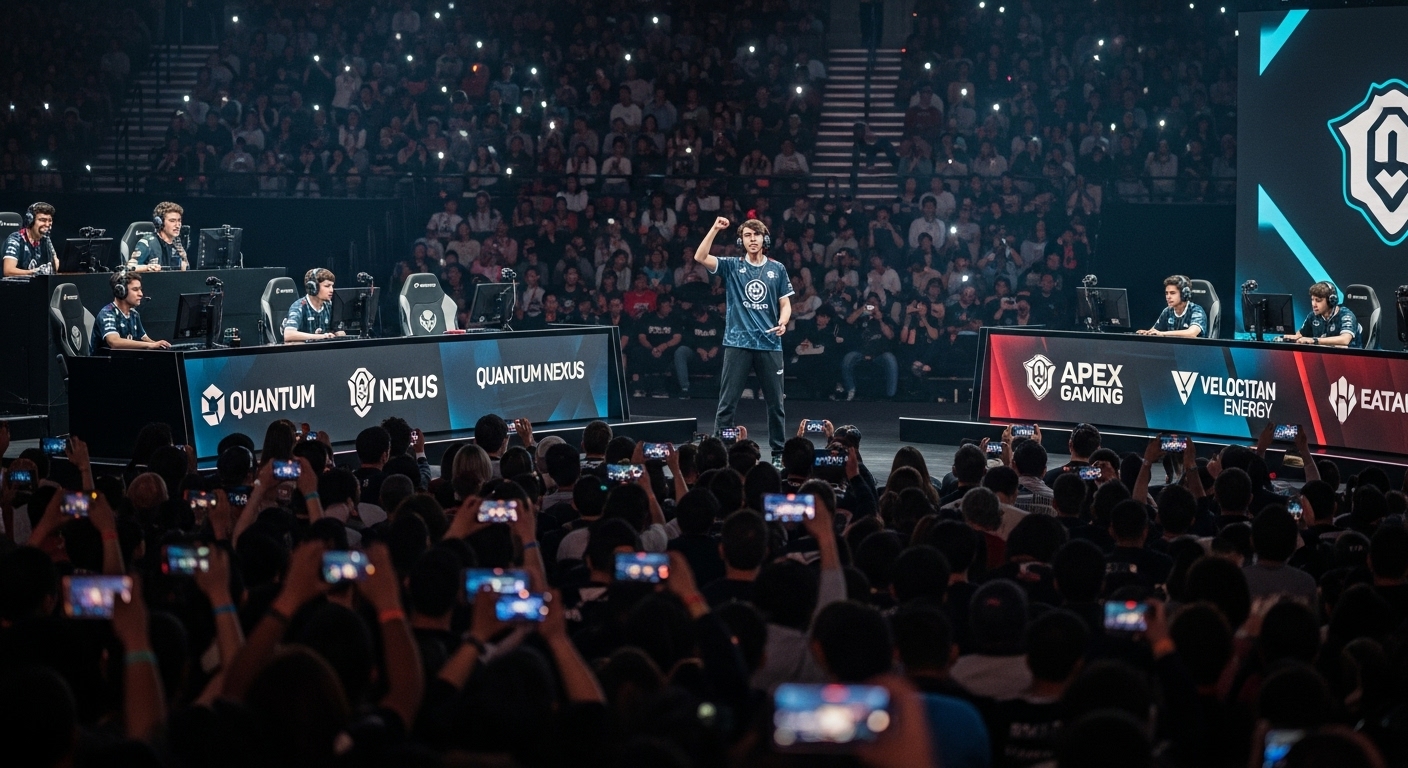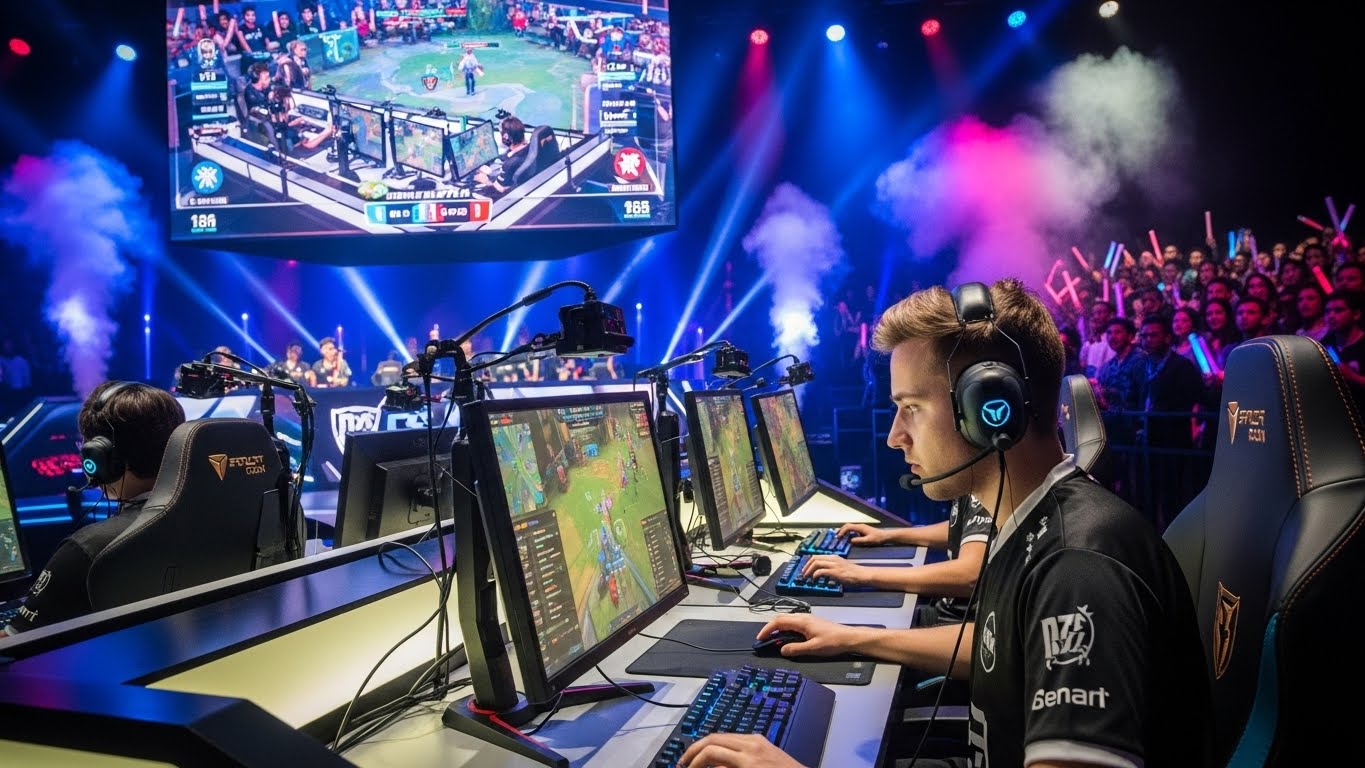
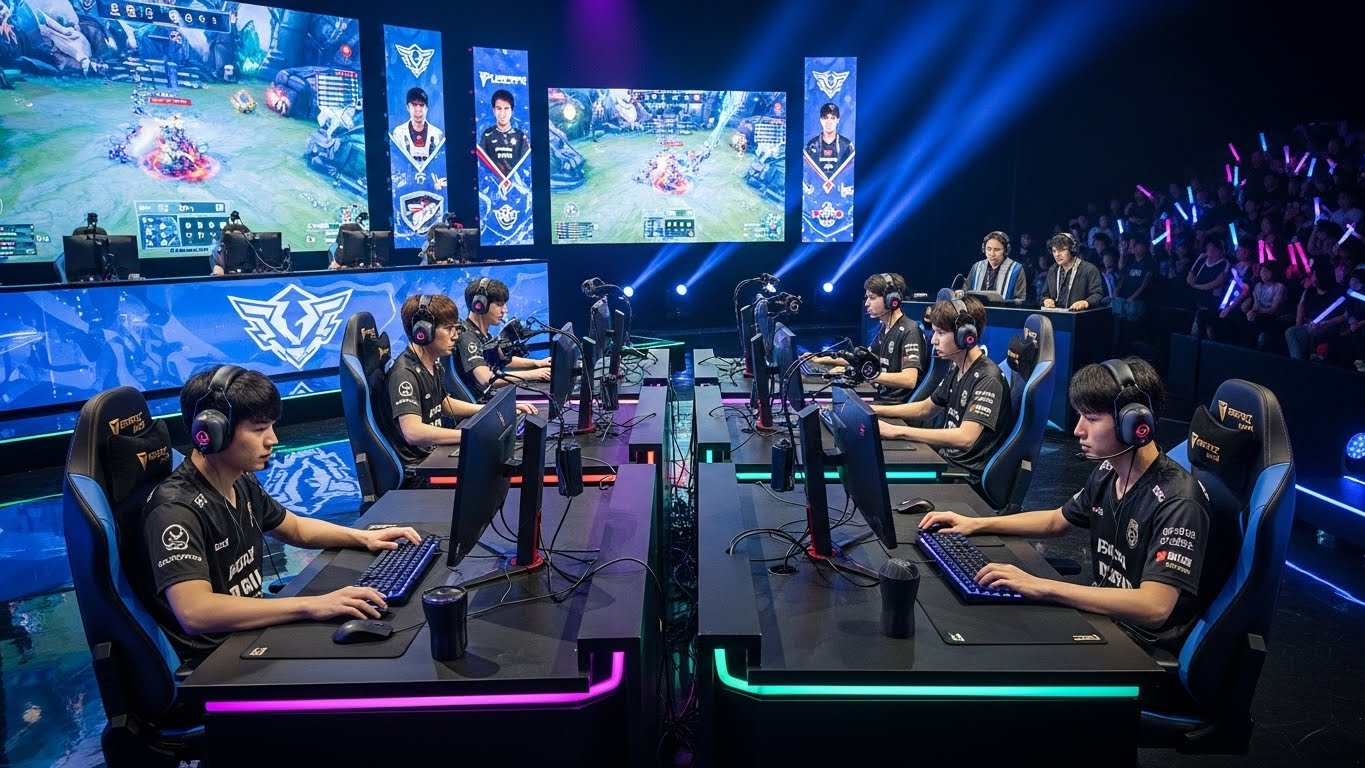
In the last decade, esports has transformed from a niche hobby into a global phenomenon, captivating millions of viewers and redefining the concept of competitive entertainment. What was once considered casual gaming among friends has evolved into a professional arena where skill, strategy, and teamwork are celebrated on a massive scale. This blog explores the growth, cultural impact, and future of esports, highlighting why this digital revolution matters beyond the confines of the gaming community.
The Evolution of Competitive Gaming
Esports, short for electronic sports, refers to organized competitive video gaming. The roots of esports trace back to the early 1970s when video game competitions began to emerge, such as the iconic Space Invaders tournament. Over the decades, gaming evolved technologically, creating opportunities for more complex and interactive games. Titles like StarCraft, Counter-Strike, and Dota 2 laid the foundation for competitive gaming, establishing structured tournaments and professional leagues.
The development of online gaming in the 2000s accelerated esports exponentially. Players could now compete globally without geographical constraints. Platforms like Twitch and YouTube enabled live streaming of tournaments, turning esports into a spectator sport that rivals traditional athletics in popularity. The proliferation of mobile gaming has further democratized esports, allowing anyone with a smartphone to engage, compete, or follow tournaments.
The Global Esports Ecosystem
Esports is no longer confined to a single country or demographic; it has evolved into a global ecosystem with professional leagues, sponsorships, media coverage, and international tournaments. Organizations like Riot Games, Valve, and Blizzard have created competitive leagues for games like League of Legends, Dota 2, and Overwatch, drawing millions of viewers worldwide.
The esports industry thrives on collaboration between players, teams, sponsors, event organizers, and streaming platforms. Professional players often train extensively, following strict routines similar to traditional athletes, including physical fitness, nutrition, and mental coaching. The rise of esports academies and training facilities demonstrates the seriousness of competitive gaming as a profession.
Sponsorships and endorsements are a critical component of the ecosystem. Major brands see esports as an avenue to reach younger, tech-savvy audiences. Companies invest in teams, tournaments, and content creation, further cementing esports as a legitimate industry with substantial economic impact.
Esports and the Cultural Shift
Esports has influenced popular culture in ways beyond gaming itself. It has created celebrity gamers who rival traditional sports stars in fame and influence. These players command massive social media followings, and their lives are followed with great interest by fans worldwide. Merchandise, fan meetups, and esports-themed events contribute to a growing subculture that merges digital entertainment with real-world experiences.
The rise of esports has also challenged societal perceptions of gaming. Once dismissed as a waste of time, competitive gaming is now recognized for promoting skills like strategic thinking, problem-solving, teamwork, and adaptability. Educational institutions have even started incorporating esports programs, providing scholarships and formal training to students who excel in gaming.
The Technology Behind Esports
Esports relies on cutting-edge technology to function seamlessly. High-speed internet, advanced gaming hardware, and cloud-based platforms enable competitive gaming at a professional level. Streaming technology allows tournaments to reach millions of viewers in real time, creating an interactive and immersive experience.
Artificial intelligence and data analytics play an increasingly important role in esports. Teams analyze player performance, strategies, and opponent tendencies to gain a competitive edge. Game developers also utilize AI to maintain balanced gameplay, ensuring that competitive matches remain fair and exciting for both players and viewers.
Virtual reality and augmented reality are the next frontier for esports. As these technologies become more accessible, they promise to revolutionize the spectator experience and provide new ways for players to interact with games. Immersive environments could transform tournaments into fully interactive arenas, blurring the line between the physical and digital worlds.
The Economics of Esports
The financial landscape of esports is booming. Global revenues exceed billions of dollars annually, derived from advertising, sponsorships, media rights, merchandise, and ticket sales. The commercialization of esports has created diverse opportunities for professionals, from players and coaches to content creators, commentators, and event organizers.
Prize pools in major tournaments have reached staggering amounts. For instance, certain Dota 2 championships offer multimillion-dollar prizes, rivaling or surpassing traditional sports competitions. This level of financial incentive attracts top-tier talent from around the world, further elevating the level of competition.
Investors and entrepreneurs view esports as a long-term opportunity, with emerging markets in regions like Southeast Asia and Latin America showing rapid growth. This economic expansion has a ripple effect, creating jobs and stimulating technological innovation across the industry.
Challenges Facing Esports
Despite its rapid growth, esports faces unique challenges. One of the primary issues is the lack of standardized regulations and governance. Unlike traditional sports, esports is fragmented, with different games and leagues operating independently. This fragmentation can complicate player rights, contract disputes, and tournament regulations.
Player health is another concern. Intensive training schedules, long hours in front of screens, and high-stress environments can lead to physical and mental health issues. Organizations are increasingly prioritizing player well-being by implementing mandatory breaks, mental health support, and fitness programs.
Additionally, accessibility and inclusivity remain ongoing challenges. While esports is theoretically open to anyone, socioeconomic barriers can limit participation. High-quality gaming equipment and stable internet connections are prerequisites for competitive play, which can exclude talented players from underprivileged backgrounds.
The Role of Community in Esports
At its core, esports thrives because of community. Online forums, fan groups, and streaming platforms allow enthusiasts to connect, share strategies, and celebrate their favorite players. Communities foster engagement, loyalty, and a sense of belonging that transcends geographical boundaries.
Grassroots tournaments and amateur leagues play a crucial role in cultivating new talent. Many professional players start in local competitions before advancing to national and international stages. This community-driven pathway ensures the sustainability and continual growth of the esports ecosystem.
The Future of Esports
The future of esports is both exciting and unpredictable. As technology advances, esports will likely become more immersive, interactive, and integrated into mainstream entertainment. Partnerships with traditional sports leagues, television networks, and major media companies could further legitimize esports as a global spectacle.
Educational initiatives will also shape the next generation of professional players. Scholarships, esports curricula, and mentorship programs are creating a pipeline of talent that can compete at the highest levels while maintaining balance in their personal and academic lives.
Furthermore, esports is poised to influence broader cultural trends, including fashion, music, and lifestyle. The merging of gaming with other forms of entertainment will redefine how people socialize, consume content, and engage with media in the digital age.
Conclusion: Esports as a Cultural Phenomenon
Esports is no longer a mere pastime; it is a multifaceted industry with profound cultural, technological, and economic implications. From local competitions to international tournaments with massive viewership, esports has carved out a permanent space in modern society. It challenges traditional notions of sports, entertainment, and professional careers, proving that skill and dedication in the digital realm are as valid as in any physical arena.
As esports continues to evolve, it will not only shape the future of gaming but also influence how we connect, compete, and celebrate human potential. The screen may be digital, but the impact of esports is tangible, far-reaching, and here to stay.