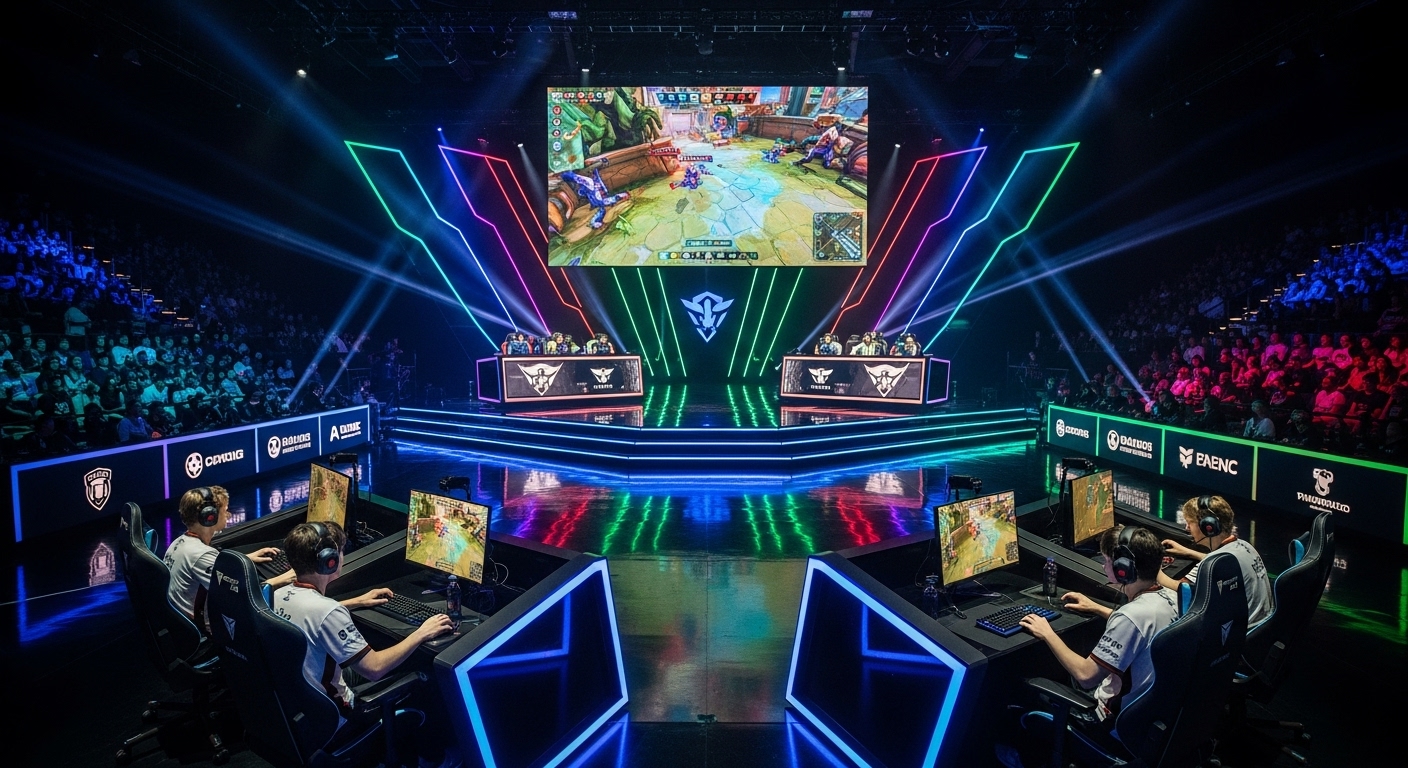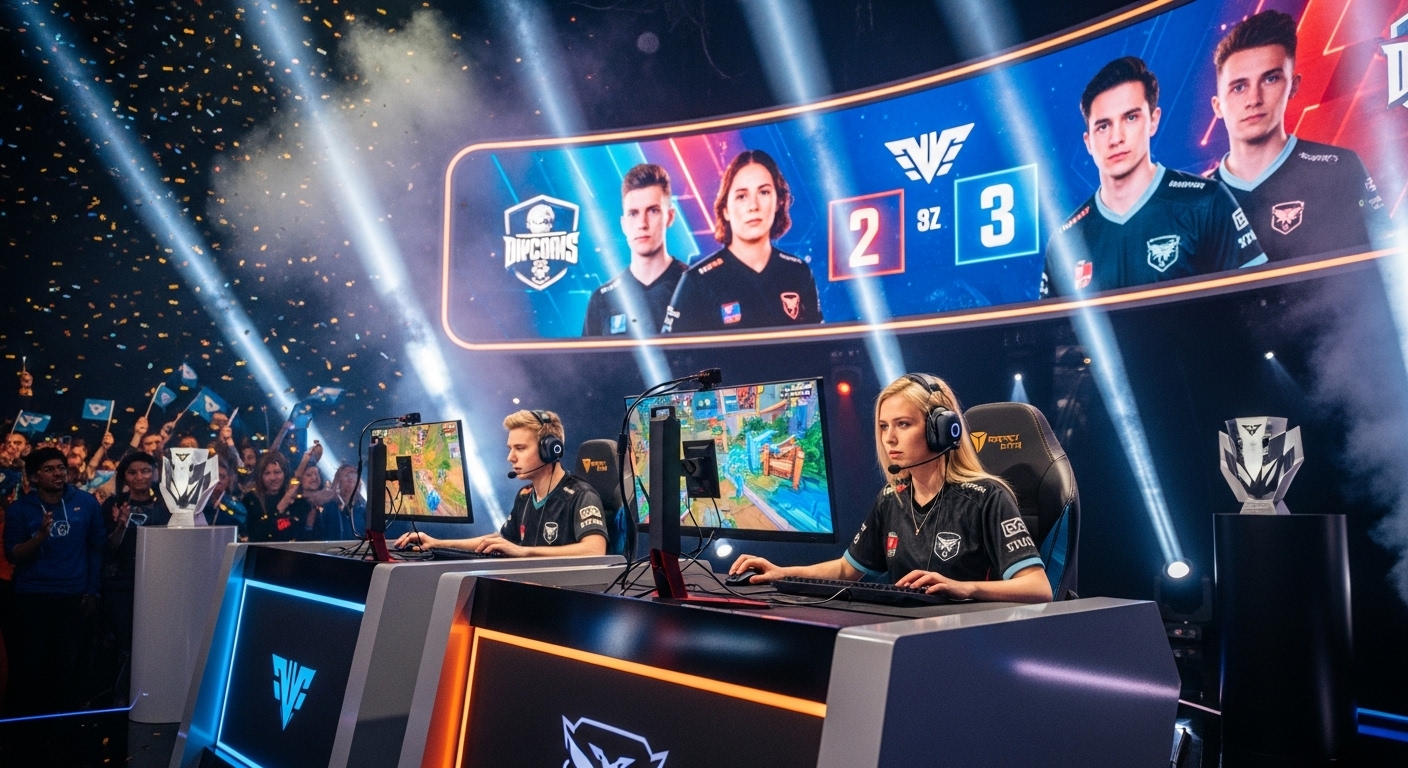
The world of esports may seem less physically demanding than traditional sports, but the truth is that professional gamers face their own unique set of physical and mental challenges. With hours of intense focus, rapid hand movements, and long practice sessions, esports athletes are at high risk of developing various injuries—particularly those related to repetitive strain, posture, and vision.
As the competitive gaming industry matures, awareness around player health and injury management has grown significantly. Teams now employ physical therapists, psychologists, nutritionists, and fitness trainers to help players stay healthy and maintain peak performance. In this detailed blog, we’ll explore the types of injuries esports players commonly face, how they manage them, and what preventive strategies keep these digital athletes in top condition.
The Physical Toll of Esports
While esports doesn’t involve running or tackling, it requires extreme precision, stamina, and consistency. Professional players often practice anywhere between 8 to 14 hours a day. Such repetitive and static activities can lead to physical strain over time.
Gamers sit for long periods, use high-speed mouse and keyboard movements, and make micro-adjustments that put constant stress on their hands, wrists, back, and neck. Combined with poor ergonomics and inadequate rest, these habits can cause long-term injuries that may even end a player’s career prematurely.
Understanding these injuries is the first step toward managing them effectively.
Common Injuries in Esports
Despite the digital nature of gaming, the human body remains very much at risk. Below are the most common types of injuries faced by esports professionals.
1. Carpal Tunnel Syndrome (CTS)
Carpal Tunnel Syndrome is one of the most widespread injuries among esports players. It occurs when the median nerve—running from the forearm to the palm—gets compressed due to repetitive hand and wrist movements.
Symptoms include:
- Numbness or tingling in fingers
- Pain in the wrist or hand
- Weakness or difficulty gripping the mouse or keyboard
Players often manage this condition through rest, wrist braces, stretching exercises, and in severe cases, surgery. Preventive measures like ergonomic mouse designs and wrist support pads are crucial for minimizing strain.
2. Tendinitis
Tendinitis involves inflammation of the tendons, often in the wrist, elbow, or shoulder, due to repetitive motion. For gamers, this usually affects the forearm and wrist because of rapid, repeated keystrokes and mouse movements.
Treatment includes:
- Ice therapy
- Anti-inflammatory medication
- Physical therapy
- Reduced playtime or modified practice schedules
Consistent stretching before and after gaming sessions can reduce the risk of tendinitis significantly.
3. Trigger Finger (Gamer’s Finger)
Trigger Finger, also known as stenosing tenosynovitis, is another condition caused by repetitive clicking or pressing of keys. The finger becomes locked in a bent position and may snap when straightened.
Gamers who play fast-paced genres like first-person shooters or MOBA games are particularly at risk. Treatment involves rest, finger splints, and in some cases, corticosteroid injections.
4. Back and Neck Pain
Poor posture during long gaming sessions can cause chronic pain in the back, shoulders, and neck. Gamers often lean forward or sit in awkward positions that strain the spine. Over time, this leads to muscle tightness, stiffness, and even spinal disc issues.
Management strategies include:
- Ergonomic chairs with lumbar support
- Frequent breaks for stretching
- Strengthening exercises for the core and back
- Professional massage or physical therapy
5. Eye Strain and Digital Fatigue
Esports athletes spend countless hours staring at screens, which can cause digital eye strain, blurred vision, and headaches. The blue light emitted from monitors adds to the discomfort and may interfere with sleep cycles.
Common management techniques:
- The 20-20-20 rule (every 20 minutes, look at something 20 feet away for 20 seconds)
- Anti-glare monitor filters or blue-light glasses
- Proper room lighting to reduce glare
- Eye exercises to improve focus flexibility
6. Mental Burnout and Fatigue
While not a physical injury, mental exhaustion is one of the most dangerous issues in esports. Constant competition, pressure to perform, and streaming obligations can lead to burnout, anxiety, and even depression.
Managing mental health is just as important as treating physical injuries. Many organizations now employ sports psychologists to help players cope with stress, develop mental resilience, and maintain motivation.
How Esports Teams Handle Injuries
As esports grows more professional, teams have adopted structured approaches to health management. Top-tier organizations treat their players like traditional athletes, providing comprehensive care to prevent and manage injuries effectively.
1. Medical and Physical Support Staff
Professional esports organizations employ healthcare professionals, including physiotherapists and sports medicine experts, who specialize in repetitive strain and posture-related conditions. They regularly assess players for early signs of injury and create personalized treatment plans.
These specialists also develop preventive programs that include stretching routines, physical therapy sessions, and ergonomic training.
2. Scheduled Rest and Practice Limits
Teams are increasingly aware that excessive training can harm performance. Many now set structured practice hours with mandatory breaks to prevent fatigue and overuse injuries. Rest days and mental wellness programs are also becoming common features of player management.
This shift from “grind culture” to balanced training ensures players can maintain consistent performance throughout the season without risking long-term health issues.
3. Ergonomic Workstations
One of the biggest advancements in esports health management is the focus on ergonomics. Teams invest in high-quality gaming chairs, adjustable desks, and optimized setups that encourage proper posture.
Ergonomic improvements include:
- Adjustable monitor height to reduce neck strain
- Wrist rests for keyboards and mice
- Proper chair positioning for lower back support
- Adequate lighting to minimize eye fatigue
These setups not only prevent injuries but also improve player comfort and focus during long sessions.
4. Physical Training and Fitness Programs
Many esports players now follow fitness routines to strengthen their bodies and reduce the risk of injury. Regular exercise helps improve posture, circulation, and endurance.
Teams often schedule gym sessions or light workouts focusing on flexibility, shoulder mobility, and wrist strength. Yoga and stretching exercises are also common for maintaining balance and body alignment.
A healthy body supports a sharp mind, which is essential in esports where split-second decisions can make the difference between victory and defeat.
5. Nutrition and Hydration
Proper nutrition plays a major role in recovery and focus. Players are encouraged to maintain balanced diets rich in lean proteins, complex carbohydrates, and vitamins. Hydration is equally critical, as dehydration can lead to fatigue, slower reaction times, and impaired concentration.
Teams often work with nutritionists to create meal plans that enhance both physical health and cognitive performance. Energy drinks and junk food are being replaced with healthier alternatives to sustain long-term wellness.
6. Mental Health Support
Esports organizations have begun to recognize the mental toll of professional gaming. Performance pressure, public scrutiny, and online criticism can all impact a player’s mental well-being.
Psychological coaches and therapists help players develop coping mechanisms, focus strategies, and stress management techniques. Group activities, breaks from streaming, and relaxation practices such as meditation are becoming integral parts of esports training programs.
Preventive Strategies Used by Players
While teams provide extensive support, individual responsibility plays a key role in injury prevention. Many players adopt their own habits and routines to maintain health and avoid long-term problems.
1. Regular Stretching and Mobility Exercises
Gamers perform targeted stretches for their wrists, fingers, shoulders, and neck before and after playing. These exercises increase blood flow and flexibility, reducing stiffness and the risk of repetitive strain injuries.
Simple activities like wrist rotations, shoulder rolls, and hand stretches are enough to make a significant difference when done consistently.
2. Maintaining Good Posture
Posture is one of the most overlooked aspects of esports performance. Sitting correctly—with feet flat, back supported, and shoulders relaxed—reduces back and neck strain. Players are also encouraged to reposition every hour or so to avoid stiffness.
Proper posture doesn’t just prevent injuries; it also improves reaction time and concentration during games.
3. Taking Regular Breaks
Continuous play can cause both physical and mental fatigue. Most professionals now follow structured schedules that include breaks every 60 to 90 minutes. During these breaks, players stretch, hydrate, and rest their eyes to maintain long-term endurance.
Even short micro-breaks of a few minutes between matches can have a positive impact on focus and comfort.
4. Warming Up Before Practice
Just like traditional athletes, esports players benefit from warming up before intense sessions. This includes light finger stretches, reaction drills, and hand exercises to prepare muscles for sustained activity.
A proper warm-up routine improves blood flow, reduces stiffness, and enhances precision in gameplay.
5. Sleep and Recovery
Adequate rest is vital for injury prevention and overall performance. Fatigue can impair reflexes, hand-eye coordination, and decision-making—skills that are essential for success in esports.
Most experts recommend 7 to 9 hours of sleep per night, along with short naps when necessary. Sleep allows muscles and tendons to recover from strain while also rejuvenating the mind for optimal focus.
Technological Support in Injury Management
Modern technology is also playing a role in keeping esports athletes healthy. Specialized tools and software help monitor player health and prevent injuries.
Examples include:
- Wearable devices that track posture and movement patterns
- Smart desks and chairs that adjust automatically for optimal ergonomics
- Motion analysis software that identifies strain-prone actions during gameplay
- Eye-tracking tools to study visual fatigue and optimize screen placement
This data-driven approach allows coaches and health experts to make informed decisions and customize training or recovery plans.
Rehabilitation and Recovery
When injuries do occur, rehabilitation is crucial for a successful return to competition. The recovery process typically involves:
- Rest and reduced activity to allow healing
- Physical therapy for mobility restoration
- Gradual return to gaming with lower intensity sessions
- Regular check-ups to prevent relapse
Many players also undergo alternative therapies like acupuncture, massage, and hydrotherapy to speed up recovery. Rehabilitation isn’t just physical—it often includes mental reconditioning to rebuild confidence after an injury layoff.
Building a Culture of Health in Esports
The industry’s approach to injury management is shifting toward prevention rather than reaction. Organizations, players, and tournament organizers are working together to promote a culture of health and wellness.
Education plays a vital role in this transformation. New players are being trained from the start to understand the importance of posture, rest, and fitness. This proactive mindset ensures that the next generation of gamers can enjoy longer, healthier careers.
Additionally, sponsors and event organizers are incorporating wellness programs, health breaks, and ergonomic standards into their setups. These steps show a growing commitment to making esports sustainable for all participants.
Conclusion
The life of an esports gamer is as demanding as that of any traditional athlete. While the battles take place on digital screens, the toll on the body and mind is very real. From carpal tunnel syndrome to mental burnout, esports players face a range of challenges that require careful management and proactive prevention.
Through physical therapy, ergonomic improvements, fitness routines, and mental health support, the industry is evolving to protect its players. Esports teams now understand that peak performance is only possible when athletes are healthy—both physically and mentally.
The modern esports professional is not just a skilled gamer but a disciplined athlete who trains, recovers, and competes with precision. With growing awareness, medical support, and technological innovation, injury management in esports is setting a new standard—one that ensures the longevity and success of the players who bring this digital sport to life.