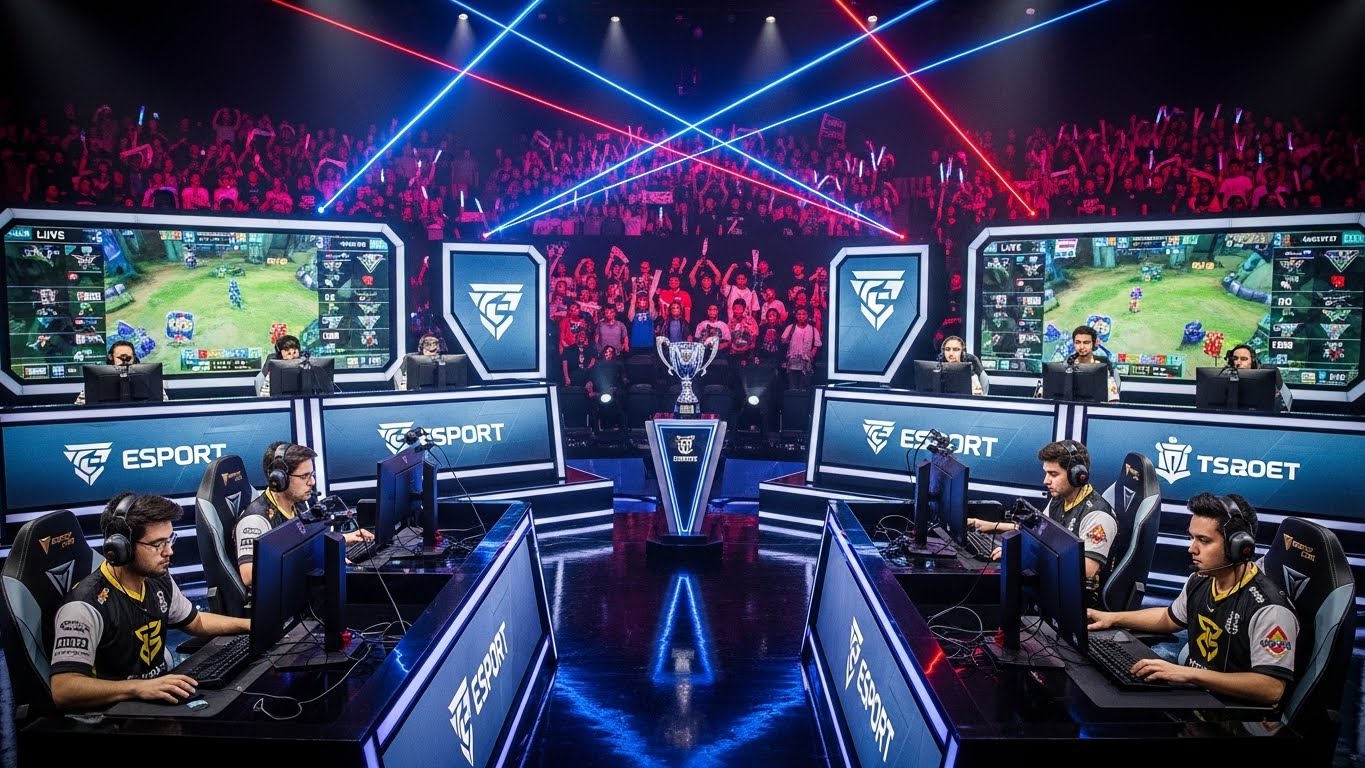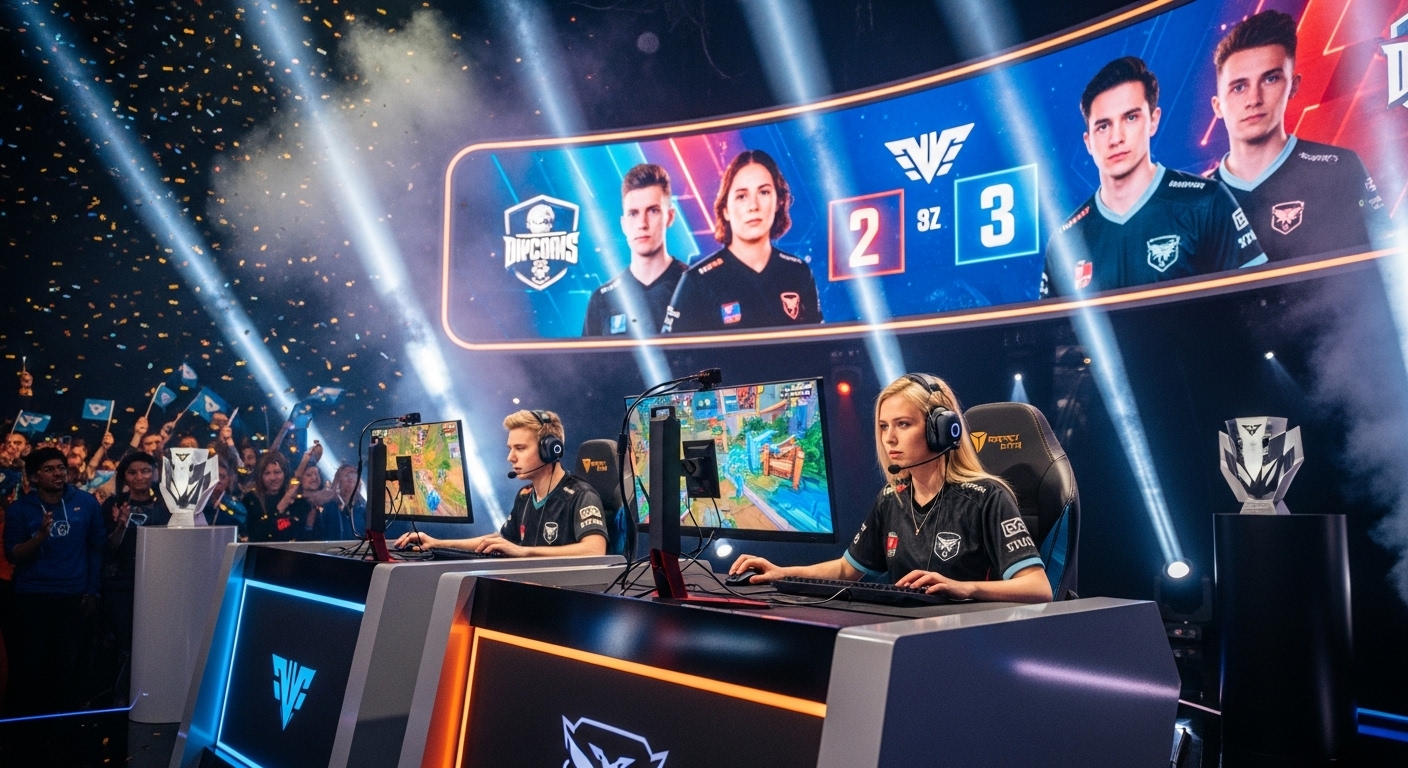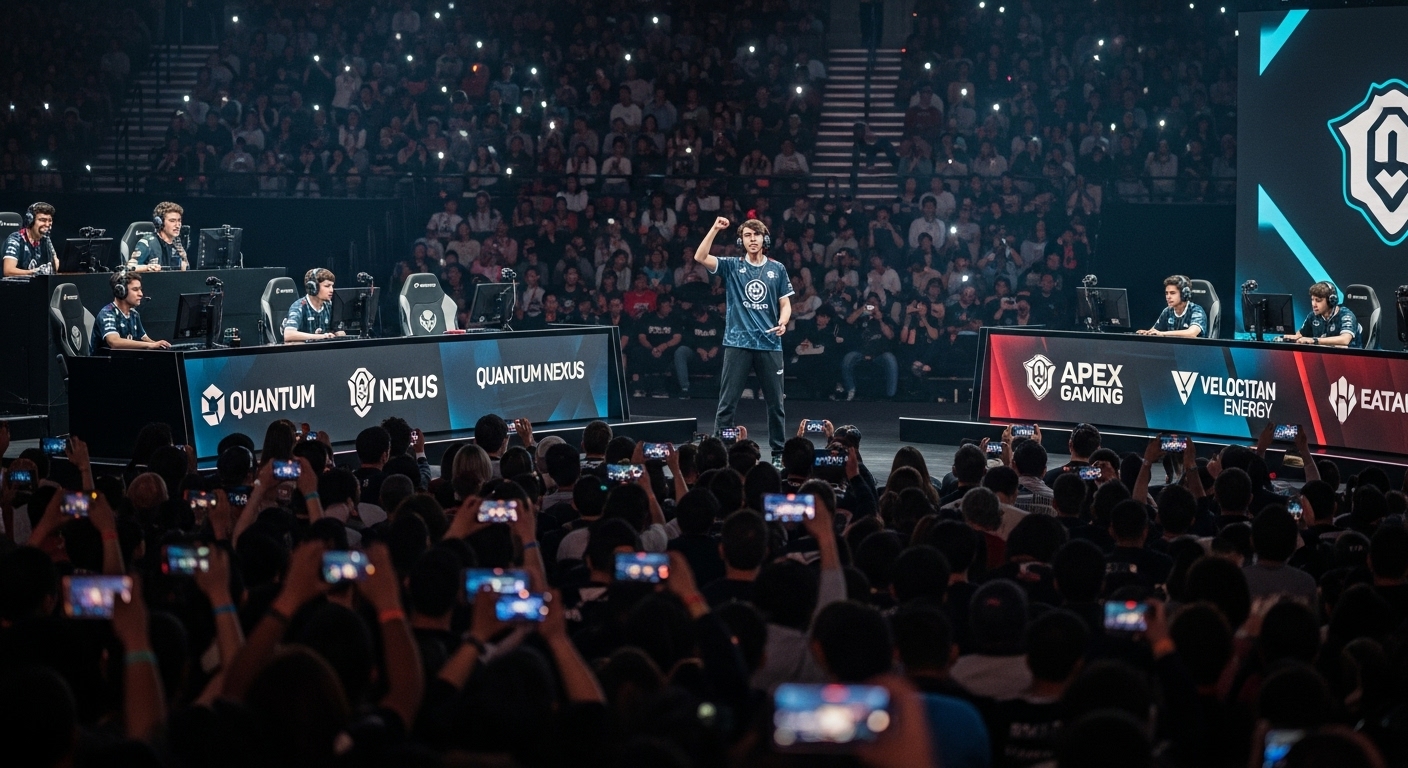
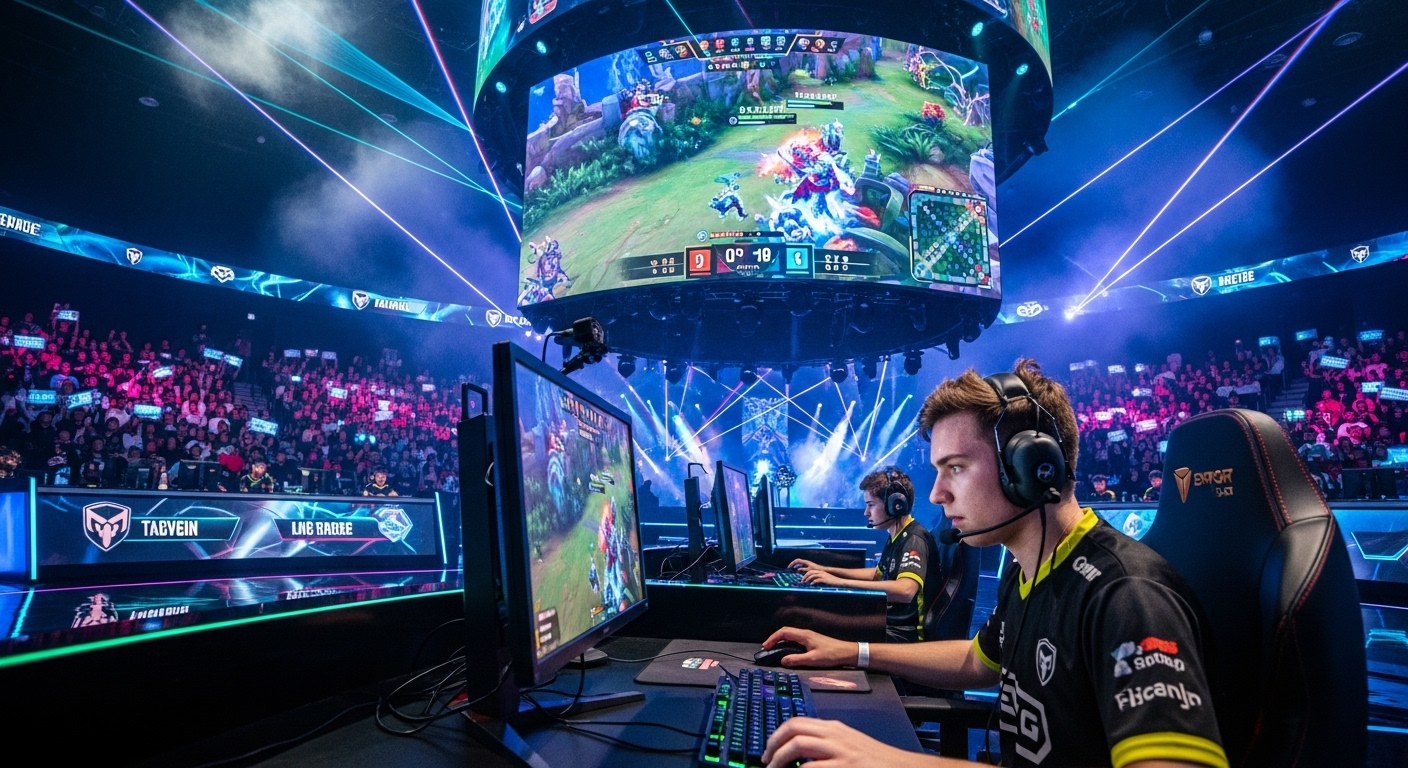
Esports has rapidly evolved from a niche pastime into one of the most influential cultural and technological movements in the world. What was once dismissed as simple “video gaming” is now a multi-billion-dollar global industry that attracts millions of fans, generates massive tournaments, and produces professional players with the fame and recognition of traditional athletes.
But beyond its economic and entertainment value, esports holds something even more profound — the power to inspire the next generation. From teaching teamwork and discipline to sparking careers in technology and media, esports is shaping how young people view competition, learning, and success in the modern world.
In this blog, we explore how esports serves as a beacon of inspiration for young gamers, dreamers, and innovators around the globe.
1. Turning Passion into Profession
For decades, gaming was seen purely as a hobby — something to do for fun, not for a living. Esports has shattered that notion entirely. Today, young players can dream of turning their passion into a professional career.
Esports professionals earn salaries, sponsorships, and tournament winnings comparable to traditional sports stars. The existence of these careers shows the next generation that doing what you love can indeed lead to success.
Many of today’s professional players began as teenagers playing in local competitions or streaming from their bedrooms. Their rise to global fame serves as proof that dedication, talent, and perseverance in digital arenas can lead to real-world achievement.
This shift has also inspired younger audiences to explore career paths beyond playing, such as becoming coaches, analysts, event organizers, commentators, or content creators. Esports has opened a world of opportunity — one where passion and profession coexist in perfect harmony.
2. Building Teamwork and Communication Skills
Contrary to old stereotypes, esports is not about isolation — it’s about teamwork. Games like League of Legends, Dota 2, and Overwatch require constant communication, coordination, and trust among teammates.
Young players who participate in esports learn essential social and collaborative skills. They must strategize, adapt, and make split-second decisions together under pressure. This mirrors the same dynamics seen in traditional sports, where synergy and communication are key to victory.
In schools and community programs, educators are beginning to recognize this value. Esports clubs are being used as platforms to teach leadership, emotional intelligence, and problem-solving — all through gaming.
For many students, esports provides a sense of belonging and camaraderie that motivates them to work harder and dream bigger. It teaches that no success is ever truly solo — that even in a digital world, collaboration is the heart of achievement.
3. Promoting STEM and Technological Curiosity
Esports naturally connects with technology, engineering, and digital creativity. For many young fans, their first interest in coding, design, or data analysis comes from wanting to understand how their favorite games work.
This curiosity has become a gateway into STEM education (Science, Technology, Engineering, and Mathematics). The growing connection between esports and academic programs worldwide is helping students see how gaming intersects with robotics, artificial intelligence, and computer science.
Some schools now integrate esports into their technology curriculums, using it to engage students who might not have been drawn to traditional subjects. Understanding the hardware, software, and network systems behind esports sparks curiosity in areas like game development, IT management, and digital engineering.
In this way, esports serves as both inspiration and education — a bridge between entertainment and innovation.
4. Redefining Success and Career Possibilities
The traditional idea of success — a fixed career path or a single measure of achievement — is changing rapidly in today’s world. Esports embodies this change perfectly.
For the next generation, success no longer just means getting a conventional job; it means finding fulfillment through creativity, competition, and connection. Esports teaches that success can come in many forms — as a player, streamer, content creator, designer, coach, or event producer.
This redefinition empowers young people to embrace individuality and innovation. They see that unconventional careers are not only possible but also respected and celebrated.
Through esports, the next generation learns that success isn’t about following a set formula — it’s about creating your own.
5. Inspiring Global Unity Through Competition
Esports transcends borders, languages, and cultures. A player in Pakistan can compete with someone in Sweden, while fans in Brazil cheer for teams from South Korea. This level of global connection was nearly impossible in traditional sports until the digital era arrived.
Esports teaches young people that competition doesn’t have to divide — it can unite. It brings together players and fans from all walks of life under one shared passion: gaming.
Global tournaments like The International, League of Legends Worlds, and Valorant Champions showcase players from diverse backgrounds working together, breaking stereotypes, and proving that talent knows no nationality.
This exposure inspires the next generation to think globally, respect diversity, and appreciate the beauty of international collaboration — lessons that extend far beyond the digital battlefield.
6. Teaching Discipline, Focus, and Resilience
Behind every successful esports player lies countless hours of training, practice, and mental preparation. Professional gamers treat their craft with the same seriousness as athletes in physical sports.
They study game mechanics, analyze replays, develop strategies, and maintain strict schedules. This level of commitment demonstrates to young audiences that success requires more than talent — it demands discipline, patience, and resilience.
Esports also teaches how to cope with failure. Losing is part of the game, and young players learn to accept setbacks, improve from mistakes, and keep moving forward. These lessons translate into real-life perseverance, shaping individuals who can handle challenges in academics, careers, and personal goals.
For many, esports becomes a microcosm of life — a space where hard work, focus, and determination truly pay off.
7. Encouraging Creativity and Innovation
Gaming is not only about playing — it’s also about creating. Esports has inspired a wave of young creators who design mods, build digital artwork, produce content, and develop entirely new game concepts.
Streaming platforms have given rise to creative expression in ways that go beyond competition. Young players learn video production, editing, branding, and marketing — all while sharing their passion with a global audience.
This creative ecosystem surrounding esports motivates the next generation to innovate. They no longer see games as something to consume, but as something they can shape, improve, and transform.
The result is a generation that is not just playing the future — they are building it.
8. Expanding Education Through Esports Programs
The academic world has embraced esports as a legitimate educational and developmental tool. Many schools and universities have introduced esports scholarships, varsity teams, and dedicated training programs.
These programs help students develop both gaming and academic skills, balancing competitive play with coursework in areas like business, communications, and computer science.
For students who might not connect with traditional extracurricular activities, esports offers a meaningful alternative. It encourages school participation, fosters friendships, and provides a sense of achievement that can translate into academic success.
By legitimizing esports as part of education, institutions send a powerful message — that gaming can be both a passion and a pathway to lifelong growth.
9. Empowering Underrepresented Communities
Esports has become a platform for empowerment and inclusion. It gives a voice and stage to individuals who may have been excluded from traditional sports or entertainment due to physical, social, or economic barriers.
Young gamers from diverse backgrounds can rise purely based on skill and dedication. The digital nature of esports breaks down many of the barriers that exist in the physical world — anyone with a computer, console, or smartphone can compete and be recognized.
Moreover, esports has given rise to strong communities advocating for diversity, equality, and representation. Female gamers, differently-abled players, and individuals from all walks of life are finding spaces in esports to express themselves and inspire others.
By watching people like them succeed, the next generation learns that greatness is not limited by background — it’s defined by effort and determination.
10. Strengthening Mental Agility and Strategic Thinking
Esports is not only a test of reflexes but also of the mind. Games like Dota 2, League of Legends, and StarCraft require deep strategic thinking, pattern recognition, and adaptability.
Young players who engage with these games develop cognitive skills such as multitasking, decision-making, and problem-solving under pressure. These mental exercises enhance focus and analytical ability — skills that are valuable in both academic and professional environments.
In essence, esports acts as a digital chessboard — a space where the next generation can sharpen their intellect while enjoying competition.
11. Building Confidence and Self-Identity
For many young people, esports becomes more than a hobby — it’s a means of self-expression. It gives them confidence, community, and purpose.
When players perform well, lead teams, or contribute creatively, they gain recognition and pride in their abilities. This confidence often extends into other areas of life, helping them develop leadership qualities, communication skills, and self-belief.
Esports also allows introverted or shy individuals to connect with others in meaningful ways, creating friendships and networks that last beyond the game itself.
By fostering self-confidence and a sense of identity, esports helps the next generation grow not only as gamers but as individuals ready to face the world.
12. Inspiring the Future of Entertainment and Media
Esports is reshaping the future of entertainment. Young fans are growing up in a world where streaming, virtual events, and interactive media are the norm — and esports sits at the center of this transformation.
This exposure encourages them to dream bigger, to see the potential of digital platforms as spaces for creativity, storytelling, and community. Whether as streamers, hosts, or developers, young people are inspired to innovate within the ever-evolving digital landscape.
By blending gaming, technology, and entertainment, esports is preparing the next generation to lead the future of global media.
13. Instilling a Sense of Community and Belonging
At its heart, esports is about community. Whether through local LAN events or massive international tournaments, it creates spaces where fans and players connect over shared passion.
For many young people, esports communities become safe spaces for expression and friendship. They provide support, encouragement, and shared excitement — a feeling of belonging that many struggle to find elsewhere.
This sense of unity teaches empathy, sportsmanship, and respect. It shows that while players may compete fiercely, they’re all part of the same growing family — a generation bound together by the love of gaming.
14. Inspiring Lifelong Learning
The pace of change in esports is constant. New games, mechanics, and technologies appear every year. To stay relevant, players must continuously learn and adapt.
This mindset inspires young people to embrace learning not as a chore but as a lifelong pursuit. They understand that success comes from curiosity, adaptability, and continuous growth.
Esports nurtures a mindset of exploration — one where learning becomes part of identity rather than obligation.
Conclusion
Esports is more than a competition; it’s a movement shaping the future of culture, education, and innovation. It inspires the next generation to dream boldly, work hard, and redefine what success means in the digital age.
From teamwork and discipline to creativity and inclusion, esports offers lessons that extend far beyond gaming. It shows that passion, when combined with purpose, can change lives — and even the world.
As young people continue to embrace esports, they aren’t just playing games — they’re building communities, discovering careers, and crafting the future of entertainment and technology.