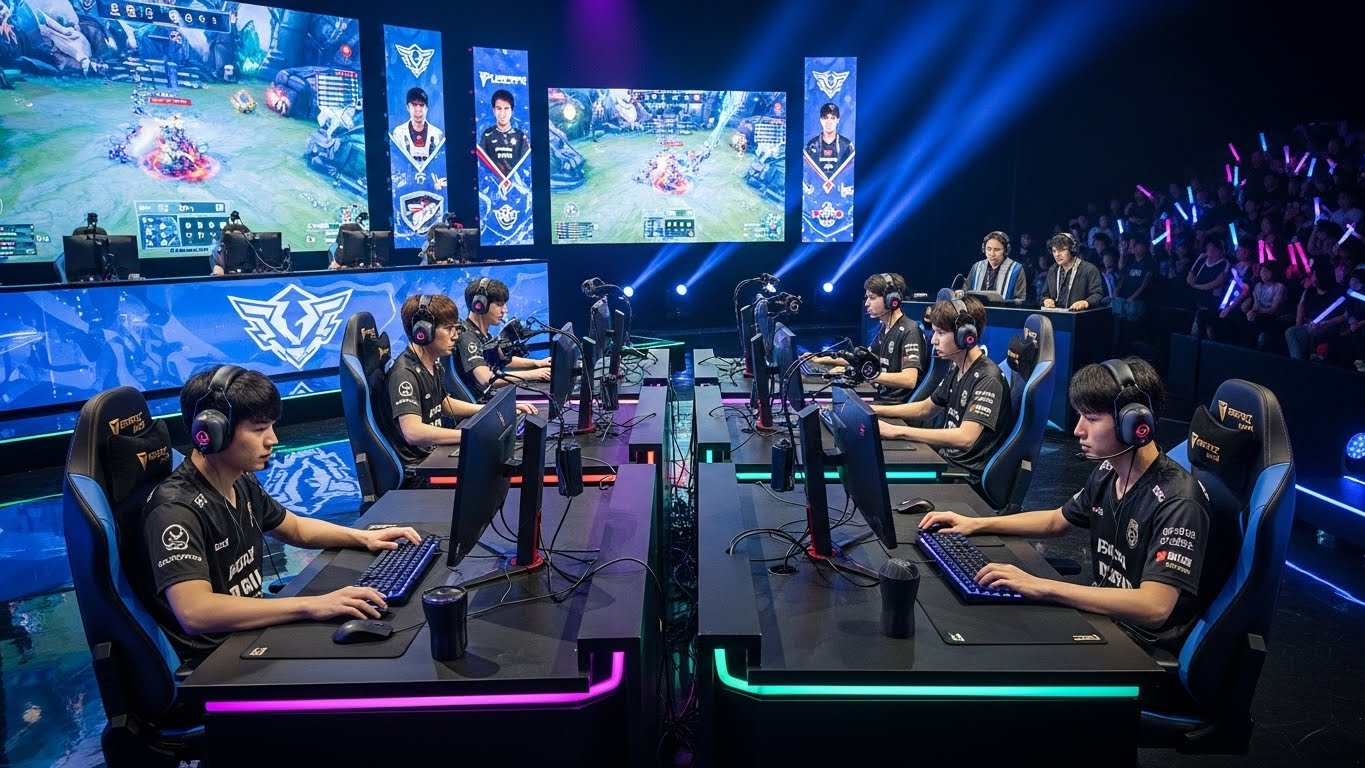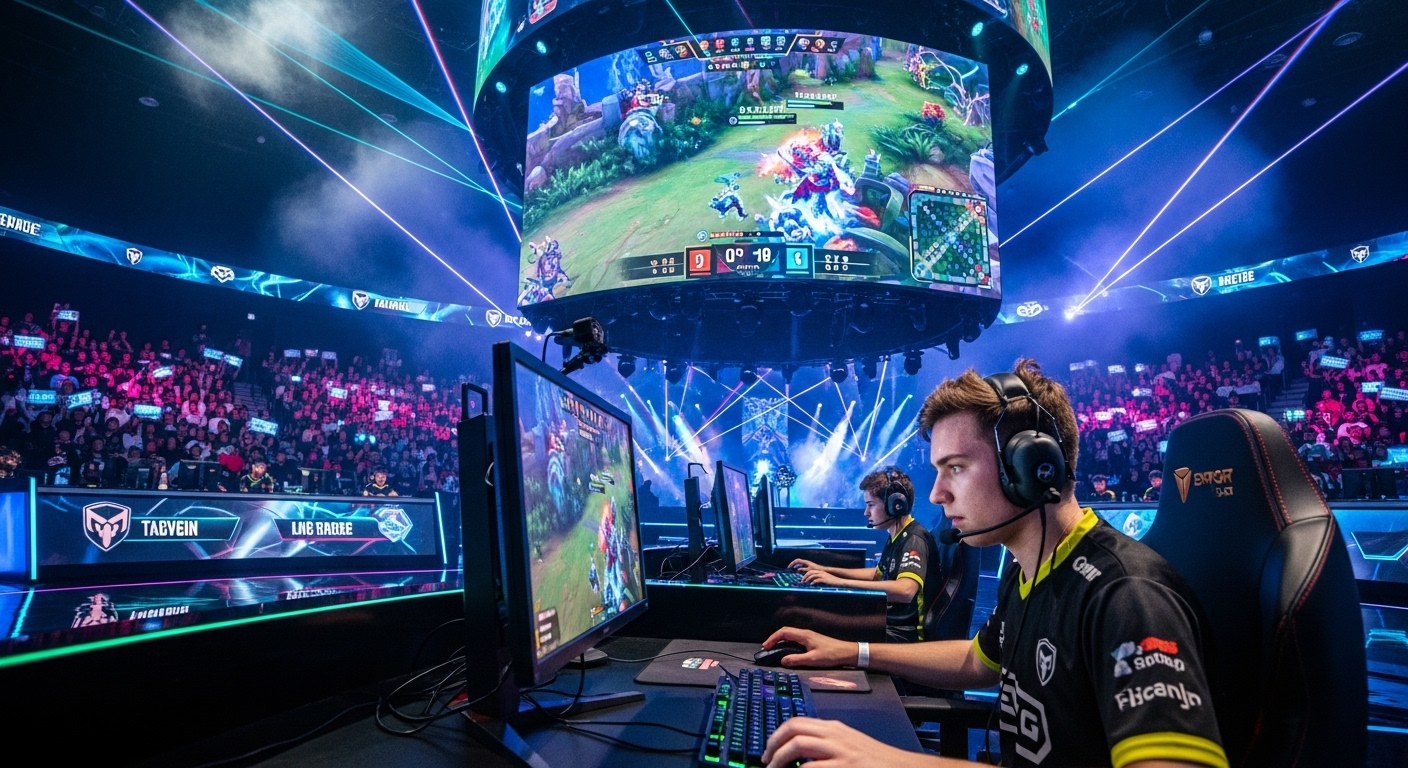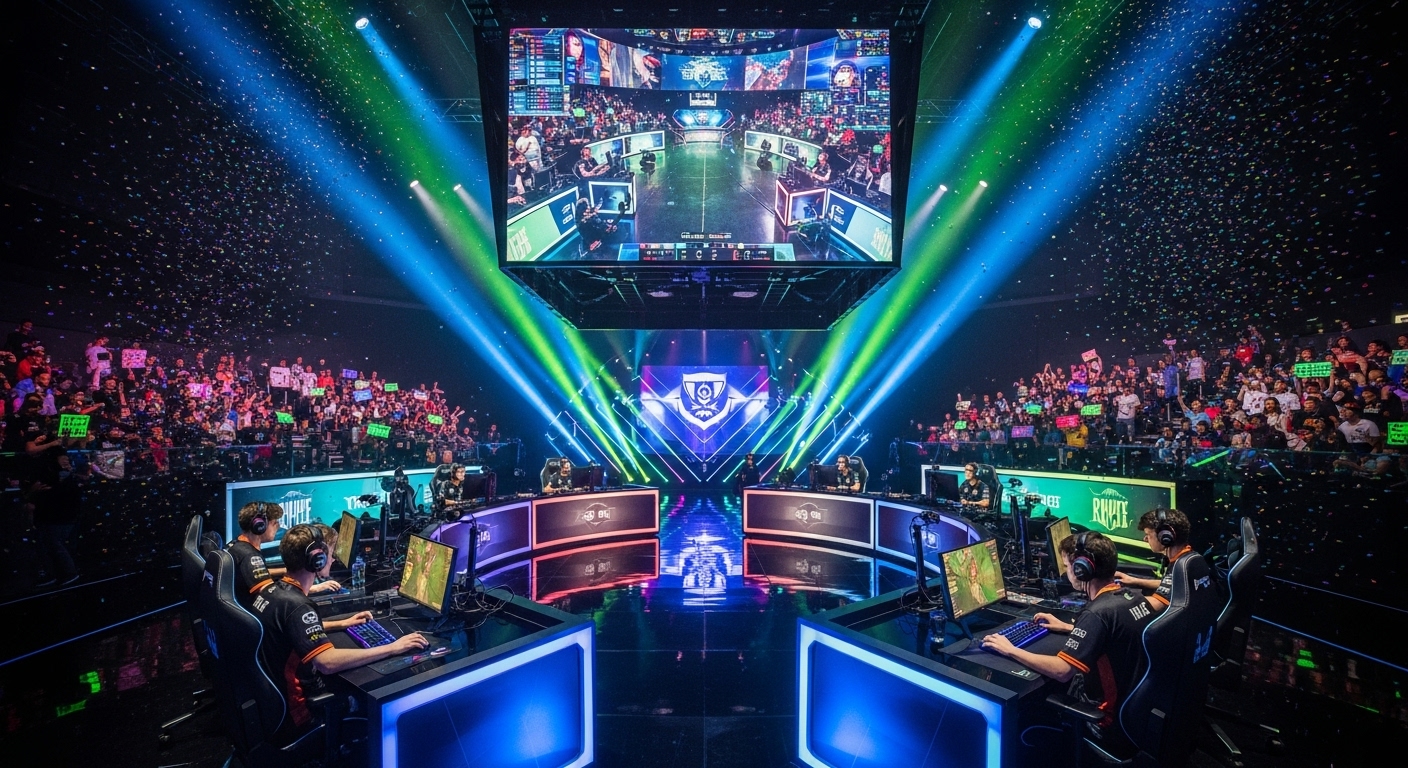

Esports, short for electronic sports, has grown from a niche pastime into a multi-billion-dollar global industry. Once considered a hobby for a small group of enthusiasts, competitive gaming now draws massive audiences, features professional players with international fame, and rivals traditional sports in both influence and economic impact. In this blog, we will explore the evolution of esports, its cultural significance, the business ecosystem behind it, the impact on players and audiences, and what the future holds for this dynamic industry.
The Origins of Esports
The roots of esports trace back to the earliest days of video gaming. In the 1970s and 1980s, arcade competitions and early console games allowed players to compete for high scores. Events like the Space Invaders Championship in 1980 attracted thousands of participants and demonstrated the potential for organized video game competitions.
As home consoles and personal computers became more common, competitive gaming shifted from public arcades to private homes. Games like Street Fighter, Mortal Kombat, and StarCraft became popular among dedicated communities who shared strategies, organized local tournaments, and celebrated high-level play.
The introduction of the internet in the 1990s and early 2000s was a turning point. Online multiplayer games allowed players to compete with individuals across the globe. This connectivity transformed casual competition into a global phenomenon. Titles such as Counter-Strike and Warcraft III became foundational in shaping esports culture and competitive structures.
The Professionalization of Esports
Esports began to professionalize in the 2000s. South Korea emerged as a pioneer with StarCraft: Brood War, where professional players achieved celebrity status, and television networks broadcast tournaments to massive audiences. Teams were formed, coaches and analysts were hired, and sponsorships became a critical part of the ecosystem.
Following South Korea’s model, the esports industry expanded worldwide. Games such as League of Legends, Dota 2, and Overwatch attracted millions of players and viewers. Global tournaments now featured structured leagues, standardized rules, and multi-million-dollar prize pools. Teams developed branding strategies similar to traditional sports franchises, creating a new class of entertainment-driven athletes.
Streaming platforms revolutionized how esports audiences engaged with competitive gaming. Twitch, YouTube Gaming, and other platforms allowed fans to watch live competitions, interact with players, and become part of the community. This direct connection between players and audiences fueled the rapid expansion of esports worldwide.
Popular Esports Titles
Different genres of games have shaped esports in unique ways. Multiplayer online battle arena (MOBA) games such as League of Legends and Dota 2 emphasize teamwork, strategy, and long-term planning. These games have produced some of the largest tournaments in history, with prize pools reaching tens of millions of dollars.
First-person shooters (FPS) like Counter-Strike: Global Offensive, Call of Duty, and Valorant focus on precision, reflexes, and tactical coordination. These games create high-intensity experiences for both players and spectators, often resulting in dramatic, memorable moments that captivate audiences.
Battle royale games such as Fortnite and Apex Legends have introduced a new competitive format emphasizing survival, adaptability, and strategic thinking. Their integration with streaming and social media has helped attract younger audiences and build dedicated communities.
Fighting games like Street Fighter and Super Smash Bros maintain passionate followings due to the combination of individual skill, timing, and strategy. Sports simulation games like FIFA and NBA 2K bring the excitement of traditional sports to digital platforms, allowing players to compete virtually in familiar leagues.
The Esports Ecosystem
Esports is a complex ecosystem that extends beyond the players themselves. Professional teams recruit talent, provide training facilities, coaches, analysts, and manage marketing and sponsorships. Teams operate as brands, and fan engagement is essential to their long-term success.
Leagues and tournaments organize competitions, establish rules, and manage prize pools. Premier events, such as The International for Dota 2 or the League of Legends World Championship, attract millions of viewers globally and offer prize pools that rival traditional sports tournaments.
Sponsors are vital to the esports industry. Companies ranging from tech and gaming hardware to lifestyle brands invest in teams, tournaments, and players to reach highly engaged audiences. Streaming platforms and media partners also contribute to revenue by hosting content, advertisements, and subscriptions.
The combination of players, teams, leagues, sponsors, and audiences creates a self-sustaining ecosystem that continues to grow rapidly, attracting investment and talent worldwide.
Careers in Esports
Esports provides a diverse range of career opportunities. While professional players earn salaries, sponsorship deals, and tournament winnings, the industry also employs coaches, analysts, managers, commentators, and content creators.
Top-tier players achieve global recognition, appearing in media, advertising campaigns, and fan events. Universities now offer esports scholarships, and some even run collegiate esports programs, legitimizing the industry as a professional pathway for young talent.
The expansion of esports careers demonstrates that competitive gaming is no longer a pastime but a viable profession. Players develop strategic thinking, teamwork, communication skills, and mental resilience, which are highly valued in both the esports industry and broader professional contexts.
The Role of Streaming Platforms
Streaming platforms have been transformative for esports. Twitch, YouTube Gaming, and other services allow audiences to watch live competitions, follow individual players, and interact in real-time. These platforms have turned spectators into active participants, fostering a sense of community around esports.
Streaming also enables content diversification. Beyond live tournaments, streamers create tutorials, entertainment-focused streams, commentary, and collaborative events that keep audiences engaged year-round. The accessibility of streaming platforms has allowed amateur players and smaller creators to reach global audiences, further democratizing the industry.
Esports and Cultural Influence
Esports has transcended gaming to become a cultural force. It influences fashion, music, entertainment, and social media trends. Professional players are often style icons, while tournaments feature live performances, musical acts, and celebrity appearances.
The industry promotes inclusivity. Unlike traditional sports, esports emphasizes skill and strategy over physical attributes, opening opportunities for players of diverse backgrounds. It also encourages global connectivity, as fans from different countries watch tournaments, celebrate victories, and engage with shared experiences.
Esports fosters creativity, social interaction, and collaboration, creating communities that extend beyond competition. It has become a platform for social engagement, cultural exchange, and digital identity.
The Business of Esports
Esports has developed into a multi-billion-dollar industry. Revenue streams include tournament winnings, sponsorships, merchandise sales, media rights, and advertising. As tournaments grow larger and viewership increases, esports organizations are investing in infrastructure such as training facilities, arenas, and content studios.
Brands are increasingly interested in esports audiences, who are young, engaged, and tech-savvy. Sponsorships allow companies to integrate marketing into gameplay, tournaments, and streaming content, creating unique opportunities for engagement. Merchandise and digital content further diversify revenue streams.
The esports business model mirrors traditional sports in many ways. Teams are managed as professional organizations with marketing, management, and coaching staff. Long-term investments in talent and infrastructure ensure sustainable growth for the industry.
Global Reach and Expansion
Esports is a global phenomenon. South Korea, China, and the United States were early leaders, while Europe, Southeast Asia, and Latin America continue to expand rapidly. International tournaments attract millions of viewers, streamed in multiple languages, creating shared experiences that cross borders.
Online competition allows players from remote regions to compete at the highest levels, ensuring that talent is not limited by geography. The global reach of esports also creates opportunities for cultural exchange, collaboration, and innovation within the industry.
Challenges Facing Esports
Despite its growth, esports faces significant challenges. Player burnout is a major concern, as professional gamers endure long practice hours, high-pressure tournaments, and public scrutiny. Mental and physical health support is increasingly important to ensure player longevity.
Regulation and standardization remain ongoing issues. Unlike traditional sports, esports varies widely between games, leagues, and regions. Establishing consistent rules, fair contracts, and ethical standards is crucial for long-term stability.
Cheating, hacking, and online security threats also pose risks to the integrity of competition. Ensuring fair play and safeguarding personal and financial data are top priorities for organizers and developers.
Public perception is another challenge. While esports is increasingly recognized as a legitimate sport, some still view it as casual entertainment rather than professional competition. Overcoming this stigma will require continued success, visibility, and mainstream integration.
Technological Innovations in Esports
Technology drives the evolution of esports. Streaming platforms, high-speed internet, cloud gaming, and performance-tracking tools enhance both gameplay and spectator experience. Virtual reality and augmented reality have the potential to create fully immersive competitions.
Artificial intelligence assists teams and players by analyzing gameplay, predicting strategies, and optimizing training. Advanced broadcasting technology allows audiences to experience matches with dynamic camera angles, real-time stats, and interactive features, creating a richer viewing experience.
Technological innovations also enhance accessibility, allowing new players and fans to engage with esports regardless of location, equipment, or expertise.
The Future of Esports
The future of esports is full of possibilities. Integration with virtual and augmented reality will create more immersive and interactive experiences. Personalization of content, AI-driven training, and global connectivity will continue to expand the industry.
Emerging markets in Africa, South America, and Southeast Asia will bring new talent and audiences, further increasing global participation. Partnerships with traditional sports leagues, media companies, and entertainment industries will strengthen mainstream recognition and legitimacy.
Esports will continue to evolve as both a competitive sport and a cultural phenomenon. Its influence on entertainment, education, social interaction, and technology is only beginning to be realized.
Conclusion
Esports has grown from humble beginnings to become a global industry that rivals traditional sports in influence, entertainment, and economic impact. It represents the intersection of gaming, technology, culture, and competition, creating a unique space where skill, strategy, and entertainment converge.
The industry’s continued growth depends on innovation, ethical management, and inclusivity. With technological advancements, increasing global engagement, and professionalization, esports is poised to remain a central force in entertainment and competitive culture for decades to come.
Competitive gaming is more than just playing video games — it is a global movement that connects millions of people, celebrates creativity and skill, and shape