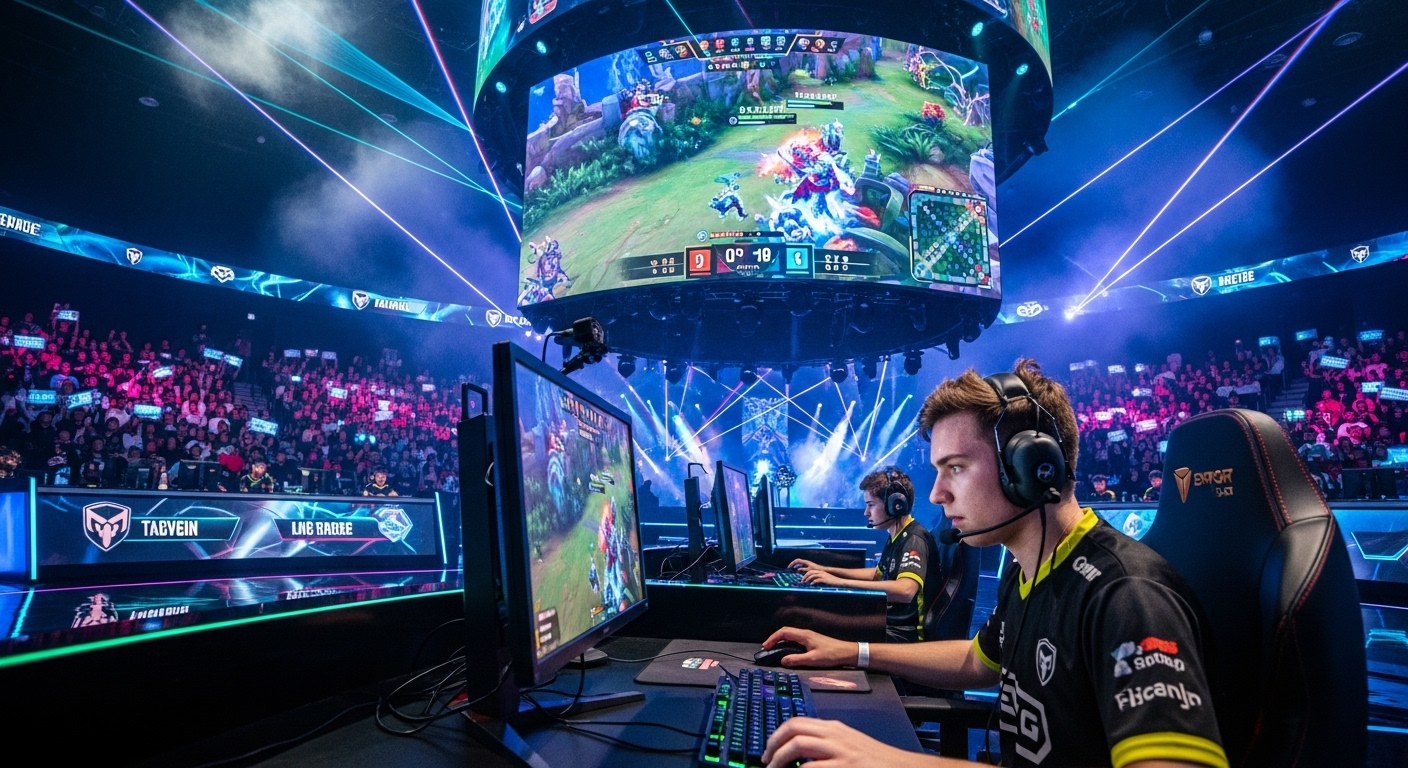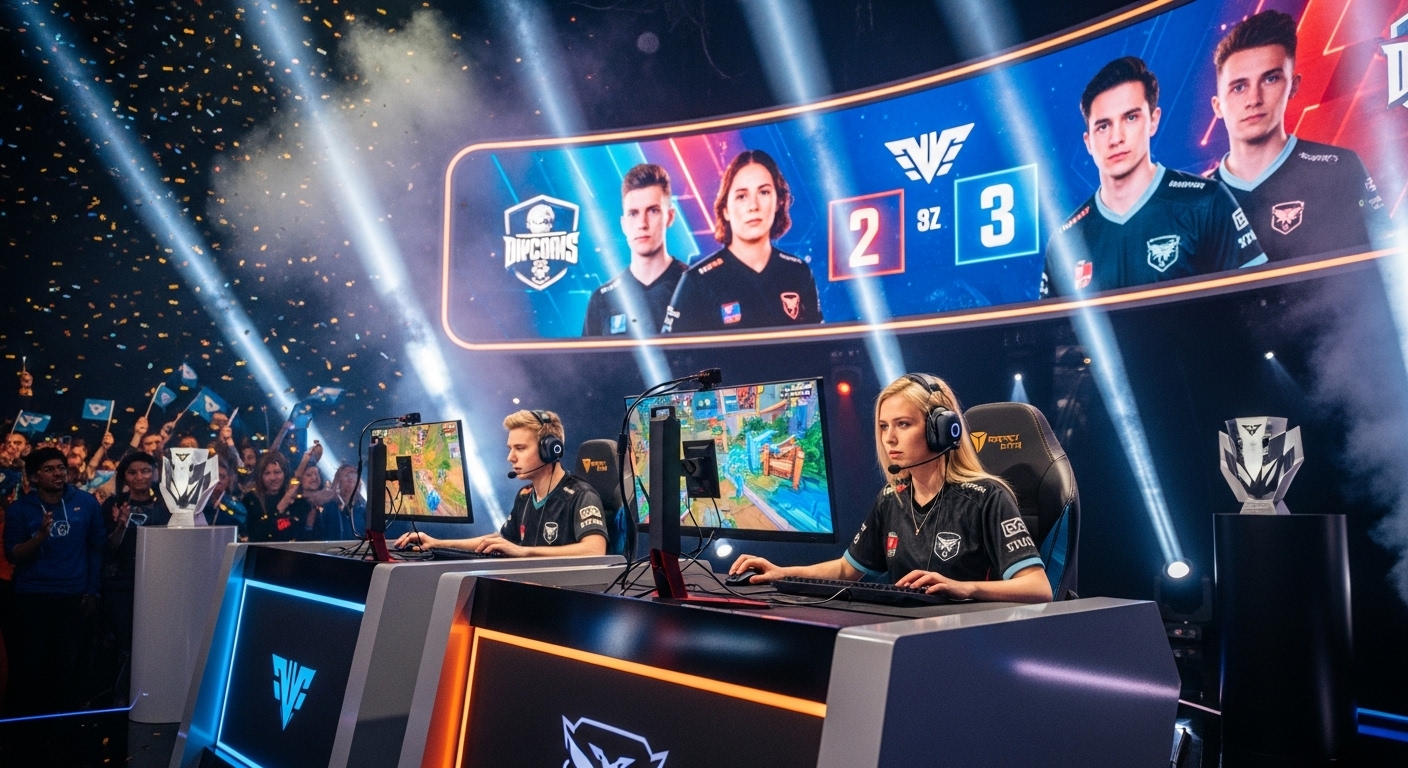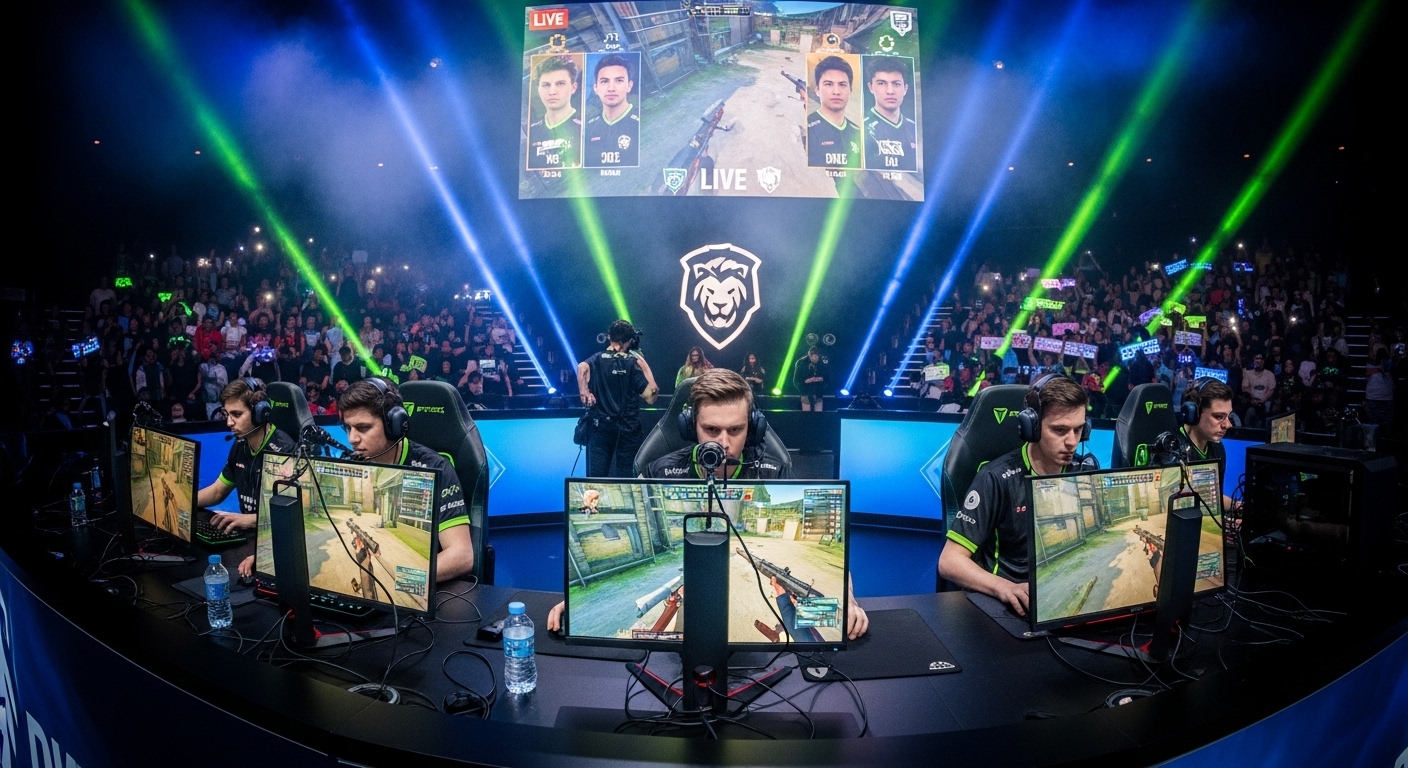
Esports, short for electronic sports, has become one of the most dynamic and rapidly growing industries in the world. It has evolved from a niche hobby into a global phenomenon that attracts millions of players, viewers, and fans. In the early days of competitive gaming, tournaments were small and localized, often involving friends competing against each other. Today, esports has expanded into a multi-billion-dollar industry, with professional players, dedicated teams, massive prize pools, and a global audience watching events live or online. In this blog post, we’ll explore the rise of esports, its rapid growth, the major games and events that define the scene, and its cultural and economic impact on both the gaming industry and the broader world of entertainment.
The Rise of Esports: From Casual Competition to Global Phenomenon
Esports can trace its roots back to the 1970s, when early video games were first introduced. The first organized video game competition took place in 1972 at Stanford University, where students competed in a game called Spacewar. However, it wasn’t until the 1990s that competitive gaming started to gain more attention. Games like Doom, Quake, and StarCraft became staples of early esports competitions, with players facing off in LAN (local area network) tournaments. These events, often held in small venues, allowed players to showcase their skills and compete for modest prizes.
The next major milestone in esports occurred in the early 2000s with the advent of online multiplayer gaming. The rise of broadband internet allowed players from around the world to connect, creating a new, global platform for competitive gaming. Games like Counter-Strike, Warcraft III, and StarCraft: Brood War became central to esports’ growth, and major tournaments like the World Cyber Games (WCG) and ESL (Electronic Sports League) started to emerge.
By the late 2000s and early 2010s, esports began to gain mainstream attention, with the rise of popular games such as League of Legends, Dota 2, and Counter-Strike: Global Offensive. Major events began to draw large crowds, both online and offline, with some tournaments filling entire arenas. As online streaming platforms like Twitch and YouTube Gaming grew, the ability to watch esports events from home became easier, further propelling the industry’s growth.
The Core Elements of Esports
Esports is not just about playing video games—it’s a multifaceted ecosystem that includes players, teams, sponsors, broadcasters, event organizers, and fans. Understanding these core components helps us grasp how the esports world operates.
1. Professional Players and Teams
At the heart of esports is the professional player. Esports athletes are incredibly skilled individuals who devote hours each day to training, practicing, and competing. Just like traditional athletes, esports players have to maintain high levels of mental and physical fitness. Their reflexes, decision-making abilities, communication, and teamwork are constantly tested in high-pressure environments. Top players often sign contracts with esports organizations or teams that offer them salaries, sponsorship deals, and other benefits.
Professional esports teams compete in various games across different genres. Some of the most popular games in esports include League of Legends, Dota 2, Counter-Strike: Global Offensive, Overwatch, Fortnite, Valorant, and Call of Duty. These teams participate in regular tournaments and leagues, aiming for victories that come with significant prize money and prestige.
2. Tournaments and Leagues
Esports tournaments and leagues are the primary venues where professional players and teams compete for titles and prize money. These events are often structured in a way that mimics traditional sports leagues, with seasons, playoffs, and championships.
Some of the most famous esports tournaments include:
- The International (Dota 2): Known for its record-breaking prize pool, The International is one of the biggest esports tournaments in the world. The competition brings together the best Dota 2 teams from around the world to compete for millions of dollars.
- League of Legends World Championship: The annual World Championship for League of Legends features top teams from various regions, culminating in a global competition watched by millions.
- Overwatch League: This league follows a traditional city-based team structure, similar to professional sports leagues like the NBA and NFL, and has brought Overwatch into the spotlight as a competitive title.
- CS:GO Major Championships: The Counter-Strike: Global Offensive Major Championships are some of the most prestigious events in competitive gaming, where top teams battle for global supremacy.
3. Streamers and Content Creators
Streaming has become a central aspect of the esports ecosystem. Platforms like Twitch and YouTube Gaming allow players and content creators to live-stream their gameplay, engage with their audiences, and build large communities. Streamers provide entertainment by broadcasting their competitive matches, creating educational content, or simply playing games for fun.
Many professional esports players also stream their gameplay, offering fans a behind-the-scenes look at their practice routines and strategies. Popular streamers like Ninja (Tyler Blevins), Shroud, and Pokimane have amassed millions of followers and are considered celebrities in the gaming world. These influencers often collaborate with brands, participate in charity events, and even launch their own products, further blurring the line between competitive gaming and mainstream entertainment.
4. Sponsors and Partnerships
Like traditional sports, esports relies heavily on sponsorships and partnerships to fund events, teams, and players. Major brands, ranging from tech giants like Intel and ASUS to beverage companies like Coca-Cola and Red Bull, have invested heavily in esports. These companies recognize the immense potential of the esports audience, which is often young, tech-savvy, and highly engaged.
Sponsorship deals provide teams and organizations with the financial backing they need to compete at the highest level, while also offering brands the opportunity to reach an audience that is increasingly turning to esports for entertainment.
5. Broadcasting and Media
Broadcasting plays a critical role in the success of esports. Major events are live-streamed on platforms like Twitch, YouTube, and Facebook, with millions of viewers tuning in to watch the action unfold. These broadcasts feature professional commentators (often called casters), analysts, and hosts who provide insight and commentary, much like traditional sports broadcasts.
In addition to live-streaming, esports has become a staple of digital media, with dedicated esports news outlets, YouTube channels, and podcasts. These platforms offer coverage of tournaments, player interviews, team news, and even in-depth analyses of gameplay strategies. The growth of esports media has further legitimized competitive gaming as a form of entertainment.
The Growth of Esports
The growth of esports has been staggering. According to estimates, the global esports industry is worth over $1 billion, and its audience is expected to surpass 500 million by 2024. Several factors have contributed to this rapid expansion.
1. The Impact of Streaming
Streaming platforms have been instrumental in the growth of esports. Twitch, in particular, has revolutionized the way esports events are consumed. Esports fans can now watch live matches from anywhere in the world, interact with players and casters in real-time, and be a part of a community. The accessibility of esports content has helped the industry reach a global audience, with millions of viewers tuning in for major events.
The interactive nature of streaming also plays a role in fostering a deeper connection between players and fans. Viewers can donate money, subscribe to their favorite streamers, and even interact with them through chat, creating a more personalized experience. This engagement has helped esports develop a loyal and dedicated fan base.
2. The Role of Mobile Gaming
The rise of mobile gaming has opened up new possibilities for esports. Games like Clash Royale, PUBG Mobile, and Arena of Valor have created competitive ecosystems for mobile gamers, allowing them to compete in tournaments and leagues. The accessibility of mobile gaming has expanded the reach of esports to players who may not have access to high-end PCs or consoles, democratizing the world of competitive gaming.
Mobile esports events have gained significant traction in regions like Southeast Asia and India, where smartphone penetration is high. This has led to the creation of mobile-only esports leagues, with huge prize pools and sponsorships, further solidifying esports as a global entertainment industry.
3. Esports in the Olympics?
One of the most talked-about developments in recent years is the potential inclusion of esports in the Olympic Games. The International Olympic Committee (IOC) has acknowledged the growing popularity of esports and has discussed the possibility of adding esports as a medal event in future Olympics. While this idea has sparked debates about whether video gaming qualifies as a true sport, it highlights the growing recognition of esports in mainstream culture.
The inclusion of esports in the Olympics would be a huge step toward legitimizing competitive gaming and further expanding its audience. It could also help bridge the gap between traditional sports and digital entertainment, opening up new avenues for sponsorship, media coverage, and fan engagement.
The Cultural Impact of Esports
Esports has had a profound impact on gaming culture and beyond. It has reshaped how we view competitive play, professional gaming, and the nature of entertainment itself.
1. Redefining Sports and Entertainment
Esports is challenging traditional definitions of sports. While traditional sports emphasize physical skill and athleticism, esports focuses on mental acuity, strategy, and teamwork. As a result, esports has garnered a diverse following, with fans ranging from gamers who enjoy playing the games to those who simply enjoy watching the intense competition.
Esports has also influenced other forms of entertainment. The rise of esports has led to the creation of gaming-themed TV shows, documentaries, and movies. Popular culture is beginning to embrace esports, and major networks like ESPN have started broadcasting esports events alongside traditional sports. This shift is helping esports gain the respect it deserves as a legitimate form of entertainment.
2. A Career Path for Gamers
Esports has also created new career opportunities. Professional players can earn significant salaries from tournament winnings, sponsorships, and streaming. In addition to players, esports has opened up job opportunities for coaches, analysts, broadcasters, event organizers, and content creators. Many universities have even started offering scholarships and degree programs related to esports, further solidifying the industry’s legitimacy as a career path.
For young gamers, esports offers the possibility of turning their passion into a full-time profession. This has led to a new generation of role models who inspire others to pursue their dreams within the gaming and esports industries.
The Future of Esports
The future of esports is incredibly bright. With technological advancements, increasing global interest, and new revenue streams, esports is poised to continue its upward trajectory. As mobile gaming, streaming, and virtual reality continue to evolve, esports will likely become even more immersive, accessible, and engaging for fans and players alike.
As more brands, media outlets, and governments invest in esports, it is clear that competitive gaming is no longer just a passing trend. Esports is here to stay and will continue to shape the world of entertainment for years to come.
Conclusion
Esports has come a long way from its humble beginnings. What was once a niche activity has transformed into a thriving industry that is now at the forefront of global entertainment. With professional leagues, major sponsors, and millions of passionate fans, esports is proving that competitive gaming is more than just a hobby—it’s a global sport. As technology advances and the world becomes more interconnected, the reach of esports will only continue to grow, cementing its place as one of the most exciting and lucrative industries in the world.