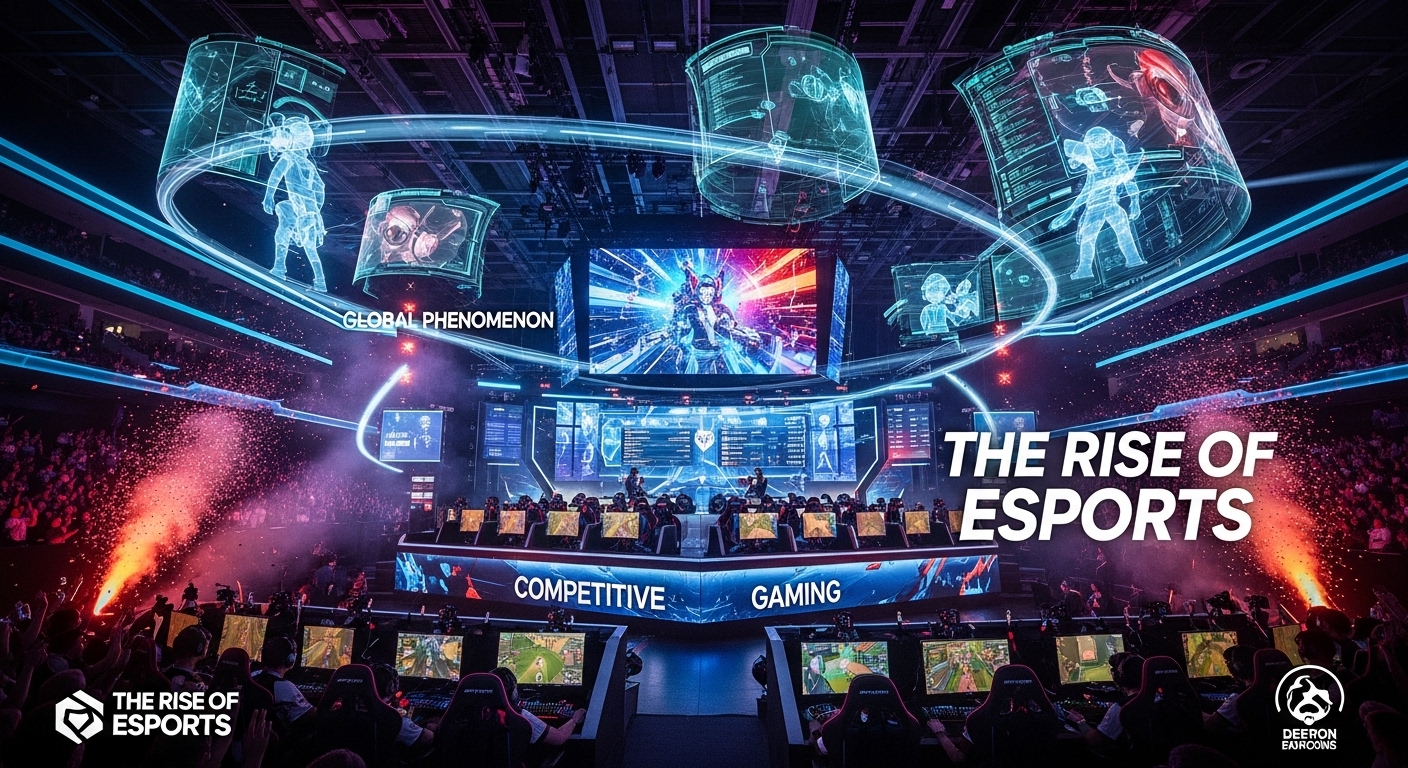
Esports has grown from small local competitions to a global entertainment phenomenon. Over the last two decades, competitive gaming has evolved dramatically, transforming tournaments into highly organized, professional events that draw millions of viewers and generate multi-million-dollar prize pools. The evolution of esports tournaments reflects the broader growth of the industry, driven by technological innovation, audience engagement, and the rise of professional teams.
Understanding the transformation of esports tournaments provides insight into how competitive gaming has become a mainstream form of entertainment. From basement LAN parties to massive stadium events and global online competitions, esports tournaments have redefined what it means to compete and watch games at the highest level. This blog explores the evolution of esports tournaments, highlighting their growth, key milestones, and the factors driving their worldwide popularity.
Early Beginnings of Esports Competitions
The origins of esports tournaments can be traced back to the late 1990s and early 2000s, when gaming communities began organizing local competitions. Early events were often small-scale LAN (Local Area Network) parties, where players competed in popular games like StarCraft, Counter-Strike, and Quake.
1. LAN Parties and Community Competitions
These early competitions were driven by passion rather than profit. Players would gather in homes, internet cafes, or community centers to compete in small-scale tournaments. While modest in size, these events laid the foundation for professional esports by fostering competitive communities and a culture of organized gaming.
2. Rise of Online Play
With the advent of broadband internet, online tournaments became increasingly popular. Players could now compete against others across cities, countries, and continents. Games like Warcraft III and Counter-Strike became staples of online competition, allowing tournaments to scale beyond local communities.
3. Early Prize Pools and Sponsorship
Initial tournaments offered small cash prizes or gaming equipment. Early sponsorships from local gaming shops and tech companies helped legitimize competitions and encouraged more players to participate.
These early stages established the competitive spirit and organizational structures that would later define professional esports tournaments.
The Growth of Major Esports Leagues
As gaming communities expanded, tournaments became more structured and professional. The early 2000s saw the emergence of major esports leagues that standardized competition formats, rules, and schedules.
1. Professional Leagues and Global Competitions
Leagues such as the Cyberathlete Professional League (CPL) and the World Cyber Games (WCG) provided consistent platforms for professional players and teams. These leagues introduced formalized brackets, rankings, and international representation, attracting larger audiences and establishing esports as a competitive profession.
2. Sponsorship and Media Coverage
Major tournaments began attracting sponsorships from tech companies, energy drinks, and peripheral brands. Media coverage, initially limited to gaming magazines and forums, expanded with streaming platforms and television broadcasts, creating a new revenue model for tournaments.
3. Rise of Signature Games
Certain games became synonymous with competitive tournaments. StarCraft: Brood War, Counter-Strike, and Warcraft III dominated early professional circuits, creating loyal fan bases and driving tournament viewership. The specialization around these games allowed players to develop careers and teams to establish identities.
The growth of professional leagues marked a shift from informal competitions to structured, commercially viable events, laying the groundwork for today’s global esports ecosystem.
The Streaming Revolution
A pivotal moment in the evolution of esports tournaments was the rise of online streaming platforms. Platforms like Twitch, YouTube Gaming, and later Facebook Gaming allowed tournaments to reach global audiences instantly.
1. Global Accessibility
Streaming enabled fans worldwide to watch live events in real time, eliminating geographic barriers. Players from different countries could compete online, while viewers could follow tournaments without attending in person.
2. Interactive Fan Experience
Streaming introduced live chat, polls, and real-time engagement features, allowing fans to interact with casters, players, and each other. This interactivity transformed tournaments from passive spectating into a social experience.
3. Monetization Opportunities
Streaming platforms created new revenue streams for tournament organizers. Ad revenue, subscriptions, and viewer donations provided financial stability, allowing tournaments to increase prize pools, production quality, and player salaries.
The streaming revolution turned esports tournaments into accessible, interactive, and highly profitable events, setting the stage for the global esports boom.
Stadium Events and Live Spectacles
As esports popularity grew, tournaments expanded beyond online platforms into massive live events. Stadiums, convention centers, and arenas became the new venues for major competitions, creating experiences comparable to traditional sports events.
1. Large-Scale Venues
Tournaments like The International (Dota 2) and the League of Legends World Championship began filling arenas with tens of thousands of fans. The scale of these events elevated esports’ status and attracted mainstream media attention.
2. Production Value and Entertainment
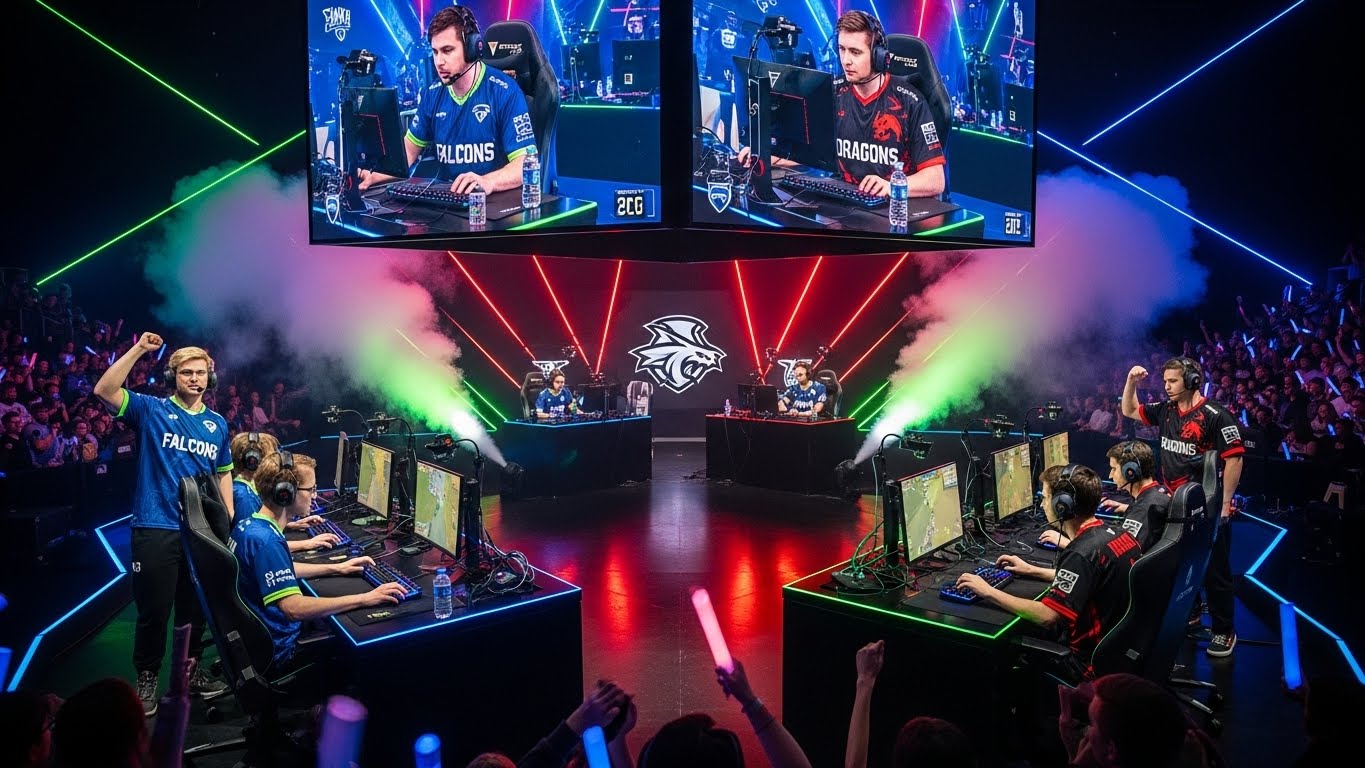
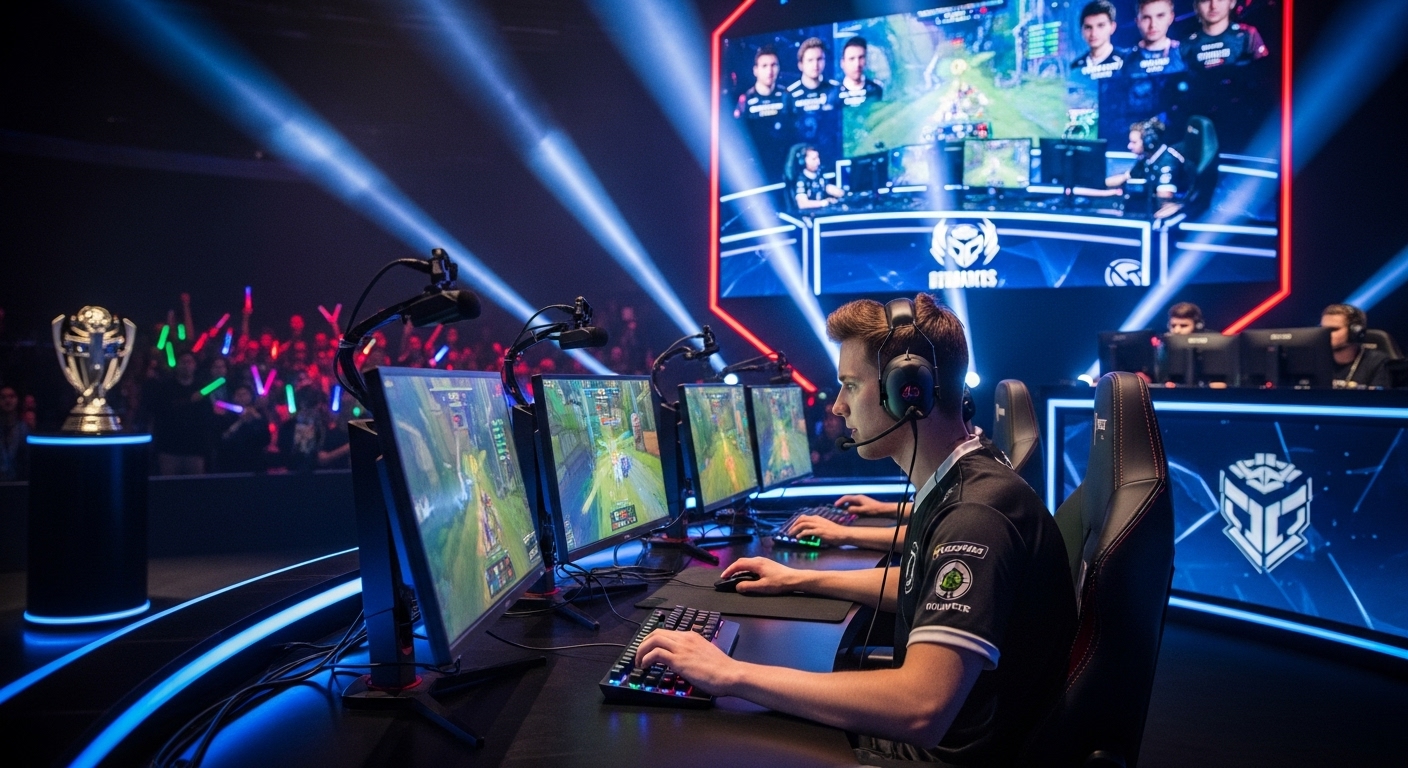
Modern esports tournaments feature professional commentary, stage design, lighting, and multimedia presentations. These elements enhance viewer engagement and create a spectacle that rivals traditional sports entertainment.
3. Fan Engagement On-Site
Live events allow fans to meet players, participate in cosplay, and enjoy interactive exhibits. The combination of gaming, entertainment, and community fosters a sense of belonging and excitement that streaming alone cannot replicate.
Stadium events represent the maturation of esports tournaments into a polished, mainstream entertainment experience.
Franchise Systems and Structured Leagues
Recent years have seen the introduction of franchise-based leagues, which mirror traditional sports models. Teams purchase slots in leagues, creating stability and predictable revenue streams for organizers and players.
1. Consistent Competition
Franchise systems, such as the Overwatch League and League of Legends Championship Series, provide consistent scheduling, player contracts, and team branding. This structure supports long-term planning, fan loyalty, and sponsorship opportunities.
2. Revenue Sharing
Teams in franchise leagues benefit from shared media rights, sponsorship deals, and merchandising revenue. This financial model encourages investment in infrastructure, training facilities, and player development.
3. Global Reach and Branding
Franchise leagues often span multiple regions, allowing teams to build international fan bases. Branding and merchandising opportunities grow alongside the league’s visibility, contributing to the overall professionalization of esports tournaments.
Franchise systems have solidified esports as a professional and financially sustainable industry.
Technological Advancements in Tournament Production
Technology continues to shape the evolution of esports tournaments, enhancing both player performance and viewer experience.
1. Real-Time Analytics
Advanced statistics and analytics tools provide insights into gameplay, allowing commentators to break down strategies and viewers to understand the nuances of competition.
2. Virtual Reality and Augmented Reality
VR and AR technologies are beginning to enhance tournaments, offering immersive perspectives, interactive overlays, and fan experiences that were impossible a decade ago.
3. AI and Automated Production
Artificial intelligence helps streamline tournament operations, from scheduling matches to analyzing performance metrics. Automated camera systems and AI-driven commentary improve production efficiency and engagement.
Technological innovation ensures that esports tournaments remain dynamic, engaging, and continually evolving.
Globalization of Esports Tournaments
Esports tournaments have become a truly global phenomenon. Competitions now attract players from multiple continents, with international audiences numbering in the millions.
1. Cross-Regional Competitions
Major tournaments regularly feature teams from North America, Europe, Asia, and Latin America, creating diverse matchups and global fan appeal.
2. Regional Qualifiers and Leagues
Regional leagues feed into global tournaments, ensuring representation and competitive balance. This structure strengthens local esports ecosystems while contributing to international competition.
3. Cultural Impact
Global tournaments influence gaming culture worldwide, from fan communities to professional standards. Esports has become a shared experience for millions, transcending language, geography, and traditional sports boundaries.
Globalization has transformed esports tournaments into a universal entertainment phenomenon, connecting players and fans across continents.
The Future of Esports Tournaments
The evolution of esports tournaments is ongoing. Future developments are likely to include larger prize pools, more immersive fan experiences, enhanced broadcasting technologies, and even integration with traditional sports events.
1. Hybrid Physical and Digital Events
Tournaments may increasingly combine live stadium experiences with interactive online participation, creating hybrid events that maximize engagement.
2. Expanded Game Diversity
New competitive games and genres will continue to emerge, broadening the scope of tournaments and attracting diverse audiences.
3. Enhanced Fan Interactivity
Technology will further empower fans to influence viewing experiences, from real-time statistics and analytics to interactive content and personalized streams.
The future promises continued growth, innovation, and professionalization, ensuring esports tournaments remain at the forefront of digital entertainment.
Conclusion
Esports tournaments have evolved from small community competitions to global spectacles that rival traditional sports events in scale, professionalism, and cultural impact. Advances in streaming, technology, stadium production, and franchise systems have transformed tournaments into highly organized, profitable, and engaging experiences for players and fans alike.
The evolution of esports tournaments reflects the growth of the entire industry, highlighting how competitive gaming has become mainstream, professional, and globally connected. As technology advances and audiences expand, esports tournaments will continue to innovate, captivating millions of fans and setting new standards for competitive entertainment.
In 2025 and beyond, esports tournaments will remain a driving force in digital entertainment, combining skill, strategy, spectacle, and community into a truly modern phenomenon.