Introduction to Esports
In the modern digital era, few industries have experienced growth as explosive and dynamic as esports. Once considered a niche pastime limited to small groups of gamers, esports has transformed into a global phenomenon that rivals traditional sports in viewership, revenue, and cultural influence. From packed arenas filled with roaring fans to online tournaments that attract millions of viewers worldwide, competitive gaming has become one of the defining features of 21st-century entertainment. The term “esports,” short for electronic sports, refers to organized, competitive video gaming where individuals or teams face off in various games for prestige, sponsorships, and substantial prize money.
This evolution has not happened overnight. The roots of esports can be traced back to the early days of video gaming, where competitions were simple and localized. However, with the rapid advancement of internet technology, streaming platforms, and high-performance gaming hardware, esports has developed into a multibillion-dollar global industry. It represents a fusion of competition, technology, and community that has redefined how people interact with games and how society perceives gaming culture.
The Origins and Early Development of Esports
The concept of competitive gaming began in the 1970s when video games were first introduced to the public. The earliest recorded video game competition took place in 1972 at Stanford University, where players competed in a game called “Spacewar.” The prize was modest, but it marked the beginning of an entirely new form of entertainment. In the 1980s, arcade culture became mainstream, and high-score competitions in games like Pac-Man and Donkey Kong were featured in magazines and local tournaments.
The 1990s saw the first real transformation of competitive gaming with the rise of personal computers and the internet. Games such as Doom and Quake introduced multiplayer experiences that connected players across different regions. Local area network (LAN) parties became popular gathering spots for gamers to compete head-to-head. It was during this era that professional gaming leagues started to appear, and organized tournaments with cash prizes became more common.
As the 2000s arrived, broadband internet and online gaming platforms allowed for international competitions. Titles like Counter-Strike, Warcraft III, and StarCraft became staples of the growing esports community. South Korea emerged as a global hub for esports, with television networks broadcasting matches and professional players achieving celebrity status. The structured leagues, sponsorship deals, and professional organizations that developed in South Korea would later serve as the model for the global esports industry.
The Growth of Esports as a Global Industry
The 2010s were the defining decade for esports. Streaming platforms such as Twitch, YouTube Gaming, and Facebook Gaming changed how audiences consumed content. Instead of watching on traditional television, fans could now follow their favorite players and teams in real time, interact with them through chat, and become part of the digital community. Major titles like League of Legends, Dota 2, Counter-Strike: Global Offensive, and Overwatch established professional leagues with massive prize pools and global tournaments.
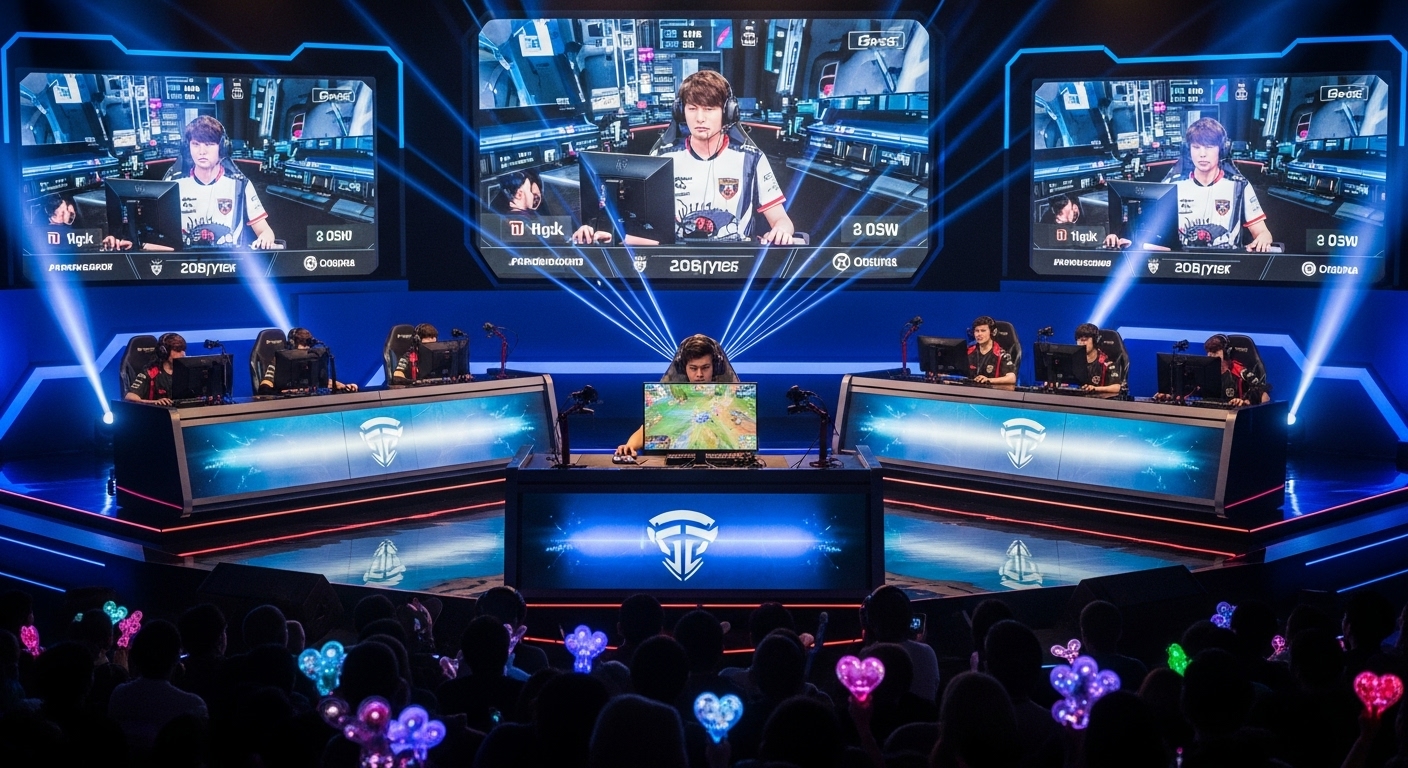
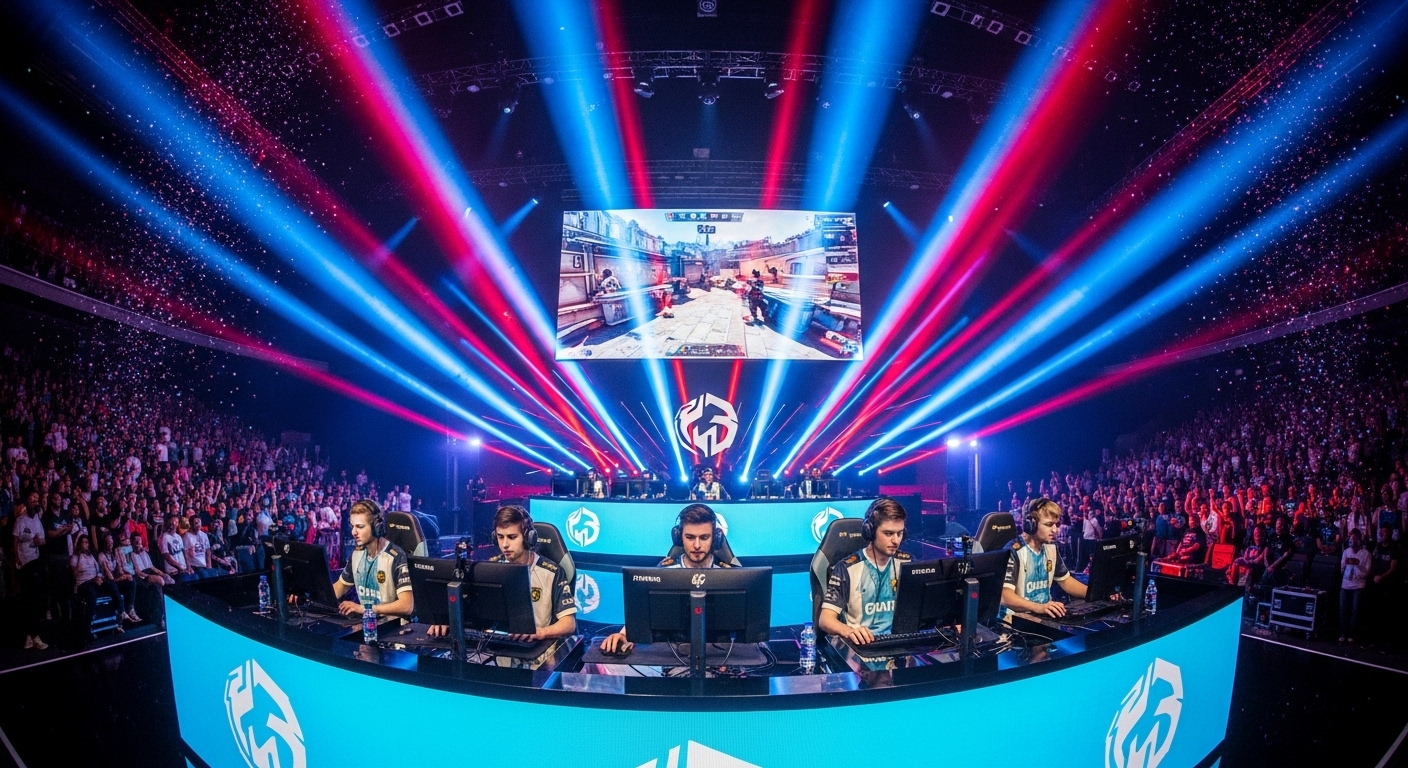
The International, Dota 2’s flagship event, became particularly famous for its record-breaking prize pools funded through crowd contributions. Similarly, Riot Games’ League of Legends World Championship filled entire stadiums and drew millions of online viewers. These events were no longer small gaming gatherings; they were grand spectacles comparable to the Olympics or the World Cup.
Esports organizations began operating like traditional sports clubs, complete with coaches, analysts, nutritionists, and even psychologists to support their players. Corporate sponsorships and investments from major brands flooded the industry, further legitimizing esports as a professional career path. Universities began offering esports scholarships, and educational institutions introduced degree programs focusing on esports management and marketing.
Popular Esports Titles and Their Impact
Esports encompasses a wide variety of genres, each with its unique style, fan base, and competitive structure. Some of the most influential esports games include:
1. League of Legends (LoL): A multiplayer online battle arena (MOBA) game developed by Riot Games. LoL is one of the cornerstones of the esports industry, with a massive global following and structured professional leagues across multiple regions.
2. Dota 2: Known for its complexity and strategic depth, Dota 2 boasts one of the highest prize pools in competitive gaming history. Its annual event, The International, sets new financial records nearly every year.
3. Counter-Strike: Global Offensive (CS:GO): A tactical first-person shooter that demands precision, teamwork, and strategy. CS:GO has maintained its popularity for over a decade and remains one of the most-watched esports titles.
4. Fortnite: Epic Games’ battle royale sensation revolutionized competitive gaming with its mix of shooting, building mechanics, and accessible gameplay. Fortnite tournaments have attracted younger audiences and massive sponsorships.
5. Valorant: Another Riot Games creation, Valorant combines the tactical depth of CS:GO with hero-based abilities, creating a fresh competitive experience that has quickly gained traction.
6. Overwatch: A team-based shooter developed by Blizzard Entertainment, Overwatch introduced the Overwatch League, one of the first franchised esports leagues modeled after traditional sports.
Each of these games has contributed to the growth of esports in unique ways. They foster global communities, create opportunities for aspiring players, and drive innovation in both technology and broadcasting.
The Professional Esports Athlete
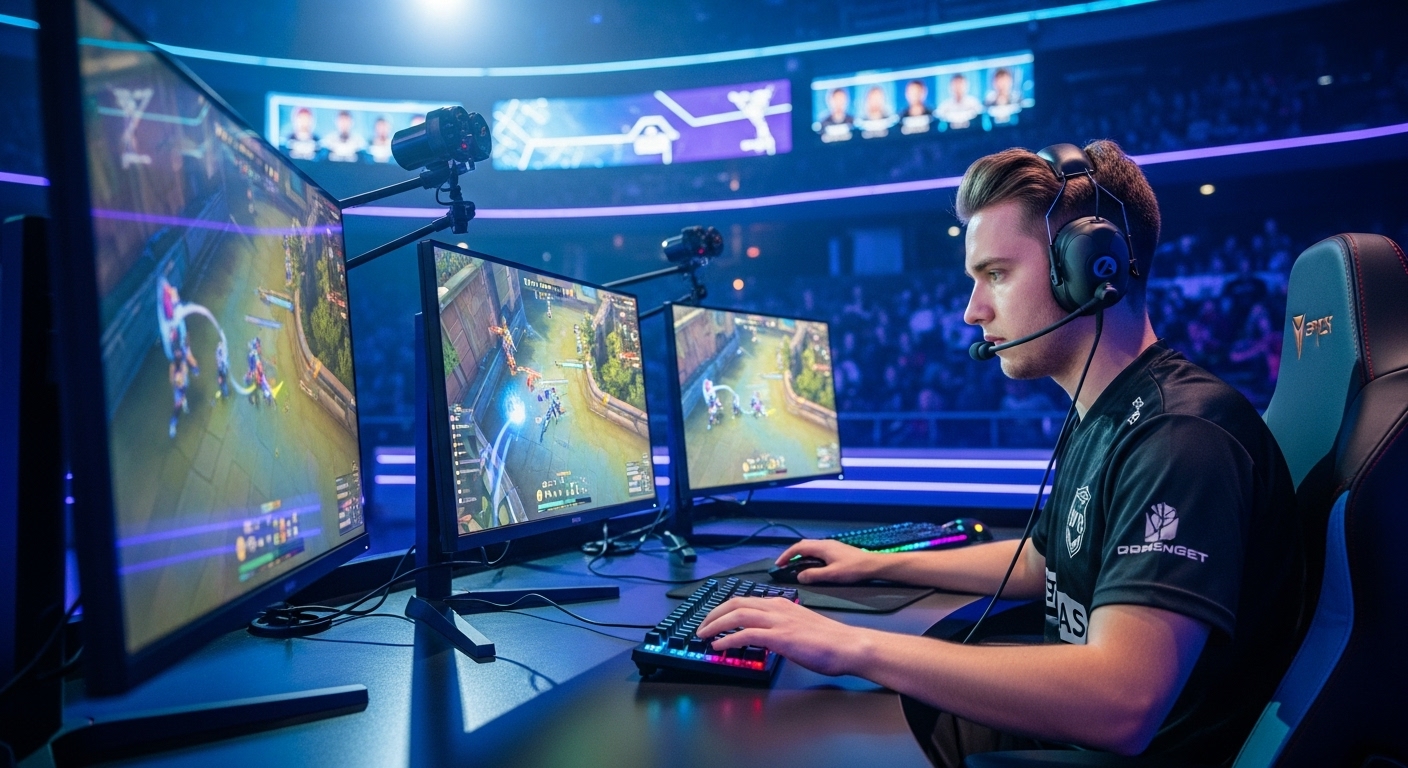
The life of a professional esports athlete is far more demanding than many realize. These players dedicate countless hours to practice, strategy development, and teamwork. A typical training schedule can span eight to twelve hours per day, involving mechanical skill improvement, reviewing gameplay footage, and scrimmaging against other teams.
Professional players also undergo physical training to maintain health, as the sedentary nature of gaming can lead to issues such as poor posture or repetitive strain injuries. Mental health support has become a crucial aspect of esports as well, given the intense pressure and competition players face. Teams employ sports psychologists to help players manage stress, improve focus, and handle the mental challenges of the competitive scene.
Contrary to stereotypes, professional gamers must exhibit exceptional discipline, coordination, and quick decision-making. Reaction times are measured in milliseconds, and teamwork must be seamless. Much like athletes in traditional sports, they must also deal with public scrutiny, brand obligations, and the constant need to perform at the highest level.
The Role of Technology in Esports Advancement
Esports would not exist without technological innovation. High-performance gaming computers, low-latency internet connections, and advanced graphics engines have made modern esports possible. Furthermore, broadcasting tools and streaming platforms have transformed how audiences engage with content.
Virtual reality (VR) and augmented reality (AR) technologies are starting to influence the next phase of esports development, offering immersive viewing experiences and innovative gameplay modes. Artificial intelligence (AI) and machine learning are also being integrated into training, allowing teams to analyze massive amounts of gameplay data to identify strategies and weaknesses.
The use of analytics has become central to esports success. Data-driven decision-making allows coaches and analysts to fine-tune performance, develop counter-strategies, and better understand opponents’ tendencies. In many ways, esports is at the forefront of the digital transformation in sports entertainment.
The Esports Audience and Community
One of the most powerful aspects of esports is its community. Fans are not just passive viewers—they are active participants who engage with players, teams, and content creators. Streaming platforms have made interaction seamless, enabling fans to chat live during matches and follow their favorite personalities daily.
Esports audiences are also younger and more diverse than traditional sports audiences. They are digital natives who consume media across multiple platforms and value authenticity and community over traditional advertising. This demographic shift has attracted major brands seeking to connect with younger consumers through sponsorships and collaborations within the esports ecosystem.
Fan engagement goes beyond watching matches. Many fans play the same games as the professionals they admire, creating a sense of connection and aspiration. Cosplay, fan art, online discussions, and fan-run tournaments all contribute to the vibrant culture surrounding esports.
Economic Impact and Sponsorship Growth
The esports economy is thriving, with revenue streams coming from sponsorships, media rights, ticket sales, and merchandise. Major corporations have entered the esports scene, recognizing its marketing potential. Companies from industries such as technology, apparel, food, and automotive sponsor teams and tournaments to reach engaged audiences.
Broadcasting rights have also become a key source of revenue, as streaming platforms compete for exclusive deals to air major events. Additionally, esports venues and arenas are being constructed in cities worldwide, signaling the permanence of esports as a mainstream form of entertainment.
The financial success of esports has also created numerous career opportunities beyond professional play. Roles in event management, broadcasting, marketing, game development, and journalism have emerged, expanding the industry’s employment landscape.
Esports in Education and Society
The acceptance of esports in education is one of the most notable cultural shifts in recent years. Universities and schools now recognize esports as a legitimate extracurricular activity and even offer scholarships to talented players. Educational programs focusing on game design, esports management, and digital media prepare students for careers in the expanding industry.
Esports also promotes valuable skills such as teamwork, communication, problem-solving, and adaptability. It has become a tool for social connection, especially in an age where digital interaction plays a major role in everyday life. Furthermore, esports has proven to be an inclusive platform where people from diverse backgrounds can compete on equal footing.
Challenges Facing the Esports Industry
Despite its remarkable success, esports faces several challenges. Issues such as player burnout, lack of standardized regulations, cheating through software manipulation, and match-fixing remain concerns. Maintaining integrity and transparency is critical to the long-term sustainability of the industry.
Another challenge lies in ensuring fair representation and inclusivity. While esports is theoretically open to everyone, barriers such as toxicity, gender bias, and accessibility issues still exist. Addressing these problems is essential to making esports a truly global and welcoming community.
The rapid commercialization of esports also raises questions about the balance between competition and profit. Some fear that over-commercialization could dilute the spirit of competition or exploit young players who may lack the guidance to navigate professional contracts responsibly.
The Future of Esports
The future of esports is bright and full of possibilities. As technology continues to advance, the lines between physical and digital competition will blur even further. Virtual reality esports, interactive fan experiences, and cross-platform integration are likely to become more prominent.
Esports is also expected to be included in more mainstream multi-sport events, as already seen with its inclusion in the Asian Games. Governments and organizations are increasingly recognizing esports as a legitimate sport, opening doors for regulation, player protection, and international collaboration.
The continued growth of mobile gaming will further expand esports’ global reach, particularly in regions where high-end gaming PCs and consoles are less accessible. Mobile titles such as PUBG Mobile, Free Fire, and Mobile Legends have already proven that competitive gaming is not limited to traditional platforms.
Conclusion: The Cultural Power of Esports
Esports has evolved from humble beginnings into one of the most influential forces in global entertainment. It has redefined what it means to be an athlete, a fan, and even a spectator. Through technology, community, and competition, esports has united millions across different cultures and backgrounds, creating a shared passion that transcends borders.
In the coming years, esports will continue to grow, innovate, and inspire. It stands as a testament to how digital culture can create real-world impact—fostering connection, competition, and creativity on a scale that was once unimaginable. Whether viewed as a sport, an art form, or a global industry, esports has firmly secured its place in the modern world and will continue shaping the future of entertainment for generations to come.