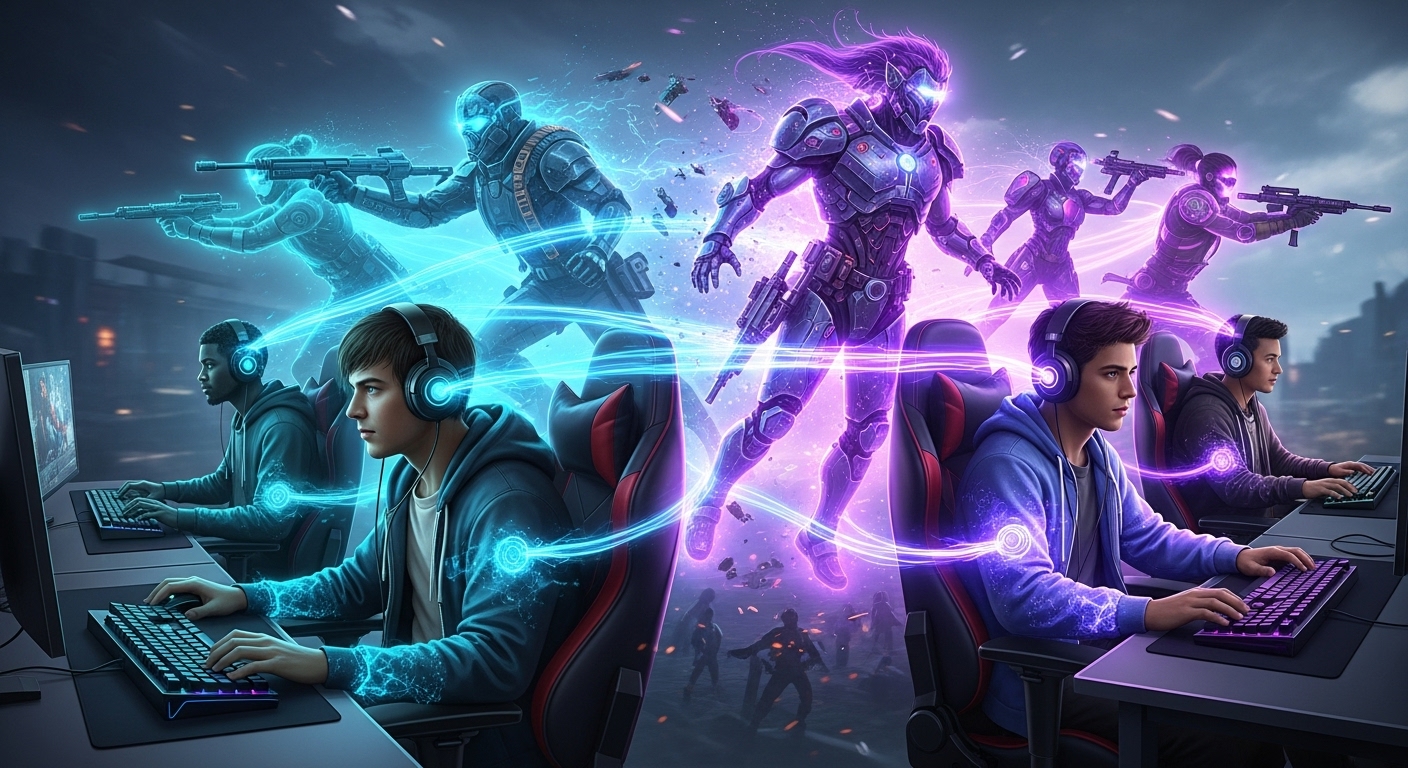
Esports has transformed from a casual pastime into a professional, worldwide industry. Millions of players, fans, and organizations are now part of a digital arena where skill, strategy, and teamwork determine victory. With massive tournaments, dedicated teams, and streaming platforms, esports is redefining competition for the modern age.
The Evolution of Esports
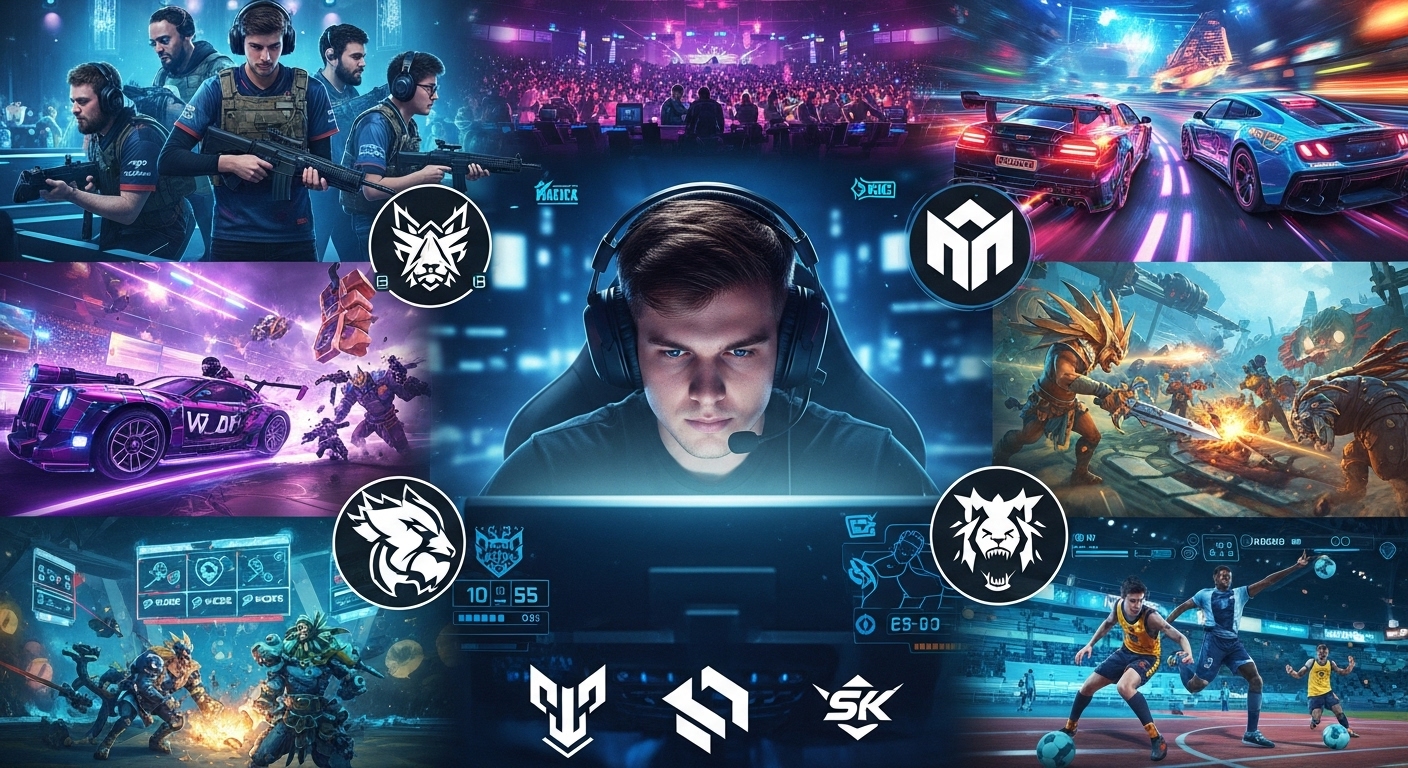
Esports began as small local gaming competitions but quickly grew with the rise of online gaming. Early titles like StarCraft, Counter-Strike, and Warcraft laid the foundation for competitive gaming. Today, esports encompasses a wide variety of genres including battle royale, MOBAs, first-person shooters, and sports simulations, appealing to diverse audiences around the world.
Professional Players and Training
Top esports players are no different from traditional athletes in terms of dedication. They follow strict training regimens, practice strategies, and analyze gameplay to stay competitive. Teams often include coaches, analysts, and psychologists to optimize performance. The rise of professional players has turned gaming into a legitimate career, complete with salaries, sponsorships, and global recognition.
Tournaments and Spectatorship
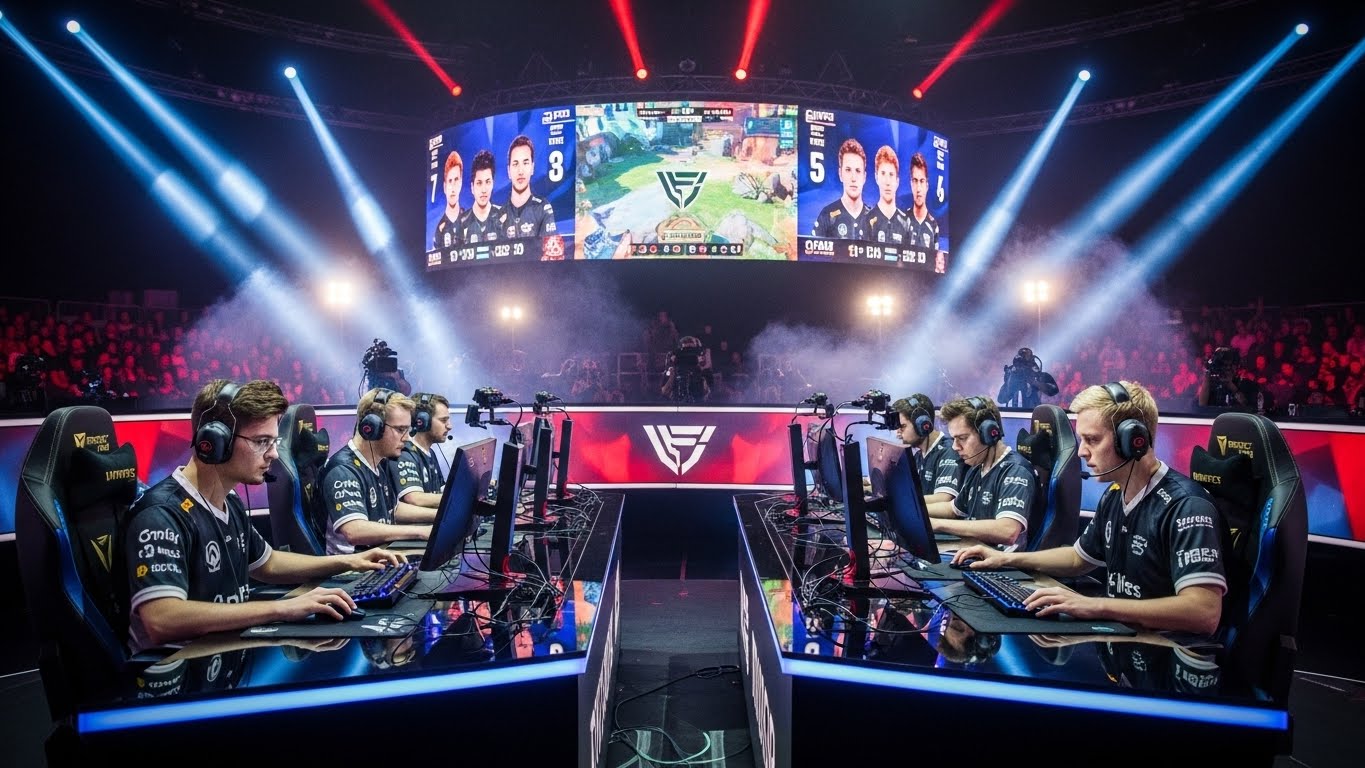
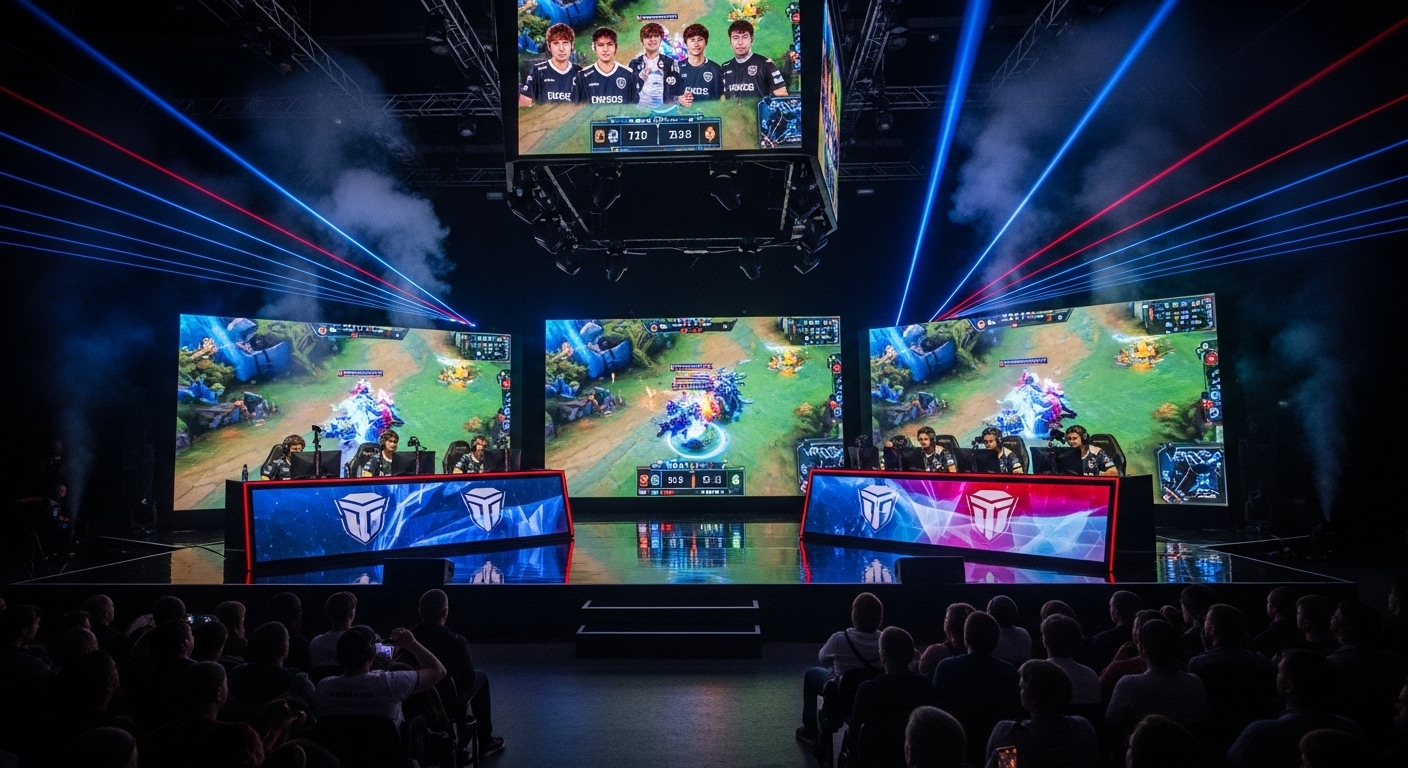
Global esports tournaments attract millions of viewers, both online and in arenas. Events like the League of Legends World Championship and Dota 2’s The International demonstrate the scale and spectacle of esports. Fans enjoy not just the gameplay but also the immersive experience, cheering for favorite teams, analyzing strategies, and engaging with other fans in real time.
Streaming and Content Creation
Streaming platforms have revolutionized esports by connecting players and fans directly. Beyond live competitions, streamers create tutorials, commentary, and entertainment content, enriching the esports ecosystem. This interactivity allows fans to learn from professionals, follow their favorite players, and feel part of the gaming community.
Technology Driving Esports
High-performance gaming hardware, low-latency networks, and cutting-edge software make esports possible. Innovations such as AI-driven analytics, virtual reality, and enhanced broadcasting tools improve both gameplay and audience experience. Technology ensures that esports continues to evolve and attract more players and spectators globally.
Challenges and Future Growth
Despite its rapid growth, esports faces challenges like player burnout, cheating, and maintaining fair competition. Addressing these issues is essential for sustainable growth. The future promises new technologies, expanded leagues, and continued recognition of esports as a legitimate sport and entertainment industry.
Conclusion
Esports is more than just video games; it is a cultural movement and a professional arena where strategy, skill, and passion intersect. Its global reach, professional infrastructure, and community engagement have solidified its place in modern entertainment. As the industry continues to innovate, esports is poised to redefine the future of competition and digital culture.