Introduction
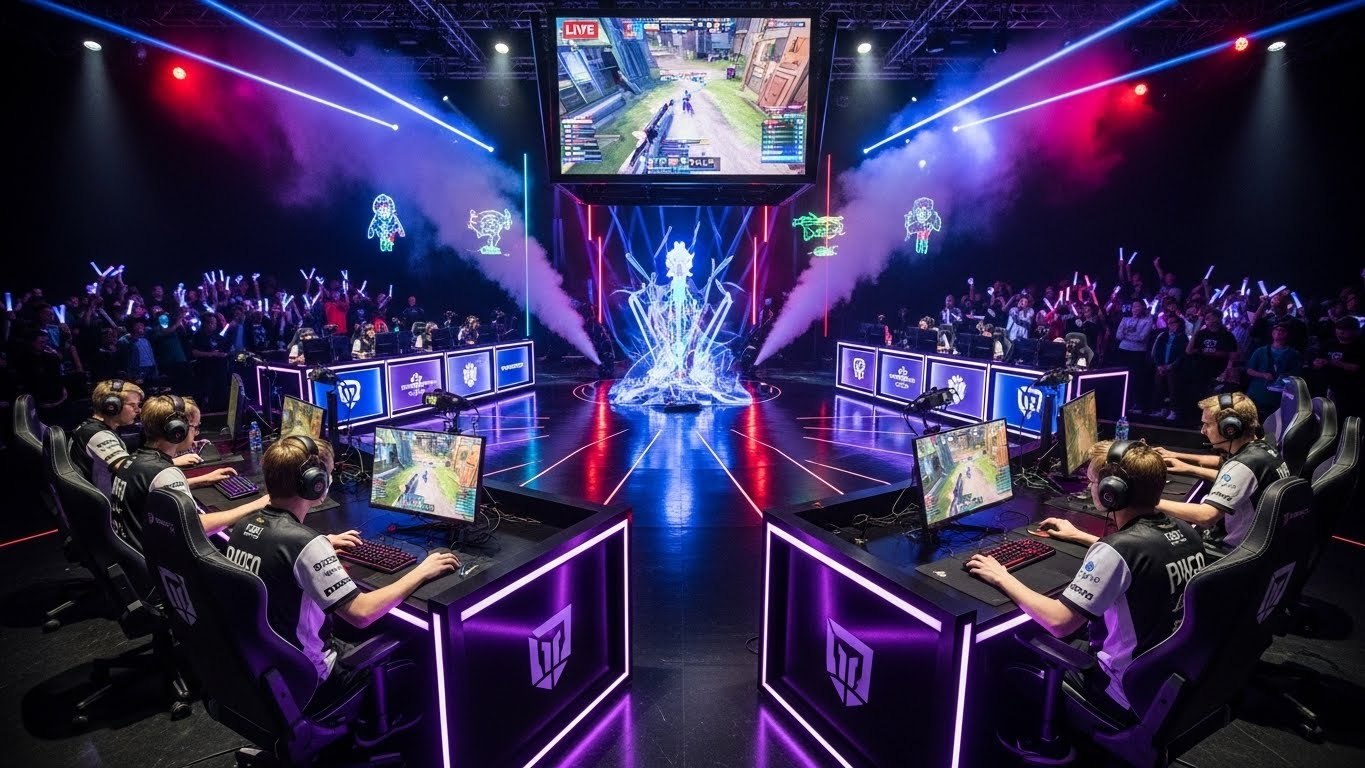
Esports has emerged as one of the fastest-growing industries in the world, blending technology, entertainment, and competition into one powerful movement. Once dismissed as a casual hobby, gaming has evolved into a global spectacle where professional players, teams, and millions of fans unite to celebrate digital excellence. Esports is no longer just about playing games—it is about skill, strategy, and the pursuit of greatness.
The Birth and Growth of Esports
The concept of competitive gaming began decades ago with small-scale arcade competitions. As technology advanced, so did the scope of gaming. In the early 2000s, online multiplayer games such as Counter-Strike and StarCraft sparked the rise of organized tournaments. With the introduction of live streaming platforms, esports reached millions of households, transforming gaming into a spectator sport.
Today, games like League of Legends, Valorant, Dota 2, and Fortnite dominate global tournaments, drawing massive audiences and offering prize pools worth millions. Esports has grown into a billion-dollar industry, rivaling even traditional sports in popularity and viewership.
The Players Behind the Screens
At the heart of esports are the players who dedicate countless hours to perfect their craft. These athletes train rigorously, studying strategies, enhancing reflexes, and developing teamwork. Many start as passionate gamers and rise to international fame through discipline and consistency. Their journey mirrors that of traditional athletes, requiring focus, fitness, and mental endurance.
Professional gamers are now recognized as legitimate athletes, with sponsorships, contracts, and fan bases that rival those of sports stars. Their influence extends beyond gaming, shaping trends, fashion, and even technology.
Esports as a Career Path
The esports ecosystem offers far more than just playing opportunities. Careers in shoutcasting, event management, game design, marketing, and content creation have opened up for those passionate about the industry. Educational institutions have started offering courses in esports management and game development, further solidifying its place as a respected profession.
This diversification has created a sustainable industry that thrives on creativity, teamwork, and innovation. For many young people, esports represents not just entertainment, but a viable and rewarding career path.
The Role of Technology
Technology has been the driving force behind the rise of esports. High-speed internet, powerful gaming hardware, and advanced graphics have made competitive gaming smoother and more exciting. Live streaming technology allows fans to watch matches in real time from anywhere in the world, fostering global communities of like-minded enthusiasts.
With advancements like virtual reality and artificial intelligence, the future of esports promises even more immersive experiences and analytical depth, pushing the boundaries of what digital competition can achieve.
Esports and Its Global Impact
Esports has connected people from different cultures, languages, and backgrounds. It has given rise to international tournaments where players represent their countries, much like in the Olympics. This sense of unity and global participation has turned gaming into a shared cultural phenomenon.
Moreover, esports has encouraged social interaction, teamwork, and problem-solving skills among youth. It promotes creativity and technological literacy, shaping a new generation that thrives in the digital world.
Challenges in the Esports World
Despite its success, esports faces challenges that must be addressed. Player burnout, lack of regulation, and online toxicity are ongoing issues. The fast-paced nature of the industry can lead to intense pressure on players, both physically and mentally. Ensuring fair play, healthy competition, and mental well-being are essential for the long-term growth of esports.
Developing ethical standards and support systems will help the industry mature responsibly and maintain its positive image.
The Future of Esports
The future of esports is boundless. With continued investments, technological innovations, and growing audiences, esports is set to become an integral part of mainstream entertainment. Major sporting organizations and media companies are already collaborating with esports leagues, bridging the gap between digital and traditional sports.
As virtual reality and augmented reality evolve, the line between the physical and digital world will blur, offering fans and players a richer and more interactive experience.
Conclusion
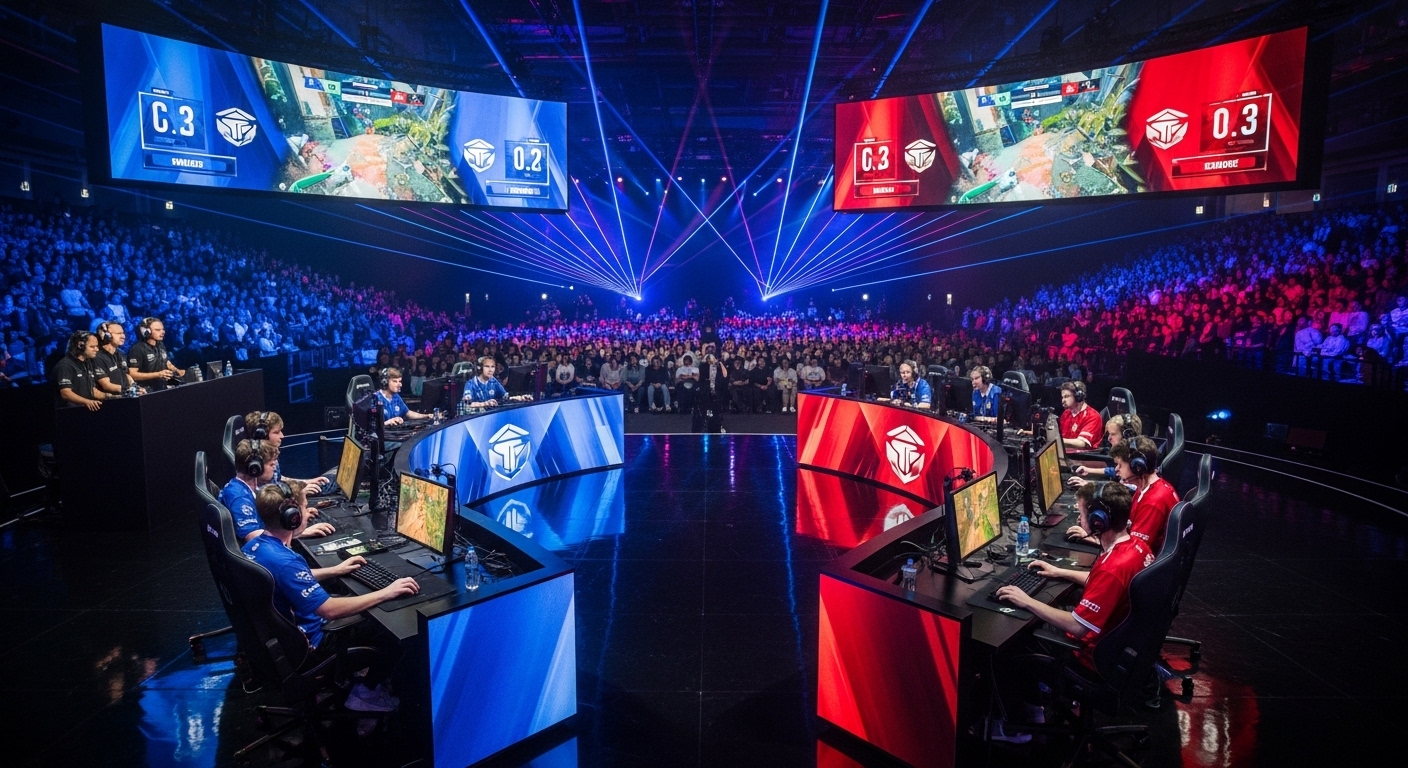
Esports is more than just gaming—it is a revolution in how people connect, compete, and create. It represents the spirit of modern competition, where skill and technology unite to inspire millions across the globe. From humble beginnings to packed arenas and global championships, esports has proven that passion, innovation, and perseverance can transform a simple game into a worldwide phenomenon.