Introduction
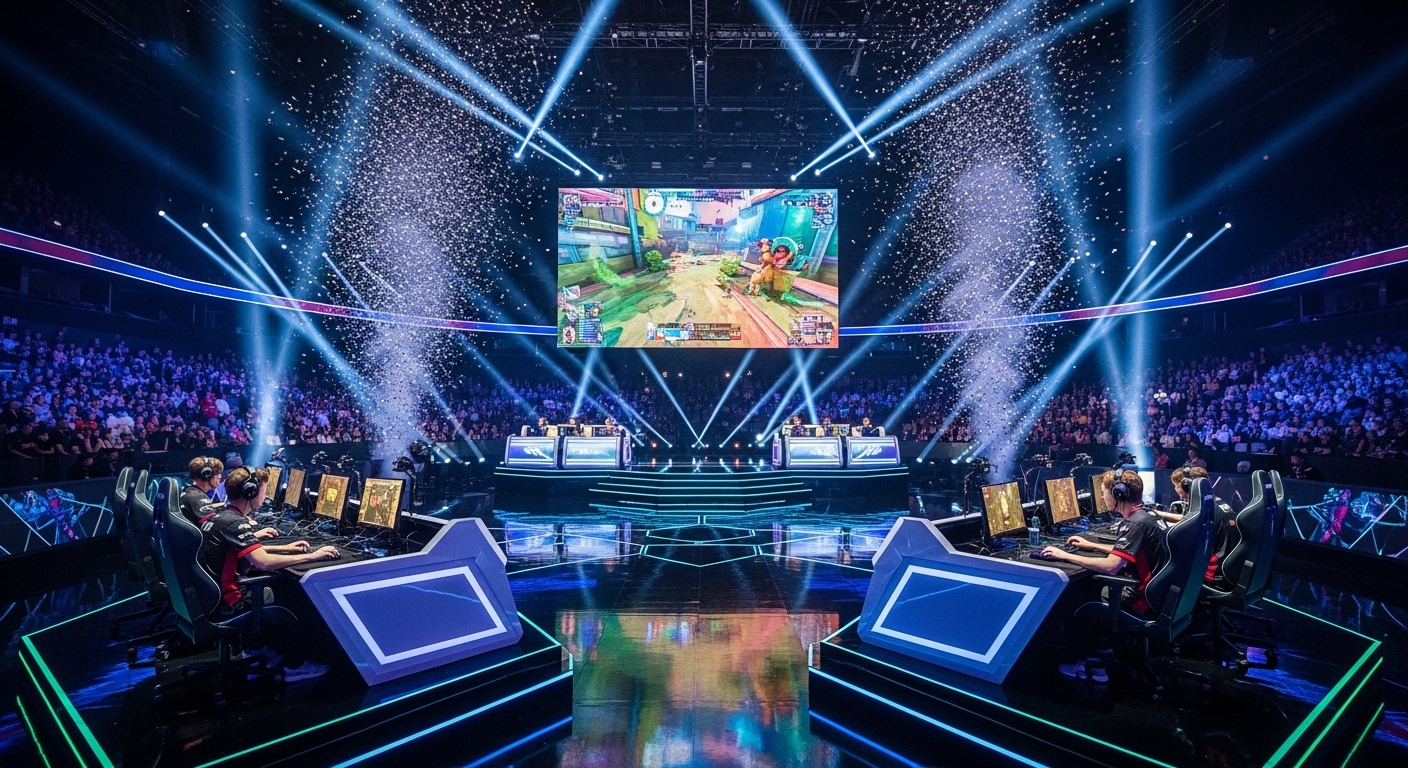
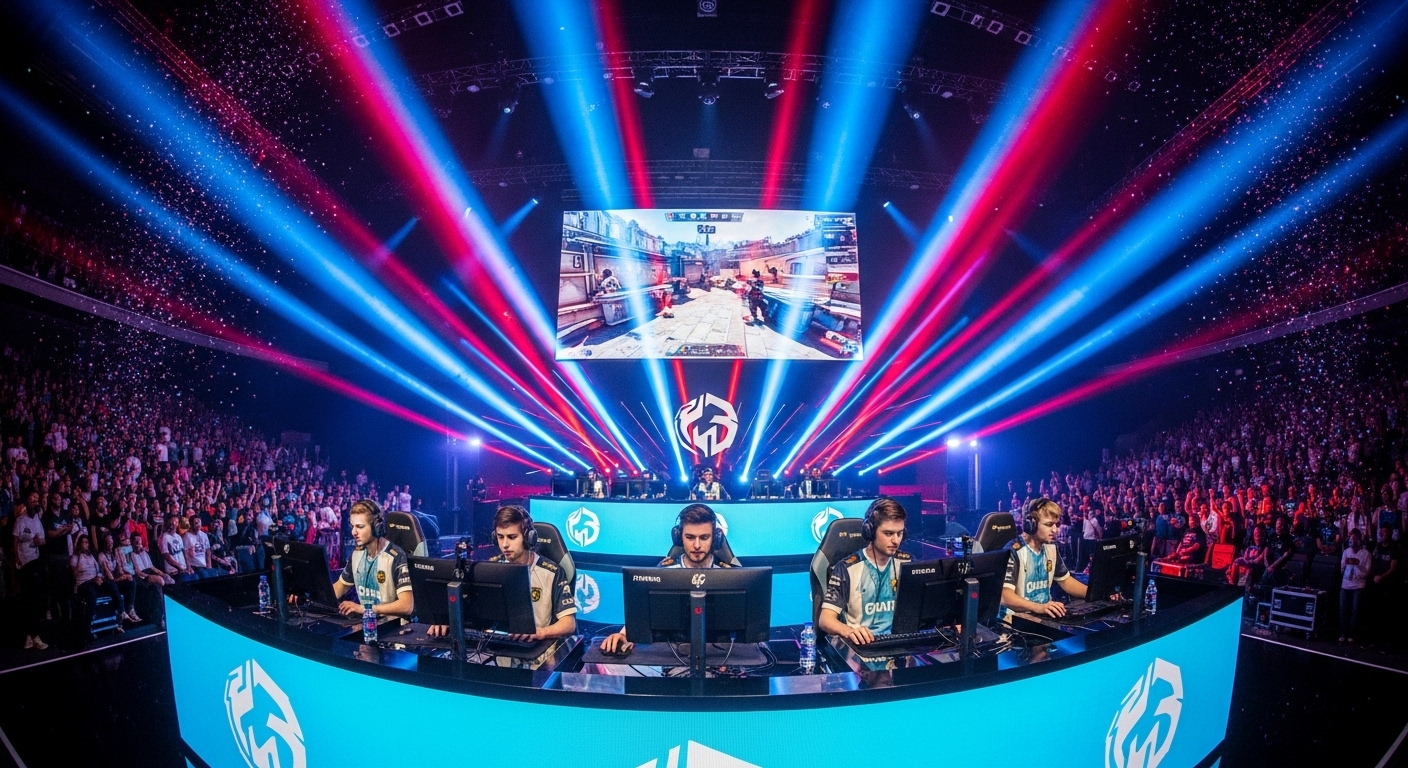
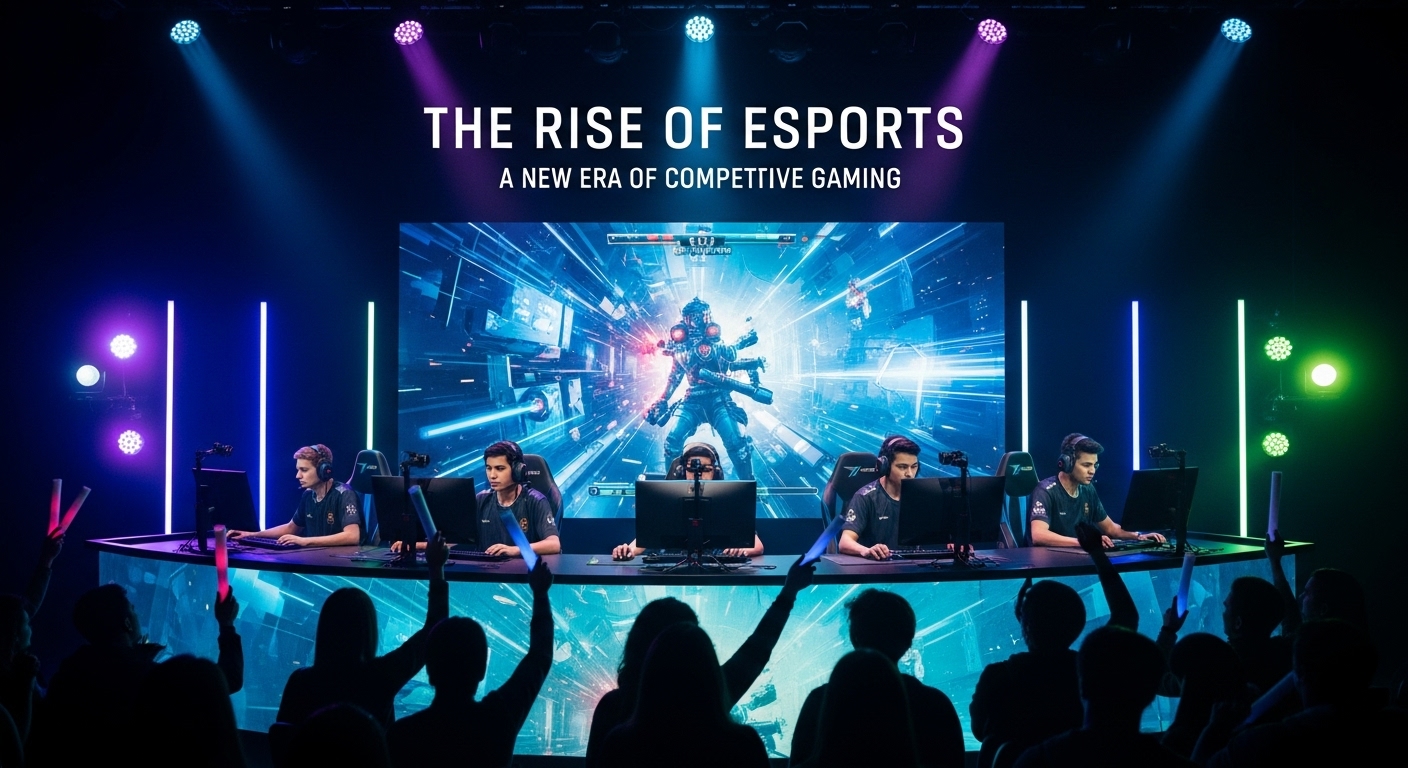
In the past two decades, the world has witnessed the meteoric rise of esports — a once-underground hobby that has evolved into a global cultural and economic powerhouse. What began as small-scale video game competitions in the late 20th century has now become a billion-dollar industry, with professional players, massive audiences, and international tournaments filling entire stadiums. Esports is no longer merely a pastime; it is a legitimate form of entertainment, a professional career, and a growing segment of the global sports industry.
This transformation reflects not only advances in gaming technology but also shifts in cultural perception, internet accessibility, and global connectivity. Esports stands at the intersection of gaming, technology, and media — redefining how we view competition, community, and digital entertainment.
The Origins of Esports: A Historical Overview
The concept of competitive gaming dates back further than most people realize. The roots of esports can be traced to the early 1970s when computer enthusiasts at Stanford University held the first known video game competition. The game was “Spacewar!,” and the event, called the “Intergalactic Spacewar Olympics,” awarded the winner a one-year subscription to Rolling Stone magazine. While primitive by today’s standards, it represented the birth of organized gaming competition.
Throughout the 1980s, gaming arcades became the breeding ground for competitive play. Titles like Pac-Man, Donkey Kong, and Street Fighter encouraged players to chase high scores and prove dominance over others in public spaces. Magazines began publishing leaderboards, and local tournaments started popping up. However, the lack of connectivity limited the reach of these competitions to regional communities.
It wasn’t until the 1990s that esports began to take on a more recognizable form. The rise of home consoles and personal computers made gaming more accessible. Multiplayer games like Doom and Quake pioneered online play, connecting gamers around the world. In 1997, the “Red Annihilation” Quake tournament became one of the first major esports events, with the winner taking home the founder’s personal Ferrari. Around the same time, organizations like the Cyberathlete Professional League (CPL) and Major League Gaming (MLG) began formalizing competitive structures, laying the groundwork for modern esports.
The Technological Revolution That Fueled Growth
The 2000s were transformative years for esports, largely due to the explosion of the internet and the advancement of digital technology. Broadband connections replaced dial-up, allowing for smoother online gameplay and communication. Game developers began integrating competitive elements directly into their designs, with matchmaking systems, ranking tiers, and spectator modes.
Games such as StarCraft, Counter-Strike, and Warcraft III became synonymous with professional esports. In South Korea, StarCraft in particular achieved a level of popularity that turned its players into national celebrities. Dedicated TV channels broadcasted matches, and sponsorships from major corporations poured in. This South Korean model of organized professional gaming would soon inspire the rest of the world.
At the same time, streaming platforms began to revolutionize how audiences consumed content. The launch of Twitch in 2011 (originally Justin.tv) allowed players to broadcast live gameplay to millions, breaking the barriers between players and fans. Esports competitions no longer needed traditional television coverage to reach audiences — they could do it themselves online. This direct access transformed esports from a niche activity into a mainstream form of entertainment.
The Rise of Global Esports Titles
Certain video games have become pillars of the esports ecosystem, shaping the industry with their competitive balance, community engagement, and international reach.
League of Legends
Released in 2009, League of Legends (LoL) became one of the most influential esports titles in history. Developed by Riot Games, LoL popularized the multiplayer online battle arena (MOBA) genre, where two teams of five players battle to destroy the opposing team’s base. Riot’s commitment to competitive structure — through seasonal leagues, professional teams, and world championships — set a new standard. The League of Legends World Championship draws millions of viewers annually, rivaling traditional sports in audience numbers.
Dota 2
Valve’s Dota 2, another MOBA title, emerged as a dominant force thanks to its high skill ceiling and massive prize pools. The International, its premier tournament, routinely offers multi-million-dollar rewards, funded by the community through in-game purchases. This innovative funding model demonstrated how engaged gaming communities could directly support and shape the esports ecosystem.
Counter-Strike: Global Offensive
The Counter-Strike series, particularly CS:GO, has been a cornerstone of first-person shooter esports for over two decades. Known for its simplicity and tactical depth, CS:GO tournaments attract global participants and maintain a loyal fanbase. The game’s ecosystem of teams, leagues, and sponsors continues to thrive, representing the endurance of classic competitive gaming formats.
Fortnite, Valorant, and the New Generation
Newer titles like Fortnite and Valorant have expanded esports into new demographics. Fortnite blurred the line between casual gaming and professional play, appealing to younger audiences and incorporating pop culture crossovers. Valorant, on the other hand, fused tactical shooting with character abilities, drawing in fans from both the MOBA and shooter communities. These modern titles represent the ongoing innovation that keeps esports fresh and relevant.
The Professionalization of Esports
As esports gained momentum, professionalism followed. The early 2010s saw the establishment of structured leagues, player contracts, and franchised teams. Esports organizations began operating like traditional sports teams, with dedicated management, coaches, analysts, and marketing divisions.
Players, once considered hobbyists, became salaried professionals with sponsorship deals, training regimens, and fan followings. Training facilities now resemble those of professional athletes — complete with physical conditioning, mental health support, and strategy sessions. The top-tier players can earn millions annually from tournament winnings, sponsorships, and streaming revenue.
In addition to players, an entire industry of support roles emerged: shoutcasters, event organizers, production crews, game developers, and esports journalists. Esports events are now multimedia spectacles, combining high-end production with live entertainment, music performances, and fan interactions.
Esports and Mainstream Recognition
One of the clearest signs of esports’ rise is its growing acceptance in mainstream culture. Universities now offer scholarships for esports players, recognizing it as a legitimate form of competition and teamwork. In several countries, professional gamers are granted athlete visas, allowing them to compete internationally.
Traditional sports organizations have also entered the esports scene. Teams from the NBA, NFL, and European football leagues have invested in esports franchises, creating crossover opportunities and expanding fan bases. The Olympic Committee has even explored the inclusion of esports-related events, acknowledging the skill, dedication, and global appeal of competitive gaming.
Esports has also penetrated popular media. Documentaries, films, and television shows have explored the lives of gamers and the culture surrounding competition. Streaming platforms and social media allow fans to follow their favorite players as closely as they might follow traditional athletes. The result is a new form of celebrity — one that thrives in the digital age.
The Economic Power of Esports
Esports has evolved into a multi-billion-dollar industry encompassing multiple revenue streams. Tournaments attract massive sponsorship deals from brands ranging from gaming hardware manufacturers to global beverage companies. Advertising, media rights, and merchandise sales contribute significantly to the ecosystem’s profitability.
A major driver of revenue is audience engagement. Millions of viewers tune in to watch tournaments online, generating advertising income comparable to traditional sports broadcasts. The 2019 League of Legends World Championship attracted over 100 million viewers, a number comparable to the Super Bowl. Esports arenas and conventions further generate revenue through ticket sales, concessions, and live experiences.
Game publishers benefit directly from esports through brand loyalty and in-game monetization. Players who follow professional scenes often invest in cosmetic items, skins, and battle passes. This symbiotic relationship between game development and esports competition fuels continuous growth.
The Community and Culture of Esports
At its core, esports thrives because of its passionate community. Gamers around the world unite through shared interests, fandoms, and cultural identity. Online forums, Discord servers, and social media platforms foster discussion, strategy sharing, and fan creativity.
Esports culture has also become a lifestyle. Merchandise, cosplay, and gaming-inspired music and fashion contribute to a sense of belonging. The line between player and spectator is blurred, as many fans also participate casually in the same games they watch competitively. This participatory culture gives esports a unique edge over traditional sports — anyone can play, compete, and improve, regardless of physical constraints or geography.
Events like DreamHack and EVO exemplify this community-driven energy. They blend professional tournaments with open competitions, tech exhibitions, and social gatherings, emphasizing inclusivity and celebration rather than exclusivity.
Esports in Education and Career Development
The influence of esports has expanded into academia and career development. Universities and high schools around the world now recognize esports as a valuable extracurricular or even curricular activity. Esports programs teach students about teamwork, communication, and strategic thinking. Beyond gameplay, students can pursue careers in event management, broadcasting, marketing, and game design.
Moreover, esports has introduced new disciplines in higher education, including degrees focused on game development, esports management, and digital media production. Educational institutions collaborate with industry partners to provide real-world experience through internships and professional networks.
This educational integration reinforces esports as more than entertainment — it is a legitimate career pathway that combines creativity, technology, and business.
Challenges Facing the Esports Industry
Despite its success, esports faces several challenges that must be addressed to ensure sustainable growth.
Player Health and Well-Being
The intense training schedules and competitive pressure can take a toll on players’ physical and mental health. Repetitive strain injuries, sleep disorders, and burnout are common. The industry is beginning to prioritize player welfare by implementing wellness programs, nutrition plans, and mandatory rest periods.
Regulatory and Ethical Issues
Because esports operates globally, regulation is inconsistent. Issues such as cheating, match-fixing, and performance-enhancing substances have surfaced, threatening credibility. Establishing unified governing bodies remains a challenge, though organizations like the Esports Integrity Commission are working toward standardization.
Financial Stability and Team Sustainability
While top organizations flourish, many smaller teams struggle with financial stability due to limited sponsorships or inconsistent prize pools. Ensuring fair revenue distribution and long-term sustainability will be vital for maintaining competitive balance.
Inclusivity and Diversity
The esports scene, like many industries, faces issues of representation. Efforts are underway to make gaming spaces more inclusive for women, non-binary players, and underrepresented communities. Initiatives promoting diversity can help expand the audience and create a healthier, more welcoming environment.
The Future of Esports
Looking ahead, esports shows no signs of slowing down. Emerging technologies like virtual reality (VR) and augmented reality (AR) promise to redefine how competitions are played and experienced. The integration of blockchain and digital assets may change how fans engage with games and reward systems.
Mobile gaming, particularly in Asia and developing regions, represents another frontier. Titles like PUBG Mobile and Mobile Legends have demonstrated that esports is not limited to PC or console platforms. With smartphones becoming more powerful, mobile esports may soon rival traditional PC-based competitions in scale and revenue.
Additionally, as esports continues to merge with mainstream entertainment, we can expect greater crossovers with music, film, and fashion. Hybrid events that combine gaming with live concerts or cinematic storytelling will further blur the boundaries between industries.
Finally, the potential inclusion of esports in global sporting events could mark a symbolic moment of validation — an acknowledgment that digital competition holds equal cultural value to traditional sports.
Conclusion
Esports is far more than a passing trend; it is a defining cultural movement of the digital age. From its humble beginnings in university labs and arcades to the massive arenas and global broadcasts of today, it represents the convergence of technology, entertainment, and community.
It has created new professions, inspired millions of fans, and transformed gaming into a mainstream phenomenon. Yet its most profound achievement lies in its inclusivity — anyone, anywhere, with a passion for competition and access to a computer or console, can aspire to greatness.
As we move deeper into an increasingly digital world, esports stands as a testament to human adaptability and creativity. It embodies the spirit of modern sportsmanship — one that transcends physical boundaries, connects cultures, and celebrates the power of play.
The story of esports is still being written, and its future remains as dynamic and unpredictable as the games that fuel it. One thing, however, is certain: esports is here to stay, and its impact will continue to shape the global entertainment landscape for generations to come.