Introduction to Esports
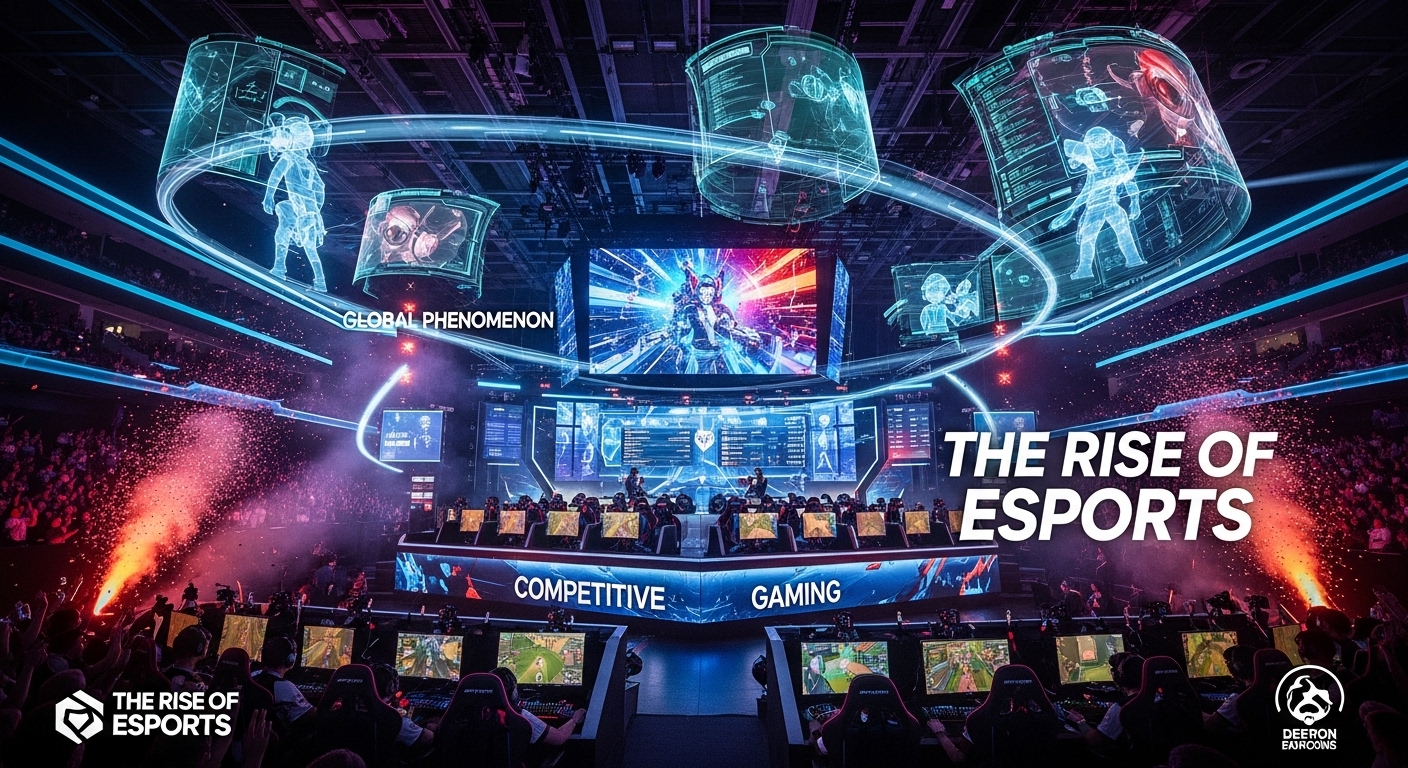
In the past two decades, the term “Esports” has become one of the most recognizable and rapidly expanding phenomena in the entertainment world. Esports, short for electronic sports, refers to competitive video gaming at a professional level. What was once seen as a casual hobby for young people has transformed into a multi-billion-dollar global industry that rivals traditional sports in popularity, viewership, and cultural impact. The rise of Esports is not merely about people playing games; it is about the fusion of technology, entertainment, competition, and community into one massive cultural movement.
The Early Days of Competitive Gaming
Before Esports became a global spectacle, competitive gaming had humble beginnings. The roots of Esports can be traced back to the early 1970s when the first known video game competition took place at Stanford University for the game “Spacewar.” The winner received a one-year subscription to a science magazine, which might seem small now but was revolutionary at that time. As technology progressed through the 1980s and 1990s, arcades and console gaming created a sense of local competition. Players would gather in small groups to test their skills against one another.
Games like “Street Fighter,” “Mortal Kombat,” and “Super Smash Bros.” became the foundation for organized competitions. However, it was the internet revolution in the late 1990s and early 2000s that truly changed everything. The ability to connect players globally led to online tournaments and massive multiplayer competitions, giving birth to modern Esports.
The Rise of Esports Titles
Several iconic games paved the way for Esports to become what it is today. Among the earliest and most influential were “StarCraft,” “Counter-Strike,” and “Warcraft III.” In South Korea, “StarCraft” became a national sensation, with professional players gaining celebrity status and televised matches drawing millions of viewers. Similarly, “Counter-Strike” established itself as a tactical shooter loved by competitive gamers worldwide, leading to the creation of the “Counter-Strike: Global Offensive” scene that continues to thrive today.
Later came games like “League of Legends,” “Dota 2,” and “Overwatch,” which revolutionized team-based Esports. Each of these titles brought in millions of players and spectators, helping to establish global tournaments with million-dollar prize pools. Today, Esports covers a vast range of genres — from first-person shooters like “Valorant” and “Call of Duty” to strategy games and even sports simulations such as “FIFA” and “NBA 2K.”
The Professionalization of Esports
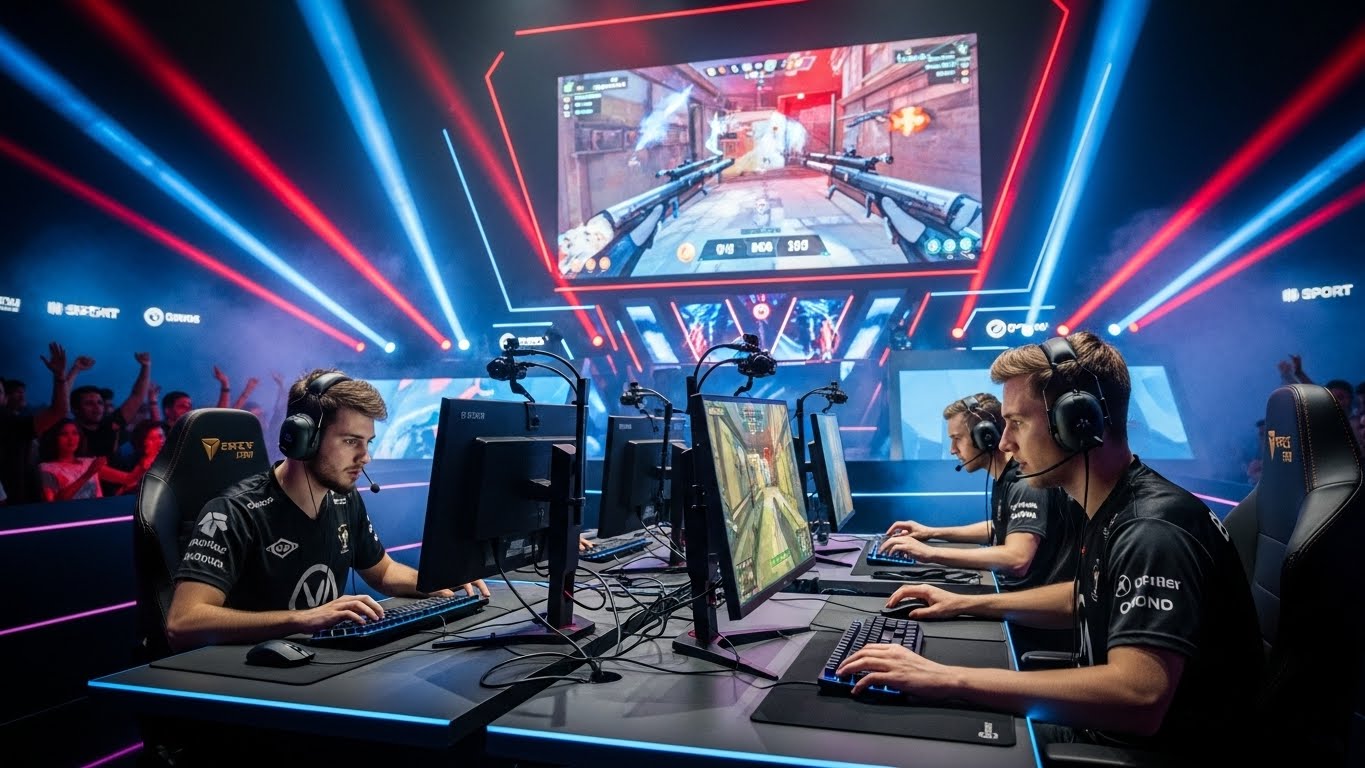
One of the most striking developments in Esports has been its move toward professionalism. What was once an informal scene of gaming enthusiasts has transformed into a structured ecosystem with professional teams, coaches, analysts, sponsors, and even player agents. Top players train for hours each day, studying opponents, refining their strategies, and practicing their mechanics — much like traditional athletes.
Major organizations such as Team Liquid, Fnatic, Cloud9, and T1 operate like sports franchises, managing players, securing sponsorship deals, and competing across multiple games. These teams are backed by corporate investors, sports teams, and entertainment companies, further legitimizing Esports as a serious business. Players now have contracts, salaries, performance bonuses, and healthcare benefits, showing how far the industry has come.
Esports Arenas and Events
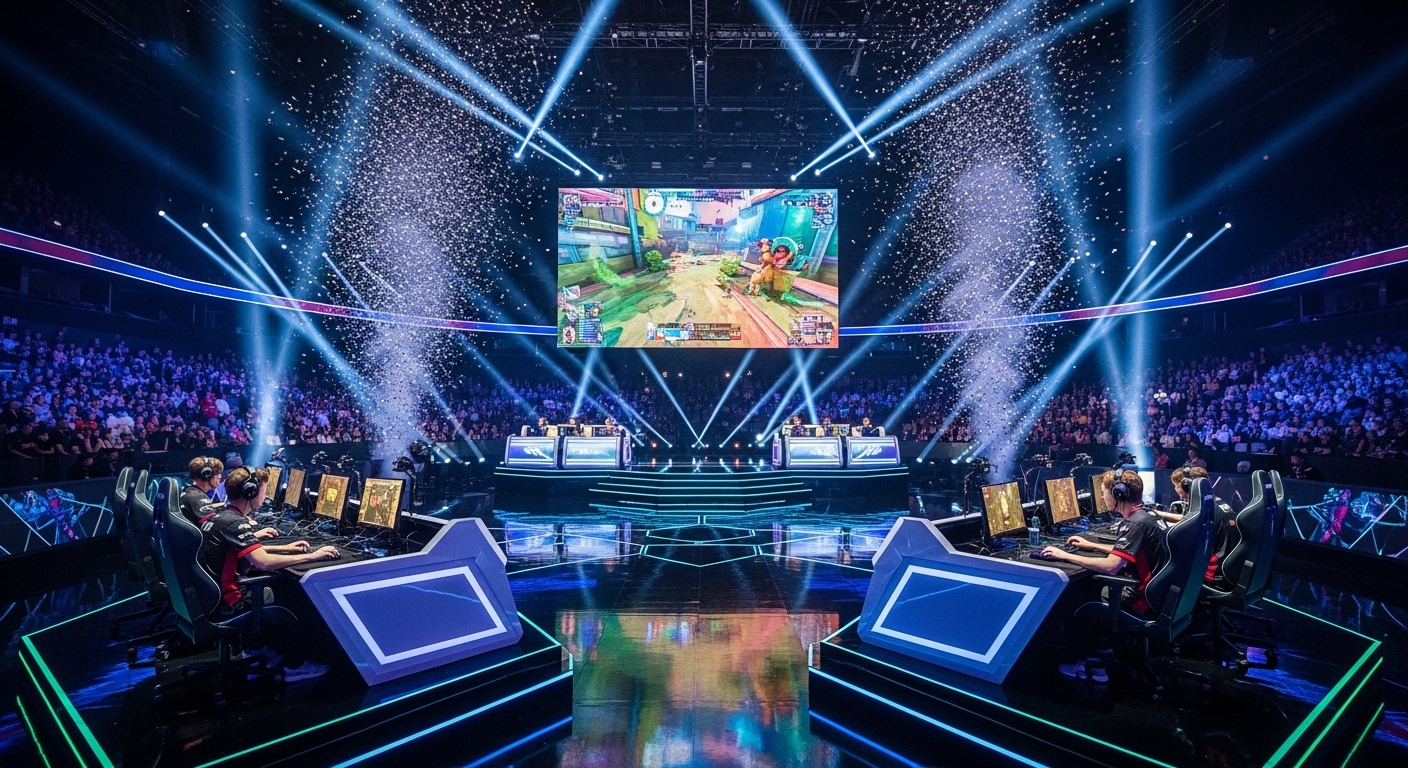
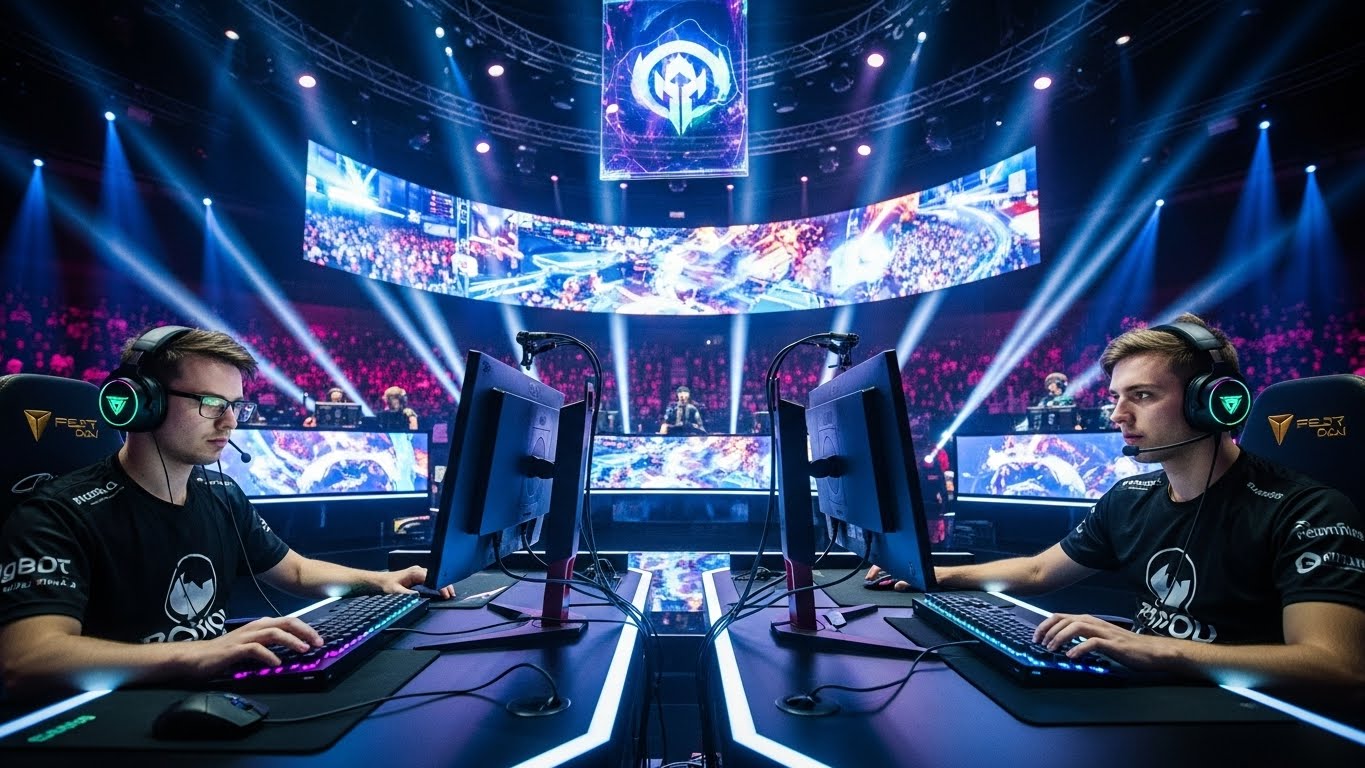
The spectacle of live Esports tournaments is one of the most exciting aspects of this industry. Massive arenas and stadiums, once reserved for concerts and traditional sports, now host Esports championships filled with roaring crowds. The atmosphere in these venues is electric — giant screens display the in-game action, commentators narrate every move, and fans cheer passionately for their favorite teams.
Events like “The International” for Dota 2, “League of Legends World Championship,” and “CS:GO Majors” attract millions of online viewers and fill physical venues to capacity. The level of production and the scale of these events rival traditional sports tournaments such as the Super Bowl or the FIFA World Cup.
The growth of Esports events has also led to regional leagues such as the Overwatch League and the League of Legends Championship Series, structured in a way similar to major sports leagues. These leagues feature franchises, regular seasons, playoffs, and championships, offering consistent entertainment and steady career opportunities for players and staff.
The Role of Technology in Esports Growth
Technology has always been at the heart of Esports, but advancements in streaming, connectivity, and gaming hardware have accelerated its rise exponentially. High-speed internet and powerful gaming PCs have made online play more accessible and competitive than ever.
Streaming platforms have played an essential role in popularizing Esports. They allow fans to watch live games, interact with players, and participate in global communities. Viewers can now follow their favorite players just as traditional sports fans follow footballers or basketball stars. This accessibility has turned Esports into a social phenomenon, where millions of people can engage simultaneously from different parts of the world.
Virtual reality, augmented reality, and artificial intelligence are also shaping the future of Esports. These technologies are improving the gaming experience, making training more efficient, and even helping teams analyze performance data with greater precision.
Esports as a Career Path
The perception of gaming as a “waste of time” has been completely transformed. Esports now provides legitimate career opportunities not just for players but for many other professionals. There are roles for game designers, commentators (known as casters), event organizers, video editors, content creators, marketing specialists, and even psychologists who work with teams to improve focus and mental health.
Educational institutions have started recognizing Esports as a serious discipline. Some universities now offer scholarships for Esports players, and entire degree programs are being developed around gaming management, event production, and game development. This institutional acceptance has further validated Esports as a long-term and sustainable career option.
The Cultural Impact of Esports
Esports has had a significant influence on modern culture. It has brought together people from different backgrounds, languages, and regions through a shared passion for gaming. Esports players have become global icons, inspiring younger generations to pursue their dreams in digital competition.
The fashion industry has also been influenced, as Esports teams now have brand collaborations and exclusive merchandise lines. Music and gaming have merged, with artists performing at Esports events and soundtracks being specifically created for tournaments.
Social media has amplified Esports’ cultural reach, turning players into influencers who connect directly with their fans. Esports has become more than just competition; it’s a lifestyle centered on creativity, teamwork, and innovation.
Challenges Facing Esports
Despite its remarkable growth, Esports faces several challenges. One major issue is player burnout. The competitive environment is intense, and young players often spend long hours practicing, which can lead to physical and mental fatigue.
Another concern is the lack of standardized regulation. Different games and tournaments are governed by separate entities, making it difficult to establish universal rules regarding player contracts, prize distribution, and fair play. Cheating and hacking are also threats that can damage the credibility of competitions.
Financial stability for smaller organizations is another challenge. While the top teams and players earn substantial income, many smaller groups struggle to survive due to limited sponsorships and inconsistent revenue streams. Additionally, maintaining gender diversity and inclusivity in Esports remains a work in progress. Female players are still underrepresented, and efforts are being made to create safer and more inclusive spaces for everyone.
The Economics of Esports
Esports is now a billion-dollar industry with multiple revenue streams. Sponsorships, media rights, merchandise, and ticket sales form the financial backbone of the sector. Brands across all industries — from technology and food to apparel and automotive — invest heavily in Esports for marketing exposure to younger audiences.
Streaming platforms also contribute through advertising and subscription models. In addition, game publishers earn revenue by organizing tournaments, selling digital content, and engaging fans through in-game items and events.
Esports has become an essential marketing channel. Traditional sports organizations have entered the Esports space, purchasing teams or creating their own divisions to connect with a digitally native audience. The economic ecosystem continues to expand, with new business models emerging each year.
The Globalization of Esports
Esports knows no borders. While its early dominance was seen in regions like South Korea, North America, and Europe, it has now become a truly global phenomenon. Countries such as China, Brazil, and the Philippines have thriving Esports communities. In South Asia, the rise of mobile Esports, fueled by accessible smartphones and inexpensive internet, has created a new wave of competitive players.
Mobile Esports titles like “PUBG Mobile,” “Mobile Legends,” and “Free Fire” have transformed gaming in developing countries, enabling millions to participate without needing high-end equipment. This democratization of Esports has made it more inclusive and widespread than ever before.
The Future of Esports
The future of Esports looks promising, with technology and innovation continuing to push boundaries. As virtual and augmented reality develop further, fans might soon experience Esports matches from the perspective of the players, creating even deeper engagement. Artificial intelligence and data analytics will refine performance metrics, helping teams and players optimize strategies.
Moreover, as mainstream sports organizations continue to invest in Esports, we can expect even more crossover events and shared audiences. The integration of blockchain and digital collectibles is another frontier, allowing fans to own and trade unique digital assets related to their favorite teams and moments.
With growing government recognition and inclusion in international events, Esports could soon be considered for official sporting competitions at the global level. The possibility of Esports appearing in the Olympics or other international sporting events no longer seems far-fetched.
Esports and Society
Esports has had a broader impact on society beyond entertainment. It has become a platform for social interaction, education, and even charity. Many tournaments raise funds for social causes, while gaming communities promote inclusivity and teamwork.
In educational settings, Esports clubs teach students valuable skills such as communication, leadership, and strategic thinking. The teamwork and coordination required in competitive gaming mirror the collaboration needed in many real-world professions.
Esports has also broken barriers by allowing people with disabilities to participate competitively through accessible technologies and adaptive controls. It has proven that competition and excellence are not limited by physical ability, making it one of the most inclusive forms of sport.
Conclusion
Esports is not just a fleeting trend; it is a powerful and transformative movement reshaping the entertainment landscape. What started as a simple pastime has evolved into an ecosystem of professional competition, global community, and cultural influence. The passion, skill, and dedication of Esports players mirror those of traditional athletes, and the fans’ enthusiasm continues to drive the industry forward.
As technology continues to advance, the world of Esports will grow even larger and more dynamic. It represents the perfect blend of digital innovation and human creativity, connecting people across continents through a shared love for competition and gaming. The journey of Esports is still in its early stages, and the coming decades promise to bring even more excitement, innovation, and opportunity to this extraordinary world.