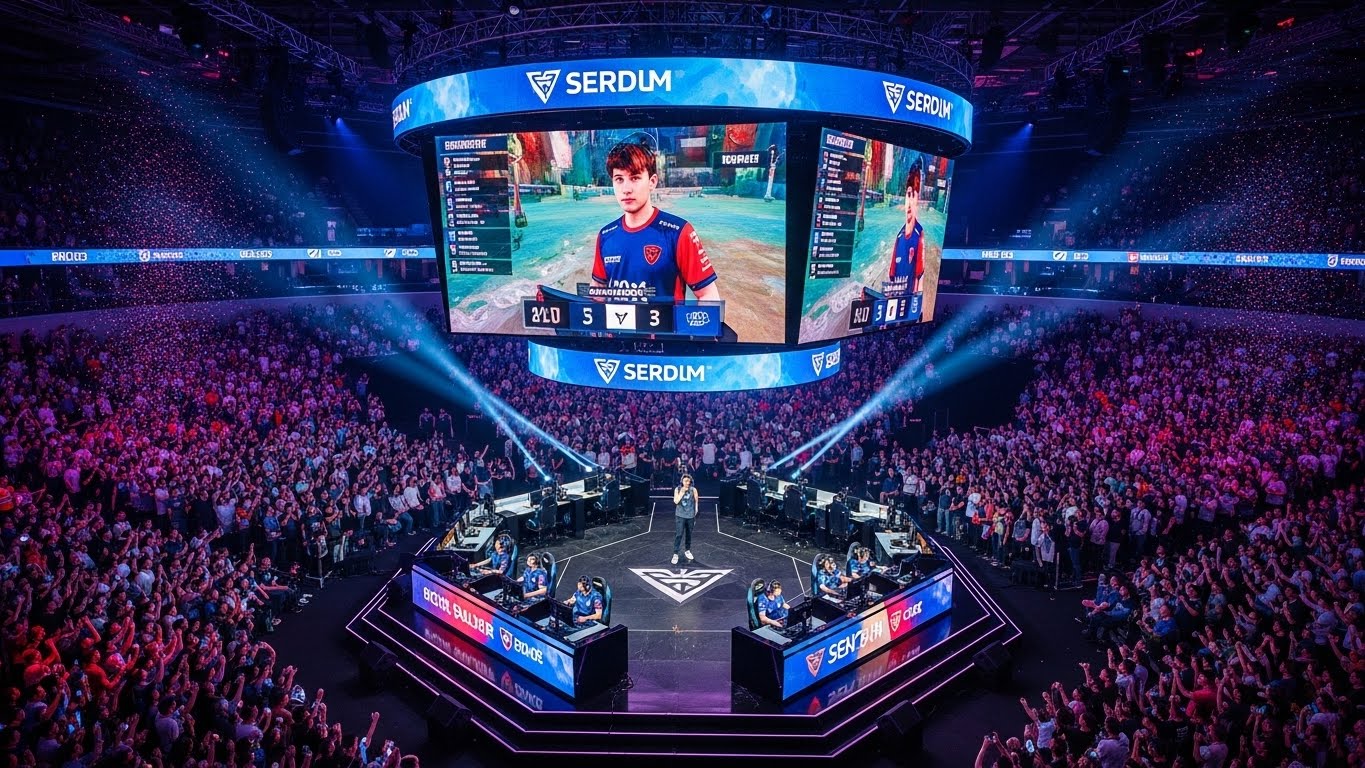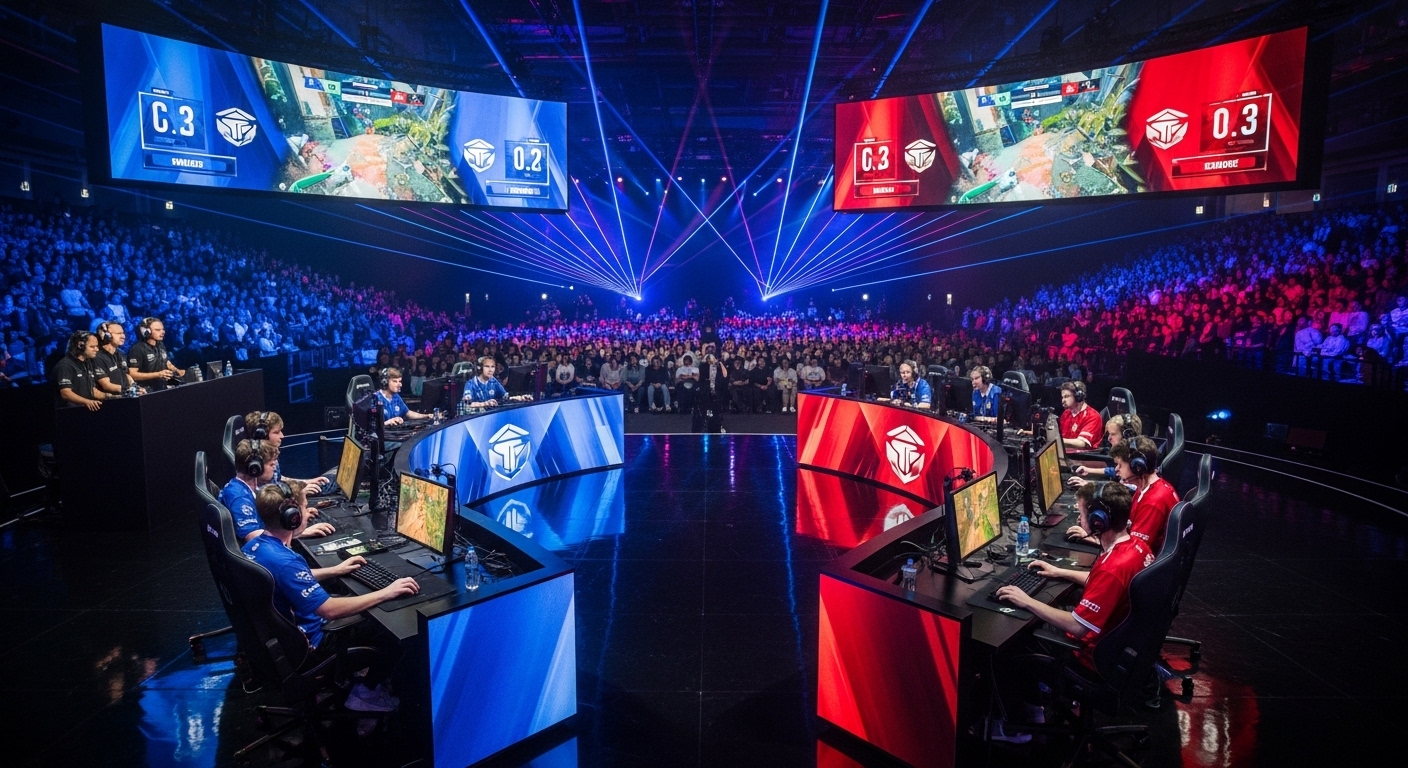
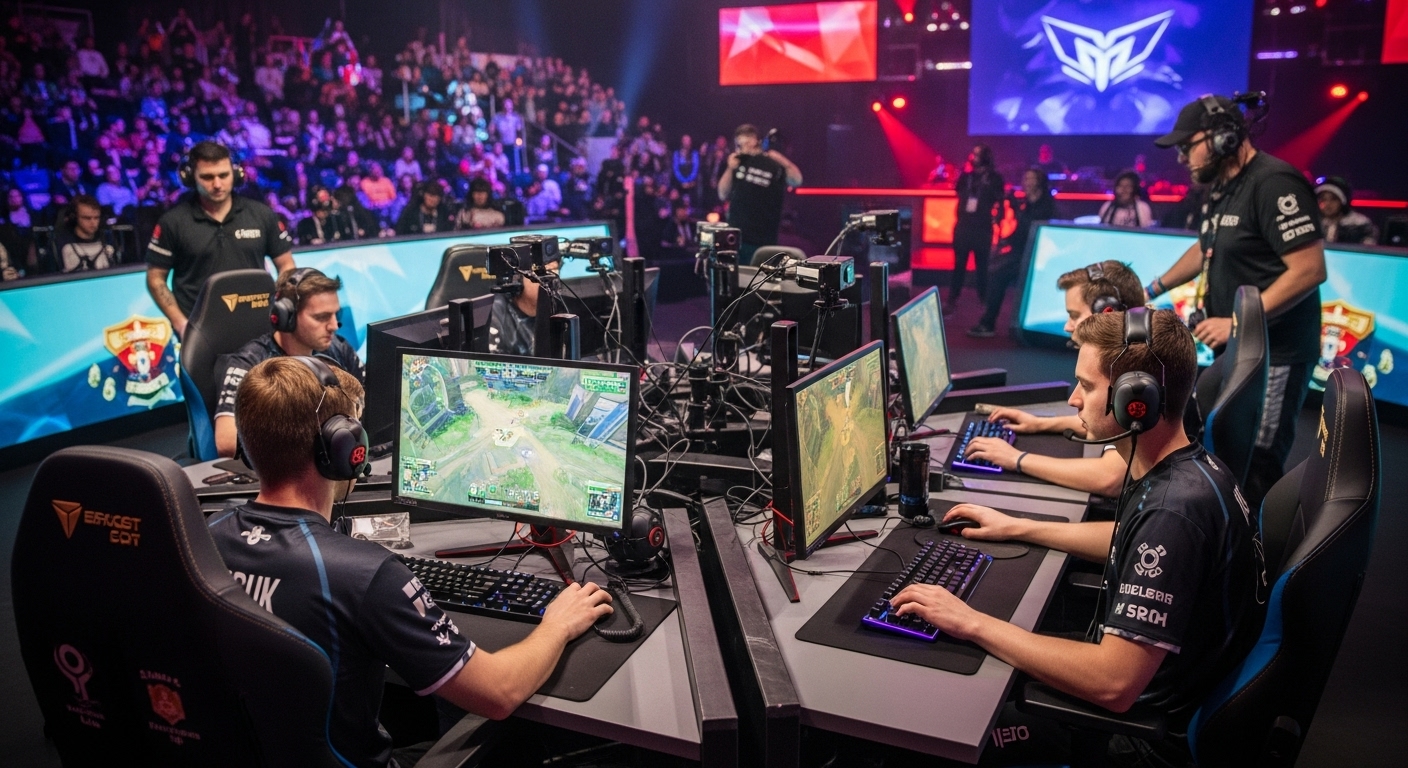
Esports, or electronic sports, has evolved from a small community of gamers into a global industry generating billions of dollars annually. What once was considered a pastime for teenagers in basements has transformed into a legitimate profession for athletes, a platform for entertainment, and a cultural phenomenon that transcends borders. The journey of esports mirrors the evolution of technology, entertainment, and social connectivity, making it one of the most fascinating trends of the modern era.
Understanding Esports
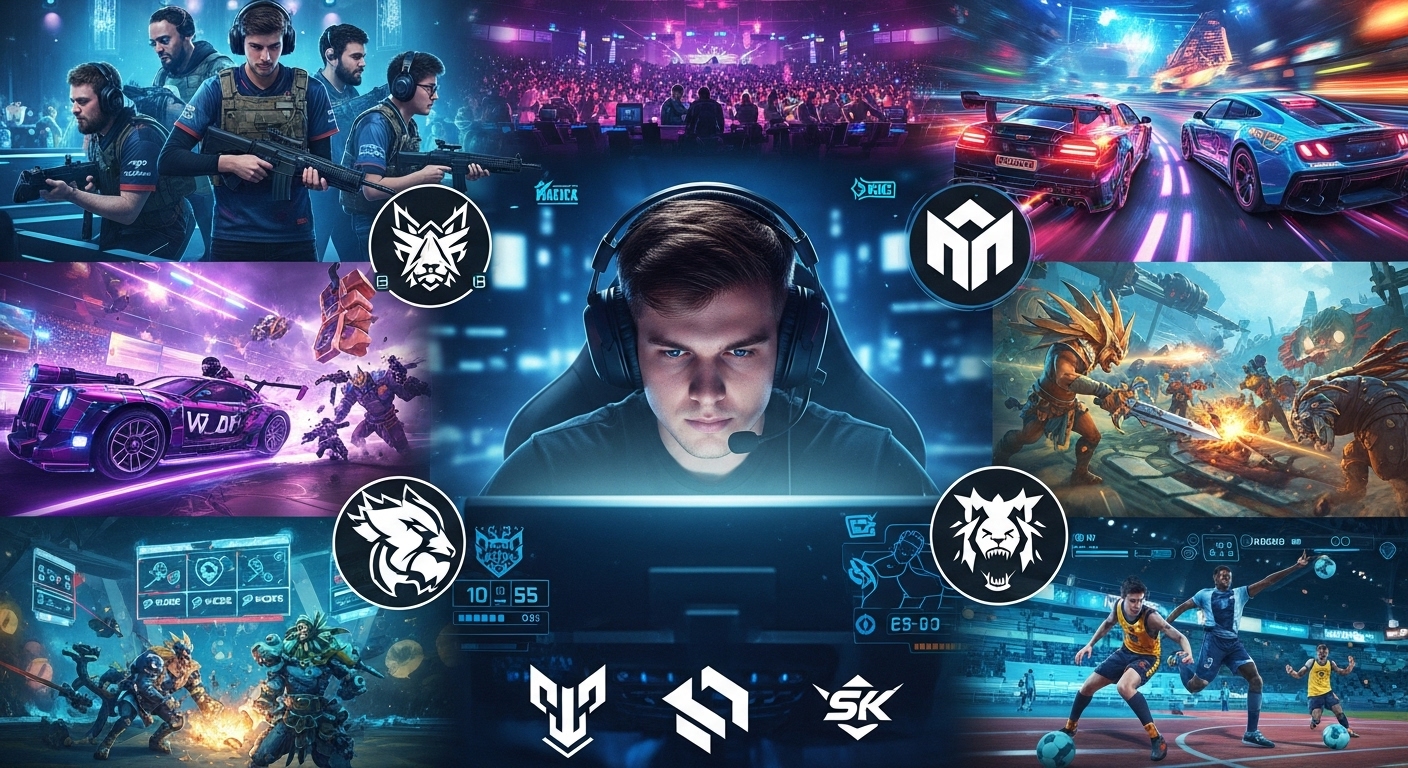
At its core, esports refers to organized competitive gaming. Unlike casual video gaming, esports involves professional players competing in structured tournaments, often with substantial prize pools and sponsorships. These competitions can range from small local events to large-scale international tournaments, attracting millions of viewers both online and in stadiums. Popular games in esports include first-person shooters like Counter-Strike: Global Offensive, multiplayer online battle arenas like League of Legends, and sports simulators like FIFA and NBA 2K.
The appeal of esports lies in its combination of strategy, skill, and teamwork. Much like traditional sports, players must train rigorously, develop strategies, and adapt to opponents’ tactics. However, esports adds a layer of technological engagement, requiring players to master complex game mechanics, reaction times, and in-game decision-making under pressure.
Historical Background of Esports
Esports has roots stretching back to the late 1970s and early 1980s, with simple arcade games like Space Invaders and Pac-Man. The first widely recognized competitive gaming event took place in 1980 at Stanford University, where the Space Invaders Championship drew more than 10,000 participants. This event demonstrated that competitive gaming could captivate a large audience, even in its infancy.
The 1990s marked a turning point as the internet began connecting players across regions. Online games like Quake and StarCraft emerged as competitive platforms, allowing players to compete beyond local arcades. South Korea became a pioneer in professional gaming during this period, with StarCraft competitions broadcast on television, elevating esports into mainstream consciousness. By the 2000s, esports had firmly established itself, with tournaments like the World Cyber Games and Major League Gaming gaining international recognition.
The Growth of Esports Industry
The esports industry has experienced exponential growth over the last two decades. Revenue streams include sponsorships, media rights, advertising, merchandise sales, and direct tournament winnings. Analysts estimate the global esports market will surpass billions in revenue annually, fueled by a growing audience and increasing investment from non-endemic brands, such as tech companies, apparel brands, and even traditional sports franchises.
One major factor contributing to this growth is streaming platforms. Platforms like Twitch, YouTube Gaming, and other live-streaming services have made esports accessible to millions worldwide. Fans can watch live tournaments, follow their favorite players, and interact with communities in real time. This accessibility has not only expanded the audience but has also created a culture of fandom similar to traditional sports, with dedicated fanbases, fan art, merchandise, and online discussions.
Esports as a Career
For many, esports is no longer just a hobby—it’s a viable career path. Professional esports players, often referred to as pro gamers, dedicate years to honing their skills. The life of a pro gamer can be intense, involving daily practice sessions, team strategy meetings, and international travel for tournaments. Top-tier players can earn salaries, sponsorships, and substantial tournament winnings.
Beyond players, esports offers numerous career opportunities. Coaches, analysts, commentators, and content creators contribute to the ecosystem. Event organizers, marketing professionals, and developers also play crucial roles in building and sustaining the industry. Universities have even begun offering scholarships for esports athletes, recognizing the skill, dedication, and strategic thinking required to excel in the field.
Cultural Impact of Esports
Esports has had a profound impact on culture, particularly among younger generations. Gaming has evolved from an isolated activity into a social and communal experience. Esports tournaments are not just competitions—they are social events where fans connect, share experiences, and celebrate their favorite teams and players.
The rise of esports has also influenced mainstream entertainment. Many professional players become celebrities, with massive followings on social media platforms. Major tournaments are broadcast on television in some countries, and esports-themed merchandise, shows, and documentaries have entered popular culture. Esports has inspired music, art, and fashion trends, bridging the gap between digital culture and mainstream entertainment.
Technology and Esports
The growth of esports is closely tied to advancements in technology. High-speed internet, powerful gaming hardware, and sophisticated streaming platforms have made esports possible on a global scale. Virtual reality and augmented reality are beginning to shape the next generation of competitive gaming experiences, offering more immersive gameplay and interactive viewing options.
Artificial intelligence and data analytics also play a crucial role. Teams use performance analytics to evaluate player behavior, optimize strategies, and gain a competitive edge. Spectators benefit from enhanced viewing experiences, including real-time statistics, dynamic camera angles, and interactive features that bring them closer to the action. Technology ensures that esports continues to evolve rapidly, offering both players and audiences an increasingly sophisticated experience.
Major Esports Titles
Several games dominate the esports landscape, each with its own unique competitive scene.
League of Legends is a multiplayer online battle arena (MOBA) game known for its strategic depth and intense team-based gameplay. Its world championship draws millions of viewers, rivaling traditional sporting events in scale and excitement.
Counter-Strike: Global Offensive (CS:GO) remains a staple in first-person shooter esports. Its emphasis on precision, teamwork, and strategy has made it a favorite among players and fans alike.
Dota 2 features complex gameplay and one of the largest prize pools in esports history, highlighting the potential for competitive gaming to offer significant financial rewards.
Fortnite revolutionized the battle royale genre and introduced innovative tournament formats that attracted mainstream attention, including celebrity participation.
Other games like Call of Duty, Overwatch, Valorant, and FIFA continue to expand the esports ecosystem, ensuring diverse genres appeal to different audiences.
Esports and Traditional Sports
Esports shares many similarities with traditional sports. Both require skill, strategy, teamwork, and mental fortitude. Players train rigorously, coaches develop strategies, and fans passionately support their favorite teams. The comparison has led to partnerships between esports organizations and traditional sports teams. For instance, football clubs and basketball franchises have invested in esports divisions, recognizing the potential to reach younger, digitally native audiences.
However, esports also has unique characteristics. Unlike traditional sports, esports is inherently digital and global. Players from different continents can compete in the same tournament without geographical constraints. The games themselves are dynamic, with regular updates, patches, and new strategies constantly emerging. This creates a fast-paced, ever-changing competitive environment that distinguishes esports from traditional athletic competitions.
Challenges in Esports
Despite its growth, esports faces several challenges. Player burnout is a significant concern, as professional gamers often maintain grueling schedules and high-pressure lifestyles. Physical and mental health issues, including repetitive strain injuries, sleep deprivation, and stress, are prevalent among competitive players.
Regulatory and ethical concerns also arise, particularly related to cheating, doping, and gambling. Maintaining fair play, integrity, and safety in esports requires robust oversight and governance. Additionally, the industry must address diversity and inclusion, ensuring that esports is accessible and welcoming to players of all genders, backgrounds, and abilities.
The Future of Esports
The future of esports is bright, with opportunities for expansion and innovation. Virtual reality esports, mobile gaming competitions, and AI-assisted training methods are just a few areas of growth. Emerging markets, particularly in Asia and Latin America, are driving audience growth and attracting new investment.
Esports is likely to become further integrated into mainstream entertainment, with larger broadcast deals, cross-platform content, and increased participation in traditional sports organizations. Educational institutions may continue to embrace esports programs, preparing students for careers in gaming, media, and technology.
Moreover, esports has the potential to redefine what it means to be a professional athlete. With skill, strategy, and dedication at its core, esports challenges traditional notions of sportsmanship, competition, and entertainment, opening new possibilities for global connectivity and cultural exchange.
Conclusion
Esports has come a long way from its humble beginnings in arcades and university competitions. Today, it stands as a dynamic, global industry that blends entertainment, competition, and technology. Its growth reflects broader trends in digital culture, connectivity, and media consumption.
As esports continues to evolve, it promises to redefine the boundaries of sports, entertainment, and social interaction. Whether as a career, a hobby, or a cultural phenomenon, esports has firmly established itself as a defining feature of the 21st century. For players and fans alike, it represents not just a game, but a global movement that celebrates skill, strategy, and the power of digital community.