Introduction: The Rise of a Digital Arena
The world of competitive gaming has evolved dramatically over the past two decades. What began as casual gaming among friends has now transformed into a global phenomenon known as esports. Millions of players compete professionally across a variety of titles, ranging from multiplayer online battle arenas to first-person shooters, strategy games, and sports simulations. With live-streamed tournaments, sponsorship deals, and a growing fan base, esports has become more than just a pastime—it is a cultural and economic force. The industry’s growth reflects not only technological advancements but also a shift in how society perceives gaming as a legitimate form of competition.
The Evolution of Esports
Esports has its roots in the arcade and LAN party culture of the 1980s and 1990s. Early tournaments were local events where players competed in games like Pac-Man, Street Fighter, and Quake. As internet connectivity improved, competitive gaming expanded into online arenas, allowing players from around the world to compete against each other. The release of popular titles such as StarCraft, Counter-Strike, and Dota 2 brought a new level of professionalization to esports, complete with organized leagues, sponsorships, and media coverage.
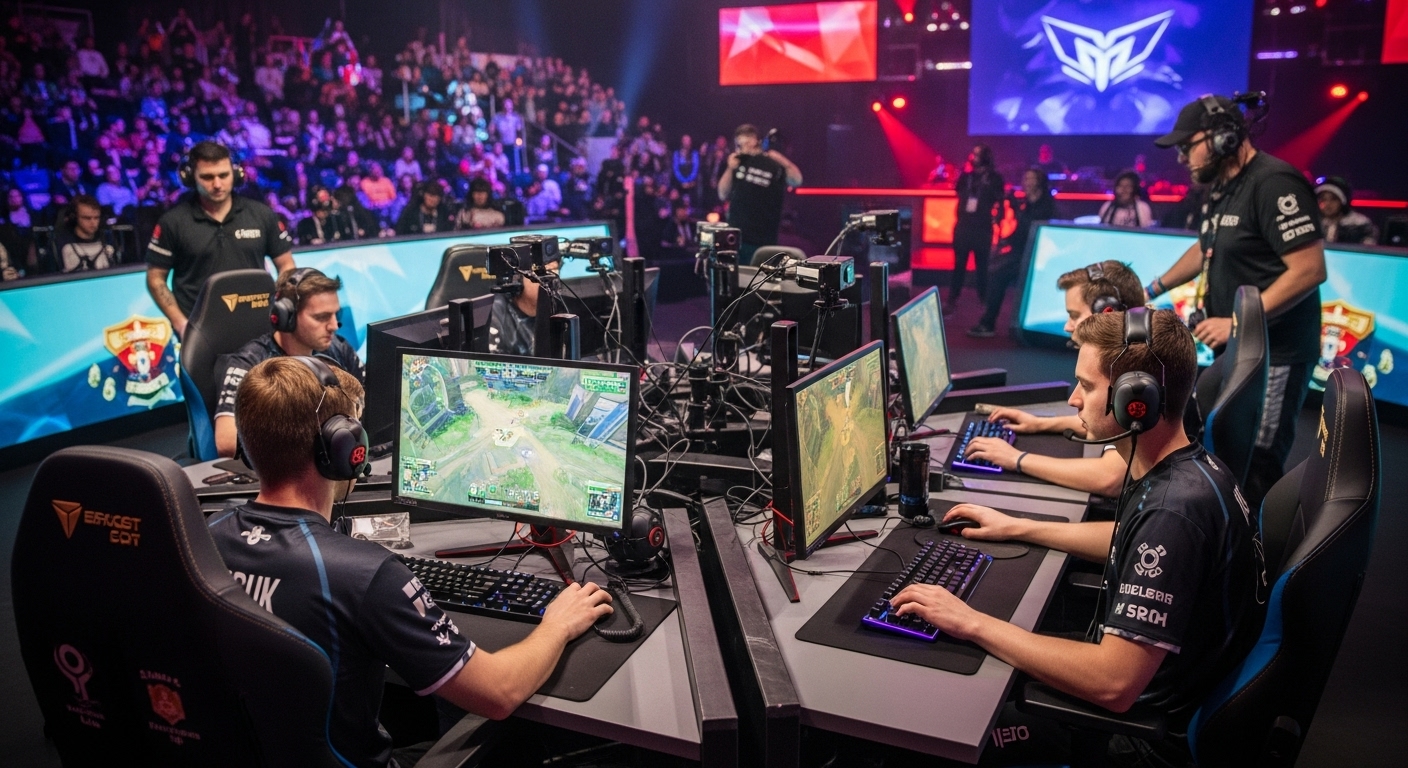
Today, esports is a multi-billion-dollar industry, attracting players, viewers, and investors globally. Its evolution has been driven by technological advancements, social media platforms, and streaming services that allow fans to watch live matches and interact with professional players in real-time. The growth of esports illustrates how digital culture can create entirely new forms of entertainment and professional opportunity.
Popular Esports Titles and Genres
Esports encompasses a wide range of game genres, each with its own competitive ecosystem. Multiplayer online battle arena (MOBA) games, such as League of Legends and Dota 2, focus on strategic team-based combat and map control. First-person shooters (FPS) like Counter-Strike: Global Offensive and Call of Duty emphasize precision, reflexes, and coordination. Real-time strategy (RTS) games, sports simulations, and fighting games like Street Fighter have also carved out competitive niches.
Each genre attracts a dedicated community of players and fans, with tournaments offering substantial prize pools and professional recognition. The diversity of esports titles allows players to specialize based on their skills and interests, creating multiple pathways to a professional gaming career. Additionally, the variety ensures that esports appeals to a broad audience, from casual viewers to hardcore competitive enthusiasts.
The Economics of Esports
The financial landscape of esports has expanded far beyond player salaries and tournament winnings. Sponsorships, advertising, merchandise sales, and media rights deals contribute significantly to the industry’s revenue. Brands ranging from technology companies to beverage producers invest heavily in esports to reach younger, digitally engaged audiences. Streaming platforms provide an additional revenue stream through subscription models, donations, and advertising.
Professional teams operate like traditional sports franchises, with dedicated management, coaching staff, and training facilities. Players often receive salaries, housing allowances, and performance bonuses, reflecting the professionalization of esports as a legitimate career path. The economic opportunities extend beyond players, encompassing event organizers, broadcasters, analysts, content creators, and marketers. As esports continues to grow, it has become a significant driver of employment and innovation in the entertainment and technology sectors.
Training and Preparation: The Making of a Professional Player
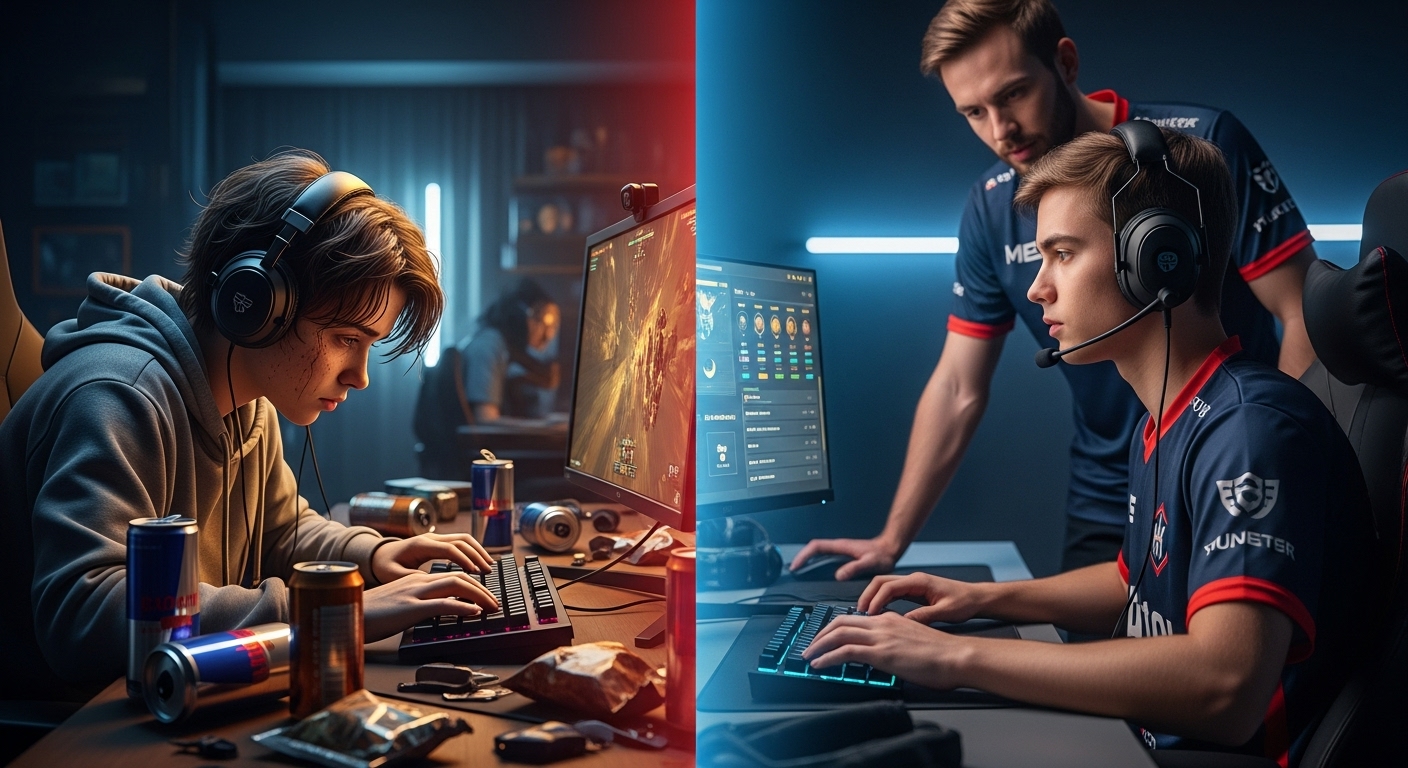
Becoming a professional esports player requires more than just natural skill; it demands discipline, practice, and strategic thinking. Training routines often involve multiple hours of daily practice, reviewing gameplay footage, and studying opponents’ strategies. Physical fitness and mental conditioning are increasingly recognized as crucial components of performance, as reaction time, focus, and stress management directly affect outcomes.
Team dynamics also play a critical role. Communication, coordination, and trust among teammates can determine the difference between victory and defeat. Coaches and analysts provide insights on strategies, character choices, and map control, mirroring the support systems found in traditional sports. The professionalization of training in esports highlights the dedication and effort required to compete at the highest levels.
The Global Impact of Esports
Esports has a global reach, transcending geographic and cultural boundaries. Countries such as South Korea, China, the United States, and several European nations have established robust esports ecosystems, including leagues, training academies, and government-supported initiatives. In South Korea, esports enjoys mainstream popularity comparable to traditional sports, with professional players achieving celebrity status.
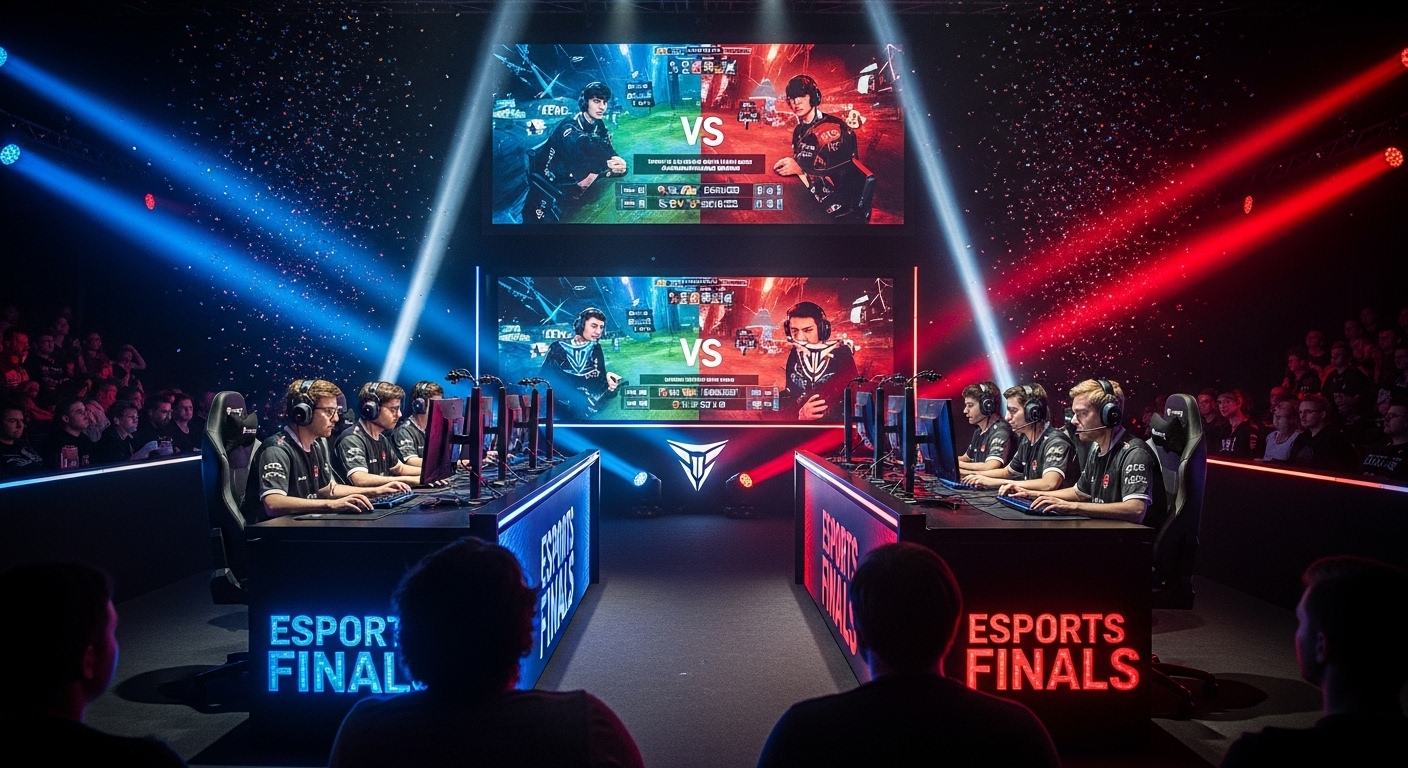
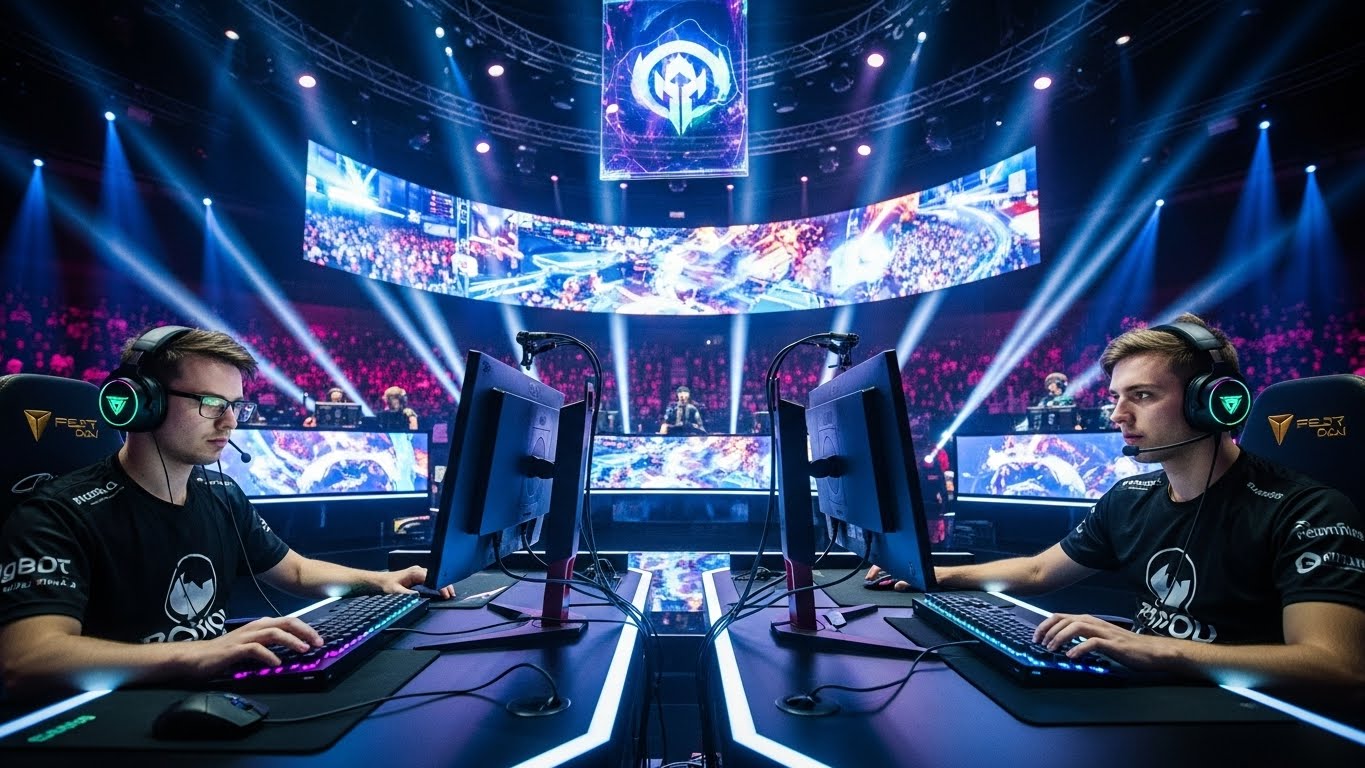
International tournaments, such as the League of Legends World Championship or The International for Dota 2, attract millions of viewers worldwide, showcasing the universal appeal of competitive gaming. Esports fosters cross-cultural interaction, connecting players and fans from diverse backgrounds through a shared passion for gaming. This global impact underscores the role of esports as both a cultural and social phenomenon.
Streaming and Fan Engagement
The rise of live streaming has revolutionized how esports reaches audiences. Platforms dedicated to game streaming allow fans to watch matches in real-time, interact with players through chat, and even influence the gaming experience. Popular streamers have become influencers, building personal brands and communities that extend beyond professional competition.
Fan engagement is a critical component of esports’ success. Unlike traditional sports, where fans often passively observe, esports encourages active participation through live chats, fan voting, and social media interaction. This level of engagement creates a sense of community and belonging, further fueling the industry’s growth. Streaming also provides a platform for aspiring players to showcase their skills, potentially leading to professional opportunities.
Challenges Facing the Esports Industry
Despite its rapid growth, esports faces several challenges. Player burnout is a common issue due to the intense training schedules and mental strain associated with professional competition. Regulatory and ethical concerns, including match-fixing, doping, and harassment, also threaten the integrity of the industry.
Additionally, the esports ecosystem is still relatively young, and revenue models can be volatile. Tournament organizers, teams, and sponsors must navigate fluctuating viewership and changing market dynamics. Addressing these challenges requires robust governance, mental health support for players, and sustainable business practices. The future of esports depends not only on its popularity but also on its ability to create a safe, fair, and professional environment for all participants.
The Future of Esports
The future of esports is full of potential. Technological advancements such as virtual reality, augmented reality, and artificial intelligence are likely to create new gaming experiences and competitive formats. VR esports could offer fully immersive tournaments, while AI-powered analytics could enhance training and strategy development.
Esports is also poised to integrate further with mainstream media and traditional sports. Hybrid events that combine live competitions with entertainment shows, fan experiences, and cross-industry collaborations are becoming more common. Educational institutions are introducing esports programs and scholarships, signaling recognition of gaming as a legitimate academic and professional pursuit. As technology continues to evolve, esports will likely continue to redefine entertainment, sports, and culture on a global scale.
Conclusion: More Than Just a Game
Esports is no longer a niche hobby; it is a thriving industry with cultural, social, and economic significance. From the early days of arcade competitions to the global tournaments of today, competitive gaming has demonstrated the power of technology to create new forms of community, entertainment, and opportunity. The dedication of professional players, the engagement of fans, and the investments of businesses all contribute to an ecosystem that continues to grow and innovate.
As esports expands, it challenges traditional notions of sports, entertainment, and professional success. It highlights the evolving relationship between humans and technology and illustrates how digital experiences can have real-world impact. The future of esports is bright, promising continued innovation, global engagement, and recognition of competitive gaming as a legitimate, influential, and exciting part of modern culture.