
Introduction
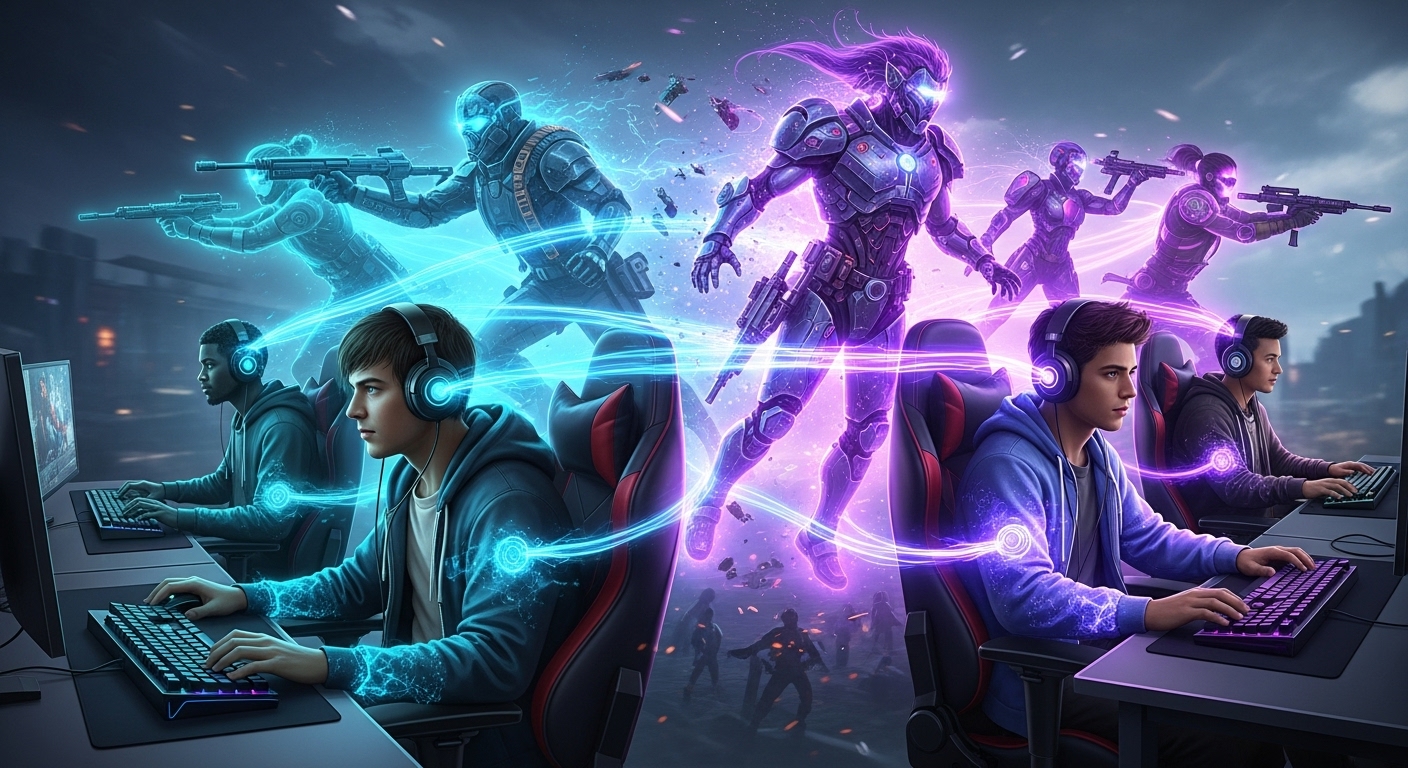
In the past two decades, esports has evolved from a niche hobby into a global cultural and professional phenomenon. What once was considered a pastime for enthusiastic gamers is now a multi-billion-dollar industry, attracting millions of players, fans, and investors worldwide. Esports combines strategy, skill, teamwork, and mental agility, transforming digital competition into a legitimate form of sport and entertainment.
Esports has redefined the way people perceive competition, entertainment, and community in the digital age. From small LAN parties in living rooms to stadiums filled with cheering fans and millions more watching online, esports demonstrates the power of technology, connectivity, and human ambition. This blog explores the history, growth, professionalization, cultural impact, economic significance, and future of esports.
The Origins of Competitive Gaming
The roots of esports can be traced back to the early 1970s. One of the earliest documented video game competitions took place at Stanford University in 1972, where students competed in the game Spacewar. The prize was modest—a subscription to a science magazine—but it marked the birth of organized digital competition.
During the 1980s, arcades became hubs for competitive play. Players competed for high scores in games such as Pac-Man, Donkey Kong, and Space Invaders. This era introduced the concept of public recognition for gaming skill and fostered early gaming communities.
The introduction of home consoles and personal computers further expanded access to competitive gaming. By the 1990s, LAN (Local Area Network) parties had become essential gatherings for players to compete in games like Quake, StarCraft, and Counter-Strike. These events were social as well as competitive, creating early structures that would eventually evolve into professional esports organizations.
The Rise of Online Competition
The early 2000s brought high-speed internet to households worldwide, revolutionizing the esports landscape. Players were no longer limited by geography, allowing for online multiplayer games that connected competitors across continents. Titles such as Warcraft III, Counter-Strike 1.6, and Halo provided competitive ecosystems with rankings, ladders, and organized tournaments.
This era also produced the first esports celebrities. Talented players with engaging personalities attracted fan followings, paving the way for the concept of professional gaming as a viable career. Online forums and communities enabled players to exchange strategies, discuss tactics, and organize competitions globally, expanding esports’ reach and influence.
Professional teams like SK Gaming, Team Liquid, and Ninjas in Pyjamas emerged, formalizing the competitive scene and demonstrating that esports could evolve beyond a hobby into a legitimate profession.
The Streaming Revolution
The rise of live streaming platforms fundamentally changed esports. Services like Twitch allowed fans to watch matches in real time, interact with players, and engage with a global community. Streaming turned esports into a shared spectacle, creating a sense of immersion and participation for audiences worldwide.
Games such as League of Legends, Dota 2, and Counter-Strike: Global Offensive became international sensations. Major tournaments offered prize pools in the millions of dollars, elevating players to celebrity status. Streaming created opportunities for fan interaction, content creation, and sponsorships, transforming esports into a fully commercialized entertainment sector.
Streaming also allowed players to cultivate personal brands, creating communities beyond the game itself. Fans could follow their favorite players’ personalities, strategies, and commentary, fostering a deeper connection between competitors and their audiences.
Professionalization and Structured Competition
As esports grew, it adopted structures similar to traditional sports. Teams began hiring coaches, analysts, managers, and psychologists to optimize player performance. Dedicated training facilities with advanced hardware, ergonomic setups, and structured practice schedules became common.
Franchised leagues such as the Overwatch League and the League of Legends Championship Series introduced city-based teams and seasonal competition formats. This structure created local fanbases, increased commercial viability, and provided stability for players and organizations alike.
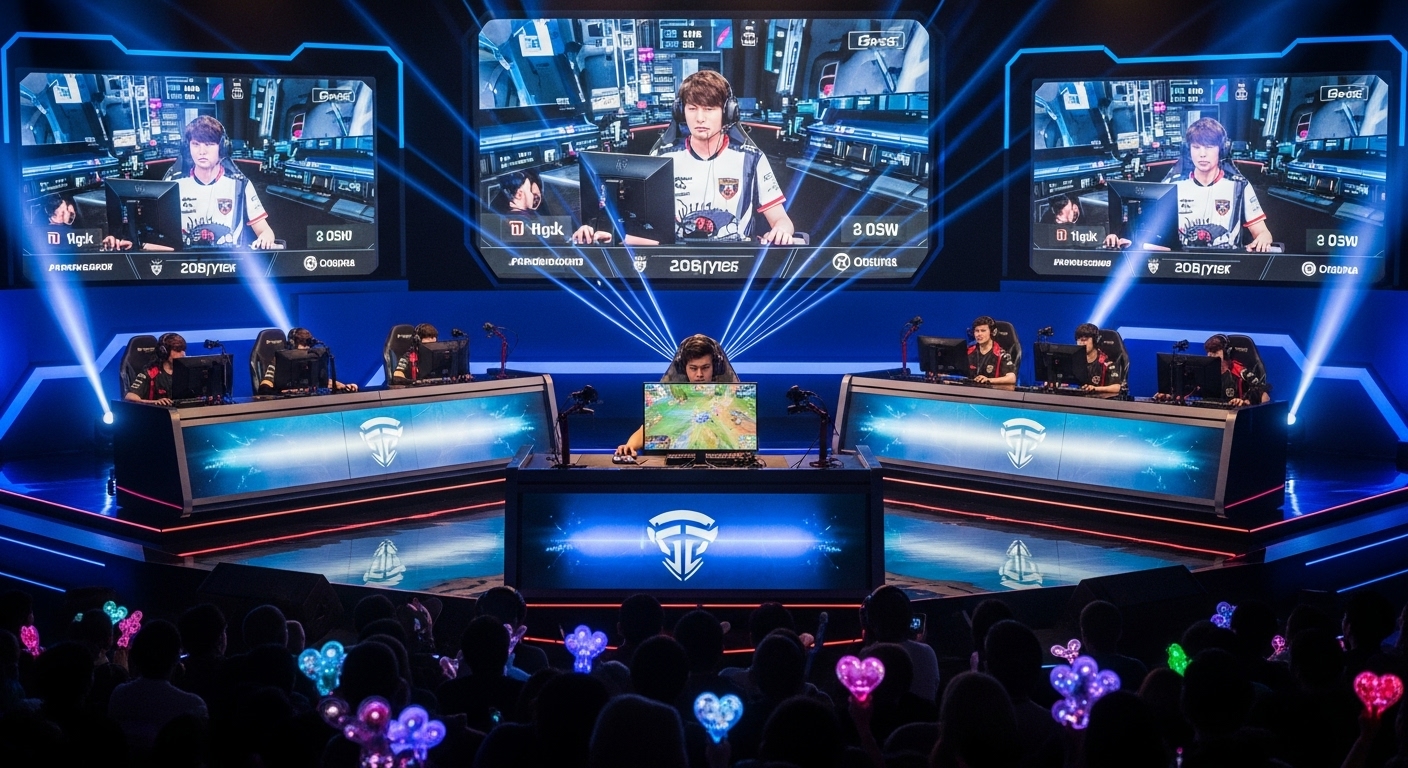
Corporate sponsorships from technology, beverage, and apparel companies further professionalized the industry. Major tournaments evolved into large-scale productions, featuring commentary, cinematic coverage, and interactive fan experiences. Esports had firmly established itself as a global entertainment powerhouse.
Cultural Impact of Esports
Esports has profoundly influenced modern culture. Gaming cafes, arenas, and themed events have become gathering spaces for fans, fostering community and shared identity. Documentaries, films, and series centered on esports have reached mainstream audiences, telling stories of players, teams, and tournaments.
Universities now offer scholarships for esports athletes, recognizing their skill and dedication as equivalent to traditional sports. Governments in countries such as South Korea, China, and the United States officially recognize esports players as professional athletes.
Traditional sports organizations have also entered esports. Football clubs including Paris Saint-Germain and Manchester City have launched esports divisions, bridging physical and digital competition. Esports’ cultural influence extends into fashion, media, and entertainment, demonstrating its broad societal impact.
Economic Significance of Esports
The esports industry functions as a complex economic ecosystem. Revenue streams include sponsorships, advertising, media rights, ticket sales, merchandise, and digital content. Leading organizations operate as full-scale businesses, employing marketing teams, media professionals, and management staff alongside their players.
Prize pools have reached staggering levels. Events like The International for Dota 2 boast tens of millions of dollars in rewards, often funded partially by fan contributions. Emerging markets in Asia, South America, and India continue to fuel growth, while mobile esports has created accessible competition opportunities for millions who lack high-end hardware.
Esports has become an influential sector for advertisers and brands seeking to reach younger, tech-savvy audiences. Its economic significance continues to expand as sponsorships, media deals, and global tournaments multiply.
Technology as a Driving Force
Technology is the foundation of esports. High-speed internet, advanced gaming hardware, and sophisticated game engines allow players to perform at professional levels. Artificial intelligence is now utilized to analyze gameplay, optimize strategies, and improve broadcast production.
Virtual reality and augmented reality promise immersive competitive experiences, while cloud gaming removes hardware barriers, allowing broader participation. Technological innovation continues to shape the industry, making esports increasingly dynamic, engaging, and accessible.
The Players Behind the Screens
Professional esports athletes are central to the industry. These individuals dedicate countless hours to practice, strategy, and teamwork. Their skills, reflexes, and decision-making rival those of traditional athletes.
The lifestyle of a professional player is demanding. Long practice sessions, travel schedules, and public attention can lead to burnout. Organizations have implemented wellness programs, psychological support, and career development initiatives to support player health.
Many retired players transition into coaching, content creation, or commentary, further enriching the esports ecosystem. Their experiences inspire future generations and highlight the diverse career opportunities within the industry.
Education and Esports
Esports has influenced education at multiple levels. Universities offer courses in esports management, marketing, and event production. Scholarships for talented players are becoming increasingly common, encouraging students to pursue professional gaming.
Participation in esports teaches teamwork, strategic thinking, communication, and problem-solving skills. For students who may not connect with traditional sports, esports provides an alternative avenue for personal growth, competition, and career preparation.
Global Community and Inclusivity
Esports thrives because of its global community. Fans interact through social media, forums, live streams, and local events, fostering a sense of belonging and identity. Esports is inclusive, welcoming participants and fans regardless of age, gender, or geography.
The international nature of esports strengthens cultural exchange and collaboration. Shared passion for gaming unites individuals worldwide, creating friendships, rivalries, and shared experiences that transcend borders.
Challenges Facing Esports
Despite its growth, esports faces significant challenges. Regulation is inconsistent because most tournaments are governed independently by game publishers. Cheating, match-fixing, and unethical practices threaten competitive integrity.
Player welfare is another concern. Intense schedules and high-pressure environments contribute to burnout and health issues. Standardized contracts, wellness programs, and ethical oversight are crucial for sustainable growth.
Online toxicity and harassment continue to pose challenges. Promoting respect, inclusivity, and positive behavior within the esports ecosystem is necessary to maintain a welcoming environment for players and fans alike.
The Future of Esports
The future of esports is promising. Advances in technology, broader accessibility, and mainstream recognition indicate continued expansion. Virtual reality and augmented reality are likely to create immersive new competitive formats, while artificial intelligence will enhance training, strategy, and audience engagement.
Esports will further integrate into popular culture, collaborating with music, fashion, film, and traditional sports. Global audiences are projected to grow, potentially rivaling traditional sports in both viewership and revenue.
Ultimately, esports will continue connecting people worldwide. It demonstrates the unifying power of shared skill and passion and represents a convergence of creativity, competition, and innovation.
Conclusion
Esports is more than a hobby; it is a cultural, professional, and technological revolution. From arcade competitions to international stadium events, it has evolved into a multi-billion-dollar industry with global influence.
It celebrates skill, strategy, teamwork, and perseverance, proving that competition is not limited to physical arenas. Professional players, passionate fans, and technological advancements have created a thriving ecosystem that continues to grow.
The digital arena has become a global stage where talent, dedication, and innovation converge. Esports has proven that competition can transcend boundaries, foster cultural exchange, and create lasting connections, ensuring its continued influence for generations to come.