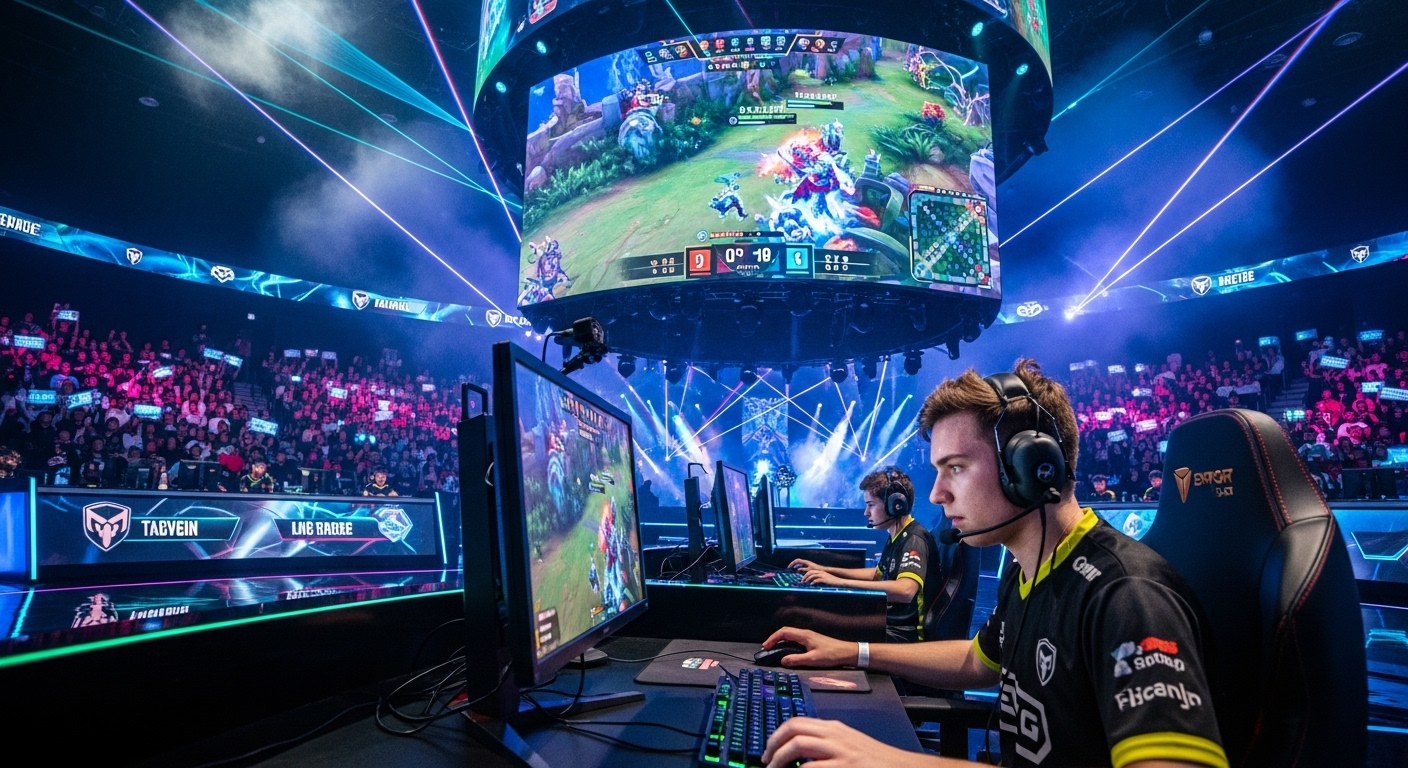
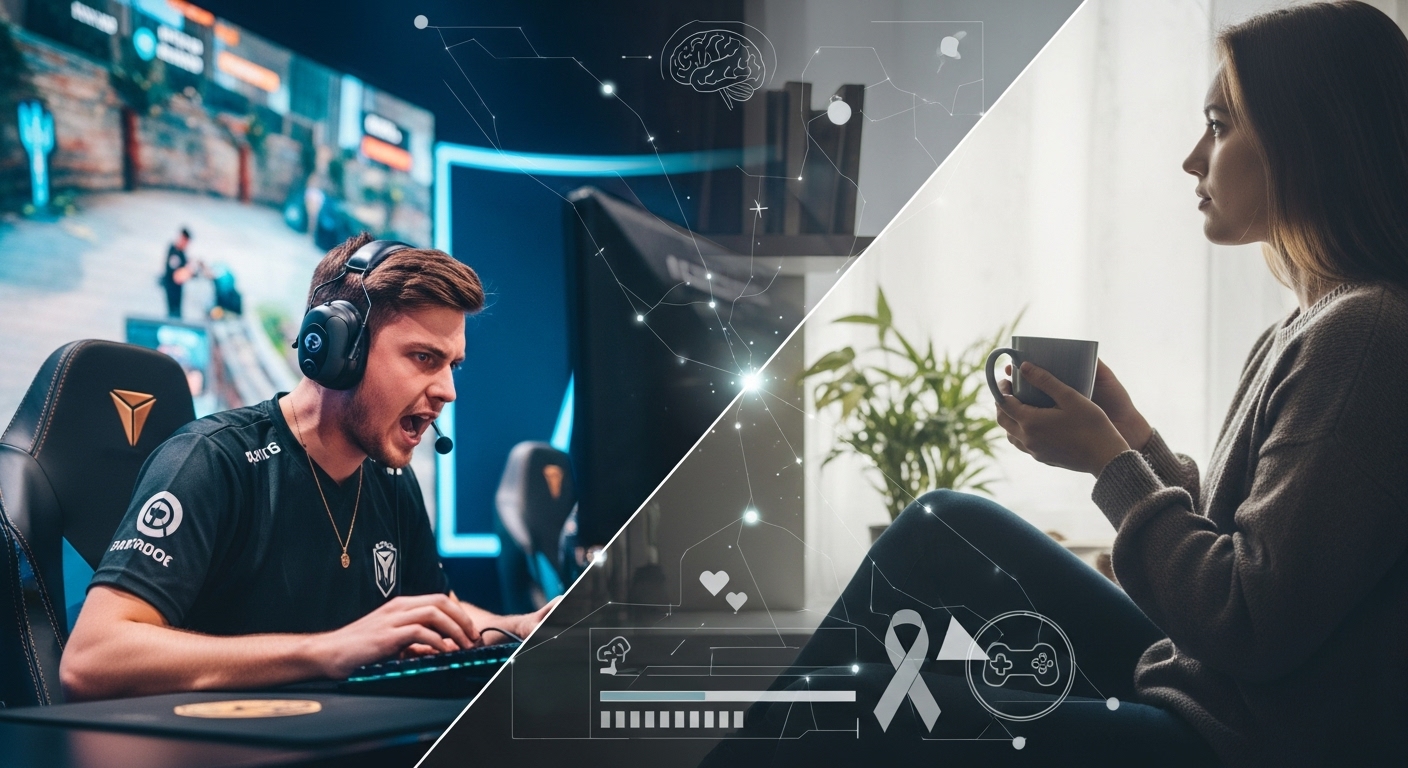
In the past decade, esports has transformed from a niche hobby into a global phenomenon, attracting millions of fans and generating billions in revenue. Professional esports players dedicate countless hours to training, perfecting strategies, and performing under immense pressure. While the excitement and glamour of competitive gaming are often highlighted, there’s a less-discussed aspect of esports that is gaining attention: mental health. Just like traditional athletes, esports players face unique mental health challenges that require awareness, support, and intervention.
In this blog post, we’ll explore the intersection of esports and mental health, the common stressors faced by professional players, the role of organizations and communities in promoting mental well-being, and actionable strategies for both players and fans to foster a healthier esports ecosystem.
The Rise of Esports and Its Unique Pressures
Esports has become a highly competitive, high-stakes environment. Games such as League of Legends, Dota 2, Counter-Strike: Global Offensive, and Valorant have cultivated professional scenes where players compete for large prize pools, sponsorships, and global recognition.
Unlike traditional sports, esports players face a combination of intense cognitive demands, constant online scrutiny, and lifestyle challenges that can exacerbate mental health issues. Factors contributing to stress include:
- Extended Practice Hours: Many professional gamers train between 8 to 12 hours daily. Repetitive practice can lead to physical strain, mental fatigue, and burnout.
- High Expectations and Public Scrutiny: Players are under constant pressure to perform, with audiences and critics monitoring every match online. Negative feedback or losses can impact self-esteem.
- Unstable Career Longevity: Esports careers can be short, often peaking in the early twenties. Concerns about long-term career stability and post-competitive life can trigger anxiety.
- Sleep Disruption: Late-night practice schedules, irregular tournament hours, and travel can disrupt natural sleep cycles, negatively affecting mood and cognitive performance.
- Isolation: Unlike traditional team sports, esports often involves solitary practice sessions, leading to social isolation and reduced interpersonal support.
These factors collectively create an environment where mental health challenges such as stress, anxiety, depression, and burnout are common among players.
Mental Health Issues in Esports
1. Burnout
Burnout is one of the most reported issues in competitive gaming. A 2022 survey by the International Journal of Gaming & Esports found that nearly 35% of professional esports players experienced symptoms of burnout, including emotional exhaustion, reduced motivation, and a sense of detachment from the game.
Burnout not only affects performance but can have long-term consequences on a player’s overall well-being, leading to sleep disorders, chronic stress, and even career abandonment.
2. Anxiety and Depression
Performance anxiety is pervasive in esports. Players may experience pressure to win or fear disappointing their team and fans. Chronic anxiety can escalate into depression if left unaddressed. According to research conducted by the Mental Health Foundation, esports players have a higher risk of developing mood disorders compared to casual gamers due to the competitive intensity and public exposure.
3. Social Isolation and Loneliness
Despite being part of teams, esports players often spend extensive hours alone practicing. This isolation can exacerbate feelings of loneliness and make it harder for players to seek emotional support, especially when combined with a stigma around discussing mental health in gaming culture.
4. Addiction and Overtraining
Compulsive gaming or overtraining is another concern. The desire to stay competitive can lead players to neglect rest, nutrition, and social life, creating a cycle of stress and physical strain that worsens mental health outcomes.
The Role of Esports Organizations in Mental Health Awareness
Recognizing the importance of mental well-being, leading esports organizations are taking steps to support their players. Some key initiatives include:
- Mental Health Professionals on Staff: Organizations like Team Liquid, Cloud9, and T1 have integrated sports psychologists and mental health coaches to help players manage stress, maintain focus, and build resilience.
- Wellness Programs: Structured programs focusing on physical fitness, nutrition, and sleep hygiene complement mental health initiatives. Physical activity and proper nutrition have been shown to reduce stress and improve cognitive performance.
- Mandatory Breaks and Rotation Systems: To prevent burnout, some teams are implementing rotational schedules, ensuring players have time away from competitive play to recharge mentally and physically.
- Education and Awareness: Workshops on stress management, mindfulness, and healthy gaming habits are becoming increasingly common in professional esports environments.
By addressing mental health proactively, esports organizations not only improve player well-being but also enhance performance, team cohesion, and public perception.
Community and Fan Influence
The esports community also plays a vital role in shaping mental health awareness. While toxicity and harassment online remain significant challenges, there are growing movements promoting kindness, support, and inclusivity. Platforms like Twitch and YouTube Gaming have seen players share personal mental health journeys, creating relatable narratives and reducing stigma.
Fans can contribute positively by:
- Supporting players rather than attacking them during losses
- Encouraging open conversations about mental health
- Participating in community initiatives that focus on well-being
Communities that prioritize empathy and understanding can create a healthier culture around esports, benefiting both players and fans.
Strategies for Supporting Mental Health in Esports
For professional players, aspiring gamers, and fans, implementing practical strategies can help mitigate mental health risks:
1. Establish a Balanced Routine
Players should design schedules that balance practice, rest, physical activity, and social interaction. Even short breaks during intense training sessions can reduce stress and improve focus.
2. Prioritize Sleep and Nutrition
Sleep deprivation significantly impacts cognitive function, reaction time, and mood. Proper nutrition fuels the body and brain for optimal performance. Esports players should work with nutritionists to develop personalized plans.
3. Practice Mindfulness and Stress Management
Techniques such as meditation, breathing exercises, and journaling can help players manage anxiety, stay present, and recover from high-pressure situations. Mindfulness training has been adopted by several professional esports teams to improve performance under stress.
4. Seek Professional Support
Accessing mental health professionals should be normalized in esports. Psychologists, counselors, and coaches can provide coping strategies, treatment, and emotional support.
5. Build a Support Network
Family, friends, teammates, and online communities can offer crucial emotional support. Social connection serves as a buffer against stress and burnout.
6. Encourage Healthy Competition
Shifting the focus from only winning to personal growth, teamwork, and skill development reduces unhealthy pressure and promotes a healthier gaming experience.
Case Studies: Mental Health in Esports
Case Study 1: Michael “Shroud” Grzesiek
Shroud, a former professional CS:GO player and popular streamer, has spoken publicly about the mental toll of competitive gaming. After stepping away from esports, he highlighted the importance of balance, self-care, and mental recovery in sustaining a long-term career.
Case Study 2: Team Liquid’s Wellness Initiative
Team Liquid integrated a sports psychologist and established wellness programs for its players. This initiative emphasized sleep hygiene, mindfulness, and communication, leading to measurable improvements in performance and overall satisfaction among players.
Case Study 3: Lee “Faker” Sang-hyeok
Faker, considered one of the greatest League of Legends players, has openly discussed mental fatigue and pressure during his career. His organization, T1, emphasizes psychological support and regular breaks to maintain player mental health.
These examples demonstrate that addressing mental health is not only vital for well-being but also essential for sustaining competitive excellence.
Challenges and Future Directions
While awareness of mental health in esports is growing, several challenges remain:
- Stigma Around Mental Health: Many players fear judgment or losing opportunities if they openly discuss mental health struggles.
- Lack of Industry Standards: Unlike traditional sports, esports lacks universal guidelines for player mental health support, training hours, and wellness requirements.
- Rapid Industry Growth: With new games, leagues, and tournaments emerging, organizations may struggle to keep pace with player well-being initiatives.
- Online Harassment: Toxicity in gaming communities can exacerbate stress, anxiety, and depression, requiring stronger moderation and education efforts.
Future progress in esports mental health will likely focus on:
- Establishing industry-wide standards and best practices
- Increasing access to mental health professionals for all competitive levels
- Integrating technology and AI for real-time stress monitoring
- Expanding educational campaigns on the importance of mental health
Conclusion
Esports represents an exciting frontier in entertainment, competition, and technology. However, behind the glitz and glamour, professional gamers face unique mental health challenges that require attention and care. Addressing these challenges is not only a moral imperative but also a practical strategy for sustaining performance, career longevity, and community growth.
As the esports industry continues to evolve, mental health awareness must remain a priority. Players, organizations, fans, and communities all share responsibility in fostering a supportive, empathetic environment. By acknowledging the pressures of competitive gaming, providing adequate support systems, and promoting a culture of well-being, esports can continue to thrive while safeguarding the mental health of those who make it extraordinary.