Introduction: The Dawn of a Digital Era
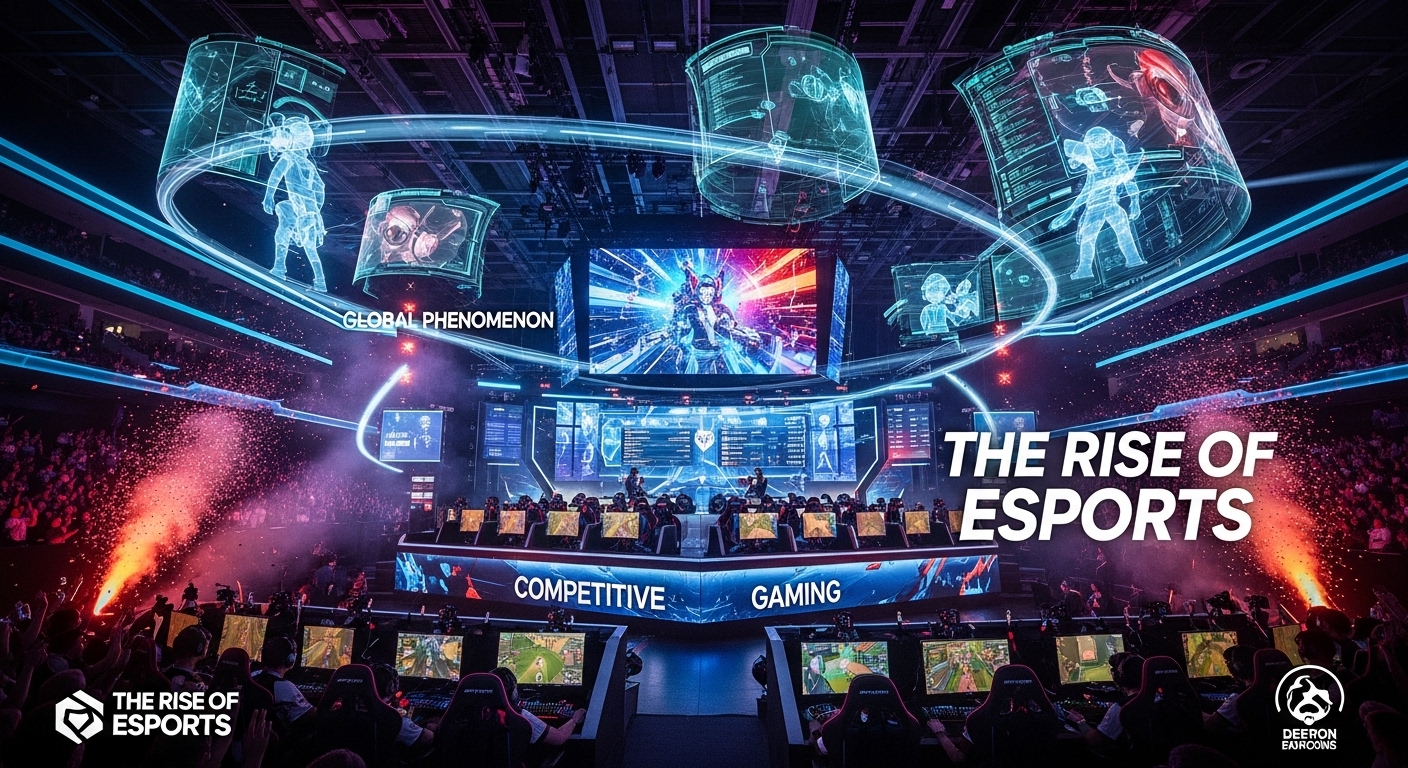
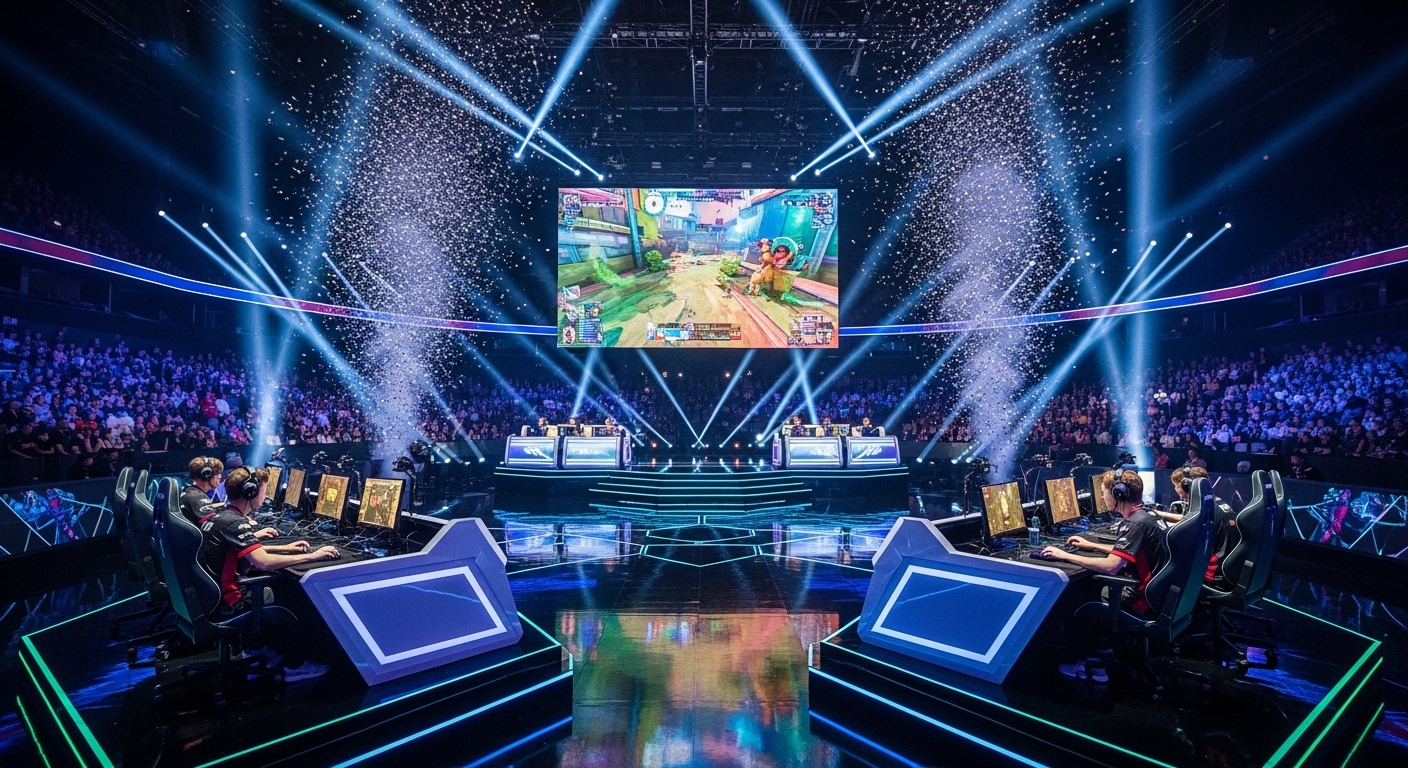
In the modern world, the term “sports” is no longer limited to physical activity or stadiums filled with cheering fans. Over the past two decades, a new form of competitive entertainment has emerged: esports, or electronic sports. What started as casual gaming competitions among friends has transformed into a billion-dollar global industry. Today, professional esports players compete in front of millions of spectators online and in arenas, earning fame and recognition comparable to traditional athletes. The rise of esports represents a cultural shift where strategy, reflexes, teamwork, and technology define a new era of competition.
The Early Days of Esports
Esports has a surprisingly long history. The first documented video game competition took place at Stanford University in the early 1970s, featuring the game “Spacewar.” The prize for the winner was modest, but the event highlighted the growing interest in competitive gaming.
During the 1980s, arcade games such as “Pac-Man” and “Donkey Kong” popularized competitive play through high-score leaderboards. By the 1990s, home consoles and local multiplayer tournaments expanded the scope of competitive gaming, particularly in fighting and strategy games. With the advent of the internet, professional gaming began to flourish globally. Games like “StarCraft,” “Counter-Strike,” and “Warcraft III” gave birth to organized esports scenes, especially in South Korea, which quickly became a global hub for professional gaming.
The Mainstream Explosion of Esports
Esports entered the mainstream during the 2010s, largely due to streaming platforms that allowed audiences to watch competitions in real-time. Games such as “League of Legends,” “Dota 2,” “Overwatch,” and “Fortnite” drew massive audiences, transforming gaming into a spectator sport.
Tournaments began offering millions of dollars in prize money. For example, Dota 2’s The International frequently features prize pools exceeding tens of millions, while the League of Legends World Championship rivals the viewership of major traditional sports events. Unlike traditional sports, esports requires minimal physical space. All a player needs is a gaming device, an internet connection, and dedication, allowing participation from virtually anywhere in the world.
How Professional Esports Operates
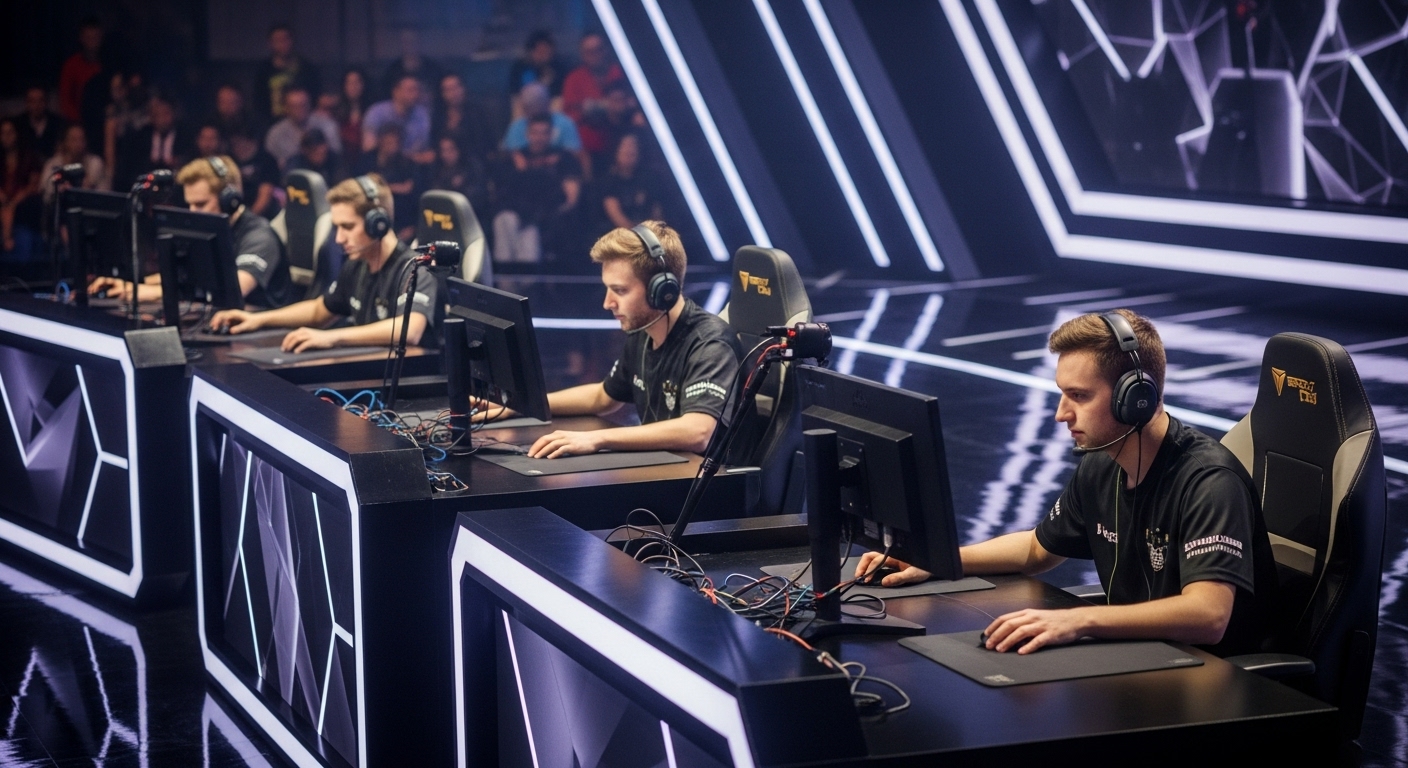
Professional esports follows a structured framework similar to traditional sports. Players join teams, sign contracts, and compete in leagues or tournaments with clear rules and rankings. Each game has its own ecosystem, governing bodies, and professional circuit.
Top esports organizations, such as Cloud9, Team Liquid, Fnatic, and T1, function like sports franchises. They manage players, hire coaches, organize practice sessions, and negotiate sponsorship deals. Training is rigorous and includes strategic planning, teamwork exercises, and hours of practice. Performance impacts a player’s career trajectory, sponsorship opportunities, and financial rewards.
Technology as the Engine of Growth
Technology has been the driving force behind esports’ growth. High-speed internet, advanced graphics, and powerful gaming systems allow professional-level gameplay and global streaming. Platforms for live streaming enable fans to watch matches and interact with players in real-time, creating a highly engaging experience.
Emerging technologies, including virtual reality and augmented reality, promise to take esports further. Cloud gaming reduces hardware barriers, allowing players to compete without expensive systems. Artificial intelligence is increasingly used to analyze gameplay, improve strategies, and train players. Mobile esports, with games like “PUBG Mobile” and “Mobile Legends,” has also expanded the global audience, particularly in Asia and Latin America, demonstrating the accessibility of competitive gaming.
The Business of Esports
Esports has grown into a multi-billion-dollar industry with diverse revenue streams. Sponsorships, advertising, media rights, merchandise, and ticket sales contribute to its economic success. Major brands, from energy drinks to technology companies, sponsor teams and tournaments, recognizing the appeal of esports to younger audiences.
The rise of esports betting and fantasy leagues mirrors traditional sports models, adding additional revenue opportunities. Universities have begun offering scholarships for esports athletes, recognizing the legitimacy of professional gaming careers. The industry now supports full-time careers for players, coaches, analysts, and content creators, highlighting its professional nature.
Esports in Education
Esports is increasingly recognized as a tool for education. Schools and universities have begun establishing esports programs to teach teamwork, leadership, communication, and critical thinking. These programs also prepare students for careers in gaming, marketing, broadcasting, and event management.
Professional coaching, access to dedicated arenas, and structured practice routines are now common in academic programs. Students can compete in collegiate esports leagues while learning valuable skills applicable both inside and outside of gaming. This integration of esports into education demonstrates how gaming can be both entertaining and educational.
Mental and Physical Demands of Esports
Although esports does not require the same physical effort as traditional sports, it demands exceptional mental focus and reflexes. Professional players practice for hours daily, honing their hand-eye coordination, decision-making skills, and teamwork.
However, the lifestyle can pose challenges. Long hours of screen time can lead to eye strain, repetitive stress injuries, and mental fatigue. To address this, top esports teams employ fitness routines, proper nutrition plans, and mental health support. Maintaining balance, mental resilience, and physical wellness is critical for sustained success in competitive gaming.
Esports as a Cultural Phenomenon
Esports has evolved beyond mere competition to become a global cultural movement. Fans engage in online communities, create content, and follow players as influencers. Cosplay, music performances, fan art, and interactive events have become integral to esports tournaments, enriching the fan experience.
Diversity and inclusion are increasingly emphasized. Women, differently-abled players, and participants from underrepresented regions are gaining recognition. Esports connects people worldwide, creating a digital community that transcends borders and brings people together through shared interests.
Challenges in the Esports Industry
Despite its growth, esports faces notable challenges. Player burnout, inconsistent tournament regulations, and incidents of cheating or match-fixing pose risks. Moreover, the industry’s reliance on private game publishers can create instability, as discontinuation of a popular game can collapse its competitive scene.
The esports community is responding by establishing regulatory frameworks, player associations, and international standards to ensure fair play, transparency, and long-term stability. These measures aim to protect players, organizations, and fans alike while supporting sustainable growth.
The Future of Esports
The future of esports is bright and full of potential. Analysts predict continued growth in audience size, revenue, and technological innovation. Virtual reality, augmented reality, cloud gaming, and artificial intelligence are expected to further enhance the competitive experience for players and viewers alike.
Esports is also gaining recognition as a legitimate sport. International sporting events have begun including esports as demonstration events, and governments are investing in esports infrastructure. Virtual stadiums and immersive fan experiences may soon redefine how audiences watch and interact with competitions.
Conclusion: Esports as the New Frontier
Esports has transformed from small gaming gatherings into a global cultural and professional phenomenon. It combines skill, strategy, teamwork, technology, and entertainment in ways that traditional sports cannot. It has created new opportunities for players, fans, and businesses, bridging the gap between gaming and mainstream culture.
As esports continues to grow, it reshapes our understanding of competition and sportsmanship. It highlights the possibilities of human creativity, strategy, and connection in a digital world. The journey of esports is far from over, and its influence on society, culture, and entertainment will only continue to expand in the years to come.