Introduction: The Rise of a New Kind of Sport
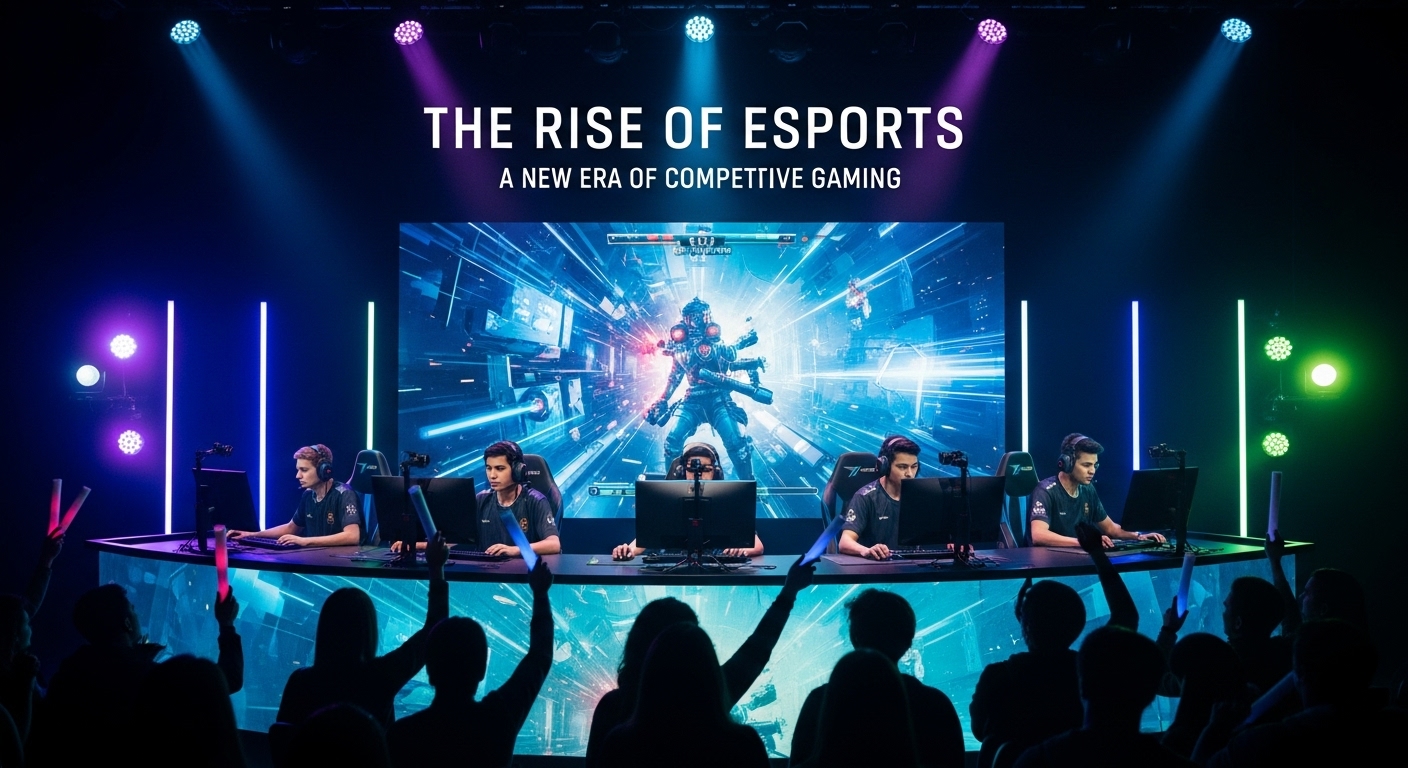
In the past decade, esports has transitioned from a niche pastime to a global phenomenon. Competitive gaming, once limited to small circles of enthusiasts, now commands massive audiences, fills stadiums, and generates billions in revenue. Unlike traditional sports, esports combines technology, entertainment, and skill-based competition in ways that captivate both players and viewers. Its rise reflects not only the growing influence of digital culture but also how society increasingly values interactive, online experiences.
Esports has transformed the way we view competition. While physical sports have dominated for centuries, esports demonstrates that mental agility, strategy, and precision can be just as thrilling as athletic performance. From local tournaments to international championships, esports has established itself as a legitimate arena for both players and spectators.
The Origins of Esports
Esports’ roots trace back to the late 1970s and 1980s, when video game competitions began emerging in arcades and early computer networks. Games like Space Invaders, Pac-Man, and Pong offered opportunities for players to compete and achieve high scores, laying the foundation for organized competitions. By the 1990s, multiplayer PC games such as Quake and StarCraft became central to competitive gaming, giving rise to formal tournaments and early professional players.
During this period, gaming communities and universities played a key role in organizing competitions. These early esports events, though modest in scale, demonstrated the potential for competitive gaming to grow into a structured industry. By the early 2000s, online connectivity and global tournaments began expanding esports beyond local networks, attracting players and fans worldwide.
The Structure of Modern Esports
Today, esports operates as a highly professionalized industry with defined structures similar to traditional sports leagues. Professional players often belong to teams supported by coaches, analysts, and training facilities. Popular games such as League of Legends, Dota 2, Counter-Strike: Global Offensive, and Fortnite have their own competitive circuits, each with unique tournament formats, rankings, and championship events.
Amateur and semi-professional players also contribute to the ecosystem. Online tournaments and community leagues serve as pipelines for emerging talent, allowing skilled players to advance to professional stages. Many teams employ analytics to monitor performance, refine strategies, and maintain competitiveness, turning esports into both a science and an art.
The Role of Technology in Esports
The growth of esports is inseparable from technological advancements. High-speed internet, powerful gaming hardware, and sophisticated streaming platforms have made competitive gaming accessible to millions. Platforms for live streaming provide fans with real-time access to matches, connecting them directly to players and teams.
Analytics tools, performance-tracking software, and artificial intelligence assist players and coaches in understanding strengths and weaknesses, enabling more strategic gameplay. Emerging technologies such as virtual reality and augmented reality promise to create even more immersive experiences, offering new ways for both players and spectators to engage.
Technology has also allowed esports to transcend geographical boundaries. Competitions can feature participants from multiple continents without physical travel, creating a truly global competitive environment. Online communities foster interaction, collaboration, and fan engagement, forming the backbone of esports culture.
Economic Impact of Esports
Esports has evolved into a multi-billion-dollar industry with diverse revenue streams. Sponsorships, advertising, merchandise, ticket sales, and streaming revenue all contribute to its growth. Major brands increasingly invest in esports to reach younger, digitally savvy audiences. Professional players can earn substantial incomes through tournament winnings, salaries, endorsements, and content creation, making esports a viable career path.
Events and conventions further stimulate local economies. Cities hosting major tournaments see boosts in tourism, hospitality, and entertainment industries. Educational institutions have also embraced esports, offering scholarships for skilled players and incorporating esports into campus activities, signaling its recognition as a legitimate competitive and academic pursuit.
Esports and Competitive Culture
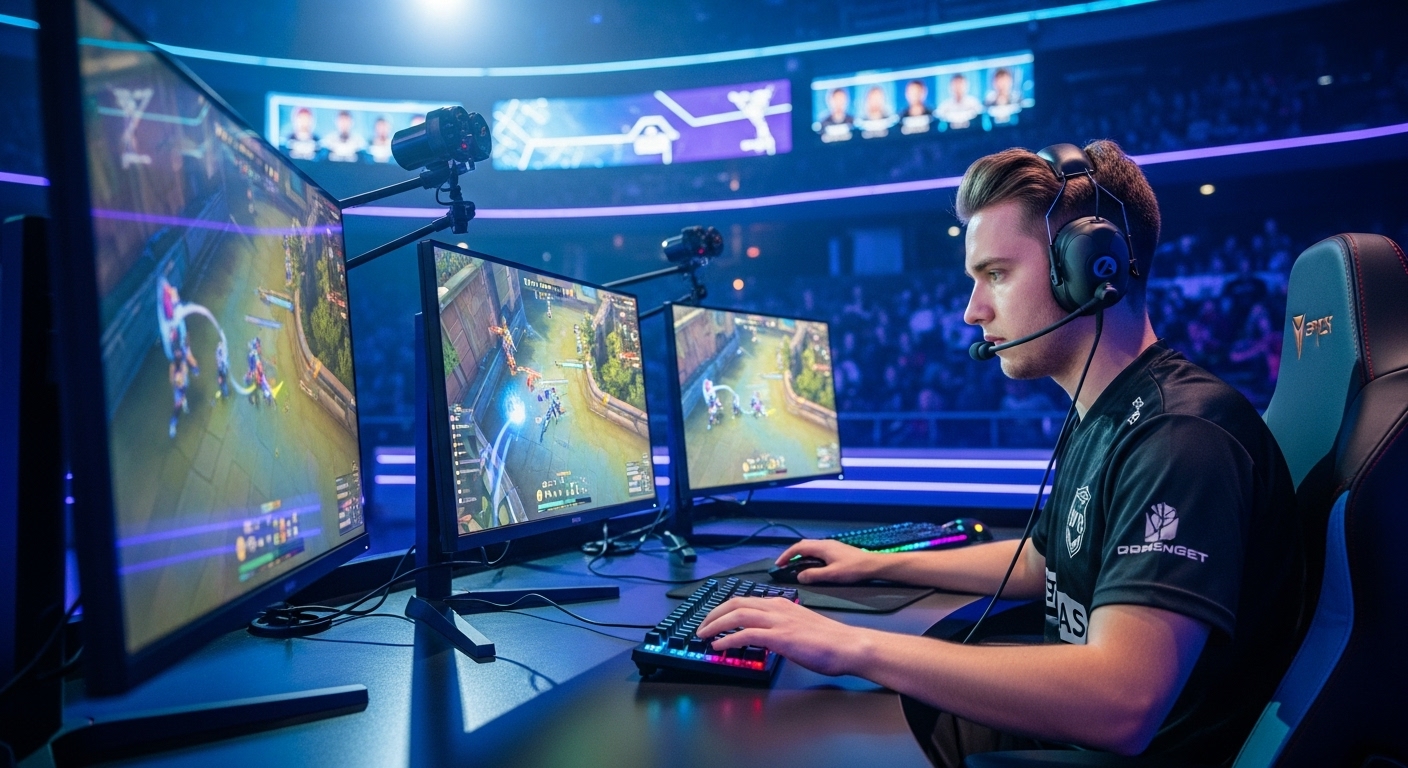
Esports emphasizes skill, strategy, and teamwork. Unlike traditional sports that rely primarily on physical ability, esports demands mental agility, quick reflexes, and analytical thinking. Players dedicate extensive hours to refining game mechanics, studying opponents, and developing strategies.
Beyond professional competition, casual gamers actively participate in the culture of esports. Streaming, content creation, and online communities foster engagement and connection. Fans interact with players, share experiences, and even contribute to strategy discussions, making esports a uniquely participatory form of entertainment.
Challenges Facing the Industry
Despite its rapid growth, esports faces several challenges. Career longevity is limited, with professional players often retiring in their twenties due to physical and mental strain. Sustaining audience interest and sponsorships requires constant innovation, as game popularity can shift rapidly. The industry also contends with cheating, toxic behavior, and inconsistent regulations across regions.
Health concerns are significant. Prolonged gaming can lead to repetitive strain injuries, poor posture, and mental health issues. Many professional teams now implement structured schedules, wellness programs, and mental health support to ensure player well-being and maintain peak performance.
Women and Diversity in Esports
Historically, esports has been male-dominated, but increasing efforts to foster diversity are reshaping the landscape. Female gamers, streamers, and organizers are gaining recognition and creating inclusive spaces. Women-only tournaments and leagues help increase participation and visibility, challenging stereotypes and expanding the community.
Diversity initiatives strengthen the industry by attracting new audiences and enhancing creativity. By embracing representation and inclusion, esports demonstrates that competitive gaming can be accessible and welcoming to all participants.
Esports as a Spectator Experience
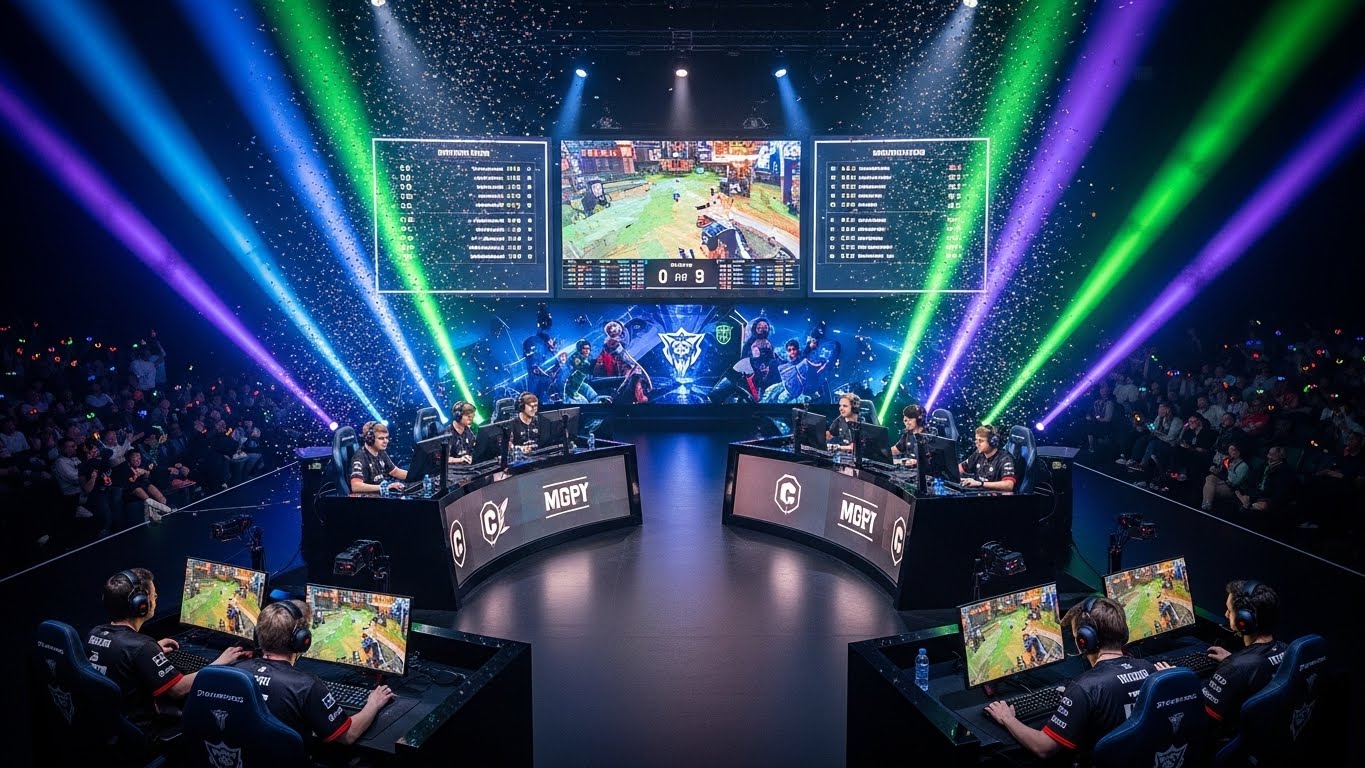
Spectatorship is central to esports’ popularity. Unlike traditional sports, esports allows viewers to access matches from anywhere, often with live commentary, analysis, and interactive features. Major tournaments attract millions of viewers worldwide, and finals can rival traditional sports in audience size.
Streaming platforms provide a dynamic and immersive experience. Fans can interact with players through chat, follow strategies, and even influence gameplay through community engagement. This interactivity sets esports apart, creating a closer connection between players and spectators.
Esports personalities, including streamers and professional players, further enhance the spectator experience. Their unique styles, humor, and charisma attract fan followings, making them influential figures in gaming culture and beyond.
The Future of Esports
The future of esports is poised for continued growth. Innovations like cloud gaming, AI-assisted coaching, and immersive reality experiences could redefine competitive gaming. The potential for esports to become part of international multi-sport events, including the Olympics, is being discussed, highlighting its growing legitimacy.
Education and professional training programs for esports are expanding, equipping players with skills in teamwork, strategy, and digital communication. As the industry matures, structured pathways for talent development, career sustainability, and fan engagement are likely to strengthen.
Conclusion: A Digital Revolution in Competition
Esports is no longer simply a pastime—it is a cultural and economic force. From humble arcade beginnings to global stadiums filled with cheering fans, competitive gaming has redefined what it means to compete and spectate. Its growth is fueled by technology, organization, and community, creating a dynamic environment where skill, strategy, and entertainment converge.
Esports challenges traditional perceptions of sport, proving that mental agility and strategic mastery can be as exhilarating as physical prowess. It is a cultural phenomenon that bridges technology and human connection, offering a glimpse into the future of entertainment and competition. For players, fans, and observers alike, esports represents not just games, but a global digital arena where passion, talent, and innovation collide.