Introduction: The Rise of Esports
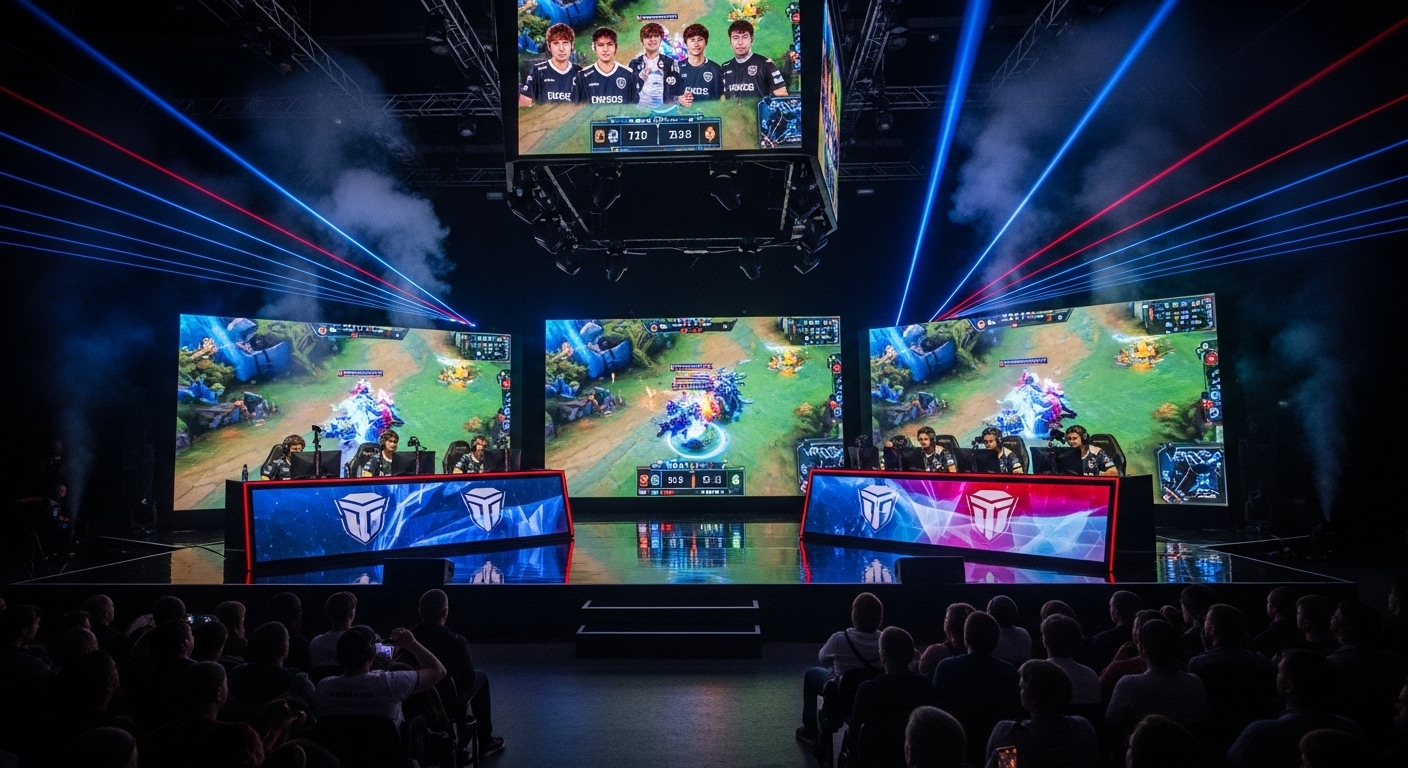
In recent years, esports has emerged as one of the most dynamic and rapidly growing forms of entertainment worldwide. What began as casual gaming among friends has evolved into a professional industry with millions of viewers, lucrative sponsorships, and international tournaments. Unlike traditional sports, esports exists entirely in the digital realm, yet it commands the same level of dedication, strategy, and passion. The term “esports” encompasses a wide variety of competitive video games, from first-person shooters to multiplayer online battle arenas, and continues to capture the imagination of younger generations in particular.
The Evolution of Esports
The journey of esports began in the late 1970s and early 1980s with simple arcade competitions, where players would gather in arcades to compete for high scores. By the 1990s, the growth of personal computers and the internet enabled online multiplayer games, allowing players to compete across cities, countries, and eventually continents. Titles such as StarCraft and Counter-Strike became global phenomena, creating the first professional gaming communities. Fast forward to today, and esports is a multi-billion-dollar industry, complete with professional teams, coaches, analysts, and streaming platforms that broadcast tournaments to millions of fans worldwide.
Popular Esports Games
Esports covers a diverse range of game genres, each attracting different audiences. Multiplayer Online Battle Arena (MOBA) games like League of Legends and Dota 2 require players to coordinate as a team, strategize in real-time, and make split-second decisions that can determine the outcome of a match. First-Person Shooter (FPS) games, such as Call of Duty and Counter-Strike: Global Offensive, emphasize precision, reflexes, and tactical gameplay. Fighting games like Street Fighter and Super Smash Bros focus on individual skill and reaction time, while sports simulations like FIFA and NBA 2K replicate real-life sports in the digital space. Each genre brings its own unique challenges and fan base, contributing to the rich ecosystem of esports.
The Professional Esports Scene
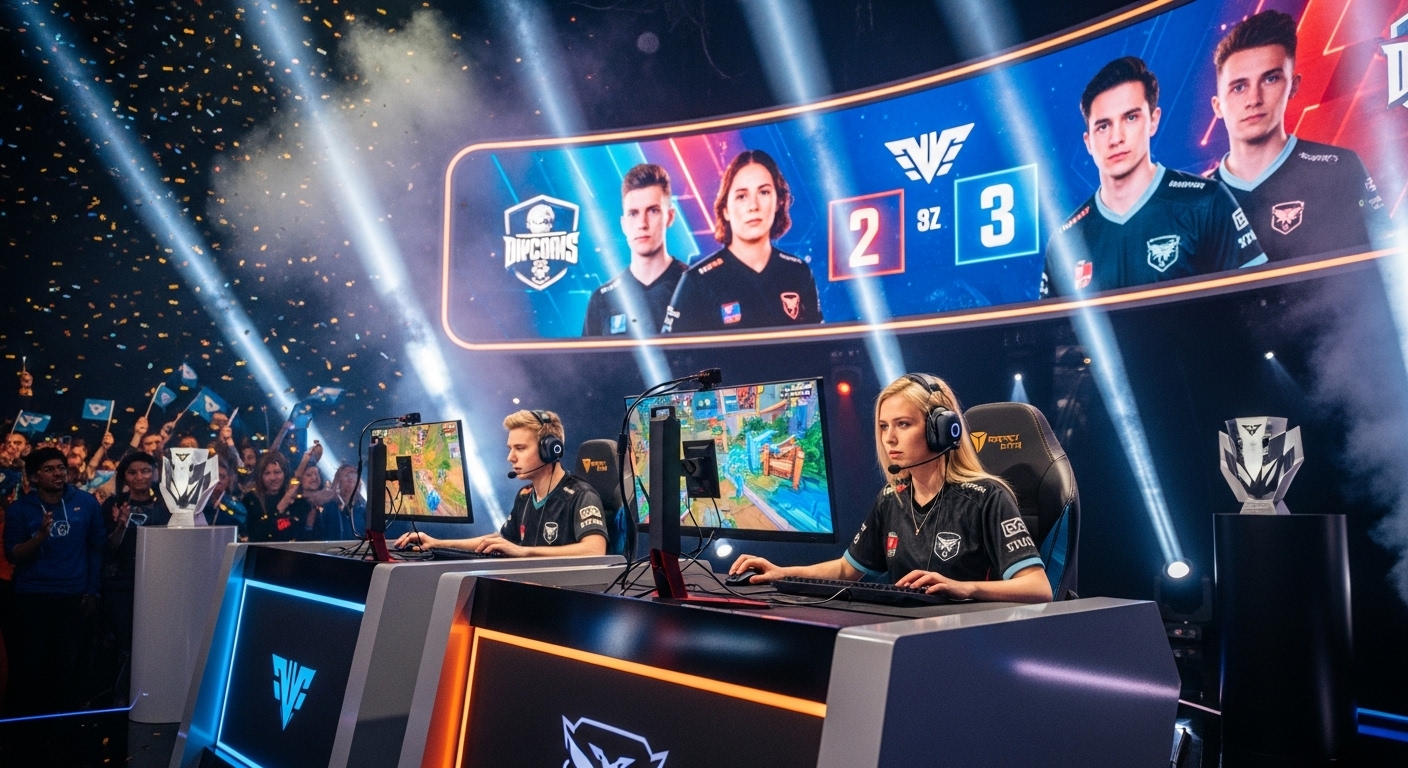
At the professional level, esports players undergo rigorous training similar to traditional athletes. A professional player’s day often includes hours of practice, reviewing game footage, physical exercise, and strategy sessions with teammates and coaches. Professional leagues, tournaments, and championships offer substantial prize pools, sometimes reaching millions of dollars. Organizations invest heavily in player development, branding, and fan engagement. Sponsorships from major brands, including tech companies, energy drinks, and apparel lines, further elevate the status of professional players. The level of skill, dedication, and discipline required in professional esports underscores that it is far more than just playing video games—it is a highly competitive, highly strategic career.
The Impact of Streaming and Online Platforms
Streaming platforms have revolutionized the way fans engage with esports. Platforms such as Twitch, YouTube Gaming, and others allow viewers to watch live gameplay, interact with streamers in real-time, and follow tournaments from anywhere in the world. Streaming has created a new form of celebrity, where top players are not just athletes but entertainers with massive followings. Content creators often combine gameplay with personality-driven commentary, building communities that extend beyond just watching matches. This interaction strengthens the connection between fans and esports, making the industry more dynamic and accessible.
Esports and Global Recognition
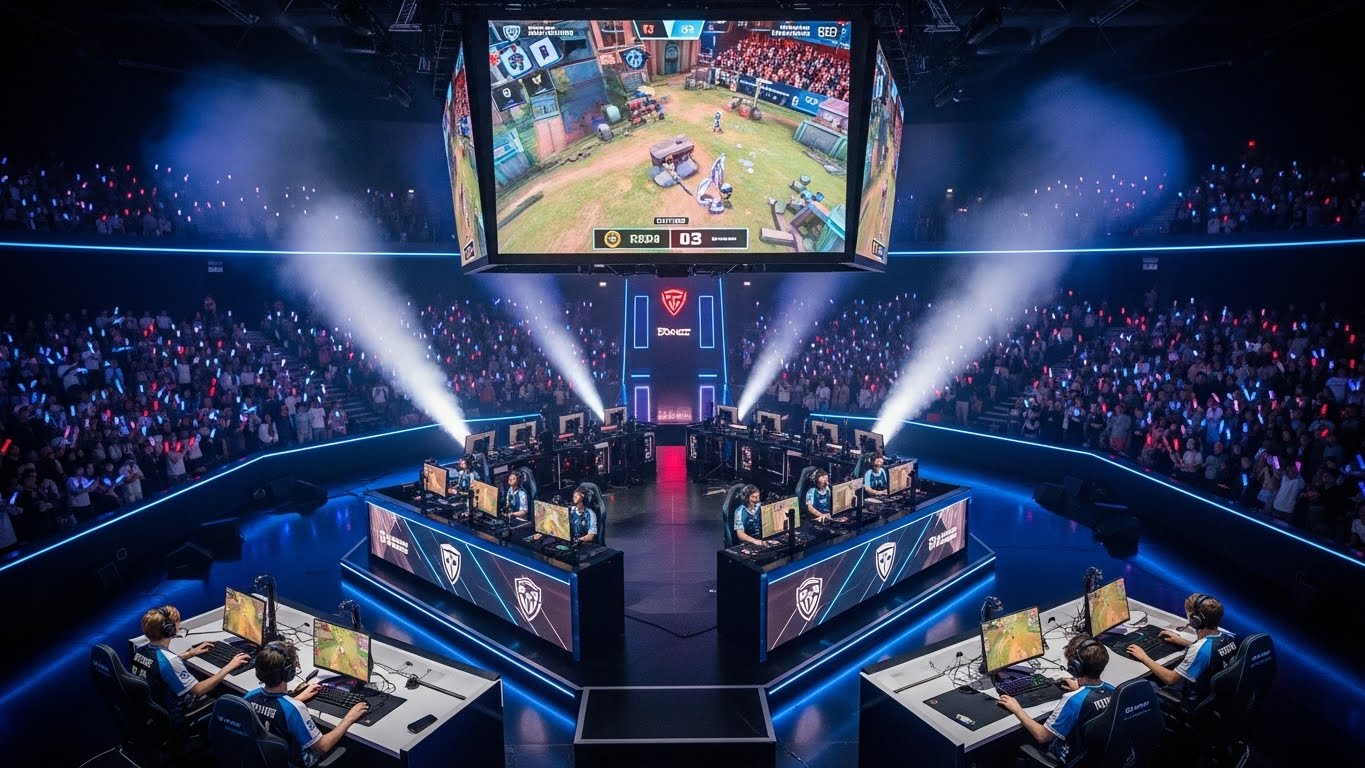
Esports is no longer confined to niche online communities; it has gained international recognition as a legitimate sport. Several countries have established national esports federations, and tournaments are often hosted in stadiums with live audiences rivaling traditional sports events. Countries such as South Korea have led the way, integrating esports into mainstream culture and education. In addition, esports has been included as a demonstration event in international multi-sport competitions, highlighting its growing acceptance. The global reach of esports transcends borders, allowing players and fans from different cultures to unite through their shared love of competitive gaming.
The Economics of Esports
The financial landscape of esports is complex and multifaceted. Revenue streams include sponsorships, advertising, ticket sales for live events, merchandise, media rights, and streaming subscriptions. Organizations invest in team branding, content creation, and marketing campaigns to attract sponsors and fans. Professional tournaments often offer prize pools that are funded by sponsors, crowdfunding, and game publishers. The industry has proven to be a viable career path not only for players but also for coaches, analysts, event organizers, commentators, and content creators. The economics of esports reflect its legitimacy as a thriving global business.
The Role of Education and Career Opportunities
Esports has also opened up new avenues in education and career development. Several universities now offer scholarships and degree programs in esports management, game design, and competitive play. Students can pursue careers as professional players, coaches, event managers, content creators, or analysts. Esports education emphasizes teamwork, strategic thinking, communication, and time management—skills that are transferable to many other professional fields. This integration of esports into academia reinforces the idea that competitive gaming is a serious discipline with tangible opportunities for growth.
Challenges Facing Esports
Despite its growth, esports faces several challenges. One of the most significant issues is maintaining player health and well-being. The demanding schedules and high-pressure environment can lead to physical strain, mental fatigue, and burnout. Additionally, esports lacks some of the regulatory frameworks present in traditional sports, which can result in disputes over contracts, cheating, and tournament fairness. Another challenge is combating the negative stereotypes surrounding gaming. While esports is increasingly recognized for its skill and professionalism, some critics still dismiss it as mere entertainment. Addressing these challenges is essential for the continued legitimacy and sustainability of the industry.
The Future of Esports
The future of esports appears promising, with technological advancements, increasing mainstream acceptance, and expanding audiences driving growth. Virtual reality (VR) and augmented reality (AR) have the potential to redefine the way games are played and viewed, creating immersive experiences for both players and fans. Artificial intelligence (AI) can enhance training methods, game analysis, and even match predictions. Additionally, the continued integration of esports into education and professional development will ensure a new generation of skilled players, coaches, and industry professionals. As esports continues to evolve, it may become a central component of global entertainment culture, on par with traditional sports.
The Social and Cultural Influence of Esports
Beyond competition, esports has a significant social and cultural impact. It brings together diverse communities and promotes collaboration, strategy, and problem-solving. Online tournaments and gaming communities create a sense of belonging and identity for participants. Cultural exchange occurs naturally as players from different countries compete and communicate online. Furthermore, esports promotes inclusivity, with increasing representation of women and marginalized groups in competitive gaming. The cultural impact of esports extends beyond gaming, influencing media, entertainment, fashion, and even lifestyle choices.
Conclusion: Esports as a Modern Phenomenon
Esports represents a new era of competitive entertainment, where digital skill, strategy, and creativity converge to create global spectacles. It has transformed from casual gaming into a structured, professional industry with economic, educational, and social significance. While challenges remain, the rapid growth, mainstream acceptance, and technological advancements suggest that esports will continue to shape the landscape of entertainment and competition for years to come. As more people embrace the digital arena, esports will not only redefine what it means to be a competitor but also what it means to be a fan in the modern age.