Introduction
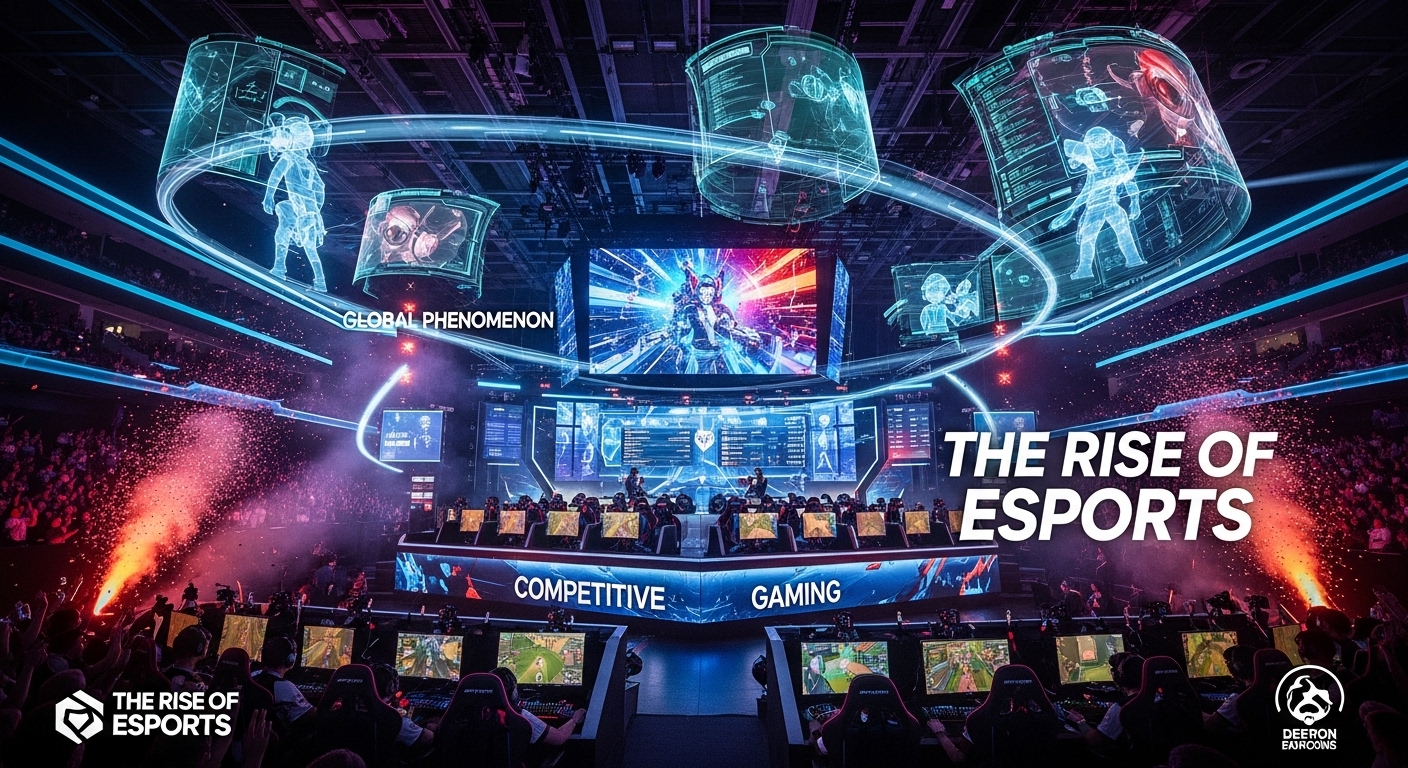
The world of gaming has transformed beyond imagination. What began as a casual pastime in the dimly lit arcades of the 1980s has evolved into a global phenomenon known as esports. Short for electronic sports, esports refers to competitive gaming at a professional level where players and teams compete in organized tournaments for fame, glory, and often, millions of dollars in prize money. The journey of esports from a niche subculture to a mainstream entertainment industry is nothing short of remarkable. Today, esports stands shoulder to shoulder with traditional sports, drawing massive crowds, corporate sponsors, and global audiences.
The Birth of Esports
The origins of esports trace back to the early days of video games. In 1972, at Stanford University, students organized a competition for the game Spacewar, marking one of the first known gaming tournaments. The prize was modest—a year’s subscription to a magazine—but it laid the foundation for something far greater. By the early 1980s, arcade games like Pac-Man, Donkey Kong, and Space Invaders became the stage for competitive showdowns. The Space Invaders Championship held in 1980 attracted more than 10,000 participants across the United States, proving that video games could unite people in competition just like traditional sports.
The Rise of Competitive Gaming
The 1990s were a turning point for esports. The introduction of the internet and the rise of home gaming consoles made multiplayer gaming more accessible. Titles like Street Fighter II, Quake, and StarCraft fueled the competitive spirit among gamers. South Korea, in particular, became a hotbed for esports due to its rapid technological growth and passion for gaming. By the late 1990s, television networks in South Korea began broadcasting live matches of StarCraft, giving rise to professional players who became national celebrities.
The Era of Online Multiplayer Games
The 2000s marked the true globalization of esports. Games such as Counter-Strike, Warcraft III, and Defense of the Ancients (DotA) defined a new generation of competition. These games were designed not just for fun but also for skill-based competitive play. Tournaments like the World Cyber Games and Electronic Sports World Cup brought together players from around the world, setting international standards for esports.
Online platforms made it easier for players to practice, compete, and stream their games. This accessibility changed everything. Suddenly, a talented gamer from any part of the world could gain recognition simply by showcasing skill and dedication. The competitive scene grew rapidly, and esports teams began forming with sponsorships, training facilities, and management structures similar to professional sports teams.
Esports Becomes Mainstream
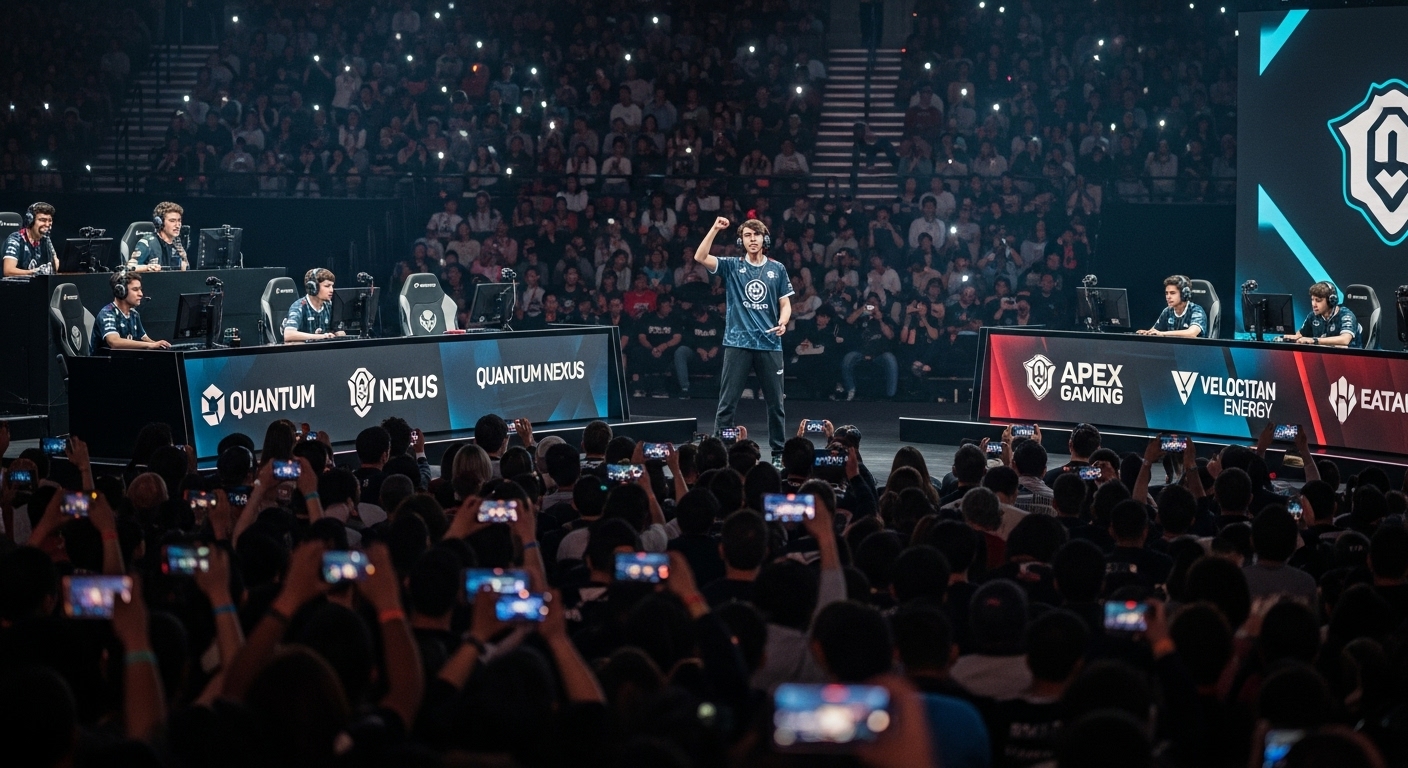
By the 2010s, esports was no longer underground—it was a global spectacle. Games like League of Legends, Dota 2, and Counter-Strike: Global Offensive established massive international tournaments with multi-million-dollar prize pools. The League of Legends World Championship filled entire stadiums, while The International, the annual Dota 2 event, shattered records with its enormous crowdfunding prize pools.
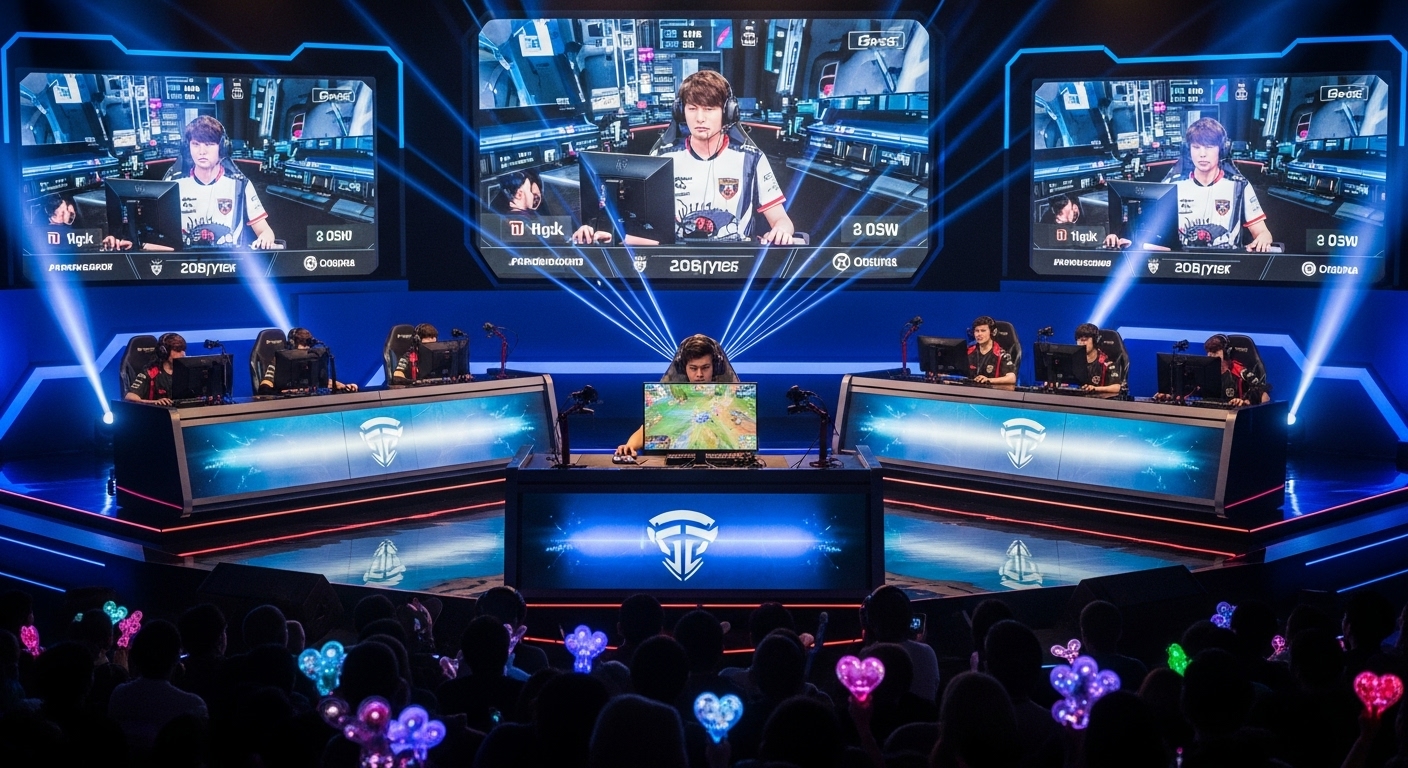
Streaming platforms like Twitch and YouTube Gaming changed the way people consumed esports. Instead of attending live events, millions could now watch their favorite players compete from the comfort of their homes. This accessibility created an entirely new ecosystem around esports—complete with professional commentators, analysts, coaches, and even dedicated media outlets covering matches and player news.
The Professional Esports Athlete
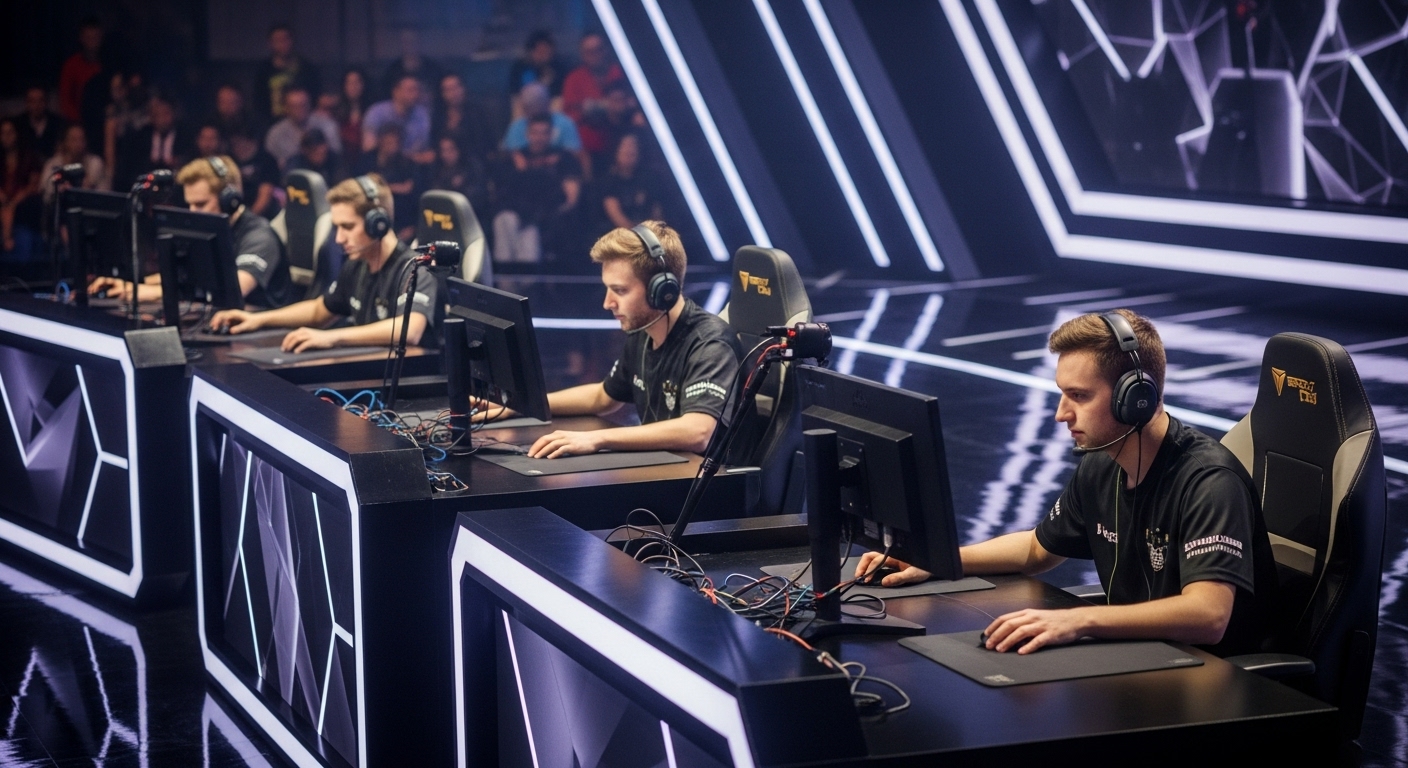
The rise of esports also changed perceptions of what it means to be an athlete. While traditional sports rely on physical prowess, esports demands mental agility, strategy, precision, and teamwork. Professional esports players train for hours every day, analyzing opponents’ tactics and refining their reflexes. They often work with coaches, nutritionists, and psychologists to maintain peak performance.
Esports professionals can earn significant income through tournament winnings, sponsorships, and streaming. Top players in games like Fortnite or Valorant have become millionaires, while organizations such as Team Liquid, Fnatic, and T1 have become household names in gaming culture.
The Global Esports Ecosystem
The esports industry is not just about players. It involves a vast network of organizations, sponsors, event organizers, broadcasters, and fans. Major companies have recognized the potential of esports as a marketing powerhouse. Brands ranging from energy drinks to automobile manufacturers now sponsor teams and tournaments, seeing value in reaching the young, tech-savvy audience that esports attracts.
Universities across the world have begun offering esports scholarships, and some even have dedicated esports programs. Governments have started recognizing esports as legitimate professions, providing visas for players to compete internationally. This global acceptance marks a major milestone in the evolution of digital sports.
The Role of Technology in Esports Growth
Technology has been the lifeblood of esports. High-speed internet, powerful graphics processors, and advanced streaming platforms have made global competition seamless. Innovations in virtual reality and artificial intelligence are pushing the boundaries of what esports can be. Games are becoming more immersive, and spectators are experiencing esports in entirely new ways, from 360-degree replays to augmented reality overlays during live broadcasts.
Cloud gaming and mobile technology have further expanded esports accessibility. Mobile titles like PUBG Mobile, Mobile Legends, and Free Fire have brought competitive gaming to millions who may not own high-end PCs or consoles. In regions like South Asia and Southeast Asia, mobile esports have become the dominant form of competition.
The Social and Cultural Impact of Esports
Esports has transcended the boundaries of gaming to influence broader culture. The community-driven nature of esports fosters collaboration, creativity, and a sense of belonging. Fans support their favorite teams with the same passion as traditional sports enthusiasts. Online forums, fan art, memes, and social media interactions have created a vibrant digital culture.
Esports has also opened doors for diversity and inclusion. Although male players still dominate the scene, more women and marginalized groups are entering the competitive world. Initiatives promoting inclusivity and fair play are becoming central to esports organizations, helping the industry mature beyond its early stereotypes.
Esports as a Career Path
For many young gamers, esports represents a dream career. Beyond being a player, there are numerous roles in the industry: game designers, analysts, commentators, event managers, social media strategists, and marketing professionals all contribute to the success of esports. Universities and institutions now offer courses related to esports management and game design, preparing the next generation for a rapidly expanding field.
However, the esports career path is not without challenges. The pressure to perform, long training hours, and the relatively short career span of professional players make it a demanding profession. As the industry grows, there is an increasing focus on player welfare, mental health support, and sustainable career planning.
The Economic Power of Esports
Esports has grown into a billion-dollar industry. Revenue streams include sponsorships, advertising, media rights, merchandise, and ticket sales. Major esports events attract audiences comparable to global sports tournaments. For instance, the League of Legends World Championship has drawn viewership numbers exceeding those of the Super Bowl in recent years.
Cities around the world are investing in esports infrastructure, building dedicated arenas and gaming hubs to host international tournaments. The rise of esports tourism—where fans travel to watch live competitions—further demonstrates its economic impact. Esports has created job opportunities in event management, broadcasting, software development, and even hospitality.
The Relationship Between Esports and Traditional Sports
Traditional sports organizations were initially skeptical of esports, but attitudes have shifted dramatically. Many football clubs, basketball teams, and even Formula 1 franchises now have their own esports divisions. This collaboration bridges the gap between physical and digital competition. Esports has also been featured as a demonstration event in major sports gatherings, such as the Asian Games, signaling its growing legitimacy on the global stage.
The parallels between esports and traditional sports are undeniable—teamwork, strategy, competition, and entertainment are shared elements. The only major difference is the playing field: one is physical, the other digital. As technology continues to evolve, the line between the two will blur even more.
Challenges Facing the Esports Industry
Despite its success, esports faces several challenges. Issues such as player burnout, inconsistent regulations, and lack of standardized governance remain pressing concerns. The industry’s rapid growth has outpaced the establishment of clear structures for player contracts, anti-doping measures, and fair play rules.
Cheating through software hacks or match-fixing scandals has also affected the credibility of esports at times. Maintaining integrity is vital for its long-term sustainability. Moreover, the mental health of players—often exposed to intense scrutiny and pressure—requires ongoing attention and support systems.
The Future of Esports
Looking ahead, the future of esports is filled with possibilities. Advancements in virtual reality, augmented reality, and AI-driven game design could redefine how people play and watch games. Esports may soon expand beyond screens, integrating with physical experiences that merge real-world movement and digital environments.
Education and training institutions will continue to professionalize the industry, producing experts in esports management, marketing, and production. As technology evolves, new genres and gaming experiences will emerge, creating fresh competitive opportunities.
The inclusion of esports in major global sporting events, such as the Olympics, is a likely future milestone. With global recognition, esports could become a universal form of entertainment that transcends age, culture, and geography.
The Human Element Behind the Screen
At its heart, esports is not just about machines or software—it’s about people. Behind every champion is a story of perseverance, teamwork, and passion. Esports brings together millions who share the same love for gaming, competition, and creativity. It fosters communities, builds friendships, and gives a voice to those who might never have been heard in traditional sports.
Esports has proven that skill, strategy, and determination can thrive in the digital world just as much as in the physical one. Whether you are a player, a fan, or simply an observer, esports offers something that connects us all—the thrill of competition and the celebration of human potential in the age of technology.
Conclusion
From humble beginnings in university halls to sold-out stadiums and global live streams, esports has come a long way. It is a cultural movement, a technological marvel, and a testament to how digital entertainment can unite the world. The rise of esports marks not just the evolution of gaming but the redefinition of what it means to be an athlete, a fan, and a part of a global community.
As technology continues to evolve and society becomes even more interconnected, esports will only grow in influence. Its journey is far from over—in fact, it is just beginning. The next generation of players, innovators, and dreamers will carry esports into new realms, proving once again that the world of competitive gaming is not just a pastime—it is the future of sports itself.