
Introduction
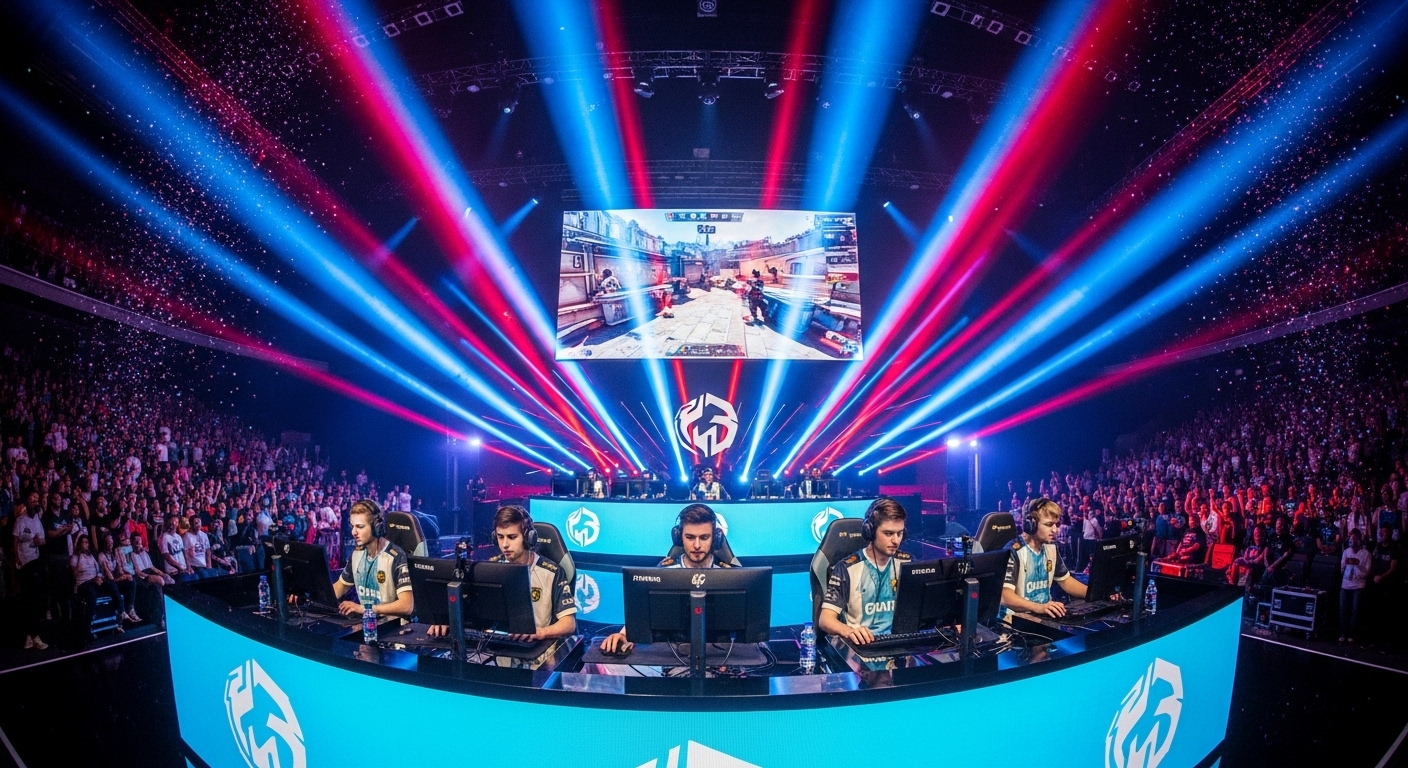
eSports, short for electronic sports, has emerged as a revolutionary form of competition in the digital era. Unlike traditional sports, eSports takes place in virtual arenas, where skill, strategy, and teamwork determine victory. From casual online matches to professional tournaments with millions of viewers, eSports has become a global phenomenon that attracts players and fans of all ages.
The Growth of eSports
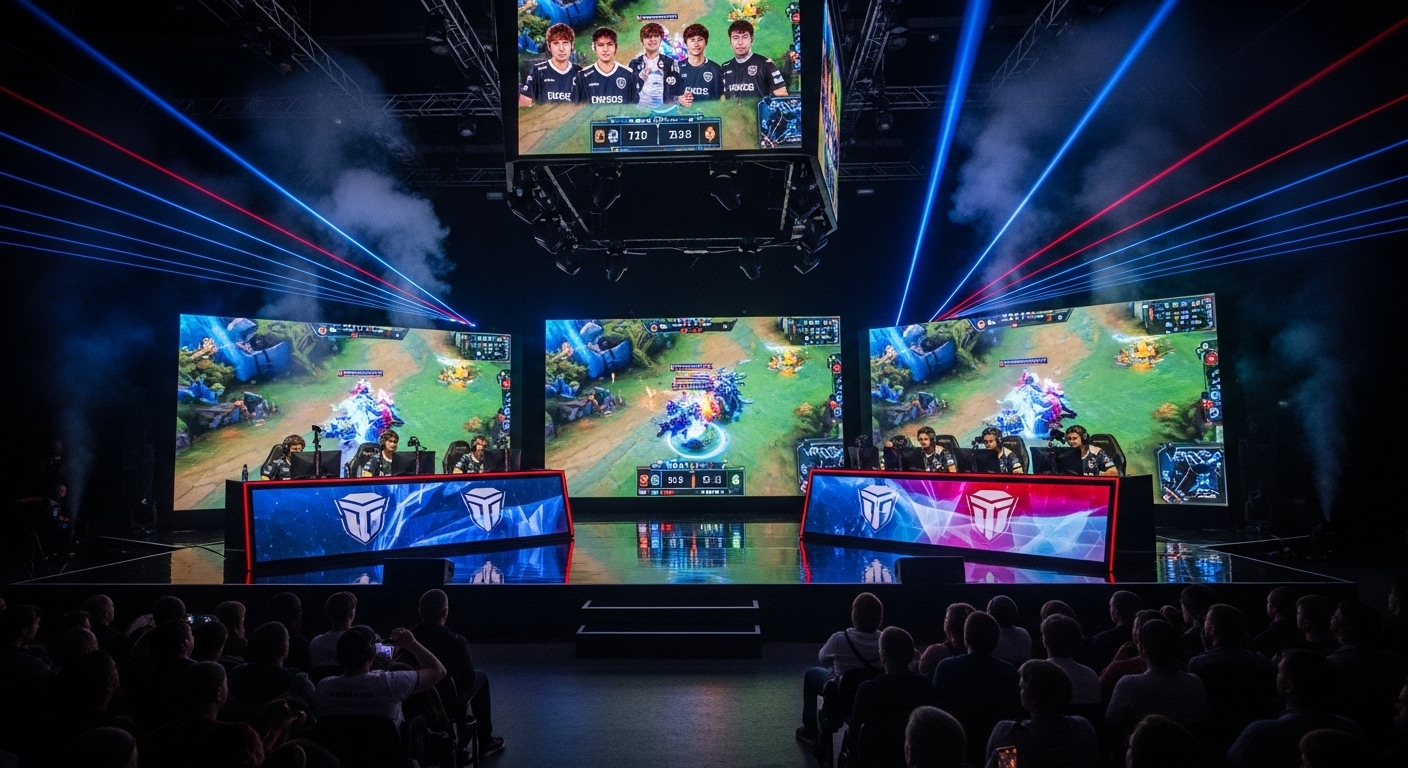
The growth of eSports over the past decade has been extraordinary. Early gaming competitions have evolved into organized leagues and international tournaments with massive prize pools. Popular games like Dota 2, Counter-Strike, Fortnite, and League of Legends have become staples of the eSports scene. With the rise of live streaming platforms, millions of fans can watch matches in real-time, creating a vibrant, global community of players and spectators.
Skills and Strategy in eSports
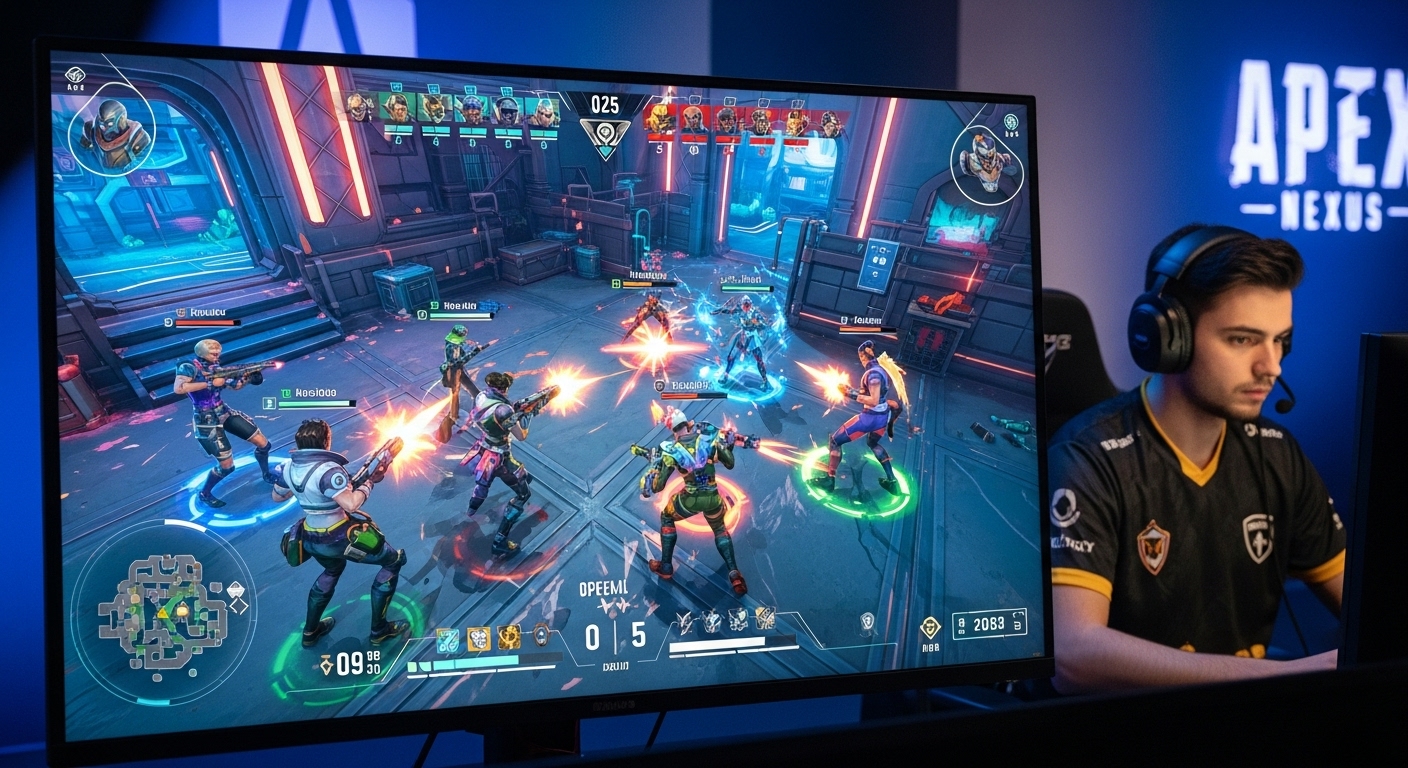
Success in eSports requires more than fast reflexes. Players need strategic thinking, problem-solving abilities, and excellent communication skills. Team-based games emphasize collaboration, leadership, and coordination, while solo competitions test focus and adaptability. Professional players often spend hours training to refine their techniques, demonstrating that eSports demands discipline and dedication comparable to traditional sports.
The Social and Cultural Impact
eSports has created a new social culture, connecting people worldwide through gaming communities. Online forums, live streams, and tournaments allow players and fans to interact, share strategies, and celebrate victories together. eSports also provides a platform for diverse voices, promoting inclusivity and collaboration across different countries and cultures. It is not just a hobby; it is a global movement that fosters connection and creativity.
Challenges Facing eSports
Despite its popularity, eSports faces challenges. Intense competition and long hours of play can lead to physical strain and mental fatigue. Online toxicity and cheating can impact the gaming experience negatively. Additionally, securing recognition as a legitimate sport and establishing consistent regulations remain ongoing concerns. Responsible gaming, healthy routines, and ethical practices are essential to ensure the growth of eSports in a positive direction.
The Future of eSports
The future of eSports is promising and full of innovation. Advancements in virtual reality, artificial intelligence, and game design are making competitions more immersive and engaging. With increasing sponsorship, media coverage, and professional opportunities, eSports is becoming a recognized career path for talented players. The industry is expected to expand further, blending entertainment, technology, and sportsmanship in ways never seen before.
Conclusion
eSports is more than a digital pastime—it is a dynamic world of competition, strategy, and community. It challenges players to improve skills, think critically, and collaborate effectively while connecting millions of fans worldwide. As technology advances and the industry grows, eSports will continue to redefine what it means to compete, proving that the virtual arena is just as exciting, challenging, and impactful as any traditional sport.