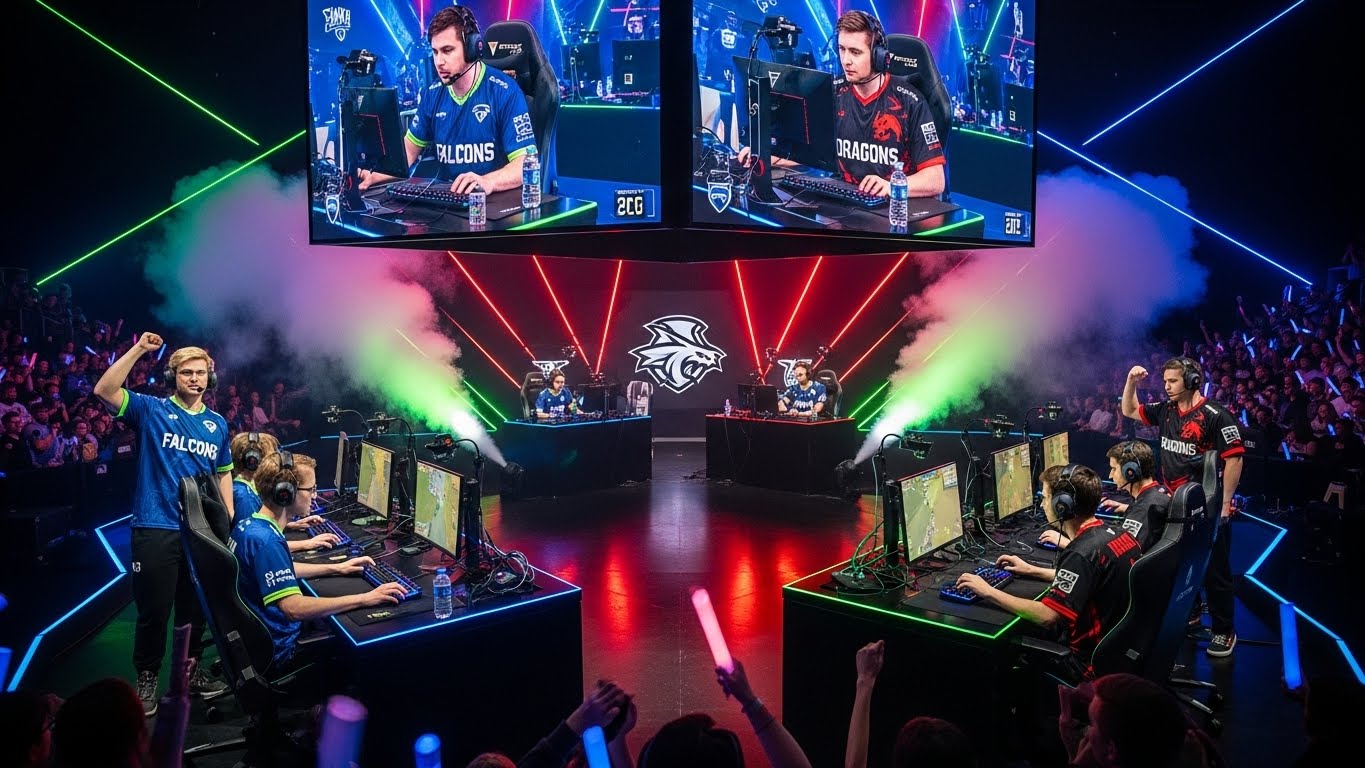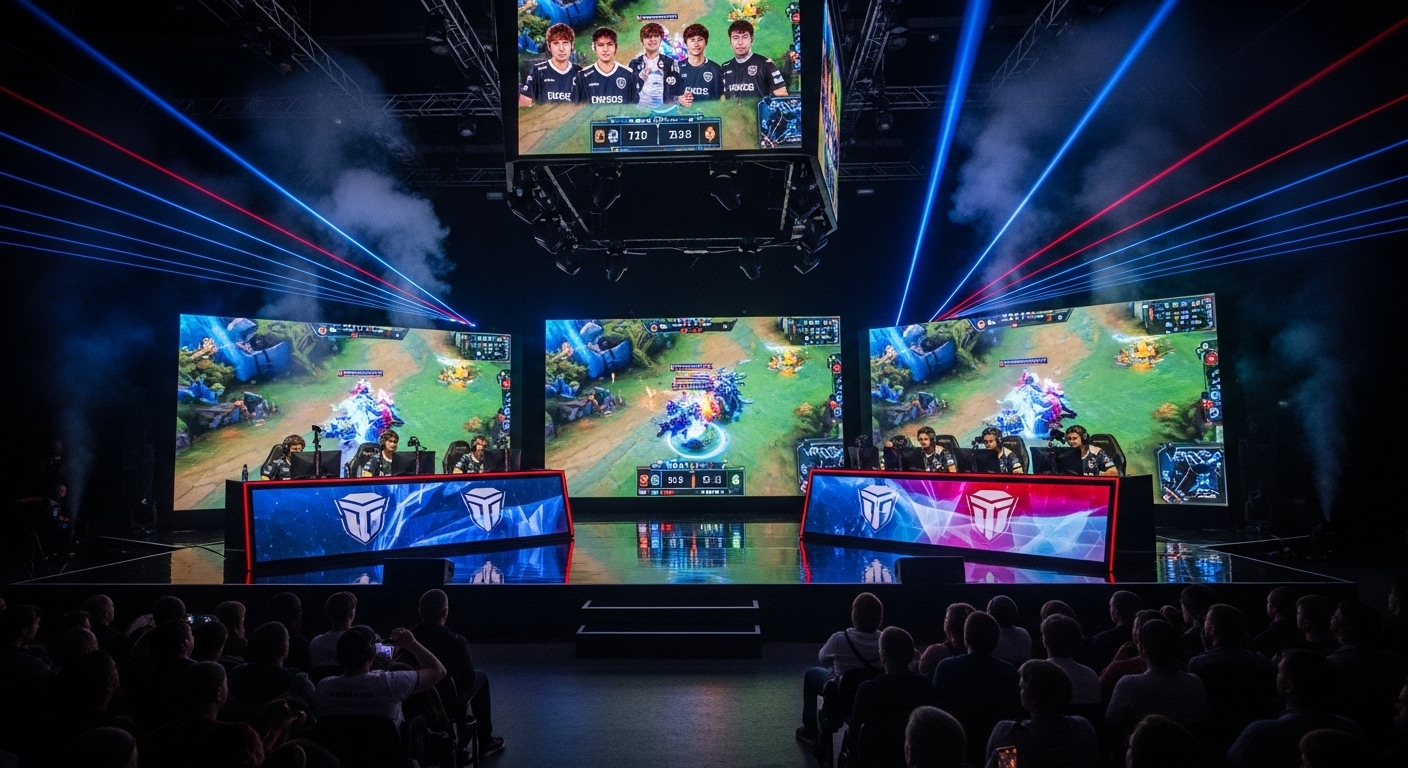
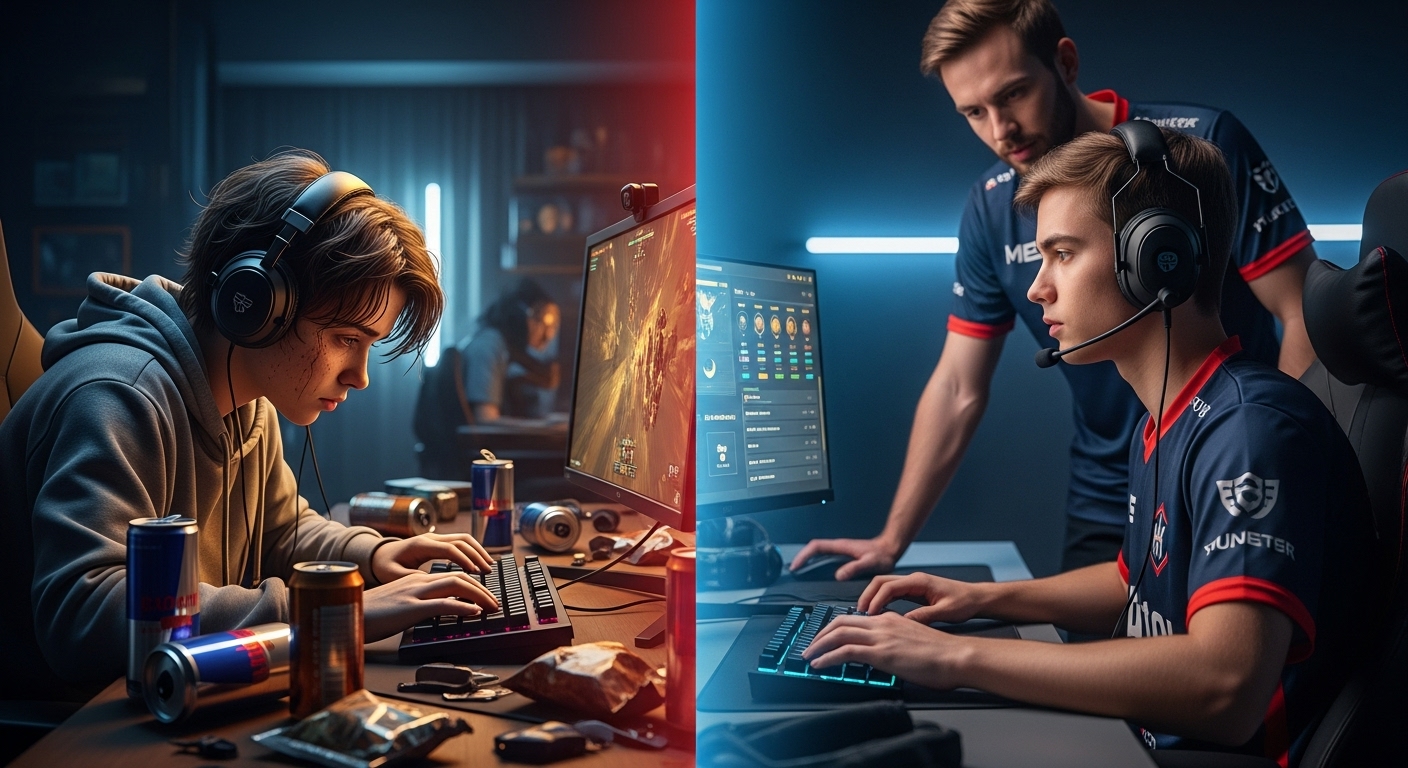
In recent years, gaming has evolved from a casual hobby into a global phenomenon encompassing entertainment, social interaction, and even professional competition. With the rise of esports, streaming platforms, and immersive games, the time and energy individuals dedicate to gaming has increased dramatically. This growth brings both opportunities and challenges, particularly when it comes to distinguishing between gaming addiction and professional training. While both involve significant time spent on gaming, their motivations, effects, and outcomes can be vastly different.
In this article, we will explore the differences between gaming addiction and professional training, their psychological and physical impacts, how society perceives each, and strategies to cultivate healthy gaming habits while pursuing esports or professional gaming careers.
Understanding Gaming Addiction
What is Gaming Addiction?
Gaming addiction, also known as Internet Gaming Disorder (IGD), is recognized by the World Health Organization (WHO) and the American Psychiatric Association (APA) as a behavioral addiction. It is characterized by compulsive gaming behavior that interferes with daily life, responsibilities, and social interactions.
Key features of gaming addiction include:
- Loss of control: Inability to regulate the amount of time spent gaming.
- Neglect of responsibilities: Poor academic, professional, or personal performance.
- Withdrawal symptoms: Irritability, anxiety, or depression when unable to play.
- Preoccupation with gaming: Constantly thinking about or planning the next gaming session.
- Escapism: Using gaming as a primary means of coping with stress or emotional problems.
Unlike casual or even intensive gaming, addiction is compulsive and detrimental, often resulting in physical, mental, and social harm.
Psychological Effects of Gaming Addiction
Gaming addiction can lead to numerous psychological consequences:
- Increased anxiety and depression: Excessive gaming can exacerbate underlying mental health issues.
- Social isolation: Addicts may withdraw from family, friends, and real-world interactions.
- Cognitive decline: Constant gaming may reduce focus on studies, work, or other critical cognitive activities.
- Emotional instability: Loss of emotional regulation, irritability, and mood swings are common.
Studies have shown that addicted gamers often display similar neurological patterns to substance abuse, where the brain’s reward system becomes dependent on gaming stimuli.
Physical Impacts of Gaming Addiction
Long hours of uncontrolled gaming can have severe physical consequences:
- Sedentary lifestyle: Lack of movement can lead to obesity and cardiovascular issues.
- Eye strain and headaches: Excessive screen time affects vision and can lead to chronic headaches.
- Musculoskeletal problems: Poor posture during prolonged gaming can cause back, neck, and wrist pain.
- Sleep disruption: Addiction often leads to irregular sleep cycles, affecting overall health.
These negative outcomes can compound over time, making gaming addiction a serious public health concern.
Understanding Professional Gaming Training
What is Professional Gaming?
Professional gaming refers to playing video games as a career or competitive pursuit, particularly in esports, where players train, compete, and earn a living from gaming. Unlike addiction, professional gaming requires discipline, structure, and balance.
Professional gamers may participate in:
- Esports tournaments: Competitive leagues such as League of Legends Championship Series (LCS) or Counter-Strike: Global Offensive (CS:GO) Majors.
- Streaming and content creation: Platforms like Twitch or YouTube Gaming provide income through subscriptions and sponsorships.
- Game testing and coaching: Assisting developers or other players by providing expertise and insights.
Structured Training in Professional Gaming
Professional training differs from casual gaming in several key ways:
- Time management: Professional gamers follow a strict schedule balancing practice, rest, nutrition, and social life.
- Goal-oriented practice: Training is designed to improve specific skills, such as reaction time, strategy, teamwork, and communication.
- Mental conditioning: Mindfulness, stress management, and focus exercises are integral to maintaining peak performance.
- Physical fitness: Many professional players integrate physical exercise to prevent injuries and maintain stamina during long tournaments.
Professional gaming is essentially an athlete’s approach applied to digital competition, combining mental and physical preparation.
Psychological Benefits of Professional Gaming
Unlike gaming addiction, professional training fosters positive psychological outcomes:
- Cognitive development: Improved problem-solving, spatial awareness, and multitasking.
- Social skills: Collaboration and communication within teams enhance interpersonal skills.
- Emotional resilience: Handling wins, losses, and pressure builds emotional intelligence.
- Self-discipline: Structured routines teach responsibility and self-regulation.
Professional gaming is designed to enhance both in-game performance and real-life life skills.
Physical Considerations in Professional Training
While esports doesn’t demand physical endurance like traditional sports, it still requires attention to health:
- Ergonomics: Proper chairs, desks, and peripherals reduce musculoskeletal strain.
- Eye care: Scheduled breaks and blue light filters prevent eye fatigue.
- Fitness routines: Cardiovascular exercise, stretching, and strength training prevent long-term health issues.
- Nutrition and sleep: Balanced diets and consistent sleep schedules improve reaction times and focus.
Professional players treat their body and mind as instruments essential for peak performance, unlike addicts who neglect self-care.
Key Differences Between Addiction and Professional Training
| Aspect | Gaming Addiction | Professional Training |
| Motivation | Escape, compulsion, emotional coping | Skill improvement, competition, career growth |
| Time Management | Uncontrolled, excessive | Structured, balanced |
| Mental Health Impact | Anxiety, depression, irritability | Cognitive growth, emotional resilience |
| Physical Health | Neglected, sedentary lifestyle | Maintained with exercise and care |
| Social Interaction | Isolation | Teamwork and networking |
| Outcomes | Negative life impact | Career opportunities, recognition |
This table highlights the fundamental differences between unhealthy gaming habits and disciplined professional training.
The Gray Area: When Training Becomes Harmful
Even professional gamers can experience negative consequences if boundaries aren’t maintained. Extended practice sessions without adequate rest can lead to:
- Burnout and fatigue
- Chronic injuries like carpal tunnel syndrome
- Mental health issues, including anxiety and depression
- Strained social and family relationships
The key distinction lies in intentionality and balance. Professional gaming is structured with health and sustainability in mind, whereas addiction is compulsive and harmful.
Recognizing Warning Signs
Signs of Gaming Addiction
- Spending most waking hours gaming
- Neglecting school, work, or personal responsibilities
- Losing interest in hobbies or social activities
- Using gaming as the primary coping mechanism for stress or sadness
- Experiencing withdrawal symptoms when not gaming
Signs of Unhealthy Professional Training
- Training hours exceed 10–12 hours daily without breaks
- Ignoring physical health or nutrition for the sake of practice
- Experiencing emotional breakdowns or irritability related to performance
- Feeling trapped by career expectations, rather than enjoying gaming
It’s important for professional players, coaches, and parents to monitor training intensity and ensure sustainable practices.
Societal Perception: Addiction vs. Professional Gaming
Society often stigmatizes heavy gaming as laziness or addiction, overlooking the potential for structured, career-oriented gaming. On the other hand, professional gaming is gaining recognition as a legitimate career, akin to traditional sports. Universities and institutions now offer scholarships for esports, and global tournaments offer multi-million-dollar prize pools.
Education and awareness are critical in differentiating healthy gaming from harmful addiction. Parents, teachers, and even gamers themselves must recognize that time spent is not the sole factor—purpose, balance, and outcomes matter more.
Preventing Gaming Addiction While Pursuing Professional Goals
For Individuals
- Set clear goals: Focus on skill improvement rather than just time spent.
- Schedule breaks: Incorporate regular rest, exercise, and sleep.
- Maintain social connections: Spend time with family, friends, and teammates outside of gaming.
- Seek mental health support: Therapy or counseling can help manage stress and prevent compulsive behaviors.
- Track performance, not just hours: Focus on measurable improvements in skills or strategies.
For Families
- Encourage a balanced routine between gaming, school/work, and social activities.
- Be aware of early warning signs of addiction.
- Support professional gaming aspirations responsibly, ensuring health and wellbeing.
For Organizations and Coaches
- Implement structured training schedules with mandatory rest and recovery periods.
- Offer mental health resources and physical conditioning programs.
- Educate players on the risks of burnout and addiction.
By promoting a healthy gaming ecosystem, players can thrive without succumbing to the pitfalls of addiction.
Technology and Tools for Healthy Gaming
Modern technology can support both professional training and prevention of gaming addiction:
- Parental controls and monitoring apps: Track gaming duration and patterns.
- Analytics tools for training: Help professional gamers focus on improvement, not just playtime.
- Ergonomic gaming setups: Adjustable chairs, desks, and monitors reduce physical strain.
- Mindfulness apps: Meditation and stress management tools support mental health.
- Sleep and wellness trackers: Encourage proper rest and recovery.
These tools bridge the gap between intensive training and healthy habits, providing structure without enforcing rigidity.
Case Studies
Gaming Addiction: Real-Life Example
A 19-year-old student spent upwards of 12–14 hours daily playing MMORPGs. Academic performance plummeted, social life disappeared, and sleep deprivation led to chronic fatigue. Therapy and structured offline routines were necessary to regain balance. This case illustrates the compulsive and detrimental nature of addiction.
Professional Gaming: Success Story
A professional esports player in League of Legends follows a strict regimen: 6 hours of focused practice, physical exercise, healthy meals, and team meetings daily. Over 3 years, the player advanced to a major esports league, earning recognition and prize money while maintaining mental and physical health. This highlights structured training with positive outcomes.
Conclusion: Finding the Balance
The line between gaming addiction and professional training can sometimes appear thin, particularly to outsiders. However, the core difference lies in control, purpose, and consequences. Gaming addiction is harmful, compulsive, and destructive, whereas professional training is deliberate, structured, and growth-oriented.
As gaming continues to evolve into a professional arena, it is essential to educate players, parents, and organizations about healthy practices. Structured schedules, mental and physical care, and awareness of warning signs ensure that gaming remains a fulfilling and sustainable pursuit, rather than a destructive habit.