Introduction
Esports has emerged as one of the most revolutionary phenomena in modern entertainment. What started as casual video game competitions among friends has transformed into a billion-dollar industry with professional players, massive tournaments, and millions of fans around the world. Today, esports is no longer just a hobby; it is a serious career path, a cultural movement, and a form of entertainment that rivals traditional sports in popularity and influence. In this blog, we explore the evolution of esports, the driving forces behind its growth, its cultural and economic impact, and what the future holds for this global phenomenon.
The Origins of Competitive Gaming
Competitive gaming dates back to the early days of video games when players competed for high scores in arcades. Small tournaments and local competitions helped foster a community of passionate gamers. Titles like Pac-Man, Space Invaders, and Street Fighter brought players together to challenge each other and showcase their skills.
The introduction of online gaming in the late 1990s and early 2000s revolutionized competitive gaming. Multiplayer games allowed players to connect across cities and countries, creating an entirely new level of competition. The rise of games like StarCraft, Counter-Strike, and Warcraft III marked the beginning of organized esports leagues, establishing the framework for modern professional gaming.
Esports Genres and Their Popularity
Esports spans a wide variety of game genres, each with its own competitive ecosystem and audience. Multiplayer online battle arenas (MOBAs), like League of Legends and Dota 2, emphasize strategy, teamwork, and communication. These games often involve complex mechanics, long matches, and a high level of skill, which makes them highly engaging for spectators and players alike.
First-person shooters (FPS), including Counter-Strike: Global Offensive and Valorant, bring fast-paced action and precision gameplay to the competitive scene. FPS esports relies on sharp reflexes, tactical decision-making, and team coordination, creating some of the most intense competitions in the industry.
Fighting games, such as Street Fighter and Tekken, focus on one-on-one skill-based battles. These tournaments highlight technical mastery, timing, and mental fortitude, attracting dedicated fans who appreciate the intricacies of competitive fighting.
Sports simulation games, like FIFA and NBA 2K, offer a digital twist on real-world sports. These games allow traditional sports fans to participate in esports while bridging the gap between physical and virtual competition.
Each of these genres contributes to the diversity and appeal of esports, catering to a broad audience with varying interests and preferences.
The Role of Streaming in Esports Growth
Streaming platforms have been instrumental in the rise of esports, making competitive gaming accessible to millions worldwide. Live broadcasts of tournaments, player streams, and commentary allow fans to watch and interact with content in real time.
Streaming also enables players to build personal brands. Professional gamers share their gameplay, strategies, and daily lives with fans, creating loyal followings. Amateur players can also gain visibility, providing opportunities to enter the professional scene.
The interactivity of streaming sets esports apart from traditional sports. Fans engage directly with players through chats, reactions, and social media discussions. This sense of community and immediacy enhances the viewing experience and strengthens the connection between players and audiences.
Esports as a Career
Esports has evolved into a legitimate career path for thousands of individuals. Professional players train rigorously, often dedicating eight to twelve hours a day to practice, strategy, and team coordination. Physical fitness, mental resilience, and communication skills are essential components of a player’s routine.
Beyond playing professionally, esports offers numerous career opportunities. Coaches, analysts, event organizers, broadcasters, and content creators all contribute to the ecosystem. These roles require diverse skills, including leadership, marketing, communication, and technical expertise, making esports a multifaceted industry with career paths beyond competition.
The Economics of Esports
Esports has grown into a multibillion-dollar industry with revenue streams from sponsorships, advertising, media rights, merchandise, and tournament prizes. Major events often offer prize pools worth millions, attracting the best talent from around the world.
Sponsorships play a crucial role in funding teams, events, and leagues. Companies ranging from technology firms to lifestyle brands invest heavily in esports to reach a young, digitally engaged audience. Merchandise sales, including team apparel and in-game items, provide additional revenue, while ticket sales for live events generate income and further fan engagement.
This economic ecosystem demonstrates that esports is more than a form of entertainment—it is a sustainable industry with significant financial and cultural influence.
Training, Discipline, and Player Development
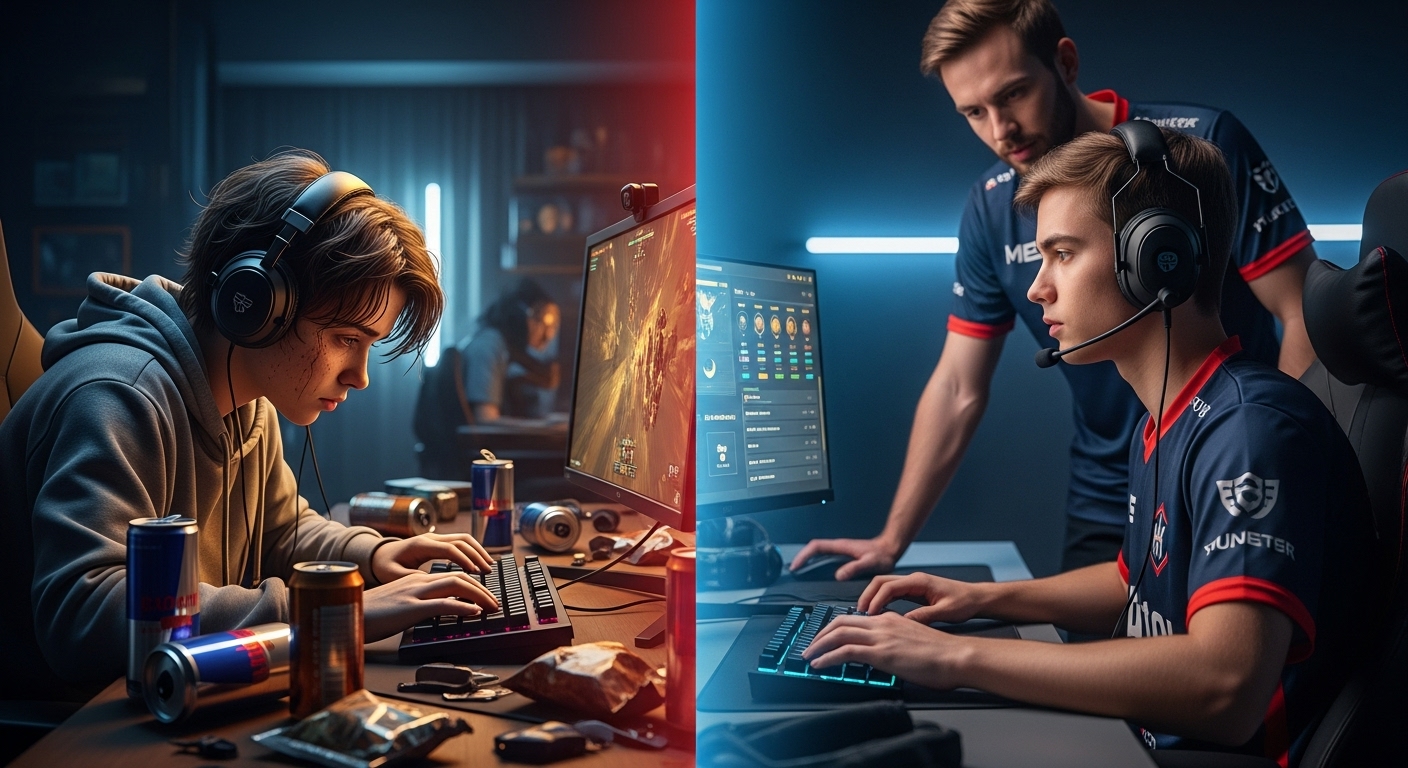
Contrary to popular belief, esports is not solely about playing games for fun. Professional players undergo structured training to enhance performance, including practice drills, strategy sessions, and review of game footage. Physical health, mental focus, and teamwork are all critical for success.
Many organizations employ dedicated coaching staff and analysts to study opponents, develop strategies, and optimize team performance. Players also engage in physical exercise, nutrition planning, and mental health routines to maintain peak condition, highlighting the professionalism and discipline required in esports.
Community and Cultural Impact
Esports has created a global community that transcends borders, languages, and cultures. Online platforms, forums, and fan groups allow people to connect, share strategies, and celebrate victories together. The digital nature of esports enables anyone with an internet connection to participate, creating an inclusive environment for fans and players alike.
Culturally, esports challenges traditional perceptions of gaming. It emphasizes skill, strategy, teamwork, and discipline, redefining what it means to be an athlete in the modern era. Esports has become a legitimate form of competition, influencing mainstream entertainment, fashion, and even education.
Major Esports Tournaments
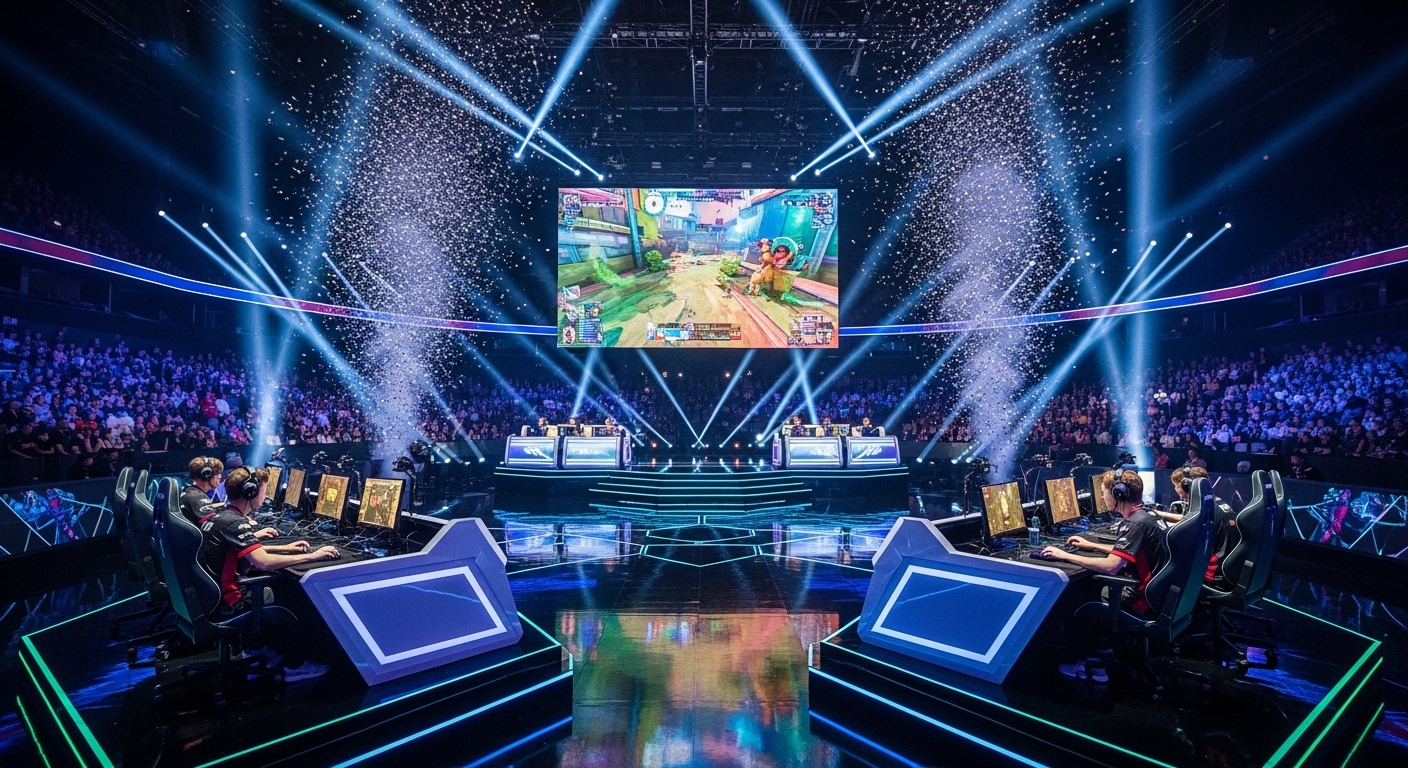
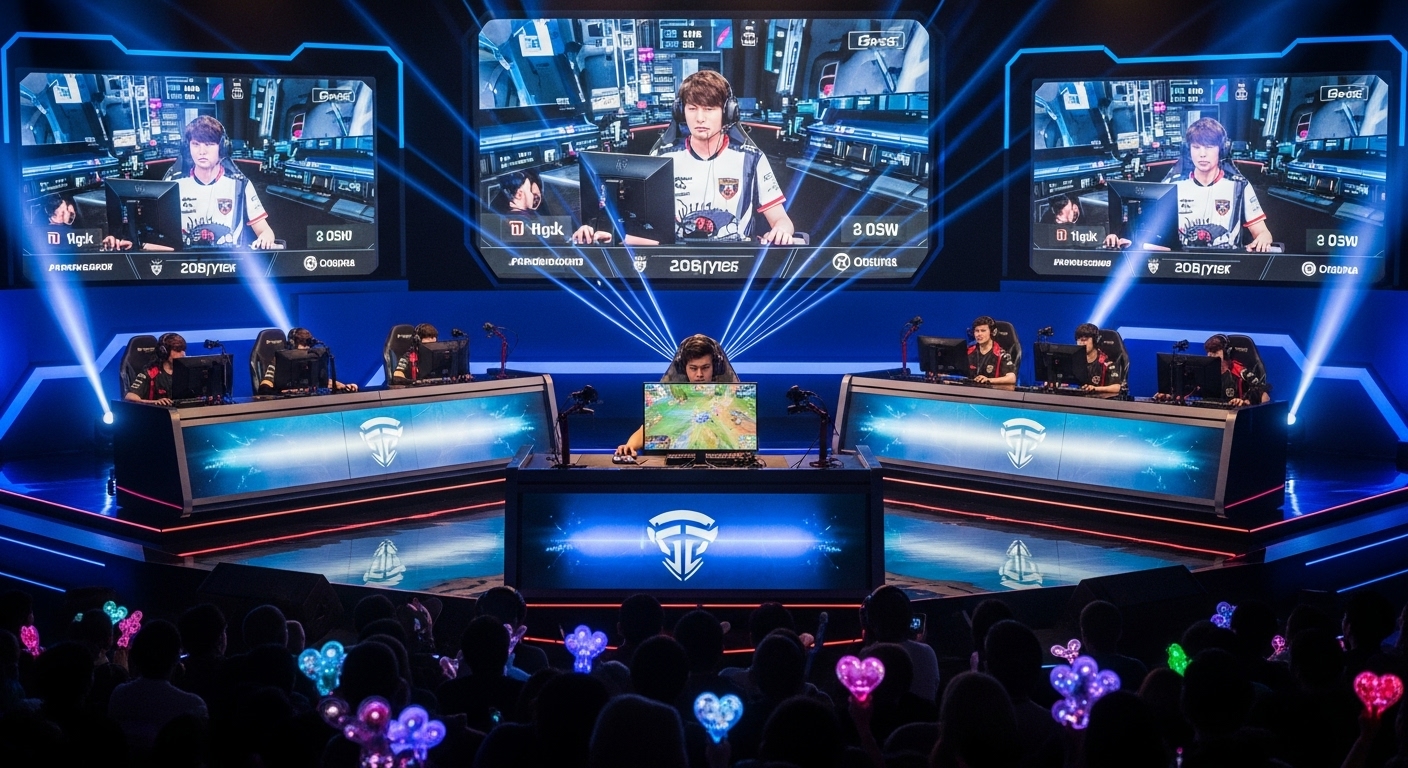
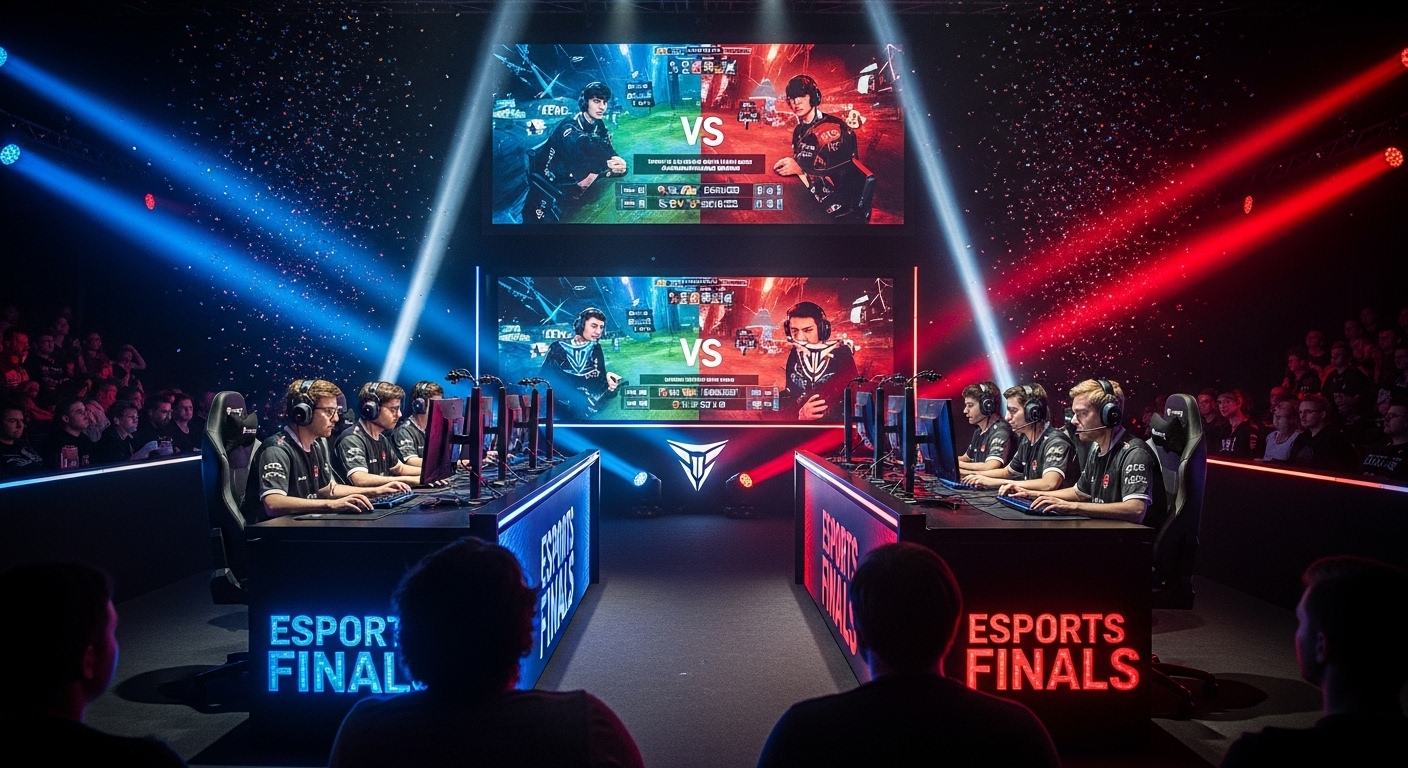
Esports tournaments have grown into spectacular events with global recognition. Competitions like the League of Legends World Championship, The International, and EVO (Evolution Championship Series) attract millions of viewers worldwide. These events feature elaborate stage setups, professional commentary, and high-stakes matches that rival traditional sporting events.
Tournaments bring together top players from different regions, creating a sense of global community and shared excitement. Fans watch, cheer, and participate in discussions, making tournaments a cultural celebration as much as a competition.
Technological Innovation and Esports
Technology drives every aspect of esports, from game development to broadcasting and analytics. High-performance gaming equipment, stable online connections, and advanced graphics ensure smooth and immersive gameplay. Broadcasting innovations, including multiple camera angles, instant replays, and expert commentary, enhance the spectator experience.
Data analytics allows teams to analyze player performance, strategies, and opponent tendencies, improving gameplay and decision-making. Emerging technologies such as virtual reality and augmented reality promise to create even more immersive and interactive esports experiences in the future.
Education and Esports Opportunities
Educational institutions are increasingly recognizing esports as a legitimate field. Schools and universities offer esports programs, scholarships, and degree courses that focus on game design, broadcasting, marketing, and professional competition.
These programs provide students with structured pathways into the industry, teaching teamwork, communication, leadership, and technical skills. Educational involvement also helps normalize esports as a professional pursuit, reducing the stigma historically associated with gaming.
The Future of Esports
The future of esports is full of potential. As technology continues to advance, new game genres, platforms, and interactive experiences will emerge. Esports will likely integrate further with mainstream entertainment, collaborating with music, film, and traditional sports to create hybrid experiences.
Mobile esports is poised to expand globally, especially in regions where console or PC gaming is less accessible. Educational programs, professional leagues, and streaming innovations will continue to grow, making esports more inclusive, competitive, and culturally significant than ever before.
Conclusion
Esports has evolved from casual gaming competitions into a global cultural and economic powerhouse. It combines skill, strategy, discipline, and creativity, appealing to millions of players and fans worldwide. With professional players, major tournaments, streaming platforms, and a growing educational infrastructure, esports continues to redefine competition and entertainment.
As technology, gaming culture, and global connectivity continue to advance, esports will remain a dominant force in shaping how people play, watch, and engage with games. What began as a pastime has become a global phenomenon, proving that esports is not just a trend but a lasting and transformative part of modern culture.