Introduction
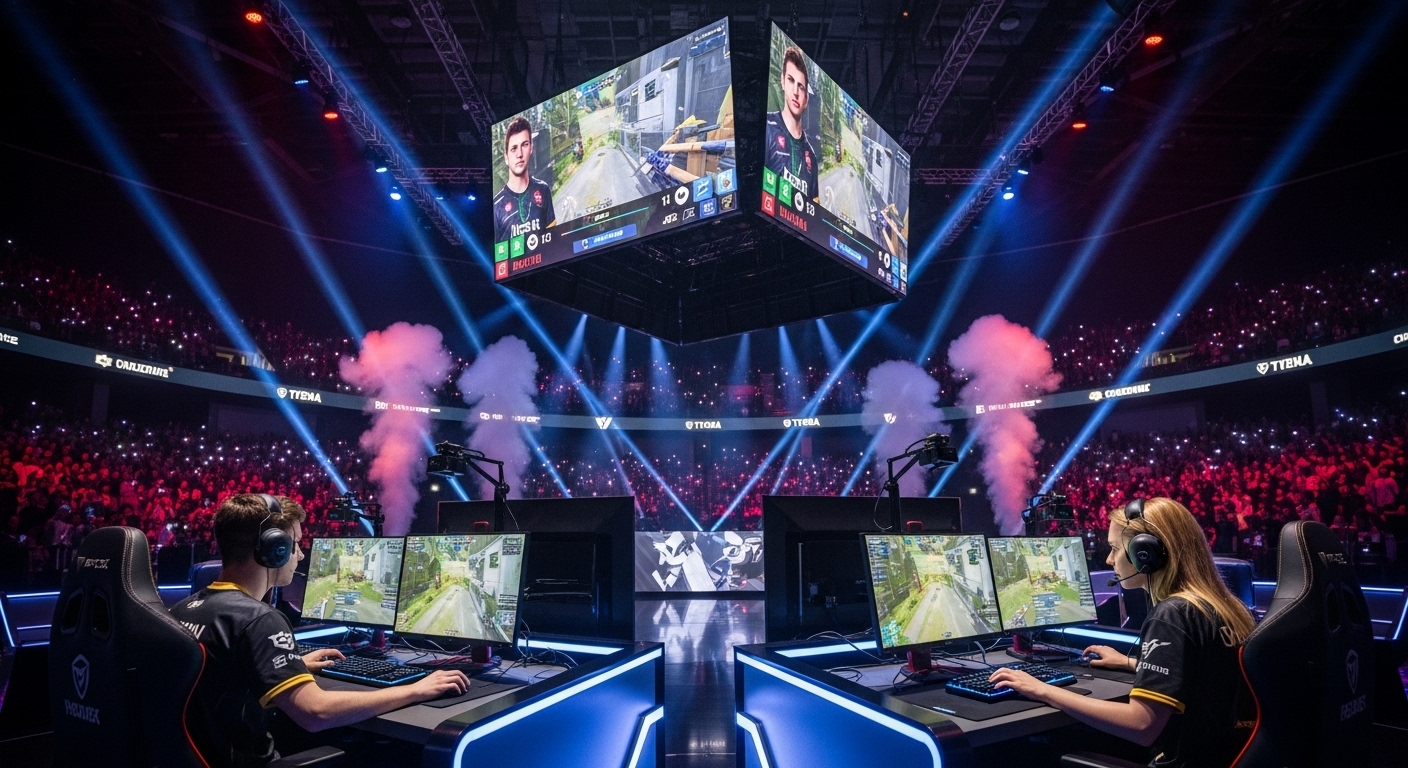
In the last two decades, the rise of esports has transformed the entertainment industry and redefined what it means to be an athlete in the modern world. Once dismissed as a mere pastime for teenagers, competitive gaming has evolved into a multi-billion-dollar global industry with millions of fans, professional players, and international tournaments. Esports, short for electronic sports, refers to organized video game competitions where individuals or teams compete at a professional level. From small LAN parties in the early 2000s to grand arenas packed with spectators today, esports has grown into a legitimate form of competition, entertainment, and even a career path for many.
The rise of esports has not been accidental; it is a reflection of technological advancement, cultural shifts, and the universal human love for competition. This blog explores the journey of esports, its history, growth, major titles, career opportunities, social and psychological impacts, and the challenges it faces as it continues to mature.
The Origins of Esports
The concept of competitive gaming is older than most people imagine. The first known video game competition took place in 1972 at Stanford University, where students played the game Spacewar!. The prize was modest—a year’s subscription to a magazine—but it symbolized the beginning of organized competitive gaming.
In the 1980s, as arcade culture flourished, competitive gaming became more visible. High-score competitions in games like Pac-Man and Donkey Kong attracted both media attention and passionate players. However, it wasn’t until the 1990s, with the introduction of home consoles and personal computers, that esports started taking a recognizable form.
Games like Street Fighter II and Quake were among the first to inspire organized tournaments. Players gathered at LAN events (Local Area Network parties) to compete directly against each other. These early gatherings built the foundation for the global esports community that exists today.
The 2000s: The Era of Online Connectivity
The 2000s marked the turning point for esports. With the rise of broadband internet, online gaming became more accessible than ever. Games like Counter-Strike, StarCraft, and Warcraft III became global sensations. Players could now compete with opponents across continents, giving birth to international tournaments and professional teams.
South Korea emerged as a pioneer in esports during this period. The government recognized esports as an official sport, and television channels began broadcasting tournaments. Players like Lim “BoxeR” Yo-Hwan became national celebrities, and gaming stadiums filled with cheering fans became a common sight. This level of mainstream acceptance set the standard for other countries to follow.
As technology continued to improve, competitive gaming evolved from small-scale events to major international tournaments with substantial prize pools. Sponsorships, streaming platforms, and brand partnerships started to pour in, solidifying esports as a legitimate industry.
The Rise of Major Esports Titles
One of the main reasons behind the rapid growth of esports is the diversity and popularity of its titles. Different genres appeal to different audiences, creating a wide range of competitive experiences.
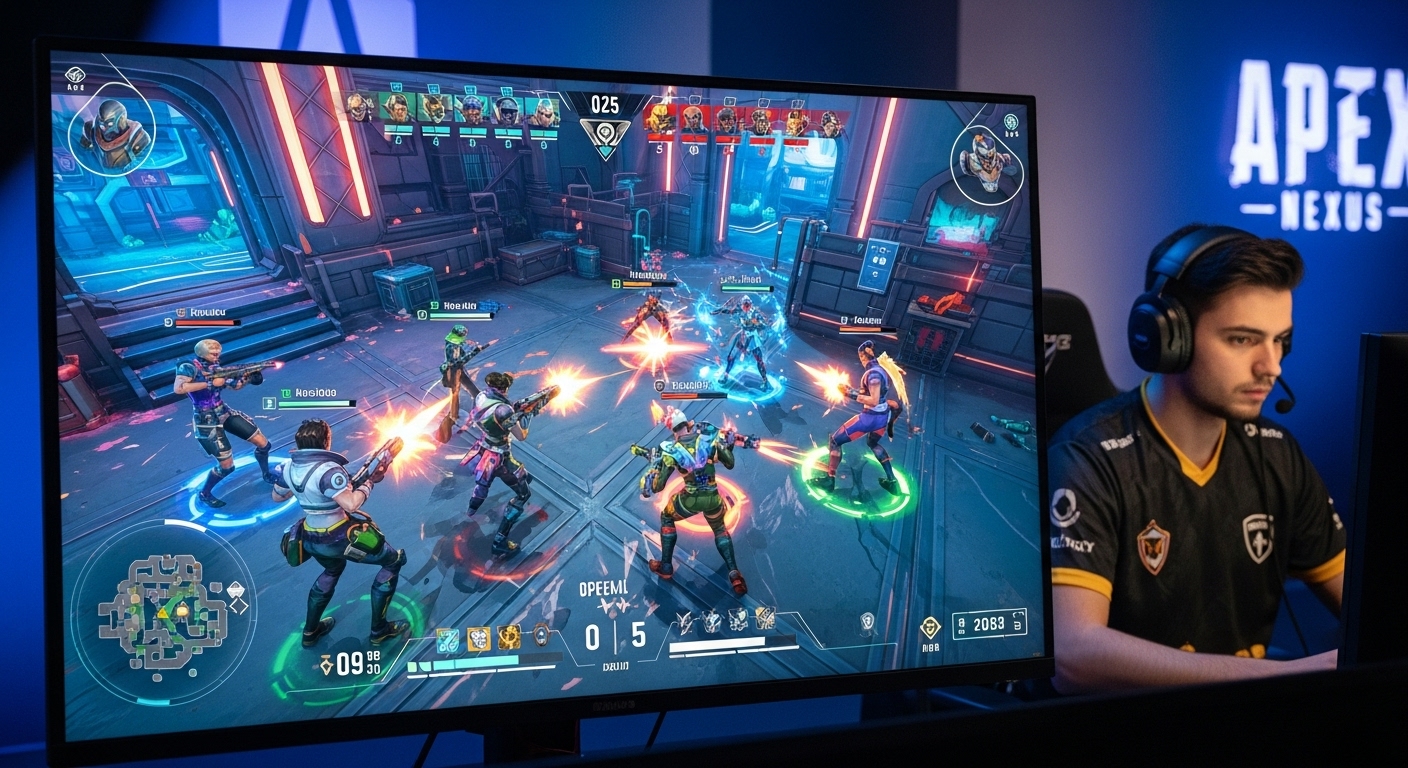
First-Person Shooters (FPS) like Counter-Strike: Global Offensive, Call of Duty, and Overwatch have dominated the scene due to their fast-paced action and strategic gameplay.
Multiplayer Online Battle Arenas (MOBA), such as League of Legends and Dota 2, revolutionized esports with deep strategic complexity and massive fan bases. Dota 2’s annual tournament, The International, boasts some of the largest prize pools in sports history.
Battle Royale games like Fortnite and PUBG brought a new dynamic to competitive gaming, combining survival mechanics with high-stakes action.
Sports Simulation Games such as FIFA and NBA 2K bridged the gap between traditional sports and esports, attracting fans from both worlds.
Even fighting games like Tekken, Street Fighter, and Super Smash Bros. maintain a dedicated and passionate competitive community that thrives on precision and reflex.
These games, each with their unique appeal, have helped esports attract audiences of all ages and interests, ensuring that the industry continues to expand across genres and cultures.
Esports as a Career Path
What was once seen as an unproductive hobby is now a viable career option for many. The esports ecosystem offers numerous professional opportunities beyond just being a player.
Professional players can earn substantial incomes through tournament winnings, sponsorship deals, and streaming. Teams hire coaches, analysts, and strategists to improve performance. Event organizers, commentators, and content creators contribute to the industry’s storytelling and presentation.
Streaming platforms have played a massive role in supporting careers in esports. Players and influencers can build their own brands and connect directly with fans. The demand for high-quality esports journalism, marketing, and management has also created a wide range of job opportunities within the industry.
Educational institutions have begun recognizing esports as a legitimate field of study. Several universities around the world now offer esports scholarships, management programs, and research initiatives focused on gaming culture and its impact on society.
The Globalization of Esports
One of the most remarkable aspects of esports is its universal appeal. Unlike traditional sports, which may be limited by geography or physical ability, esports transcends borders. Players from every continent can compete on equal footing, provided they have the skill and determination.
International tournaments like the League of Legends World Championship and The International attract millions of viewers from all over the world. National pride also plays a role, as teams represent their countries on the global stage.
The accessibility of esports has made it especially popular among younger audiences. Many young people see esports as an inclusive space where talent and dedication matter more than physical attributes. The internet has allowed communities to form across cultures, languages, and time zones, fostering global friendships and rivalries alike.
The Role of Technology in Esports Growth
Technology is the backbone of esports. High-speed internet, powerful gaming hardware, and advanced streaming platforms have made it possible for competitive gaming to thrive.
Modern gaming PCs and consoles offer incredibly realistic graphics and seamless online experiences. Live streaming services enable fans to watch tournaments from anywhere in the world in real time. Social media platforms amplify highlights and discussions, keeping fans engaged even outside of matches.
Virtual reality (VR) and augmented reality (AR) are also expected to shape the future of esports, offering immersive new ways to compete and spectate. Artificial intelligence (AI) is being used to analyze player performance, develop strategies, and even create more balanced game environments.
The Esports Spectator Experience
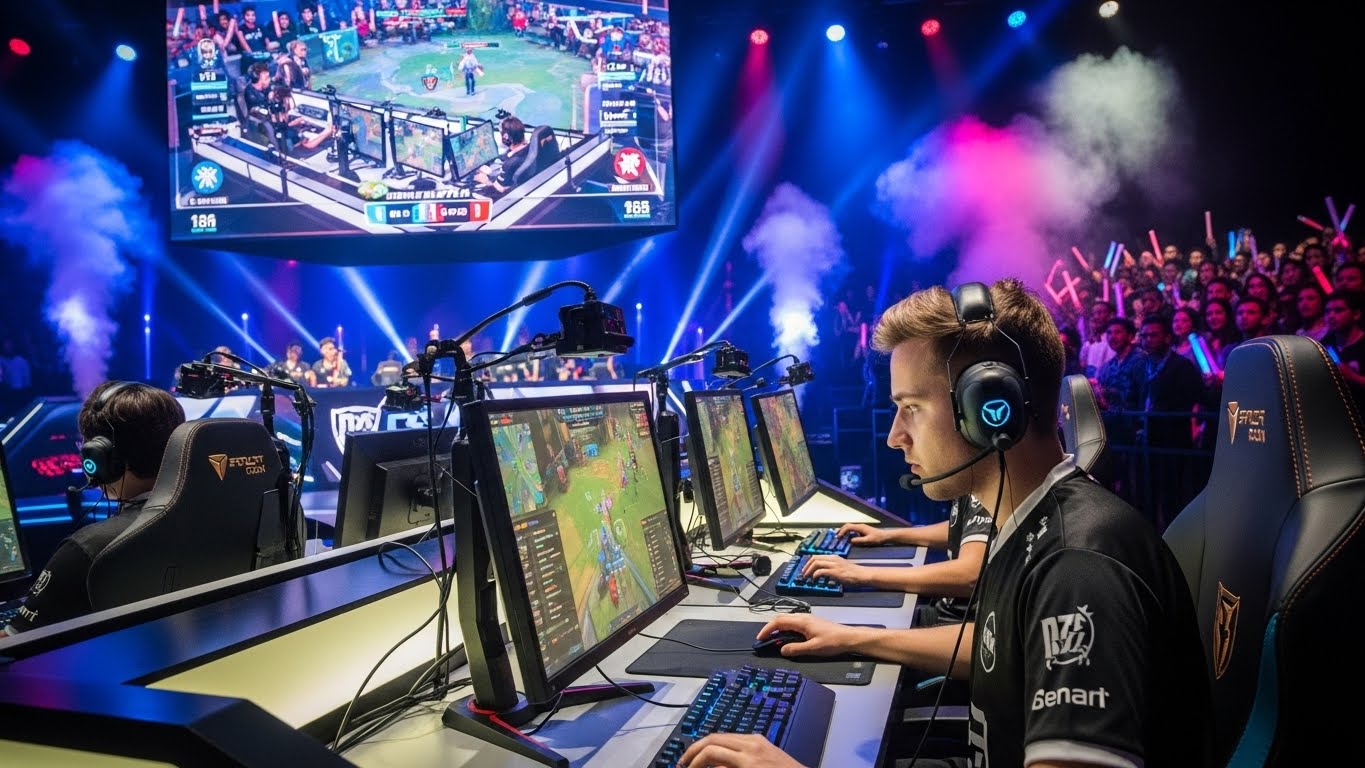
Watching esports has become just as entertaining as playing the games. Stadiums filled with thousands of cheering fans and millions more watching online showcase how far the scene has come. Commentators, or “casters,” bring excitement and insight to the matches, much like traditional sports broadcasters.
The viewing experience is enhanced by in-game cameras, replays, and creative production techniques that allow spectators to follow the action closely. Esports events often feature light shows, music performances, and interactive segments, creating an atmosphere that rivals any major sporting event.
This level of spectacle has helped esports gain mainstream acceptance and attract sponsorships from major global brands. The presentation of esports today rivals traditional sports in professionalism, organization, and entertainment value.
Cultural and Social Impact of Esports
Esports has influenced modern culture in profound ways. It has created new forms of entertainment, new role models, and new communities. Players like Faker, s1mple, and Ninja have become household names, inspiring millions of fans worldwide.
Gaming has become a social activity where people connect, collaborate, and compete. Esports has also challenged stereotypes about gamers, showcasing discipline, teamwork, and mental endurance as core aspects of success.
Moreover, esports has contributed to breaking down barriers of gender, race, and nationality. While challenges remain regarding inclusivity, the global nature of esports promotes diversity and representation. Women’s tournaments and initiatives supporting underrepresented groups are slowly gaining traction, pushing the industry toward a more inclusive future.
Esports and Education
Educational systems have started to acknowledge the value of esports. Schools and universities are forming teams, organizing tournaments, and integrating gaming into extracurricular programs. These initiatives teach students about teamwork, leadership, communication, and strategic thinking.
Some institutions have gone even further by offering degrees in esports management, game design, and digital marketing. This academic recognition reinforces the legitimacy of esports as an industry with long-term potential.
Economic Power of Esports
Esports is not just about fun and competition; it is a booming business. The global esports industry generates billions of dollars in revenue each year from sponsorships, advertising, ticket sales, and merchandise.
Major corporations invest heavily in esports teams and events to reach younger audiences. Brands that once focused solely on traditional sports are now sponsoring esports tournaments. This influx of money has professionalized the scene, allowing players to train full-time and compete at higher levels.
Streaming platforms also generate revenue through advertisements, subscriptions, and donations. With the audience for esports surpassing many traditional sports leagues, the financial potential continues to grow.
Psychological Aspects and Player Health
While esports offers fame and fortune, it also comes with challenges. Professional players often face immense pressure, long training hours, and the risk of burnout. Mental and physical health have become critical topics in the industry.
Teams now employ sports psychologists and fitness trainers to ensure players maintain balance. Eye strain, repetitive strain injuries, and sleep issues are common concerns that require attention. Maintaining a healthy lifestyle, both mentally and physically, is essential for sustained performance.
Additionally, esports has sparked discussions about the psychological benefits of gaming. It can improve cognitive abilities, problem-solving skills, and reaction times. However, moderation and proper guidance remain important, especially for younger players.
Challenges Facing the Esports Industry
Despite its success, esports faces several challenges. The lack of a centralized governing body makes standardization difficult. Issues such as match-fixing, cheating, and toxic behavior can harm the industry’s credibility.
Player contracts and team management also vary widely, leading to disputes and instability. The industry must continue developing ethical guidelines, player unions, and legal frameworks to ensure long-term sustainability.
Inclusivity is another major issue. While progress has been made, women and marginalized groups remain underrepresented. Creating safe and welcoming spaces is vital for the continued growth and diversity of esports.
The Future of Esports
The future of esports looks incredibly bright. With increasing investment, technological innovation, and mainstream recognition, esports is poised to rival traditional sports in popularity and cultural influence.
Virtual reality competitions, AI-driven analytics, and cross-platform integration are expected to redefine the competitive landscape. As 5G networks expand, mobile esports will become even more prominent, bringing gaming to audiences who may not have access to high-end PCs or consoles.
Moreover, as younger generations continue to embrace gaming as a part of daily life, esports will likely become an even more integral part of global entertainment. The line between traditional and digital sports will blur, creating new opportunities for fans, players, and creators alike.
Conclusion
Esports has come a long way from humble beginnings to becoming a dominant force in global entertainment. It represents the intersection of technology, competition, and culture, bringing together millions of people around the world. What was once a niche hobby is now a thriving industry that offers careers, communities, and inspiration to countless individuals.
The rise of esports reflects the evolution of human connection in the digital age. It celebrates creativity, skill, and perseverance in a virtual arena that mirrors real-world sportsmanship. As technology continues to advance and society becomes more digitally integrated, esports will only continue to grow, innovate, and inspire.