Esports has transformed from a niche hobby into a global cultural and competitive phenomenon. What began as small-scale gaming competitions has grown into a massive industry with professional players, international tournaments, huge audiences, and a thriving ecosystem of sponsors, coaches, analysts, and fans. No longer considered just a pastime, esports now stands shoulder-to-shoulder with traditional sports in terms of viewership, passion, and influence. This blog explores the exciting world of esports, its evolution, impact, challenges, and the future it holds.
Understanding Esports and Its Global Appeal
Esports, short for electronic sports, refers to organized, competitive video gaming. Players compete individually or as teams in games that require strategy, skill, reflexes, teamwork, and deep understanding of game mechanics. Unlike casual gaming, esports demands discipline, practice, and competitive mindset.
What sets esports apart is its accessibility. Anyone with a computer, console, or even a mobile phone can become part of the esports world. This accessibility has fueled its rapid rise, attracting millions of players and spectators of all ages. The appeal lies in its excitement, unpredictability, and the sense of community shared by players and fans alike.
The Evolution of Esports Over the Years
The story of esports is one of transformation. Early video game competitions in the 1970s and 1980s were small gatherings held in arcades or university labs. As technology improved and internet connectivity increased, the competitive scene grew.
By the early 2000s, online multiplayer games sparked the rise of competitive gaming communities. Organized tournaments became larger, prize pools increased, and sponsors began to notice the opportunity esports presented.
The past decade has brought explosive growth. Large arenas now host esports championships, professional teams compete internationally, and millions stream tournaments online. Esports has become a legitimate career path, and players are admired for their skills just as athletes in traditional sports.
Popular Esports Titles and Their Unique Charm
Esports encompasses a wide variety of games, each with its own competitive scene and loyal fanbase. Strategy games challenge players’ ability to plan and execute complex tactics. First-person shooters test precision, reflexes, and map awareness. Multiplayer battle arena games require teamwork and deep understanding of character abilities.
Each game brings a different style of competition and attracts different types of players. This diversity is one of esports’ biggest strengths, ensuring that fans of various gaming genres can find something they enjoy.
The Life of a Professional Esports Athlete
Becoming a professional esports player requires dedication, discipline, and countless hours of practice. Contrary to the misconception that gaming is effortless, pro players follow rigorous routines. They spend hours analyzing gameplay, refining strategies, and participating in team scrimmages.
Physical health is also essential. Many athletes maintain fitness routines to improve focus, endurance, and overall well-being. Mental resilience is equally important. The pressure of tournaments, travel schedules, and maintaining peak performance can be intense.
Professional gamers often start young, discovering their passion early and committing to building their skills. Their journey is marked by perseverance, teamwork, and constant learning.
The Role of Esports Teams and Organizations
Behind every successful esports player is a well-structured team or organization. These organizations provide training facilities, coaches, analysts, psychologists, and support staff. They help players manage schedules, improve their gameplay, and maintain a healthy balance between training and rest.
Teams also help players build their professional identity by securing sponsorships, providing branding opportunities, and guiding their careers. As esports continues to expand, these organizations grow into fully functional businesses, shaping the competitive landscape.
Esports Tournaments and the Spectator Experience
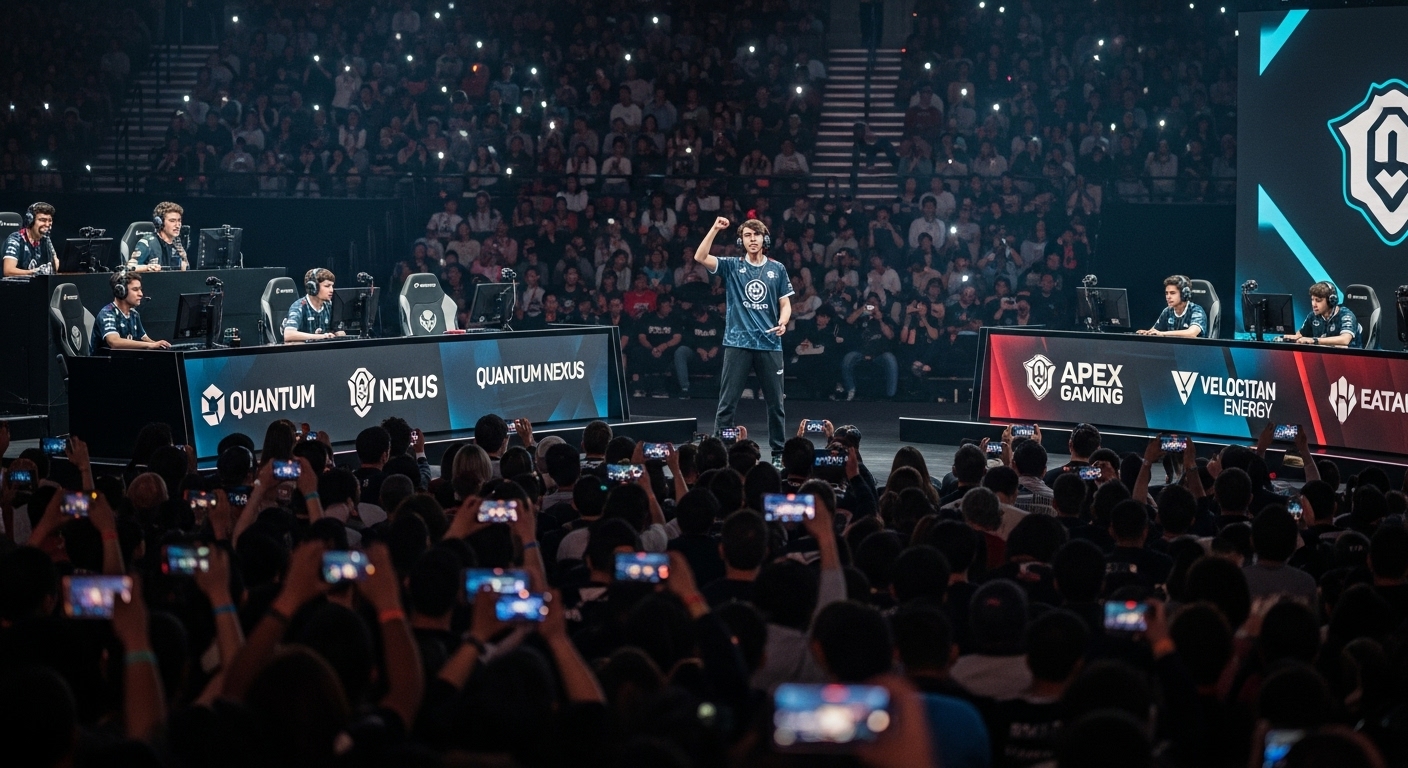
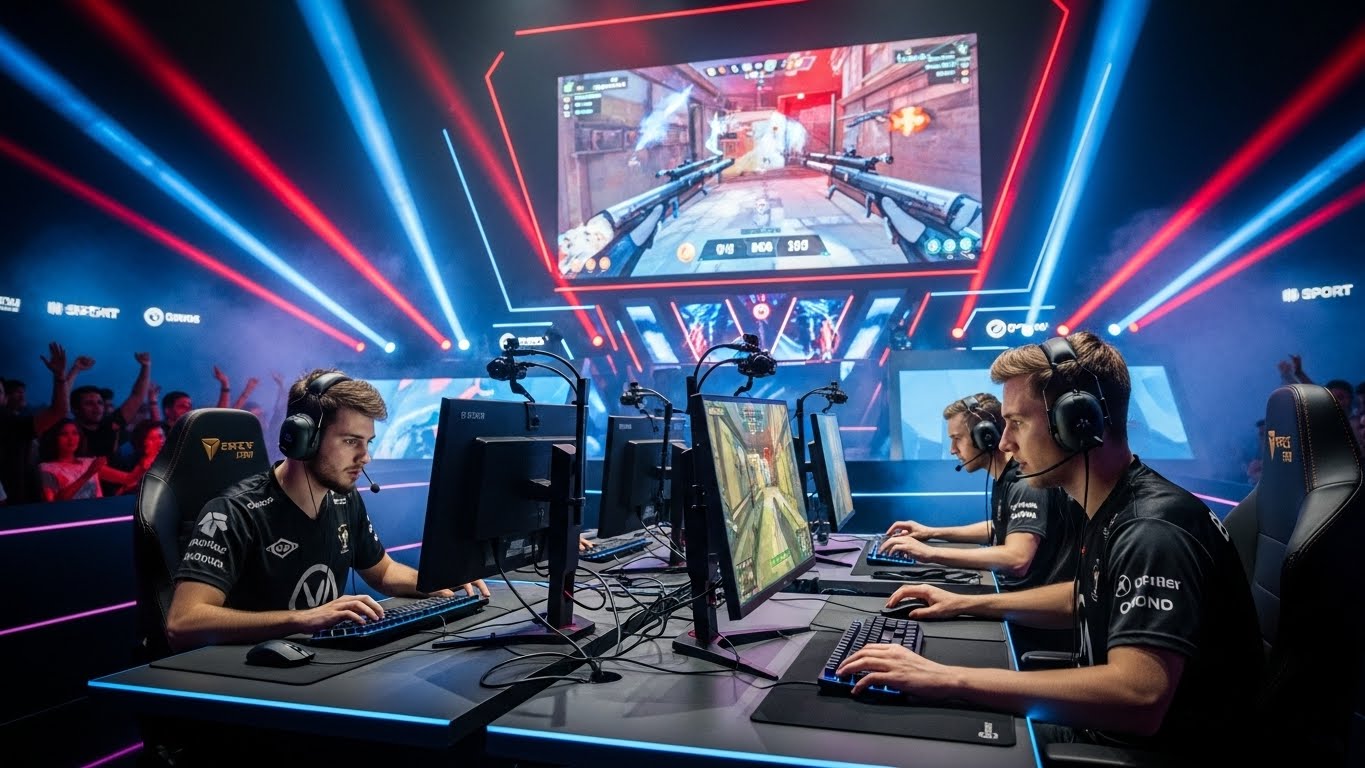
Esports tournaments are incredibly vibrant events, often compared to major sports championships. Fans fill massive stadiums to cheer for their favorite teams, while millions tune in online to watch the action live. The energy at these events is electric, filled with chants, excitement, and unforgettable moments.
Spectators enjoy professional-level gameplay, expert commentary, and immersive production. The experience is heightened by dramatic storylines, rivalries, and unexpected comebacks. For many fans, esports tournaments are more than competitions—they are celebrations of shared passion and community.
The Esports Ecosystem: More Than Just Players
The esports industry extends far beyond players and teams. It includes coaches who fine-tune strategies, analysts who study opponents, commentators who bring matches to life, content creators who entertain fans, and event organizers who ensure smooth tournaments.
There are also career paths in marketing, branding, production, journalism, and management. This extensive ecosystem supports the growing industry and offers opportunities for individuals with diverse talents.
Esports in Education and Youth Development
Esports has found its way into educational institutions, with many schools and universities offering esports programs, clubs, and even scholarships. These programs teach valuable skills such as teamwork, communication, critical thinking, and strategic planning.
Esports also encourages students to explore careers in technology, design, coaching, and media. As the industry becomes more recognized, educational systems use esports to engage students, promote healthy competition, and foster technological literacy.
The Social and Cultural Impact of Esports
Esports has become a global cultural force. It brings together people from different backgrounds, countries, and cultures. Fans connect through online communities, shared experiences, and their love for the game.
It also challenges stereotypes. Esports proves that skill, intelligence, and creativity are universal, regardless of age, gender, or physical strength. It promotes inclusivity and gives individuals opportunities to express themselves, compete, and build careers.
Challenges Facing the Esports Industry
Despite its success, esports faces several challenges. Player burnout is a concern due to intense training schedules and pressure. Ensuring fair competition, preventing cheating, and managing ethical behavior remain important issues.
There are also challenges in maintaining sustainable business models, supporting young players responsibly, and navigating the rapidly changing nature of technology. Addressing these issues is essential to ensure the long-term health of the industry.
The Future of Esports: Innovation and Expansion
The future of esports is promising and filled with possibilities. Advancements in technology will bring even more immersive experiences through virtual reality, augmented reality, and enhanced graphics. Esports may gain wider recognition in traditional sports arenas, potentially becoming part of major global sporting events.
More regions will invest in esports infrastructure, creating opportunities for players, organizations, and fans worldwide. Esports will continue shaping entertainment, culture, and digital interaction for generations to come.
Conclusion: The Unstoppable Rise of Esports
Esports has redefined what competition, entertainment, and community mean in the digital era. It has created global stars, inspired millions, and built a vibrant ecosystem of talent and creativity. Its influence continues to grow, fueled by passion, innovation, and the universal love of play.
From small gaming rooms to packed stadiums and worldwide broadcasts, esports has become a symbol of modern culture and technological progress. As the world evolves, esports will remain a powerful force, uniting people, inspiring dreams, and proving that competition knows no boundaries—digital or otherwise.