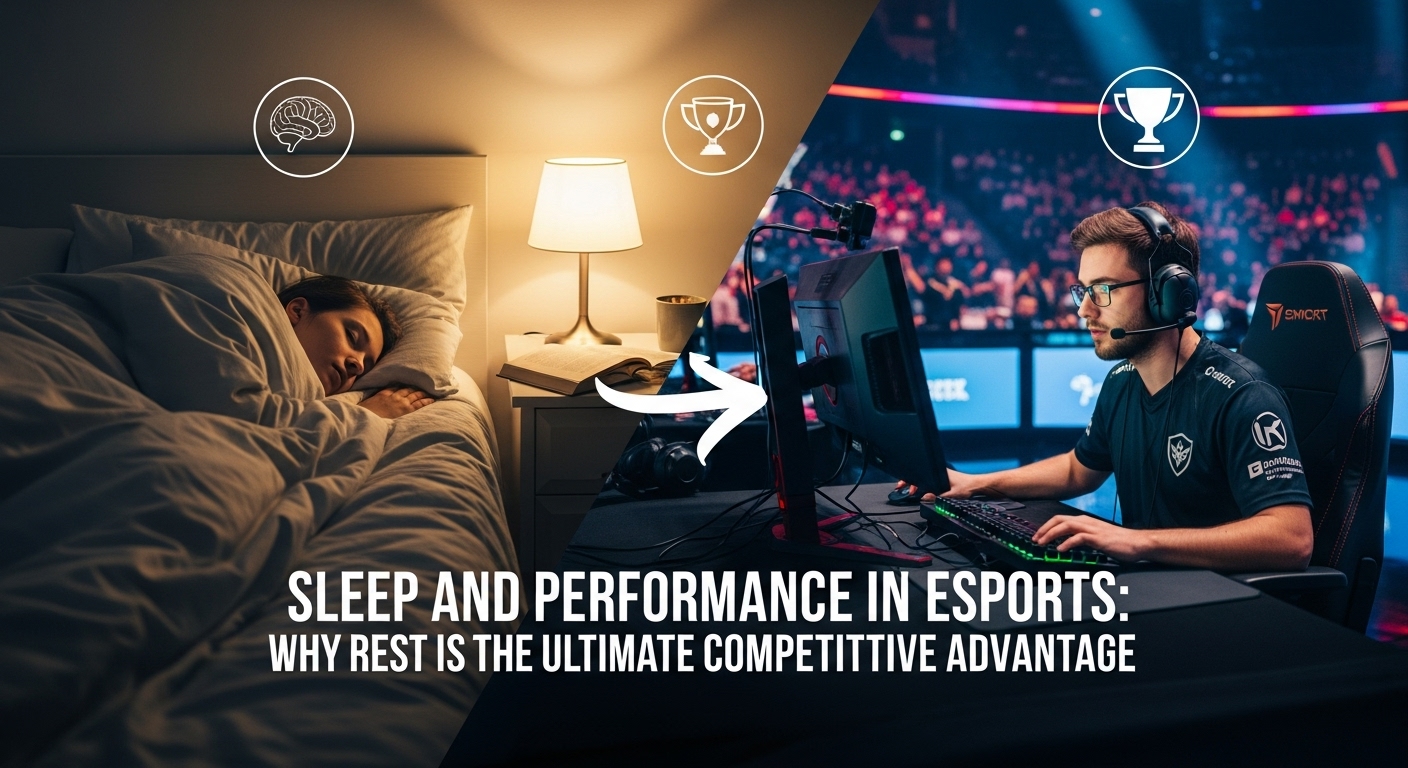
In the fast-paced world of esports, where milliseconds can determine victory or defeat, the importance of physical dexterity, mental acuity, and strategic thinking cannot be overstated. While gaming skills, reflexes, and practice routines often dominate discussions about esports performance, one factor frequently overlooked is sleep. Sleep is not merely a passive activity; it is an active process that significantly influences cognitive function, reaction time, emotional regulation, and overall health—all critical components of a professional gamer’s toolkit. This blog explores the intricate relationship between sleep and esports performance and provides actionable strategies for optimizing rest to gain a competitive edge.
The Science of Sleep: Understanding Its Role in Performance
Sleep is a complex physiological process that is essential for the body and mind to function optimally. It is divided into two primary stages: non-rapid eye movement (NREM) and rapid eye movement (REM) sleep, each playing a unique role in mental and physical restoration.
- NREM Sleep: Comprising roughly 75% of total sleep, NREM sleep is essential for physical recovery, immune function, and the consolidation of declarative memory—the memory of facts and information. For esports athletes, this stage helps reinforce newly learned strategies and game mechanics.
- REM Sleep: The remaining 25% of sleep occurs in the REM phase, critical for creativity, emotional regulation, and procedural memory consolidation—essential for refining skills like aiming, timing, and pattern recognition in games.
Sleep deprivation negatively affects attention, decision-making, and motor skills, directly impairing an esports player’s performance. Studies in cognitive science indicate that even a single night of insufficient sleep can reduce reaction time by up to 30%, a margin that can be the difference between winning and losing a high-stakes match.
Sleep and Cognitive Function in Esports
Esports is a mental sport at its core. Players must process large amounts of information, anticipate opponents’ moves, and make rapid decisions under pressure. Sleep directly impacts these cognitive domains:
- Attention and Focus: Lack of sleep increases distractibility and decreases sustained attention. Professional gamers often need to maintain focus for hours during tournaments; sleep deprivation can drastically reduce their capacity to concentrate on game objectives.
- Decision-Making: Sleep-deprived individuals are more prone to making risky decisions and struggle with complex problem-solving. In esports, where split-second decisions define outcomes, this can lead to critical errors.
- Memory Consolidation: Both NREM and REM sleep stages contribute to different types of memory formation. Procedural memory, crucial for executing complex in-game mechanics, is enhanced during REM sleep, while NREM sleep strengthens strategic and factual knowledge.
- Reaction Time: Reflexes are crucial in competitive gaming. Research shows that sleep-deprived individuals have slower response times, which can translate to missed shots, delayed movements, or failure to counter opponents effectively.
Sleep and Emotional Regulation
Competitive gaming is not only mentally demanding but also emotionally intense. Stress, frustration, and anxiety are common, especially during high-stakes tournaments. Sleep plays a vital role in emotional regulation:
- Mood Stability: Insufficient sleep increases irritability, anxiety, and emotional volatility. A player who is emotionally unstable may make impulsive decisions or communicate poorly with teammates, affecting team synergy.
- Stress Management: Sleep deprivation heightens cortisol levels, the body’s stress hormone. Higher stress can impair cognitive performance, leading to decreased in-game efficiency.
- Resilience: Adequate sleep improves resilience, helping players maintain composure under pressure, recover from losses, and stay motivated during long practice sessions or tournament schedules.
The Dangers of Sleep Deprivation in Esports
Despite the known benefits, many esports players compromise sleep due to rigorous practice schedules, late-night competitions, or lifestyle habits. Chronic sleep deprivation can have several consequences:
- Decreased Performance: Studies show that missing just 2–3 hours of sleep per night over a week can impair cognitive performance to the level of total sleep deprivation for a single night.
- Health Risks: Chronic lack of sleep is linked to increased risk of obesity, diabetes, cardiovascular issues, and immune dysfunction, which can affect longevity and career sustainability for esports athletes.
- Mental Health Issues: Sleep deprivation is strongly associated with depression, anxiety, and burnout. High-performing esports players are particularly vulnerable to these conditions due to the high-pressure environment.
- Skill Degradation: Procedural memory, which governs learned motor skills, deteriorates with sleep loss. This means a gamer’s precision, timing, and strategic execution can suffer over time.
Optimal Sleep Patterns for Esports Athletes
Understanding the importance of sleep is only the first step; implementing effective sleep strategies is critical. Here are some evidence-based recommendations:
- Sleep Duration: Most adults require 7–9 hours of sleep per night. Professional gamers should aim for the higher end of this range, especially before tournaments or intensive training sessions.
- Sleep Timing: Maintaining a consistent sleep schedule reinforces the circadian rhythm, improving sleep quality. Going to bed and waking up at the same time daily, even on weekends, enhances cognitive and physical performance.
- Napping: Short naps of 20–30 minutes can boost alertness, reaction time, and memory consolidation without causing sleep inertia. Esports players can benefit from strategic naps before matches.
- Pre-Sleep Routine: Activities that reduce stress and stimulate relaxation—such as reading, light stretching, or meditation—can improve sleep onset. Avoid screens at least an hour before bed, as blue light disrupts melatonin production.
- Sleep Environment: A cool, dark, and quiet bedroom promotes deep sleep. Investing in quality mattresses, blackout curtains, and limiting noise can significantly enhance sleep quality.
Sleep and Tournament Performance
Tournament schedules often disrupt normal sleep patterns, which can severely impact performance. Jet lag, late-night matches, and long practice sessions all contribute to fatigue. Teams that prioritize sleep management often have a competitive edge:
- Pre-Tournament Sleep: Ensuring 2–3 nights of sufficient sleep before a major competition optimizes cognitive function and reaction time.
- Sleep During Travel: When traveling across time zones, gradual adjustment to new sleep schedules and the use of light exposure techniques can minimize jet lag.
- In-Tournament Naps: Short naps between matches can restore alertness and improve decision-making during multi-day events.
Several esports organizations now employ sleep coaches and circadian rhythm specialists to optimize players’ sleep and maximize tournament performance—a testament to the critical role of rest in competitive gaming.
Practical Tips for Esports Players to Improve Sleep
- Track Sleep: Use wearable devices or apps to monitor sleep duration and quality. Tracking patterns can help identify deficiencies and optimize schedules.
- Manage Caffeine: Limit caffeine intake to the morning hours to avoid sleep disruption.
- Hydration and Nutrition: Avoid heavy meals close to bedtime. Adequate hydration and balanced nutrition contribute to better sleep quality.
- Mental Wind-Down: Practice mindfulness, deep breathing, or visualization to calm the mind before sleep, reducing pre-sleep anxiety or excitement from gaming sessions.
- Exercise: Regular physical activity promotes deeper sleep, improves mood, and enhances overall cognitive function. Avoid intense exercise right before bedtime.
Case Studies: Sleep Strategies in Esports
Several top-tier esports athletes and teams prioritize sleep to gain a competitive advantage:
- Team Liquid (League of Legends): Implements structured sleep schedules and uses sleep tracking to monitor players’ rest patterns.
- Cloud9: Has invested in sleep coaches to optimize players’ pre-tournament sleep and recovery routines.
- CS:GO Professionals: Many pro players follow strict pre-match sleep routines, including power naps and blue-light reduction strategies, to maintain peak reflexes.
These case studies highlight that sleep management is no longer optional—it is a crucial component of professional esports performance.
The Future: Sleep Science and Esports
As esports continues to grow, the integration of sleep science into player training programs will likely become standard practice. Innovations may include:
- Personalized sleep plans based on genetic and chronotype analysis.
- Advanced wearables that track sleep architecture and recovery.
- AI-driven recommendations for training and sleep schedules.
- Nutritional supplements and interventions to enhance sleep quality and cognitive function.
The intersection of technology, science, and esports performance has the potential to redefine how players prepare, recover, and sustain high-level competition.
Conclusion
Sleep is the unsung hero of esports performance. While practice, strategy, and reflexes often dominate headlines, the restorative power of sleep underpins every successful player’s performance. From cognitive function and reaction time to emotional stability and long-term health, sleep is a critical determinant of competitive success. Esports athletes who prioritize rest, adopt structured sleep routines, and leverage sleep science gain an edge that is both sustainable and measurable. In the world of esports, where every millisecond counts, sleep is not a luxury—it is a strategic necessity.
In the end, the message is clear: the best gaming chair, the fastest PC, and the most intense practice routine cannot replace the fundamental need for quality sleep. For aspiring and professional esports players alike, mastering the game begins with mastering rest.