Introduction
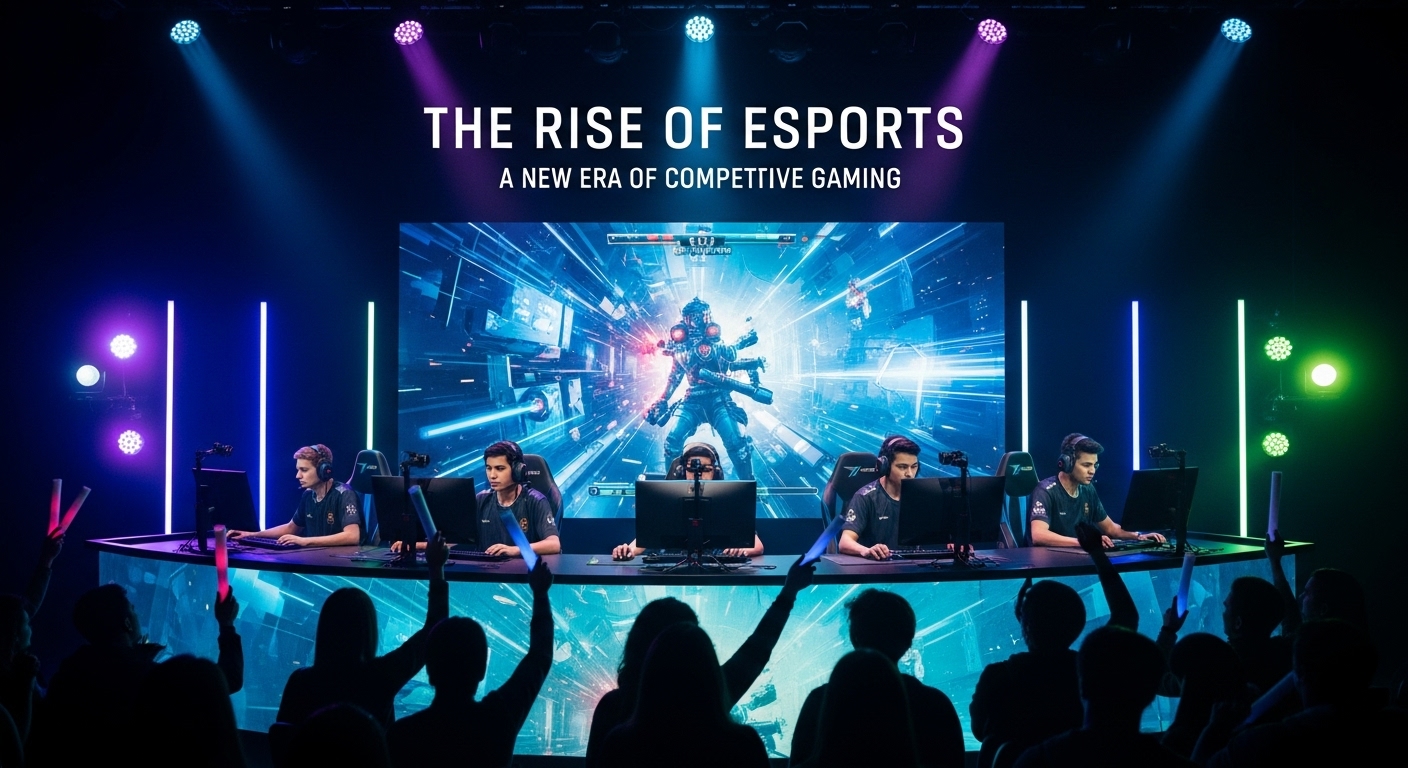
Not too long ago, playing video games competitively was something people did for fun in their living rooms or local arcades. Fast forward a couple of decades, and Esports — short for electronic sports — has become a global phenomenon worth billions of dollars. It’s not just about fun anymore; it’s about fame, fortune, and international prestige.
What was once dismissed as a niche hobby has evolved into a professional industry complete with sponsors, tournaments, broadcast deals, and a dedicated fanbase that rivals traditional sports audiences. Esports has transformed from an underground passion into a legitimate cultural and economic force.
This blog takes a deep dive into the evolution of Esports, exploring its roots, rise to prominence, impact on society, and what the future might hold for this rapidly expanding digital arena.
The Early Beginnings of Competitive Gaming
The origins of Esports go back further than many realize. The first known video game competition took place in 1972 at Stanford University, where students played “Spacewar!” for the grand prize of a year’s subscription to Rolling Stone magazine. It was simple, small, and hardly comparable to today’s stadium-sized tournaments, but it planted the seed of competitive gaming.
In the 1980s, arcade games like Pac-Man, Donkey Kong, and Space Invaders became global sensations. Arcades were the early battlegrounds for gamers who wanted to prove their skill. High scores were the ultimate bragging rights, displayed for everyone to see.
As home gaming consoles like the Atari 2600 and Nintendo Entertainment System became popular, local competitions started popping up, organized by gaming magazines and retailers. The 1990 Nintendo World Championships in the United States marked one of the first large-scale gaming events, traveling across the country and drawing thousands of participants.
The Rise of the Internet and the Birth of Modern Esports
The 1990s brought a revolution that would permanently change gaming — the rise of the internet. Online connectivity turned local matches into global ones. Titles like Doom, Quake, and StarCraft allowed players to face off from opposite sides of the world.
LAN (Local Area Network) parties were also a huge part of early Esports culture. Groups of players would gather in basements, garages, and community centers to connect their computers and battle it out in games like Counter-Strike or Warcraft III. These events laid the foundation for organized tournaments and team-based competitions.
By the early 2000s, Esports started taking shape as an actual industry. Organizations such as Major League Gaming (MLG), founded in 2002, began hosting professional tournaments with real prize pools and corporate sponsors. South Korea, in particular, became a hub for professional gaming. Titles like StarCraft were broadcast on television, and pro gamers achieved celebrity status.
The Global Explosion of Esports
The late 2000s and 2010s were transformative for Esports. Faster internet, high-definition streaming, and social media platforms allowed games to reach massive audiences.
Twitch, launched in 2011, became a central hub for Esports streaming. For the first time, fans could watch their favorite players and teams in real time, interact through chat, and feel part of a community. This shift from television to streaming gave Esports accessibility and personality that traditional sports broadcasting lacked.
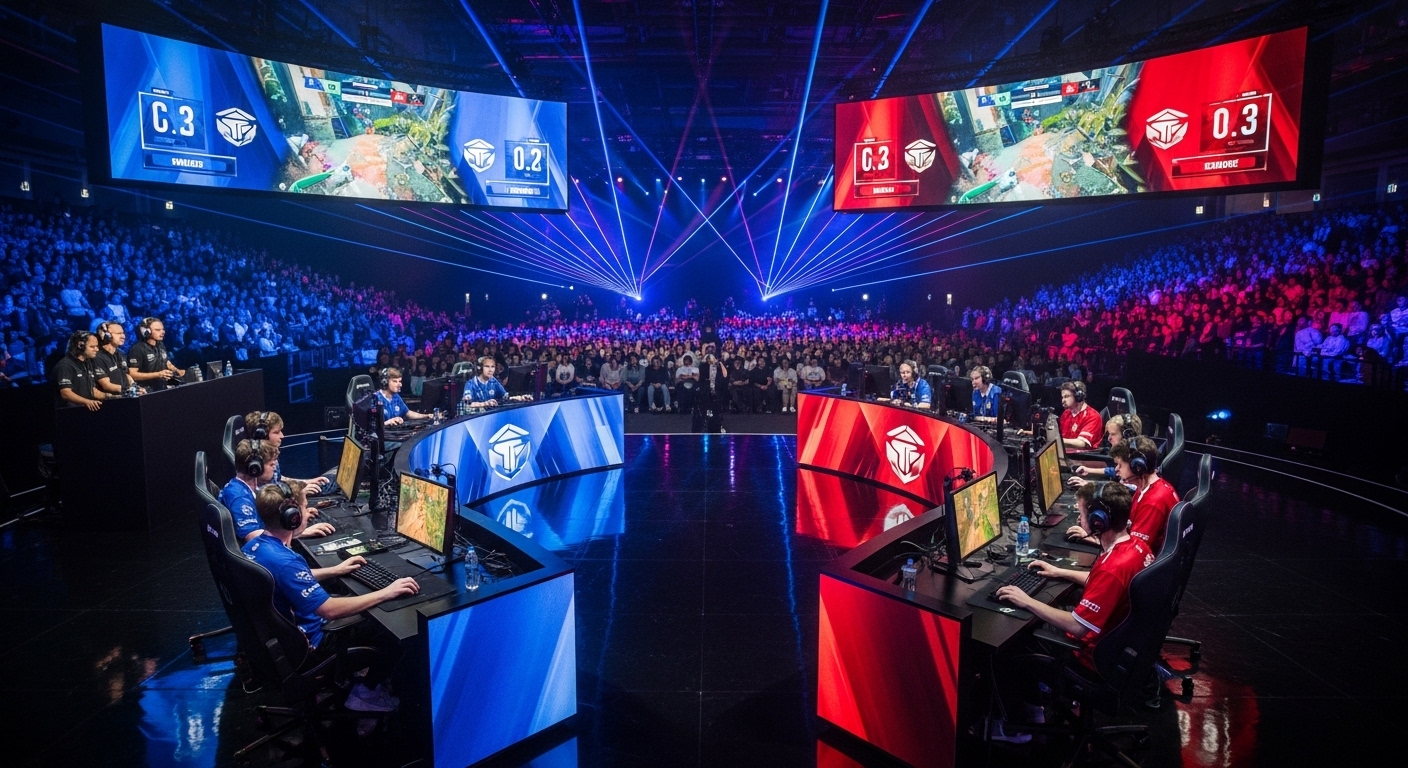
Major tournaments began filling arenas. The League of Legends World Championship, Dota 2’s The International, and Counter-Strike: Global Offensive’s majors drew millions of online viewers and sold-out venues. Prize pools skyrocketed, sometimes reaching tens of millions of dollars.
Sponsors from all industries — from energy drinks to tech giants — jumped in. Esports teams became professional organizations with management, coaches, nutritionists, and analysts. The infrastructure started to resemble that of traditional sports franchises.
Popular Esports Titles and Their Unique Appeal
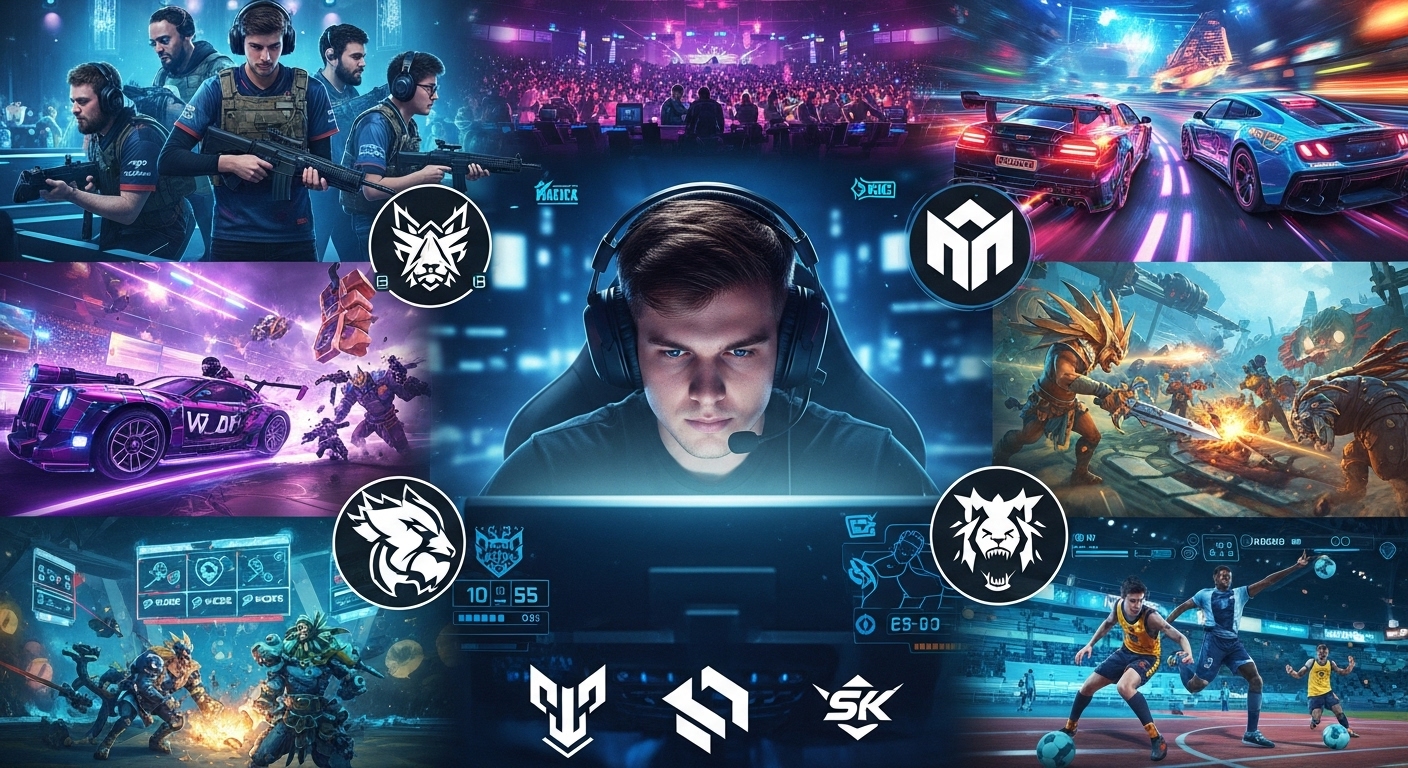
Different games attract different communities, but a few titles have defined the Esports era.
League of Legends
Developed by Riot Games, League of Legends (LoL) became one of the most watched Esports titles worldwide. Its mix of strategy, teamwork, and individual skill keeps matches unpredictable and exciting. The League of Legends World Championship is often compared to the Super Bowl in terms of scale and production.
Dota 2
Valve’s Dota 2 is another titan of the Esports world. Known for its complexity and depth, it boasts one of the largest prize pools in history through its community-funded event, The International. The fan-driven funding model showed how engaged and passionate the gaming community could be.
Counter-Strike: Global Offensive
CS:GO has been around in one form or another since the early 2000s. Its simple premise — two teams competing in objective-based rounds — makes it easy to follow, while its depth and precision make it hard to master. It remains one of the most consistent Esports titles across generations.
Fortnite
When Fortnite arrived, it brought a new audience into Esports — casual gamers and younger players. Epic Games combined entertainment and competition, hosting massive online and offline events that blurred the lines between gaming, music, and pop culture.
Valorant and New Age Titles
More recently, Valorant, also by Riot Games, has captured the attention of both fans and former CS:GO pros. Other titles like Apex Legends, Call of Duty: Warzone, and PUBG Mobile have extended Esports into the mobile and battle royale arenas, ensuring no platform is left behind.
The Business Side of Esports
What started as informal competitions has evolved into a multi-billion-dollar industry. Esports revenue comes from several streams — sponsorships, advertising, media rights, ticket sales, and merchandise.
Brands like Intel, Red Bull, and Adidas invest heavily in teams and tournaments. Streaming platforms negotiate exclusive broadcast deals. Cities compete to host major events that drive tourism and visibility. Universities even offer scholarships for Esports athletes, recognizing the value of digital competition.
Franchising has also changed the game. Leagues like the Overwatch League and Call of Duty League mirror traditional sports structures, with city-based teams, salaries, and long-term contracts. This model gives Esports more stability and opens new opportunities for investors.
Esports organizations now operate much like businesses. They hire marketing teams, content creators, and business managers. Top-tier players can earn six- or even seven-figure salaries, with additional income from streaming, sponsorships, and merchandise.
Esports as a Cultural Movement
Beyond the business numbers, Esports has become a cultural movement. It has reshaped entertainment, education, and even the way people socialize.
Gaming used to be seen as isolating, but Esports proved it could bring people together. Online communities form around teams, players, and games. Fans attend live events, wear team jerseys, and support their favorite players just as passionately as football or basketball fans.
Streaming has turned professional players into influencers. Esports pros and streamers are celebrities in their own right, often amassing millions of followers on platforms like Twitch, YouTube, and TikTok. They shape gaming trends, music choices, and even fashion.
Esports has also challenged stereotypes about gamers. The notion of the “antisocial gamer” no longer holds up when entire stadiums fill with fans cheering for their teams.
The Role of Technology in Esports Growth
None of this would be possible without technology. Advancements in internet infrastructure, cloud gaming, and broadcasting tools have made Esports accessible to nearly anyone with a device and connection.
High refresh-rate monitors, responsive gaming peripherals, and powerful PCs have elevated gameplay standards. 5G and fiber optics have minimized lag, allowing competitive gaming even on mobile platforms.
Virtual reality and augmented reality are also entering the scene, hinting at future Esports experiences that blend physical and digital spaces. Meanwhile, artificial intelligence is being used to analyze gameplay, improve strategy, and even referee matches in real time.
The integration of blockchain and NFTs, though controversial, has also been explored in Esports for fan engagement and digital ownership. While still evolving, these technologies show how adaptable the industry remains.
Esports and Education
One of the most surprising developments is how Esports has entered the education system. High schools and universities worldwide now offer Esports programs and scholarships.
These programs don’t just teach gaming — they teach teamwork, leadership, communication, and strategy. Students learn to analyze data, handle pressure, and collaborate effectively. For many, it’s a gateway to careers in tech, media, or game design.
Colleges in North America, Europe, and Asia host intercollegiate Esports tournaments with live broadcasts and dedicated coaching staff. What once was a hobby now opens doors to real academic and professional opportunities.
Esports and Mental Health
The psychological side of Esports is complex. On one hand, gaming can be a form of stress relief and community engagement. On the other, professional gaming comes with intense pressure, long practice hours, and performance anxiety.
Organizations have begun taking mental health seriously. Many now employ psychologists and wellness coaches to help players manage burnout and maintain balance. Discussions about mental health awareness are becoming common, signaling maturity within the industry.
Esports also provides a sense of belonging for those who may feel out of place in traditional settings. Online teams, fan communities, and gaming clubs give people a space to connect through shared interests.
The Economics of Esports Careers
Beyond professional players, the Esports ecosystem supports a range of careers. Broadcasters, shoutcasters, event managers, coaches, analysts, content creators, and game developers all play essential roles.
Production quality for Esports events now rivals major television productions. Skilled commentators bring games to life, while technical crews handle cameras, sound, and graphics. Marketing teams promote brands, while social media managers keep fans engaged between matches.
The diversity of roles shows that Esports isn’t just for gamers — it’s an industry that combines creativity, technology, and entertainment.
Challenges Facing the Esports Industry
Despite its success, Esports faces challenges. Regulation is still inconsistent across regions. Issues like cheating, match-fixing, and doping (yes, even in gaming) have raised concerns.
Player burnout is another major issue. Many professionals retire in their early twenties due to the physical and mental toll of constant competition. Unlike traditional sports, there’s still limited long-term support for retired players.
Financial stability can also be volatile. While top teams and games thrive, others struggle to maintain profitability. Smaller titles often lack sustainable ecosystems, and sponsorships can be unpredictable.
Additionally, gender inequality remains a problem. Female gamers and professionals are gaining recognition, but harassment and underrepresentation still hinder progress. Initiatives are growing to create more inclusive spaces, but there’s more work ahead.
Esports in Different Regions
Asia
Asia remains the heartbeat of Esports. South Korea, China, and Japan dominate in organization, infrastructure, and viewership. South Korea’s early adoption of professional gaming made it the template for the rest of the world.
North America
In North America, Esports has moved into mainstream entertainment. Franchised leagues, collegiate programs, and partnerships with traditional sports organizations have helped it grow rapidly.
Europe
Europe’s Esports scene is diverse, with strong communities for CS:GO, FIFA, and Rocket League. Nations like Sweden, Germany, and the UK host world-class tournaments and serve as homes to top teams.
The Middle East and Africa
These regions are emerging markets for Esports, fueled by youthful populations and expanding tech infrastructure. Governments and private investors are beginning to see Esports as a way to diversify entertainment industries.
The Future of Esports
Where does Esports go from here? The trajectory suggests continued growth. Analysts predict that the global Esports market will surpass several billion dollars in revenue within the next few years.
Expect to see more integration with mainstream media, crossovers with traditional sports, and innovations in immersive technology. Virtual and augmented reality tournaments might become the next frontier, while mobile Esports will likely dominate in developing markets.
Esports will also continue influencing culture. Music, film, fashion, and even education will draw inspiration from gaming. As the line between digital and physical entertainment blurs, Esports will remain at the center of that transformation.
Conclusion
From a Stanford lab in 1972 to packed arenas filled with roaring fans, the journey of Esports has been nothing short of remarkable. It has redefined what competition means in the digital age — a blend of skill, strategy, and technology that unites millions across the world.
Esports is no longer a question of legitimacy; it’s a testament to how entertainment, innovation, and human connection can thrive in virtual spaces. Whether you’re a lifelong gamer or just a curious observer, one thing is certain — Esports is here to stay, and its story is still being written.