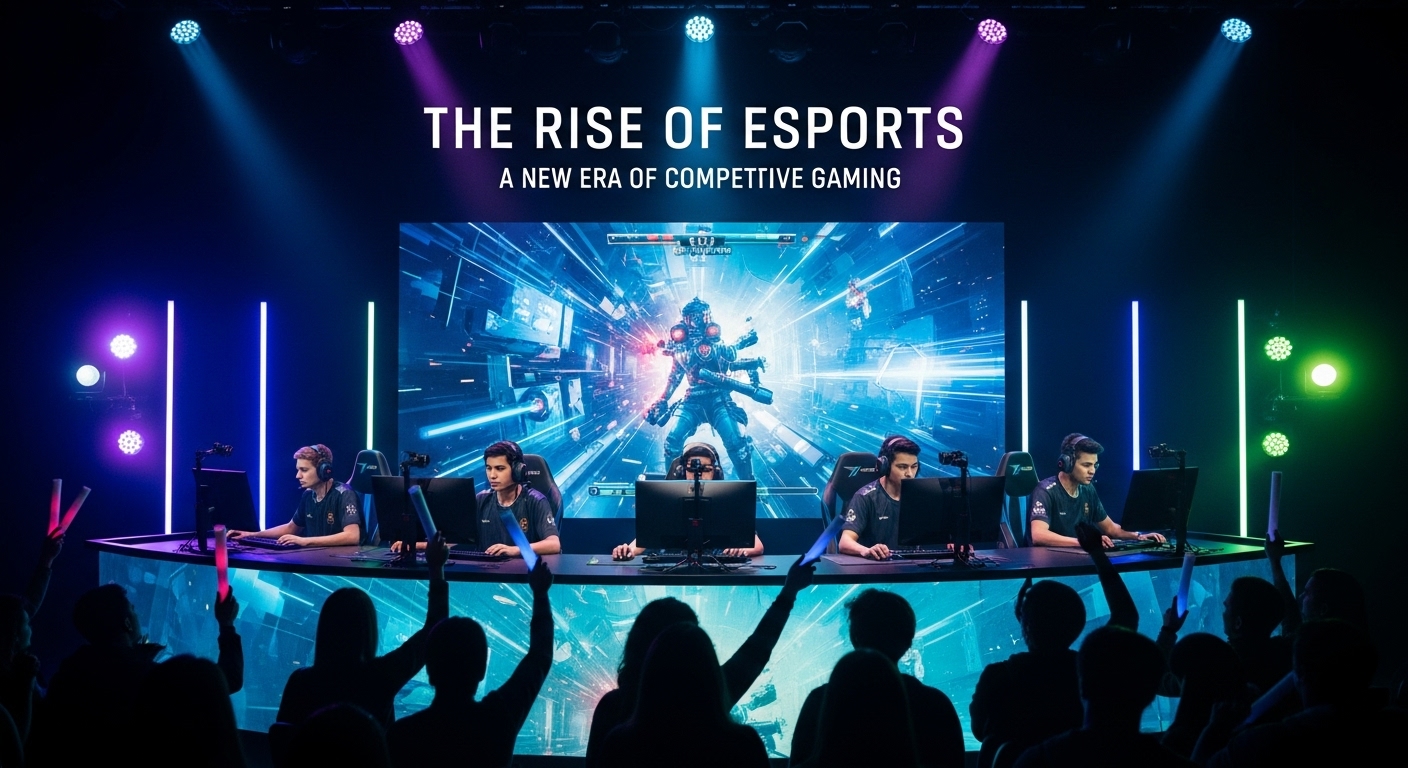
Esports has gone from a niche hobby to a worldwide powerhouse, captivating millions of fans and generating billions in revenue. Today, it’s not just about playing games for fun; it’s a professional industry with its own stars, teams, sponsorships, and a massive following. In this blog post, we’ll explore the evolution of esports, how it has shaped the gaming landscape, and why it’s more than just a passing trend.
The Early Days of Esports: Humble Beginnings
The history of esports is deeply tied to the development of online gaming. In the 1990s, competitive gaming existed mostly through informal LAN (Local Area Network) parties, where gamers gathered to compete in games like Quake and StarCraft. The first significant step toward formal esports came in 1997 with the launch of the Red Annihilation tournament for Quake, where the champion received a Ferrari. This was the moment when competitive gaming transitioned from something done for fun in basements to a real, organized sport with tangible rewards.
As internet speeds improved and gaming communities expanded, more tournaments started cropping up. Games like Warcraft III, StarCraft: Brood War, and Counter-Strike became the pillars of early esports. With the creation of the first major esports leagues and the introduction of online broadcasting, the landscape for competitive gaming was set. By the mid-2000s, esports was no longer a niche hobby but a global phenomenon.
The Rise of Professional Teams and Global Competitions
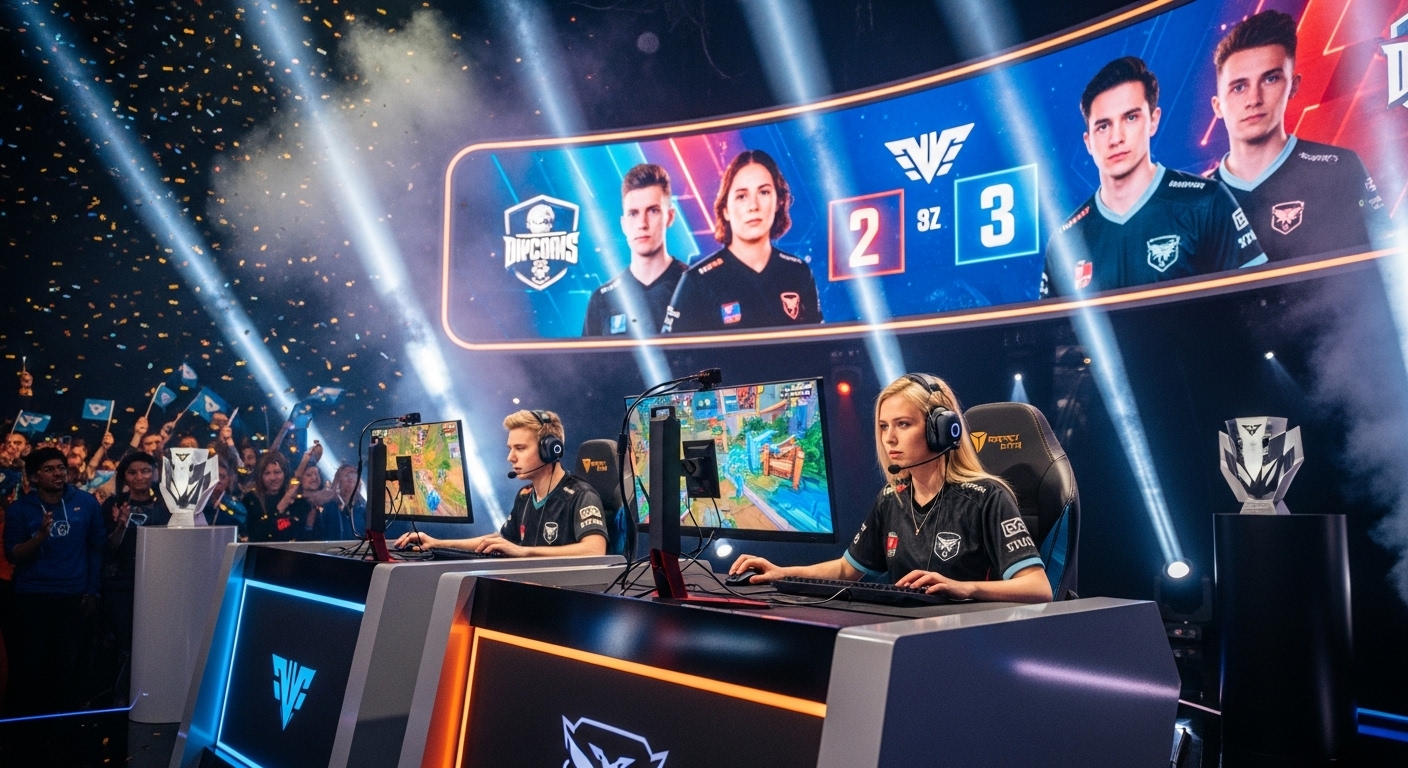
As esports grew in popularity, it evolved into a professional career for many. Players no longer participated just as amateurs; they began to form teams, hire coaches, and develop strategies similar to traditional sports teams. The competitive gaming scene shifted from small-scale competitions to large, multi-million dollar tournaments that attracted viewers from around the world.
Games like League of Legends, Dota 2, and Counter-Strike: Global Offensive became the focal point of esports competitions, with each title hosting major events, drawing in huge audiences, and offering massive prize pools. The League of Legends World Championship, for example, became one of the largest esports tournaments globally, with millions of fans tuning in to watch teams battle it out for glory and prize money.
The professionalization of esports also brought about a shift in how players were treated. They became celebrities in their own right, signing sponsorship deals, streaming their games on platforms like Twitch, and even making appearances on TV. The success of these professional leagues demonstrated that esports was more than just a hobby — it was an entire ecosystem with players, teams, sponsors, and fans.
The Business of Esports: A Multi-Billion-Dollar Industry
As esports grew, so did the business surrounding it. The global esports industry is now valued at over a billion dollars and continues to rise year after year. Sponsorship deals from major companies like Coca-Cola, Intel, and Mercedes-Benz have poured millions into the ecosystem. These deals help fund teams, tournaments, and even player salaries, creating a structure that mirrors traditional sports in many ways.
The rise of streaming platforms like Twitch and YouTube Gaming has further fueled the growth of esports. These platforms allow players to broadcast their gameplay in real-time, engaging directly with their audience. Streaming has become an industry in itself, with top streamers earning millions from subscriptions, donations, and sponsorships. This has allowed gamers to turn their passion into a full-time job, making the world of esports even more accessible to a global audience.
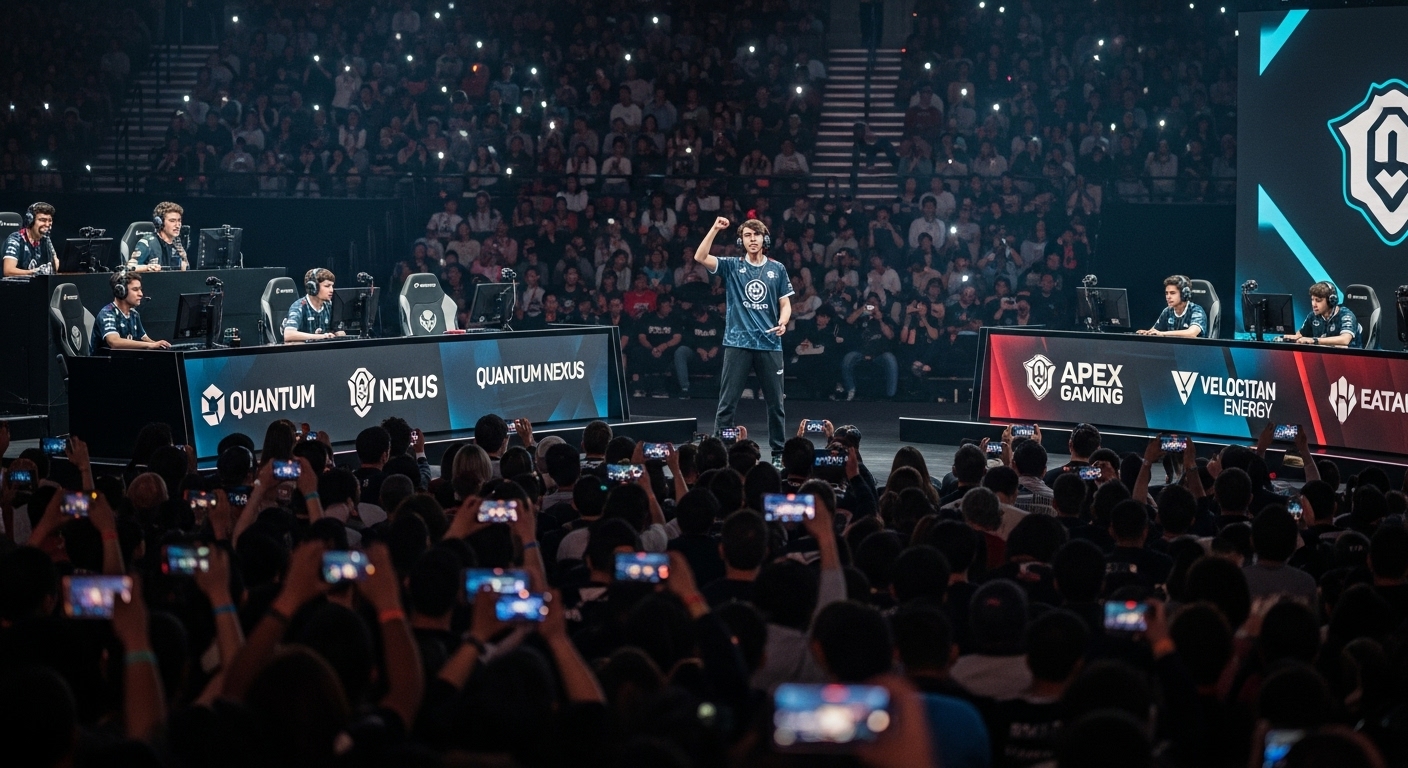
Tournaments, too, have become increasingly professional. Major events are broadcasted live, sometimes filling arenas like traditional sporting events. These events now feature commentary, analysis, and interviews with players, providing fans with a comprehensive experience that extends beyond just watching gameplay.
Why Esports Is So Popular: The Appeal of Competitive Gaming
There are several reasons why esports has exploded in popularity. For one, gaming is universally accessible. With an internet connection, anyone can play, compete, and watch esports from anywhere in the world. This global accessibility has contributed to the rise of massive, international audiences, making esports an inclusive and diverse sport.
Another reason for the popularity of esports is the sense of community it creates. Gamers connect not only with their teams but also with millions of other fans online. Whether it’s through live streams, social media, or forums, the esports community fosters an environment of camaraderie and shared excitement. The emotional highs and lows of watching your favorite team compete can create a deep bond between fans and players alike.
Esports also thrives on the competitive nature of gaming. Unlike other forms of entertainment, esports allows viewers to witness the development of skills in real-time. Watching players push the limits of what’s possible in games like Dota 2 or Counter-Strike is thrilling, as the action is fast-paced, unpredictable, and intense. The level of strategy and precision involved in top-tier esports is something that keeps fans coming back, year after year.
The Intersection of Esports and Traditional Sports
Esports has begun to merge with traditional sports in ways that many never thought possible. Over the past few years, traditional sports teams have invested heavily in esports, forming their own gaming divisions and teams. For example, the New York Knicks and Manchester City both have esports teams, bridging the gap between traditional and digital sports.
Furthermore, esports has found itself a place in big sports events. The 2020 Summer Olympics even considered adding esports to their official roster, acknowledging that the digital age has brought about a new generation of athletes who compete in a completely different arena. While esports has yet to become an official Olympic sport, the discussions around it demonstrate just how far esports has come in terms of legitimacy and cultural recognition.
The Future of Esports: Continued Growth and Innovation
Looking ahead, the future of esports seems bright. The continued development of gaming technology will only elevate the experience for both players and viewers. Virtual reality (VR) and augmented reality (AR) hold the potential to revolutionize how esports is played and experienced, providing more immersive and engaging environments.
The expansion of mobile esports is another exciting frontier. With the widespread adoption of smartphones, games like PUBG Mobile and Arena of Valor are becoming some of the most popular titles in the esports world, creating new opportunities for players and fans across the globe. As mobile gaming continues to rise, so too will the accessibility of esports, bringing the competitive spirit of gaming to new regions and demographics.
Additionally, esports is likely to become even more integrated with traditional media. More mainstream networks and platforms will continue to broadcast esports tournaments, reaching a larger and more diverse audience. The future of esports could involve even more cross-media collaborations, from movies and TV shows to collaborations with non-gaming industries.
Conclusion: Esports—The New Frontier of Entertainment
Esports has come a long way from its early days of informal LAN parties to become a globally recognized sport. It’s an industry that has not only captured the attention of millions but also changed how we view gaming, competition, and entertainment. With its immense growth and potential for innovation, esports is more than just a trend; it’s the future of competitive entertainment.
As technology, accessibility, and fan engagement continue to evolve, esports will remain at the forefront of the digital revolution. Whether you’re a casual player, an avid fan, or an aspiring professional, the world of esports has something exciting to offer—and it’s just getting started.