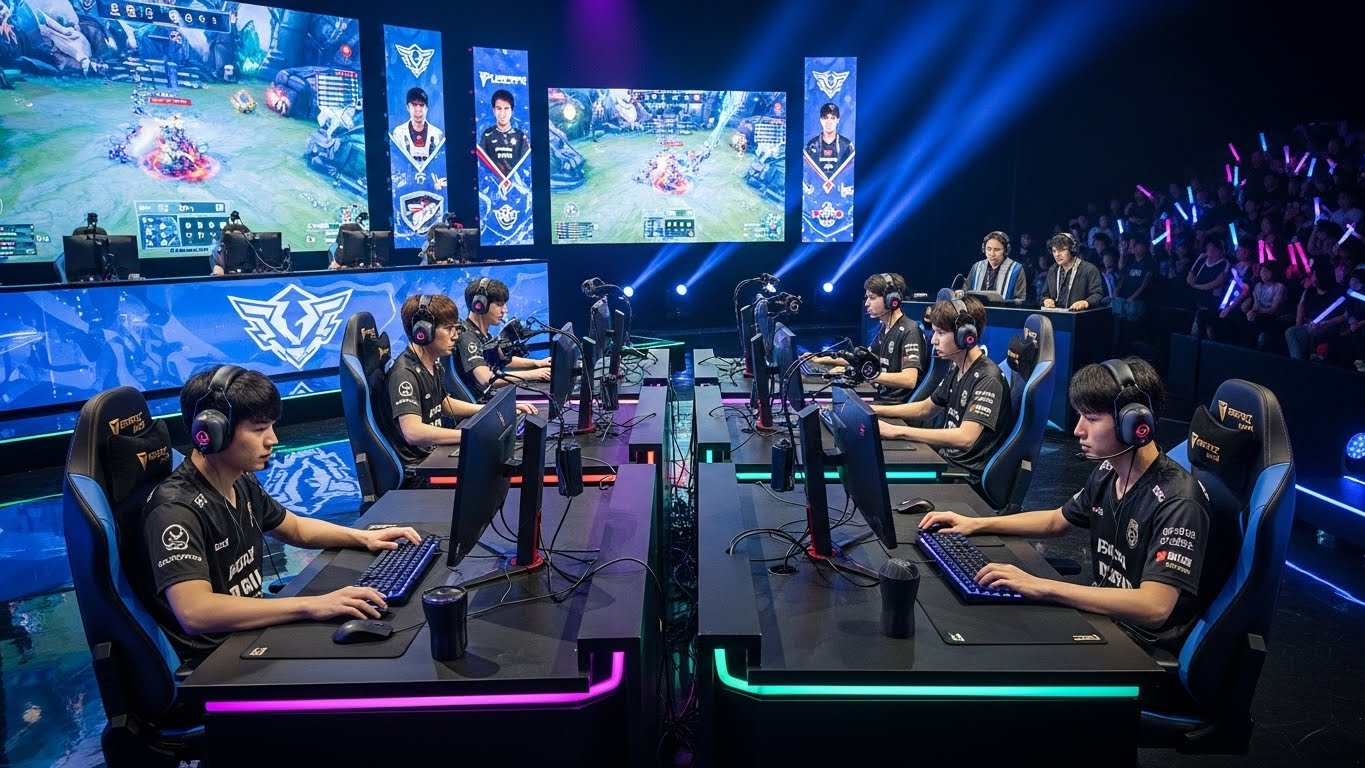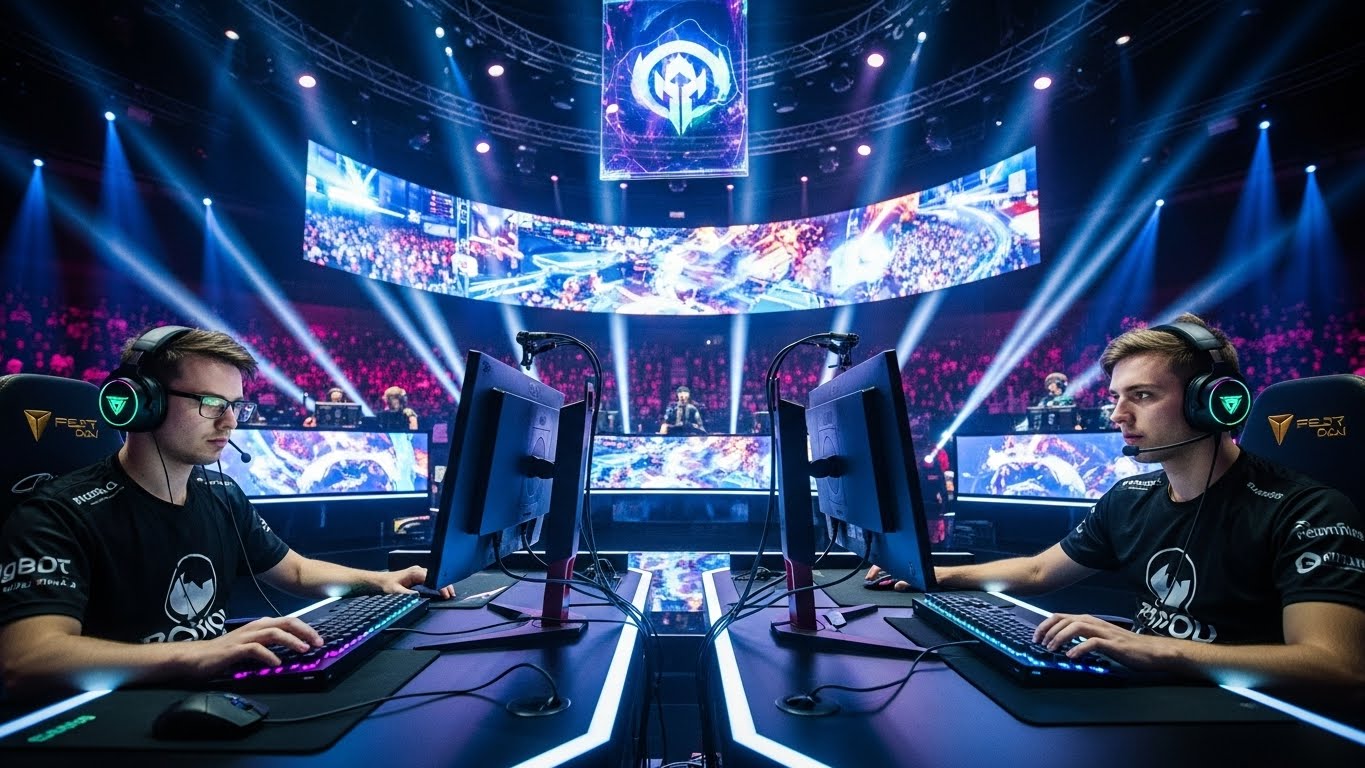
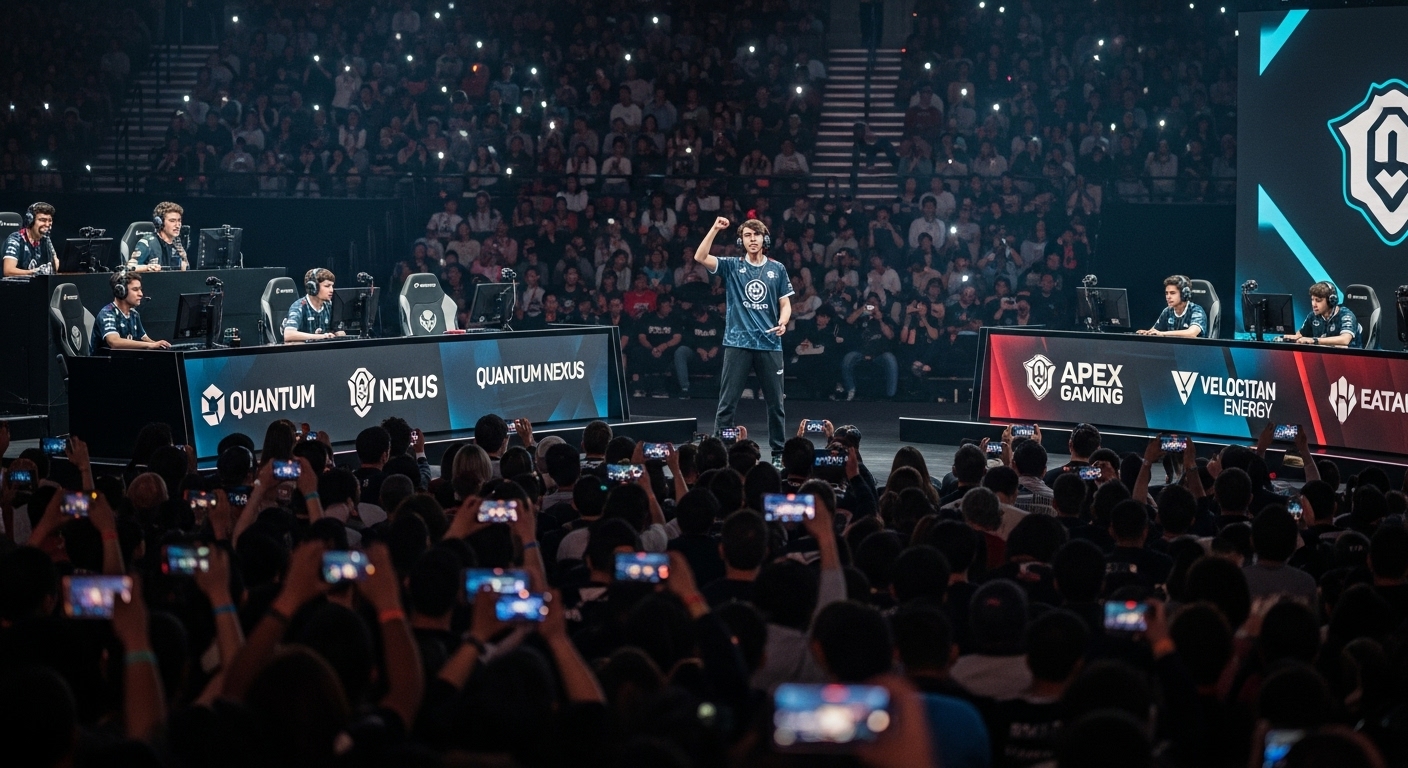
Esports, short for electronic sports, has evolved from a niche hobby into a massive, global industry. What began as casual gaming among friends has now transformed into an organized, professional competition, with millions of fans, sponsorship deals, and multi-million-dollar prize pools. This rapid growth has made esports a cultural phenomenon, attracting players, spectators, and investors alike. In this blog, we’ll explore the history, growth, and impact of esports, diving into how it became a multi-billion-dollar industry and what the future holds for this exciting, ever-evolving form of entertainment.
The Birth of Competitive Gaming
The concept of competitive gaming is not as modern as one might think. The roots of esports can be traced back to the early days of video gaming. In the 1970s and 1980s, arcade games like Pong and Space Invaders became immensely popular. Gamers would compete for high scores, but these competitions were informal, without the structure we associate with esports today. However, the first real taste of competitive gaming came with the introduction of Space Invaders tournaments in the early 1980s. These tournaments, though small, were some of the earliest signs that people enjoyed watching others compete in video games.
The mid-90s marked a turning point with the release of games like Quake and StarCraft. These titles allowed players to compete against each other online, giving rise to the first organized gaming tournaments. Quake became especially significant because of its fast-paced, first-person shooter action and large community of players. One of the first major tournaments, the Red Annihilation competition in 1997, offered a grand prize of $20,000—an early indication that competitive gaming could offer real-world rewards.
The Rise of the Internet and the Birth of Modern Esports
By the late 1990s and early 2000s, the internet had begun to change the gaming landscape. Broadband internet enabled players to connect with each other globally, creating the conditions necessary for professional-level esports competitions. Games like Warcraft III, Counter-Strike, and StarCraft became not just fan favorites but also cornerstone titles for the budding esports scene. These games boasted strong multiplayer modes that required skill and strategy, making them perfect for competitive play.
In 2000, the World Cyber Games (WCG) was established as one of the first large-scale global tournaments. This event brought together gamers from around the world to compete in a variety of games, including StarCraft and Warcraft III. This was a watershed moment for esports, as it helped to establish the idea that competitive gaming could be a global, organized event with international participants.
Simultaneously, platforms like Battle.net (Blizzard’s online gaming platform) and Gamespy began to foster large online communities where players could participate in organized tournaments and ladders. These early online leagues served as a precursor to the professional leagues we see today. But it wasn’t just about the games—the rise of streaming platforms like Twitch in 2011 truly changed the esports landscape. Twitch allowed players to broadcast their gameplay to a global audience in real-time, opening up new possibilities for viewer engagement and creating a direct connection between players and fans.
The Global Phenomenon: Key Games and Major Tournaments
As esports grew, certain games emerged as central pillars of the competitive scene. Titles like League of Legends, Dota 2, Counter-Strike: Global Offensive, and Overwatch became household names, known not only for their gameplay but also for the high-level competition they fostered.
League of Legends (LoL), developed by Riot Games, is often considered the flagship title of esports. Since its release in 2009, League of Legends has become one of the most-played and watched games globally. The League of Legends World Championship, held annually, attracts millions of viewers, both online and in-person, with prize pools reaching over $2 million. LoL’s success as an esport lies in its accessibility, team-oriented strategy, and the deep skill required to succeed at the highest levels.
Similarly, Dota 2, developed by Valve, took competitive gaming to new heights with its The International tournament, which began in 2011. The International’s prize pool is among the largest in esports, often exceeding $25 million. This massive prize money comes primarily from crowdfunding via the sale of in-game items and cosmetics, which directly involves the community in the success of the event.
Other games, such as Counter-Strike: Global Offensive (CS:GO) and Overwatch, also became pillars of the esports ecosystem. CS:GO, a tactical first-person shooter, has been at the heart of competitive gaming for more than a decade. Overwatch, a team-based hero shooter, was released by Blizzard in 2016 and quickly became one of the most-watched esports games globally, thanks to its vibrant characters and fast-paced action.
The success of these games also gave birth to major professional leagues. The Overwatch League (OWL) and Call of Duty League (CDL), for example, operate on a franchise model similar to that of traditional sports leagues like the NFL and NBA. Teams in these leagues represent cities or regions, creating a more localized connection between fans and players.
The Economics of Esports: Sponsorships, Streaming, and Media Partnerships
Esports is no longer just about playing games—it’s a full-fledged industry with sponsorships, media deals, and large-scale advertising revenues. Major brands, including Coca-Cola, Intel, and Red Bull, have all signed deals to sponsor esports tournaments, teams, and events. These partnerships are a crucial source of funding for professional esports organizations, as well as for tournament organizers.
One of the key drivers behind the economic success of esports has been the rise of live streaming. Platforms like Twitch, YouTube Gaming, and Facebook Gaming allow gamers and esports organizations to broadcast live matches and events to millions of viewers worldwide. Streamers and professional players make money through sponsorships, donations, and advertising revenue, making streaming a lucrative career option for many.
In addition, esports tournaments have attracted media giants, with networks like ESPN and Turner Sports broadcasting major events. In 2018, the League of Legends World Championship was streamed on ESPN, and several esports tournaments have aired on traditional cable channels, further bridging the gap between esports and mainstream sports. Media deals like these not only give esports credibility but also expose it to a wider audience, further cementing its place in the global entertainment ecosystem.
The Role of Fans in Esports
One of the defining characteristics of esports is its devoted fan base. Esports fans are not passive viewers—they actively engage with the content, follow their favorite players and teams, and participate in online discussions. The rise of social media and platforms like Reddit and Twitter has given esports fans a voice, enabling them to interact directly with players, streamers, and teams.
Esports events, both online and in person, attract millions of viewers, and the most popular tournaments can fill arenas with tens of thousands of fans. The League of Legends World Championship, for example, has been held in massive venues like the Los Angeles Staples Center and the Beijing National Stadium, attracting fans from all over the world. Online viewership is even more staggering, with some major tournaments reaching over 100 million viewers.
The interactive nature of esports also helps to build a sense of community. Fans are often part of online groups or follow content creators who offer live commentary, analysis, and behind-the-scenes insights into their favorite games and players. This active engagement helps foster a deep connection between fans and the esports world.
The Future of Esports: Growth, Challenges, and New Horizons
The future of esports looks incredibly promising. As technology continues to evolve, the gaming experience will only get more immersive and accessible. Virtual reality (VR) and augmented reality (AR) are beginning to make their way into gaming, and it’s likely that esports will explore these technologies in the near future, offering new ways for players and fans to engage with the sport.
Additionally, the potential for esports to be included in major global sporting events like the Olympic Games is a subject of much discussion. While esports has not yet been officially recognized as an Olympic sport, its rapid growth and mainstream appeal have sparked conversations about its inclusion. It’s not entirely out of the question that, in the future, esports could be treated on par with traditional sports, with teams and athletes competing for medals on the world stage.
However, there are still challenges to overcome. The professionalization of esports has led to concerns about player welfare, as intense training regimens and long hours of play can take a toll on physical and mental health. Teams and organizations are starting to implement better support systems, including coaches, nutritionists, and mental health resources, but this is an area that will need further development as the industry matures.
Additionally, the issue of cheating and match-fixing remains a concern, as the high stakes of esports tournaments continue to attract individuals looking to manipulate outcomes for financial gain. Tournament organizers and governing bodies are working to combat these issues through anti-cheating technology and stricter regulations.
Conclusion: Esports as a Cultural Force
Esports has grown from a hobby enjoyed by a niche group of enthusiasts into a global cultural force. With its massive fan base, multi-million-dollar prize pools, and worldwide reach, esports is no longer just a game—it’s a thriving, professionalized industry that’s reshaping the way we think about sports and entertainment. As technology continues to advance and new games and platforms emerge, the future of esports looks incredibly bright. What started as a hobby for passionate gamers has now become a legitimate career path, a global spectacle, and a major player in the entertainment world. The next chapter in esports promises