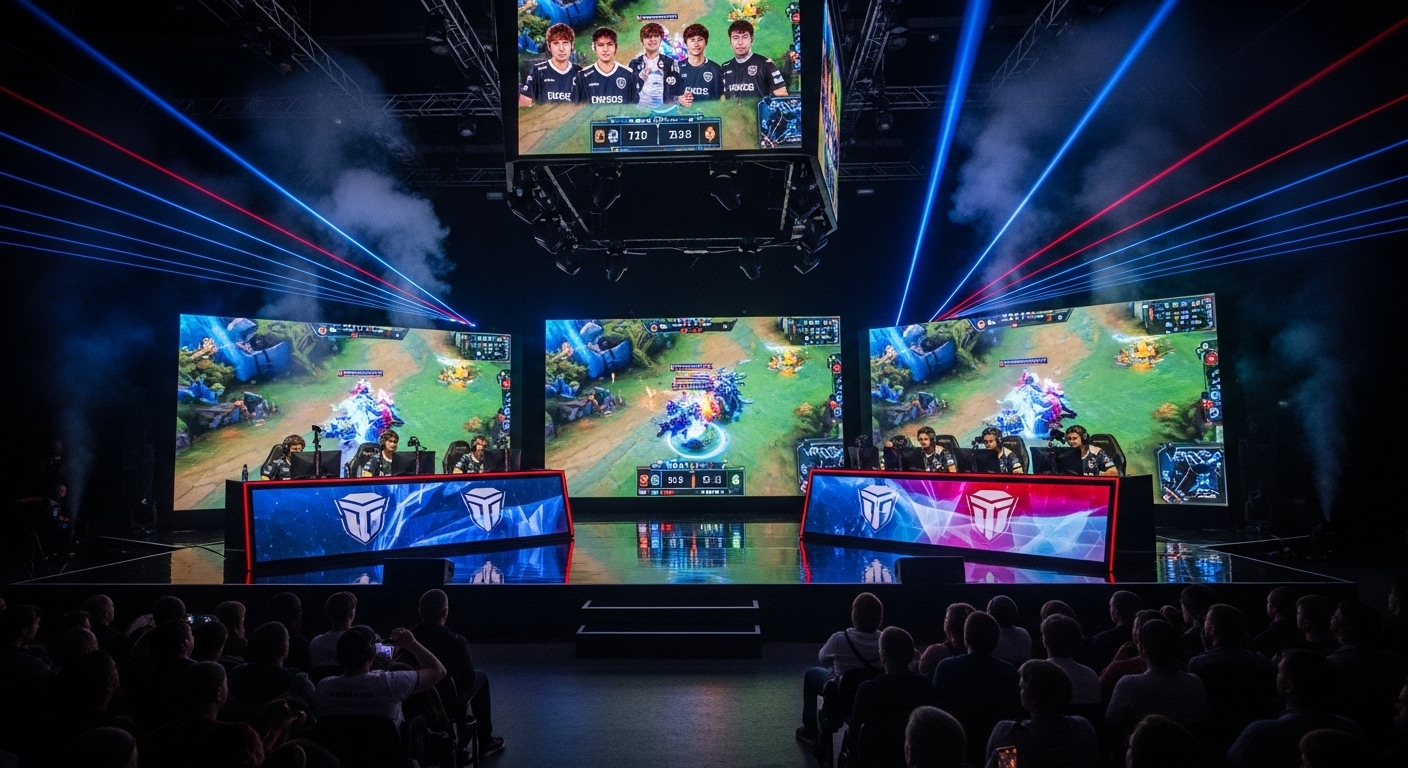

Esports, once a niche activity enjoyed by a small group of gamers, has rapidly evolved into a global industry. It has now become one of the most watched and lucrative forms of entertainment in the world. With professional players, teams, sponsorships, massive audiences, and a growing presence in mainstream media, esports has firmly established itself as a key player in the entertainment and sports industry. But how did esports become such a powerhouse? And what does the future hold for this fast-growing sector? In this blog post, we will explore the history, impact, and future of esports.
The Beginnings of Esports: From Arcades to Online Tournaments
Esports traces its origins back to the early days of competitive gaming in the 1970s and 1980s. The first major tournament, the Space Invaders Championship in 1980, was a breakthrough moment that demonstrated the potential of competitive video gaming. As gaming technology advanced and home consoles became widely available, gaming communities began forming, and local competitions started popping up in arcades across the world.
By the late 1990s and early 2000s, the internet had revolutionized gaming. Online multiplayer games such as StarCraft, Quake, and Warcraft III paved the way for competitive gaming to transition from local LAN (Local Area Network) parties to global online tournaments. This shift created an even larger, more interconnected gaming community, and esports began gaining significant momentum.
The Rise of Professional Esports Leagues
While esports had been growing steadily in the background, it wasn’t until the mid-2000s that esports started to become a professionalized industry. Major esports leagues like Major League Gaming (MLG) in the United States and ESL (Electronic Sports League) in Europe began organizing large-scale tournaments, offering prize money, sponsorship deals, and media exposure to top-tier players.
One of the key turning points for esports came with the launch of League of Legends (LoL) in 2009. LoL’s developer, Riot Games, introduced a highly competitive environment and quickly grew the game into one of the most popular esports titles globally. By 2013, Riot Games had established the League of Legends World Championship, which has since become one of the most-watched esports events, attracting millions of viewers.
In the same period, other titles like Dota 2, Counter-Strike: Global Offensive (CS:GO), and Overwatch helped solidify esports as a mainstream sport, with professional leagues, live streaming platforms, and massive prize pools. Esports had become a legitimate career for gamers, with many players earning significant incomes through sponsorships, streaming, and tournament winnings.
The Appeal of Esports: Why It’s Captivating Audiences
There are several reasons why esports has become so captivating and continues to thrive. One of the main factors is the accessibility of the games themselves. Video games, particularly those focused on competition, appeal to a wide demographic. Whether you’re a casual player, a hardcore gamer, or a spectator, there’s something for everyone. The barrier to entry for participating in or following esports is much lower than traditional sports, making it an attractive and inclusive option.
Furthermore, esports offers viewers a unique blend of entertainment. The combination of strategy, skill, teamwork, and high-stakes competition is compelling, and many fans enjoy watching the best players in the world battle it out. Games like League of Legends and Dota 2 are constantly evolving, with frequent updates, balance changes, and new content, keeping the gameplay fresh and engaging for both players and viewers.
Another factor contributing to esports’ popularity is the growth of streaming platforms like Twitch and YouTube Gaming. These platforms have made it easier for fans to access esports content in real-time, offering live streams of major tournaments and daily broadcasts of player and team content. In fact, esports has benefited greatly from the rise of influencers and content creators, with popular streamers attracting millions of followers who tune in to watch their gameplay.
Esports as a Multi-Billion Dollar Industry
Esports is no longer just a subculture. It’s a multi-billion-dollar industry with a global fan base and a range of revenue streams. According to a report by Newzoo, the global esports industry was worth over $1 billion in 2023, and it is projected to continue growing in the coming years. This staggering figure reflects the various revenue streams that have been established within esports, such as:
- Sponsorships and Advertising: Brands from industries such as tech, consumer goods, and energy drinks have invested heavily in esports sponsorships. Esports teams, tournaments, and even individual players now have lucrative deals with brands that want to tap into the massive gaming audience.
- Prize Pools and Winnings: Esports tournaments feature massive prize pools, often in the millions of dollars. For example, the The International, the annual Dota 2 championship, consistently boasts one of the largest prize pools in esports history, with over $40 million in prize money up for grabs in 2023.
- Media Rights: Major esports leagues and tournaments sell broadcasting rights to platforms like ESPN, YouTube, and Facebook Gaming. These deals provide significant revenue streams and help esports reach new, wider audiences.
- Merchandising: Much like traditional sports, esports has a growing merchandise market. Fans purchase jerseys, caps, and other branded items to show support for their favorite teams and players.
- Esports Betting: Esports has also become a major hub for online betting. Just like traditional sports, fans place bets on the outcomes of esports events, adding a layer of excitement for viewers and generating more revenue for the industry.
The Global Impact of Esports
Esports has had a far-reaching impact beyond just the gaming community. It has contributed to the development of new forms of digital entertainment, such as live streaming, content creation, and interactive fan experiences. One of the most profound effects of esports is its ability to transcend geographical and cultural boundaries.
In countries like South Korea, China, and the United States, esports is already seen as a major form of entertainment, with large-scale tournaments held in arenas and broadcasted on national TV. These events draw crowds that rival those of traditional sporting events, creating a new type of sporting spectacle.
In addition, esports is increasingly becoming recognized as a legitimate sport. Various countries and organizations have started to offer esports scholarships, and some have even introduced esports as an official competition in multi-sport events like the Asian Games. As more schools, universities, and governments begin to invest in esports programs, it’s clear that esports will continue to gain recognition as a global phenomenon.
The Future of Esports: What Lies Ahead?
As esports continues to grow, the future looks incredibly promising. Here are a few key trends that will shape the next phase of esports:
- Increased Mainstream Integration: As more traditional sports organizations, media outlets, and brands become involved in esports, there will be even more opportunities for esports to reach mainstream audiences. Collaborations between esports organizations and traditional sports leagues, such as the NBA and NFL, are already underway, and these partnerships are likely to expand in the future.
- Improved Infrastructure and Technology: With the growth of esports, there will be an increased focus on developing better infrastructure, including dedicated esports arenas, streaming technology, and broadcast capabilities. Virtual reality (VR) and augmented reality (AR) may also play a significant role in making esports experiences even more immersive for both players and viewers.
- Diversity and Inclusion: Esports is increasingly focusing on promoting diversity and inclusion within the gaming community. More initiatives will likely emerge to encourage players from underrepresented backgrounds, as well as greater female representation in the scene.
- Esports as Education: With the rise of esports at the collegiate level, universities and schools are investing in esports programs and scholarships. In the future, esports may even become a core component of the academic curriculum, allowing students to pursue careers in gaming, broadcasting, game development, and management.
- Sustainability: As the esports industry grows, so too will the environmental impact. Future efforts will focus on making esports events and operations more sustainable, such as reducing energy consumption at tournaments and adopting more eco-friendly practices in production and transportation.
Conclusion: A New Era of Entertainment
Esports has undoubtedly entered a new era, where it is no longer just a niche hobby but a global entertainment juggernaut. Its growth has been fueled by passionate players, dedicated fans, and forward-thinking organizations that have turned competitive gaming into a legitimate career path and a multi-billion-dollar industry. Whether you’re a casual gamer, a professional player, or a fan of the competition, esports has something to offer. As we look to the future, it is clear that esports will continue to evolve, innovate, and captivate audiences around the world.