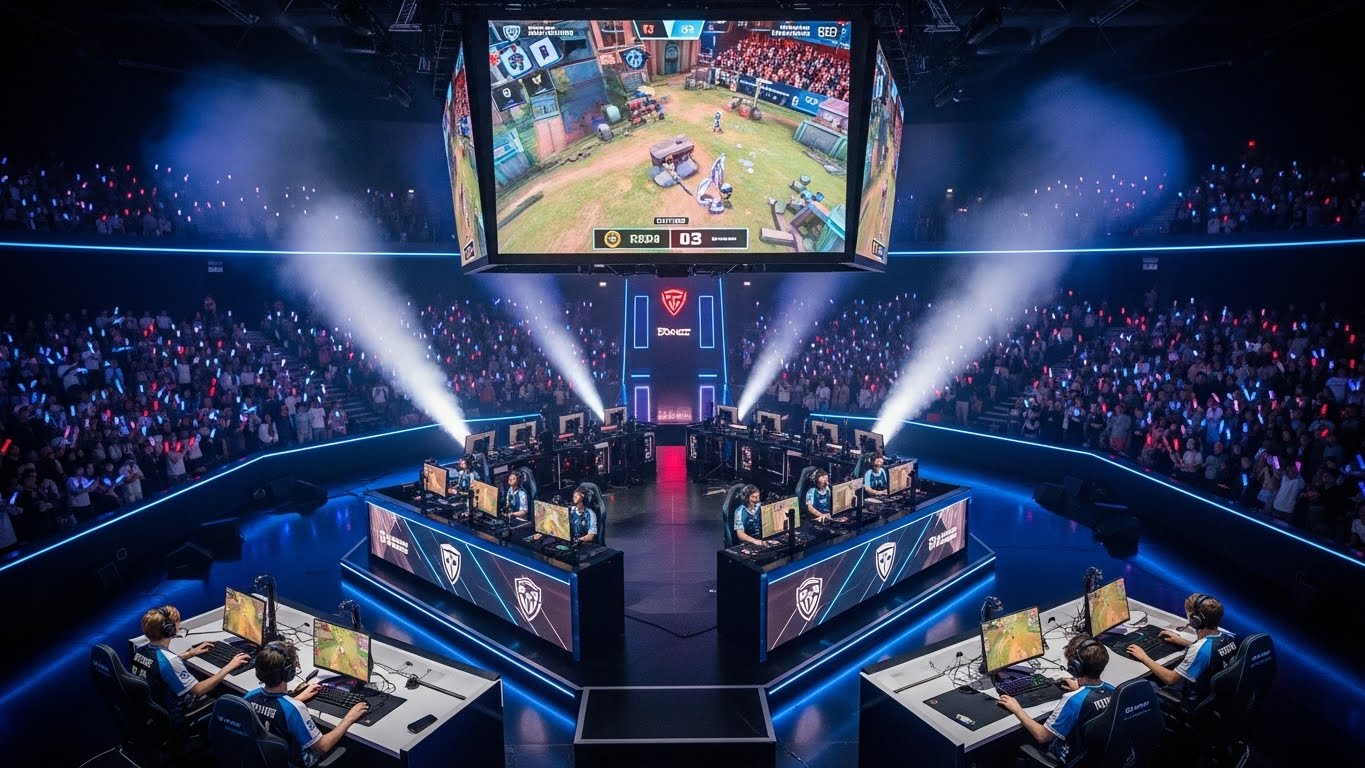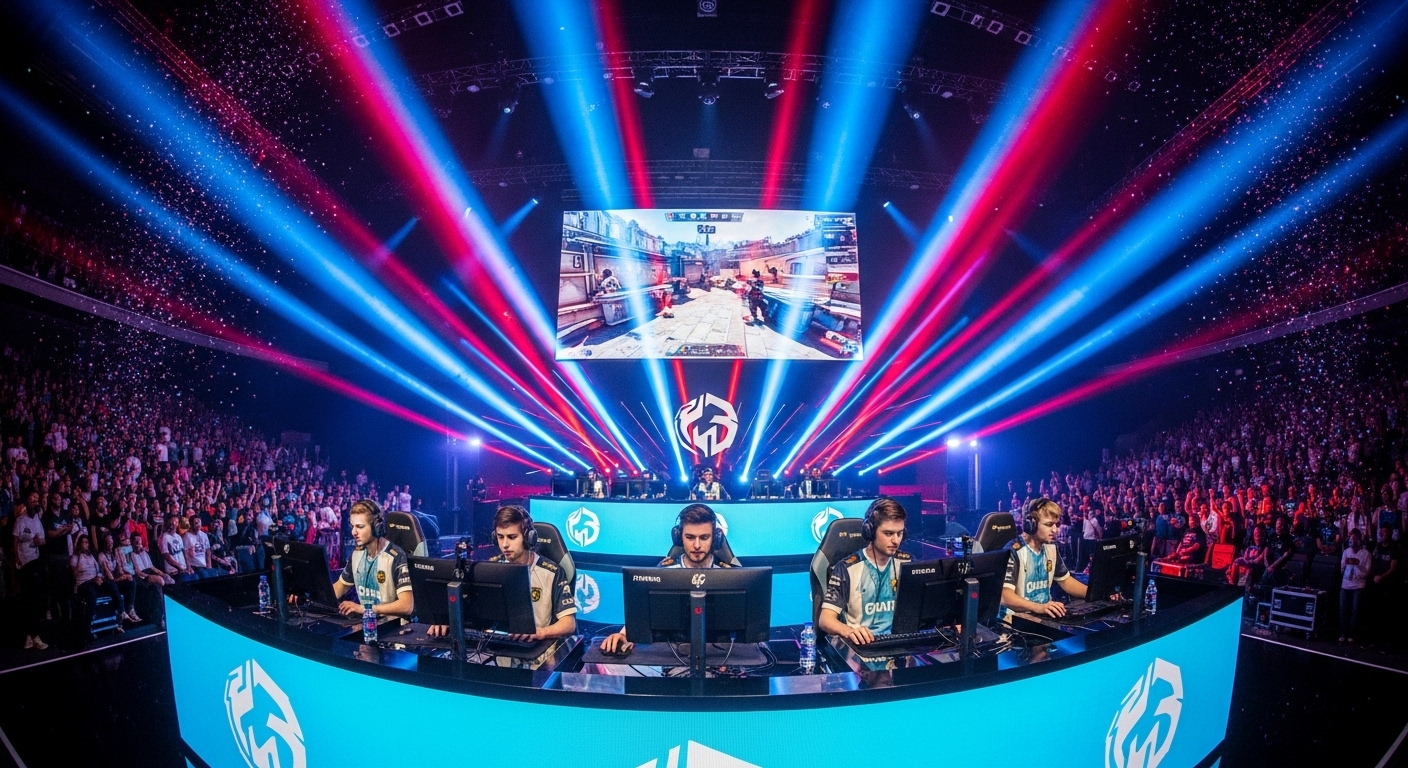
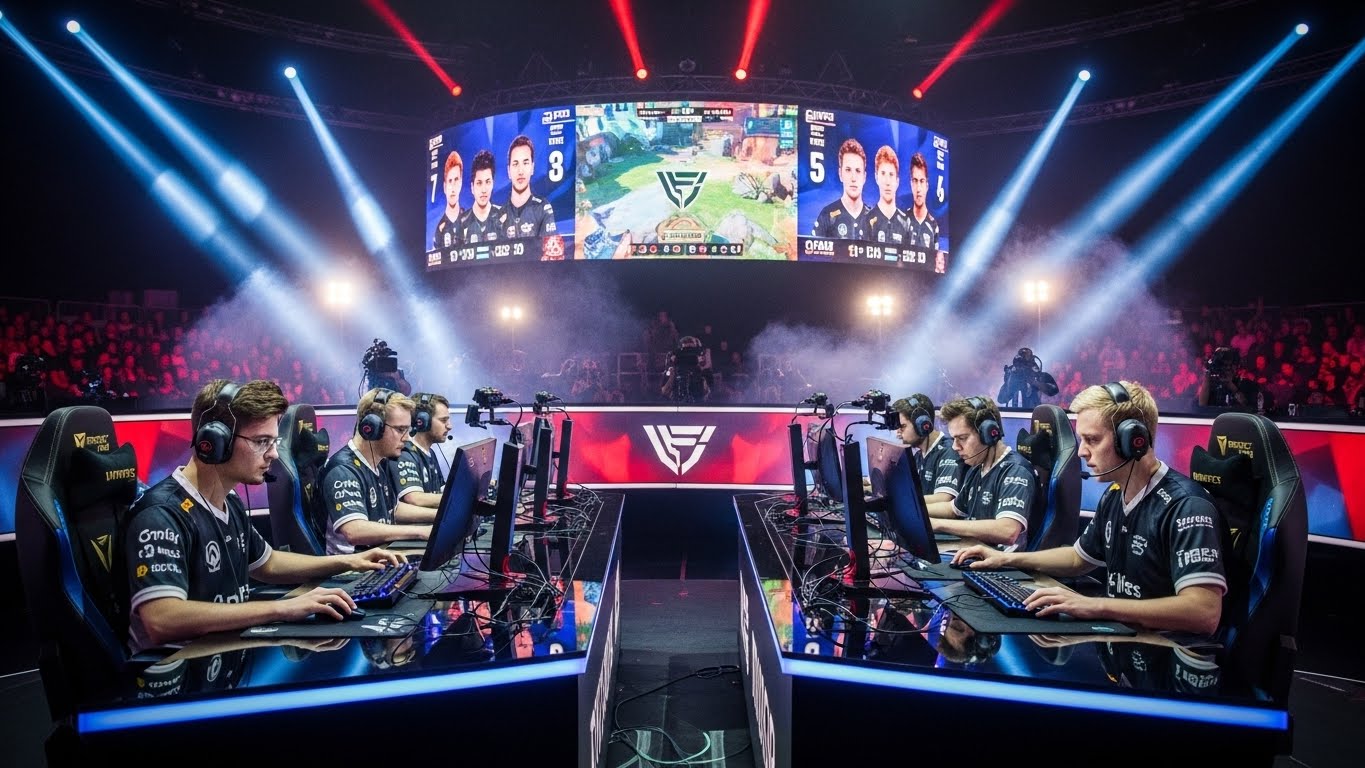
Esports, short for electronic sports, is no longer a niche activity restricted to small gaming communities. It has evolved into a multi-billion-dollar industry with a global reach, massive fanbase, and professional players that rival traditional sports figures in terms of popularity. The esports industry is thriving, growing at an unprecedented rate, and is beginning to reshape the landscape of competitive gaming, entertainment, and even traditional sports. This blog delves into the rise of esports, the key elements that make it so appealing, and what the future holds for this digital phenomenon.
The Evolution of Esports
Esports, as a formalized concept, began taking shape in the late 1990s with the rise of online gaming and multiplayer platforms. Games like StarCraft, Quake, and Warcraft were among the early pioneers in the competitive gaming world. Players from around the world could connect, battle it out, and compete for top spots in local and regional tournaments.
However, it wasn’t until the mid-2000s that esports started gaining more mainstream attention. Platforms like Twitch, which was launched in 2011, provided a global stage for gamers to stream their matches and create content. This shift towards streaming and broadcasting led to the creation of large esports tournaments like The International for Dota 2, League of Legends World Championship, and Overwatch League, attracting both online audiences and corporate sponsorships.
The mainstream recognition of esports in the last decade has been fueled by several factors: increasing internet speeds, the ubiquity of mobile devices, and the ability for anyone to access and engage with professional gaming. Today, esports is not just a hobby, but a full-fledged career path for professional players, streamers, and content creators alike.
The Key Components of Esports
Esports is more than just playing video games. Several critical components come together to make this phenomenon both a spectacle and a business.
Professional Players and Teams
The backbone of the esports industry is its players. These individuals are not just hobbyists; they are professional athletes who dedicate hours of practice and training to hone their skills in competitive gaming. Esports players typically specialize in one game or a genre of games, often competing in team-based titles like League of Legends, Counter-Strike: Global Offensive, and Call of Duty, or in battle royale games like Fortnite and Apex Legends.
Esports teams operate much like traditional sports teams, with coaches, analysts, managers, and even psychologists to help players perform at their best. Just as in traditional sports, teamwork, strategy, and individual performance are critical to success. For instance, top teams like Team Liquid, Fnatic, and Cloud9 have earned millions of dollars in sponsorships and prize money by winning prestigious tournaments.
Streaming Platforms and Content Creation
Platforms like Twitch and YouTube Gaming have revolutionized how fans interact with their favorite players and tournaments. These platforms allow users to watch live gameplay, behind-the-scenes footage, and expert commentary. The rise of streamers—individuals who broadcast their gaming sessions and interact with their audience—has become an essential aspect of esports culture.
Popular streamers like Ninja, Shroud, and Pokimane have turned gaming into a full-time career, attracting sponsorships, endorsement deals, and millions of viewers globally. Content creation has become a viable path for esports players, influencers, and fans to engage with the ecosystem and grow the overall reach of the industry.
Tournaments and Leagues
Esports tournaments are the heart of the competitive scene. These events bring together the best players from around the world to compete for glory and huge prize pools. Some of the most iconic tournaments include The International (Dota 2), League of Legends World Championship, and Fortnite World Cup. These events often attract millions of viewers and are broadcasted globally on streaming platforms, television networks, and social media.
Professional esports leagues are also becoming more organized, much like the structure of traditional sports. The Overwatch League and Call of Duty League have created city-based teams and regular seasons, while LCS (League of Legends Championship Series) and LCK (League of Legends Champions Korea) have established high-level competition with consistent schedules and global participation.
The stakes are high, and the rewards are equally substantial. Players and teams can earn millions in prize money, sponsorships, and endorsements, with some esports professionals becoming household names.
Sponsors and Revenue Streams
Corporate sponsorships and advertising play a significant role in the financial success of the esports industry. Major global brands such as Coca-Cola, Intel, Nike, and Red Bull have invested heavily in esports, forming partnerships with teams, tournaments, and content creators. These sponsorships not only provide funding for events but also increase the legitimacy of esports as a professional and mainstream form of entertainment.
In addition to sponsorships, esports has multiple revenue streams, including ticket sales, merchandise, media rights, and streaming platforms. In fact, the majority of revenue for large esports tournaments and leagues comes from broadcasting rights, similar to traditional sports. Media companies and digital platforms are increasingly interested in securing exclusive streaming rights for esports events, further driving revenue and visibility.
The Global Impact of Esports
The global nature of esports is one of the reasons it has seen such rapid growth. Unlike traditional sports, esports is not bound by geographic location, and players can compete against one another from anywhere in the world. This has led to an expansive fanbase that spans continents, with particularly strong followings in countries like South Korea, China, the United States, and Europe.
Esports has also helped bridge cultural gaps and foster a sense of community. The shared love of gaming transcends borders, bringing together people of all ages and backgrounds to support their favorite teams or watch live tournaments. Language barriers are minimized through the universal appeal of the games themselves and the shared excitement of competition.
Moreover, esports has found a particularly strong following among younger generations, with millennials and Gen Z being the primary demographic. This generation’s familiarity with digital platforms and gaming culture has helped esports thrive, as younger audiences are more likely to embrace digital content, streaming, and online communities.
Esports and Education
In recent years, esports has also made its way into education. High schools and universities are increasingly offering esports programs, with some institutions even providing scholarships for aspiring professional gamers. Esports clubs and teams are cropping up on campuses worldwide, and competitive gaming is being integrated into academic curriculums to teach students about teamwork, strategy, and digital literacy.
The inclusion of esports in educational institutions signals a recognition of the growing importance of gaming as a legitimate career path. Universities like the University of California, Irvine, and the University of Akron offer specialized esports programs and have built state-of-the-art gaming arenas for students. This development further legitimizes esports as not just a form of entertainment but also an avenue for professional and academic growth.
Challenges Facing the Esports Industry
While the growth of esports has been impressive, the industry is not without its challenges. One of the most pressing concerns is the lack of regulation. Unlike traditional sports, which have established governing bodies and rules, esports tournaments can vary in terms of competition formats, prize distribution, and player contracts. The absence of a central governing entity has led to inconsistencies and potential exploitation of players, particularly in lesser-known leagues and events.
Additionally, issues like player burnout, mental health concerns, and the potential for cheating and match-fixing have raised ethical questions within the industry. As esports continues to grow, there will need to be better player protection mechanisms, clear rules, and standardized regulations to ensure the long-term sustainability of the ecosystem.
The Future of Esports
As we look to the future of esports, the potential for growth is immense. With advancements in technology, including virtual reality (VR) and augmented reality (AR), esports could become even more immersive and interactive. Imagine watching a tournament in a fully immersive VR environment or being able to interact with players and commentators in real-time through AR.
The rise of mobile esports is another exciting frontier. Games like PUBG Mobile and Clash Royale are already proving that competitive gaming can extend beyond high-powered PCs and consoles. With smartphones becoming more powerful and ubiquitous, mobile esports could become a dominant force in the coming years.
Additionally, the continued integration of esports into traditional sports broadcasts, as well as the potential for inclusion in the Olympics, could signal a new era for the industry. This could lead to a broader recognition of esports as a legitimate form of competition on par with traditional sports, opening doors to new sponsorships, partnerships, and viewership opportunities.
Conclusion
Esports has rapidly evolved from a hobby into a global phenomenon, attracting millions of fans, players, and investors. The industry’s rapid growth and potential for expansion show no signs of slowing down. As it continues to grow in scope, organization, and revenue, esports is carving out its place as a legitimate and respected form of entertainment, both for fans and professional athletes.
With the increasing role of technology, mobile gaming, and media integration, the future of esports is incredibly exciting. As we continue to witness the rise of esports across all corners of the globe, there’s no doubt that this digital arena will continue to captivate audiences, empower players, and reshape the future of sports and entertainment.