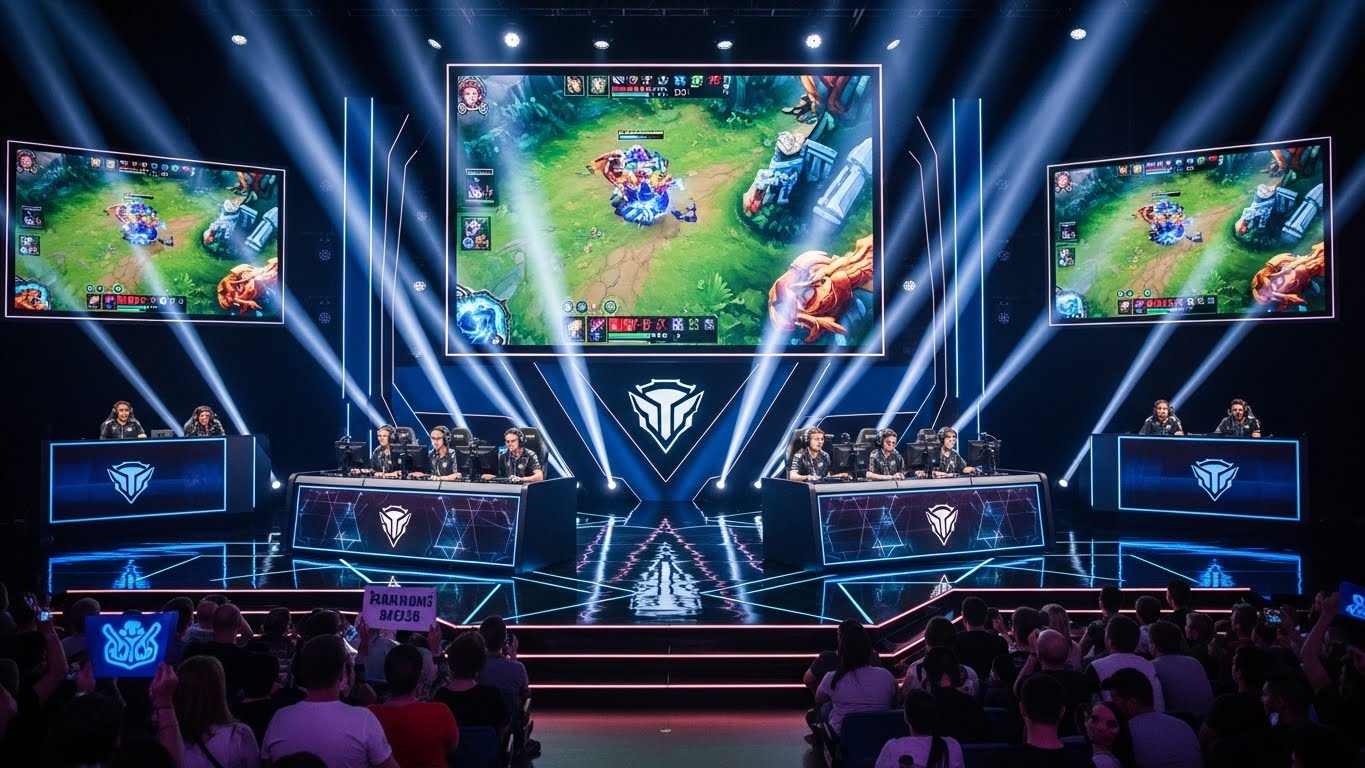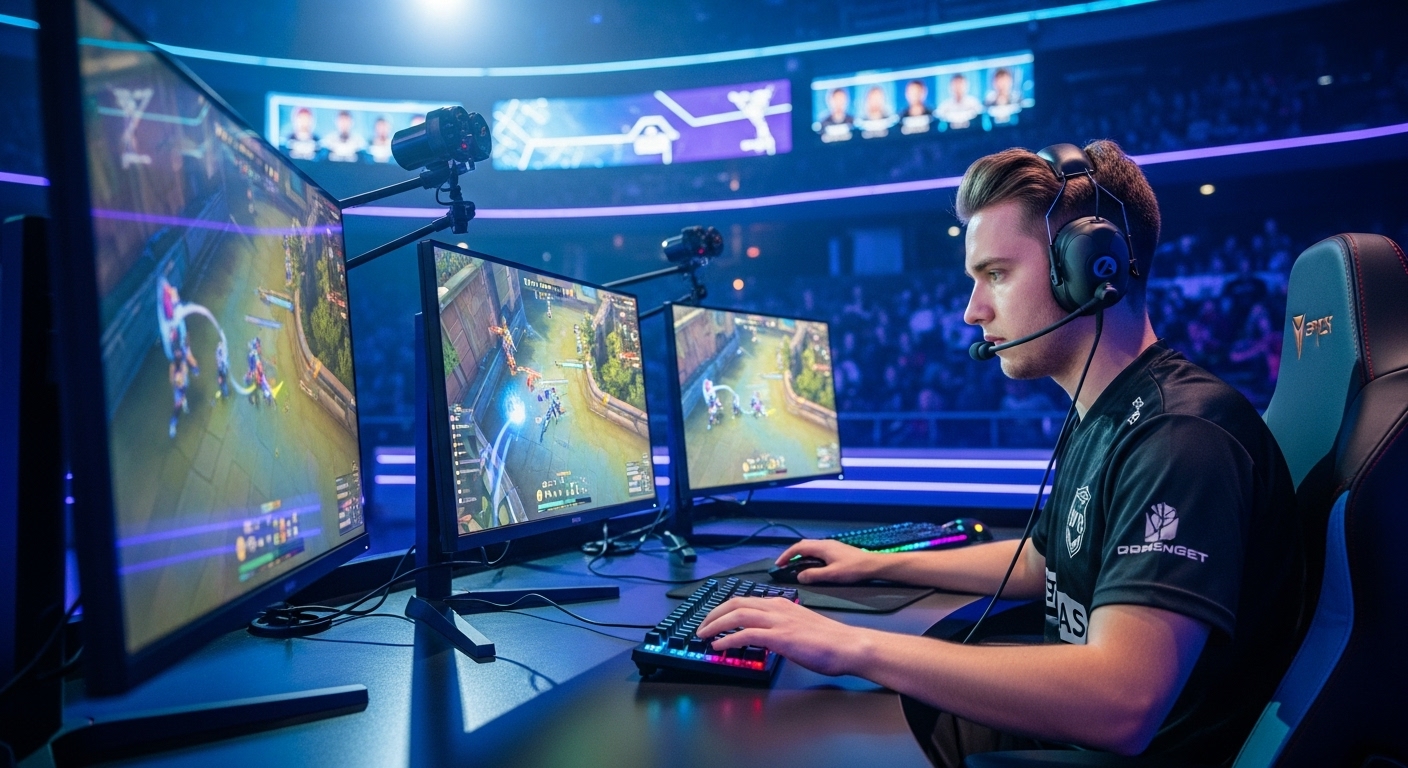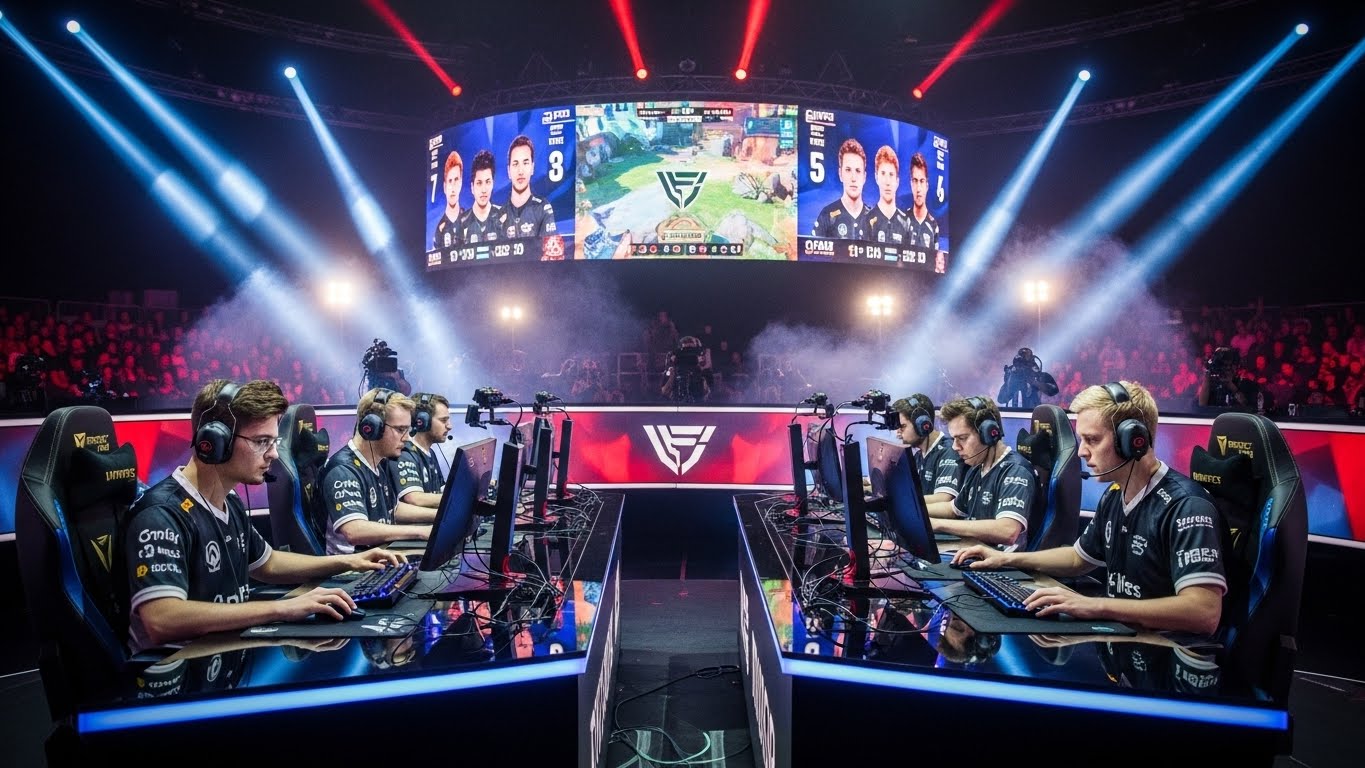

Competitive gaming, often known as esports, has undergone a remarkable transformation over the last decade. What was once a niche hobby has evolved into a global phenomenon with millions of players and viewers worldwide. One of the most significant drivers behind this evolution is the integration of Artificial Intelligence (AI) into gaming strategies. AI is reshaping how players approach games, analyze opponents, and train for competitions, fundamentally changing the landscape of esports. This blog post explores the profound impact AI has on competitive gaming strategies, diving into how it enhances player performance, revolutionizes coaching, influences game design, and raises ethical questions.
The Rise of AI in Competitive Gaming
Artificial Intelligence refers to computer systems capable of performing tasks that typically require human intelligence, such as problem-solving, pattern recognition, and decision-making. In esports, AI technology is applied in various forms — from training bots and analytics tools to real-time decision assistance.
The rise of AI in gaming parallels advances in machine learning, deep learning, and big data analytics. These technologies enable AI to learn from vast amounts of data, identifying patterns and making predictions that human players might miss. The result is a powerful ally for gamers seeking to gain an edge over their competition.
How AI Enhances Player Performance
One of the most visible impacts of AI in competitive gaming is its ability to improve individual player performance. Professional gamers often spend countless hours analyzing replays, studying opponents, and refining their mechanics. AI tools can accelerate and enhance these processes.
For example, AI-powered analytics platforms can break down player performance metrics, highlighting strengths and weaknesses. These platforms use machine learning to track in-game actions, decision-making patterns, and reaction times. They can pinpoint specific moments where a player’s performance dipped or excelled, offering targeted advice for improvement.
Moreover, AI training bots simulate real player behaviors and tactics, allowing gamers to practice against dynamic and challenging opponents. Unlike traditional bots with scripted behaviors, AI bots adapt their strategies based on player actions, providing a more realistic training environment.
Revolutionizing Coaching and Team Strategy
Coaches play a crucial role in esports, much like in traditional sports. They develop strategies, analyze competitors, and motivate players. AI is transforming coaching by offering new tools that make analysis faster and more precise.
AI-powered software can scan hundreds of hours of gameplay footage, extracting actionable insights far beyond what human coaches can manually accomplish. These insights include identifying opponent tendencies, predicting strategic moves, and suggesting counter-strategies.
Furthermore, AI helps in drafting team compositions and optimizing player roles. Many competitive games involve complex character or hero selections, where synergy and counters are critical. AI algorithms analyze vast databases of past matches to recommend the best combinations tailored to a team’s style and the opponent’s likely picks.
Changing the Meta: AI’s Influence on Game Strategies
The concept of “meta” in esports refers to the prevailing strategies and tactics considered most effective at a given time. AI’s analytical capabilities have a profound effect on the meta by uncovering new strategies or refining existing ones.
For instance, AI can simulate thousands of possible scenarios and outcomes, identifying strategies that human players might overlook. This leads to the discovery of innovative tactics, often pushing the boundaries of the game’s mechanics.
As AI continues to evolve, it also accelerates the pace of meta shifts. Strategies that dominate for months or years in the past may now be countered within weeks or even days, thanks to AI-driven analysis and dissemination of knowledge. This dynamic environment forces players and teams to stay constantly adaptive.
AI in Real-Time Decision Making
Beyond preparation and analysis, AI is beginning to assist in real-time decision-making during matches. Some professional teams use AI tools that analyze live data streams, providing suggestions or alerts about opponent movements, resource management, or timing for critical plays.
While AI is not yet allowed to directly influence player inputs during official matches for fairness reasons, its role in coaching booths and training sessions is growing. This technology gives teams an additional layer of strategic depth, helping them respond quickly and effectively to changing match conditions.
Ethical Considerations and Fair Play
The integration of AI in competitive gaming raises important ethical questions. How much assistance should AI provide? Where is the line between legitimate coaching tools and unfair advantages?
Tournament organizers and game developers face challenges in setting rules that balance innovation with fair competition. Some esports have strict regulations against using AI bots or software that automate gameplay or provide real-time advice during matches.
Moreover, the rise of AI-assisted cheating tools threatens the integrity of esports. Developers and security teams are continually working to detect and prevent AI-powered hacks, such as aim bots or wallhacks, which can ruin the competitive environment.
The Future of AI in Esports
Looking ahead, AI is poised to become an even more integral part of competitive gaming. Advances in natural language processing, computer vision, and reinforcement learning will enable AI to understand and respond to games with increasing sophistication.
We can expect AI to help create personalized training programs that adapt to each player’s unique style and progress. Virtual coaches powered by AI could provide 24/7 feedback and guidance, democratizing access to high-level coaching.
Additionally, AI could influence game design by assisting developers in balancing gameplay, creating smarter non-player characters, and generating new content dynamically.
Conclusion
Artificial Intelligence is transforming the world of competitive gaming in profound ways. From enhancing player performance and coaching to reshaping strategies and the meta, AI is becoming an indispensable tool for those seeking to excel in esports. However, this evolution also brings ethical challenges that the community must address to ensure fair play and integrity.
As AI technology continues to advance, the boundary between human skill and machine intelligence will blur, ushering in a new era of esports where players and AI collaborate to push competitive gaming to unprecedented heights. The future of esports is undeniably intertwined with AI, promising an exciting and dynamic journey for players, teams, and fans alike.