The Birth of Competitive Gaming
In the early days of video gaming, no one could have predicted that the same games once played casually at home would evolve into a billion-dollar industry watched by millions. The term “Esports” refers to organized, competitive video gaming, where players and teams compete professionally across various platforms and genres. Though it may seem like a modern phenomenon, the roots of Esports date back to the late 20th century, long before streaming platforms and massive audiences became part of the experience.
The first known gaming competition took place in 1972 at Stanford University. Students competed in the game Spacewar! for a year’s subscription to a magazine. It was a modest beginning, but it planted a seed for something much bigger. In the 1980s, with the rise of arcade gaming, titles like Pac-Man and Donkey Kong introduced high score competitions. Players began gathering in arcades to challenge one another, proving who could dominate the leaderboard. These humble origins set the stage for what would become a global sporting culture.
The Technological Boom and the Internet Revolution
The 1990s brought technological advancements that reshaped the gaming landscape. Home consoles like the Super Nintendo and Sega Genesis made gaming accessible to millions, while personal computers offered new opportunities for multiplayer gameplay. The introduction of local area network (LAN) gaming events created communities where players could compete face-to-face. Games like Doom and Quake became the centerpieces of early competitive gaming, fostering the first organized tournaments.
When the internet became more widespread, it revolutionized the Esports scene. Players no longer needed to gather physically to compete; they could now connect with opponents across the world. Online platforms allowed real-time multiplayer battles, and early Esports organizations began to take shape. South Korea, in particular, became a pioneering nation for Esports, with games like StarCraft turning professional gamers into celebrities. Internet cafés, known as PC bangs, became cultural hubs for competitive gaming, and televised tournaments attracted millions of viewers.
The Emergence of Professional Esports
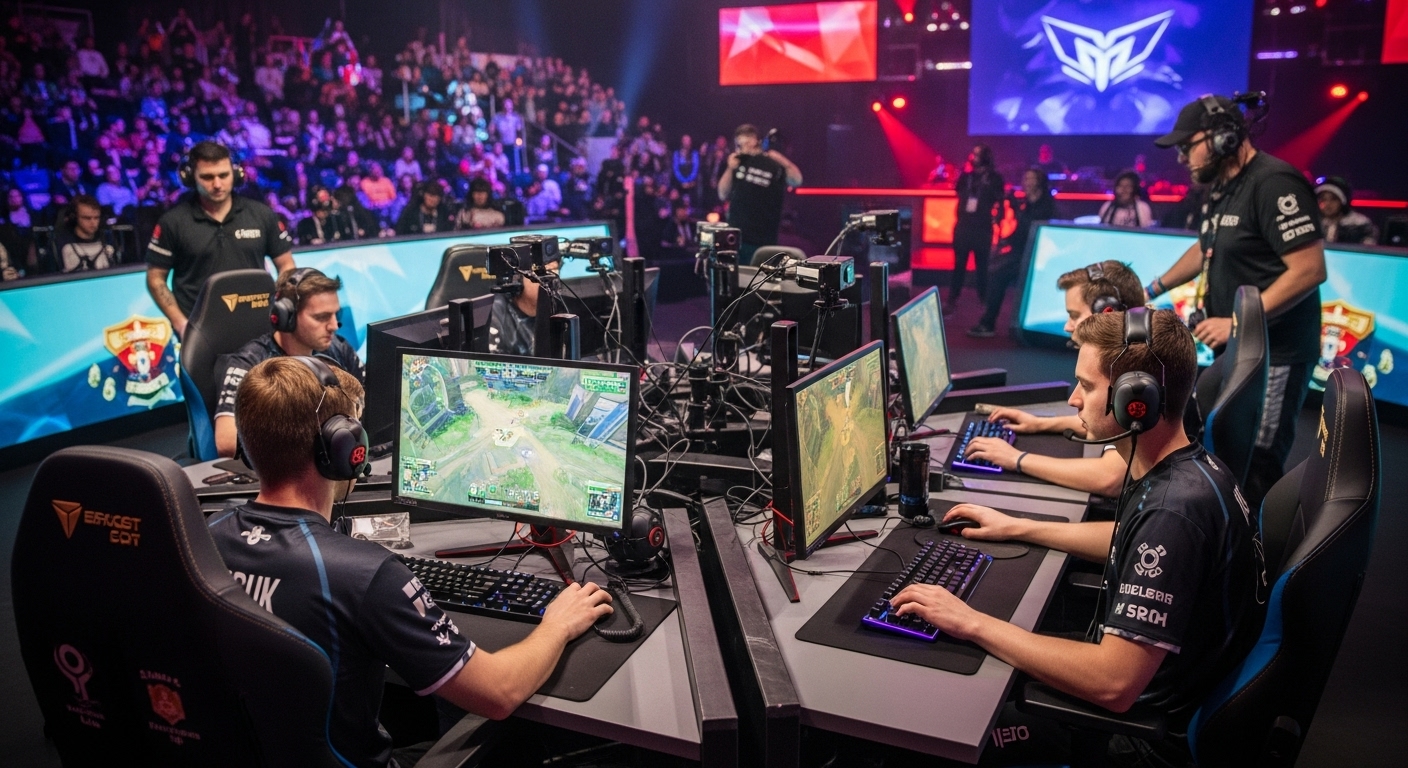
By the early 2000s, Esports had begun to transition from amateur hobby to professional sport. Dedicated teams, sponsorships, and prize pools began to appear. Organizations such as Major League Gaming (MLG) and World Cyber Games (WCG) formalized the competitive structure, introducing ranking systems and standardized tournaments. Players were now training for hours each day, honing their skills to perfection.
Games like Counter-Strike, Warcraft III, and Halo became defining titles of this era. Each had its unique competitive community, strategy, and culture. The early tournaments might not have had the production quality of modern-day events, but the passion and dedication of both players and fans were undeniable. This was the dawn of Esports as a legitimate career path.
In South Korea, Esports athletes began receiving recognition similar to traditional sports stars. The government acknowledged Esports as an official sport, paving the way for infrastructure that would support the industry’s growth. Training houses, team organizations, and even specialized coaches emerged, turning gaming into a highly disciplined pursuit.
Streaming Platforms and the Explosion of Viewership
A turning point in Esports history came with the advent of streaming platforms. Twitch, YouTube Gaming, and other streaming services transformed the way people consumed gaming content. Before this, watching Esports required attending live events or downloading large video files after tournaments. Now, fans could watch their favorite players compete in real time, interact with them through chat, and feel connected to the community.
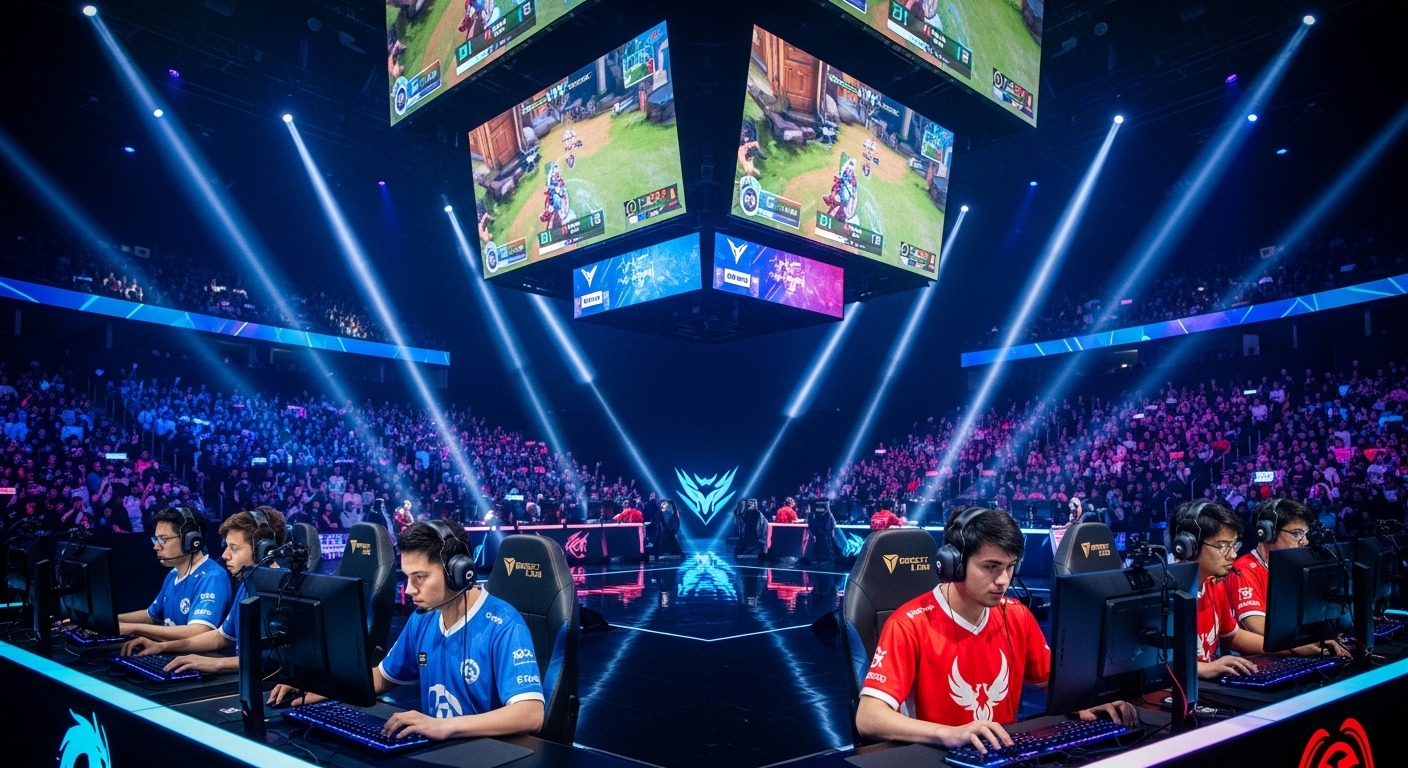
Streaming gave Esports visibility that was once unimaginable. Personalities like Ninja, Shroud, and Faker became global icons. Games such as League of Legends, Dota 2, and Overwatch attracted millions of concurrent viewers during championship events. The League of Legends World Championship, for instance, began to rival traditional sports in audience size, sometimes exceeding the Super Bowl in online viewership.
What made Esports unique wasn’t just the competition—it was the accessibility. Fans could watch tournaments from anywhere in the world, free of charge. Unlike traditional sports, where expensive broadcasting rights limited access, Esports embraced the digital era. This democratization of entertainment was a key factor in its exponential growth.
The Economics of Esports
Behind the excitement and competition lies a complex economic structure. Esports has become a multi-billion-dollar industry supported by sponsorships, advertising, media rights, and merchandise. Brands that once ignored gaming began investing heavily in it. Global companies like Coca-Cola, Intel, and Red Bull recognized the marketing potential of reaching younger audiences through Esports partnerships.
Prize pools skyrocketed. The International, the annual Dota 2 championship, became famous for its enormous rewards, reaching tens of millions of dollars funded by the community through in-game purchases. Players who once competed for bragging rights were now earning life-changing sums of money. Professional teams were valued in the hundreds of millions, with organizations such as Team Liquid, Fnatic, and T1 leading the charge.
But beyond money, Esports also became an ecosystem of opportunities. Event organizers, shoutcasters, analysts, coaches, and content creators all became integral to the industry. Esports is no longer just about the players—it’s an entertainment empire with production teams, marketing agencies, and even universities offering Esports degrees.
The Cultural Impact of Esports
The influence of Esports extends far beyond gaming. It has shaped popular culture, fashion, and even language. Phrases like “GG” (good game) and “nerf” (reduce power in a game) have entered mainstream usage. Esports athletes have collaborated with musicians, appeared in commercials, and even graced magazine covers. The once-niche world of competitive gaming has become a defining part of youth culture.
Esports has also redefined social dynamics. For many, gaming communities provide a sense of belonging and shared passion. Fans form friendships across continents, united by their love for a particular game or team. The sense of community is powerful—more inclusive and diverse than traditional sports in many ways.
Schools and universities worldwide have embraced Esports, recognizing its potential for teamwork, discipline, and problem-solving. Scholarships are now offered to talented players, and varsity Esports teams compete just like football or basketball squads. This institutional acceptance signals that Esports is not a passing trend but a lasting cultural force.
The Role of Media and Storytelling
Esports thrives on narratives—the rise of an underdog team, the dominance of a superstar player, or the heartbreak of a narrow loss. These stories fuel fan engagement and emotional investment. Documentaries, social media campaigns, and highlight reels capture these moments, making Esports more relatable to a broader audience.
Media coverage has evolved alongside the industry. Traditional sports networks once skeptical of gaming now broadcast Esports tournaments. Streaming platforms have developed advanced production standards, with professional commentators, replays, and camera angles rivaling any televised sport. This professionalization has helped legitimize Esports in the eyes of the general public.
Moreover, the personalities behind the screen—streamers, influencers, and players—have become cultural ambassadors. Their authenticity and direct connection with audiences create a powerful form of engagement that traditional celebrities often lack. Fans don’t just watch them play; they follow their journeys, struggles, and triumphs.
Globalization and Regional Diversity
Esports is truly a global phenomenon. Different regions have contributed uniquely to its development. Asia, particularly South Korea and China, remains a dominant force, producing world-class talent and hosting massive events. North America and Europe have developed strong infrastructures, with leagues such as the Overwatch League and the LCS creating professional systems akin to the NBA or NFL.
Meanwhile, regions like Southeast Asia, the Middle East, and Latin America are experiencing rapid growth. Mobile Esports, in particular, has democratized competitive gaming in areas where consoles and PCs are less common. Titles like PUBG Mobile and Mobile Legends have introduced millions of new fans to Esports, expanding its reach far beyond traditional platforms.
Cultural differences also influence how Esports is consumed and celebrated. In some countries, it is treated as an entertainment spectacle, while in others, it carries the prestige of a national sport. Despite these variations, the shared passion for gaming unites players and fans across linguistic and cultural boundaries.
Challenges in the Esports Industry
While Esports continues to soar, it faces challenges that accompany rapid growth. Player burnout is a serious concern. The intense training schedules, long travel times, and pressure to perform can take a toll on mental and physical health. Unlike traditional sports, where athlete welfare has long been institutionalized, Esports is still catching up in providing adequate support systems.
Another challenge is sustainability. Some games fade in popularity, leaving teams and organizations scrambling to adapt. The volatile nature of the gaming industry means that trends shift quickly, and what’s popular today may be forgotten tomorrow. This unpredictability requires adaptability and innovation from Esports organizations.
Integrity and regulation are also critical issues. Match-fixing, cheating, and performance-enhancing substances have occasionally surfaced, threatening the credibility of competitions. Ensuring fair play and consistent rules across international tournaments is essential for maintaining trust among fans and sponsors.
Moreover, diversity and inclusion remain ongoing conversations within the community. While Esports has made progress in welcoming players from diverse backgrounds, there is still work to be done in addressing gender disparities and creating safe, supportive environments for all participants.
The Role of Technology in Shaping the Future
Esports owes much of its success to technological innovation, and the future will continue to be shaped by emerging technologies. Virtual reality (VR) and augmented reality (AR) promise to create more immersive experiences for both players and spectators. Cloud gaming could make high-end performance accessible to anyone with a stable internet connection, breaking down hardware barriers.
Artificial intelligence is also transforming Esports analytics. AI-driven tools can analyze player performance, predict opponent behavior, and provide data-driven insights for training. This level of precision gives professional teams a competitive edge, much like analytics in traditional sports.
On the audience side, interactive features will redefine engagement. Viewers may soon have the ability to choose in-game camera perspectives, interact with players in real time, or participate in virtual fan zones. The line between spectator and participant will continue to blur, making Esports an even more dynamic form of entertainment.
Esports and Education
One of the most inspiring developments in recent years is the integration of Esports into education. Schools and universities recognize the cognitive, strategic, and teamwork skills developed through gaming. Programs teach leadership, communication, and digital literacy using Esports as a tool for engagement.
Educational institutions are also creating pathways for careers in the gaming industry, from event management to game design and broadcasting. Esports provides a practical platform for developing modern skills relevant to digital economies. By treating gaming as a legitimate educational tool, societies are redefining the relationship between technology, play, and learning.
Esports and Traditional Sports: Convergence or Competition?
The relationship between Esports and traditional sports is often portrayed as competitive, but in reality, it is increasingly collaborative. Many sports organizations have entered the Esports space, seeing it as an opportunity to connect with younger audiences. Football clubs, basketball teams, and even Formula 1 have launched their own Esports divisions.
Athletes from traditional sports have also become investors in gaming organizations, recognizing the parallels between athletic discipline and competitive gaming. Both worlds value strategy, teamwork, and mental resilience. As a result, the line between physical and digital sports continues to blur, leading to mutual respect and integration.
The Global Pandemic and Esports Resilience
When the COVID-19 pandemic brought much of the world to a standstill, Esports demonstrated remarkable resilience. While traditional sports leagues were forced to halt operations, Esports quickly adapted to online formats. Major tournaments continued virtually, maintaining fan engagement and proving the industry’s flexibility.
During this period, Esports also served as a social connector. People turned to gaming not only for entertainment but also for community and mental health. This era underscored the role of Esports as more than just competition—it became a means of human connection during isolation.
The Future of Esports: Boundless Potential
Looking ahead, the future of Esports appears limitless. As technology evolves and global interest expands, Esports will continue to redefine entertainment. Governments are recognizing its potential, cities are building Esports arenas, and the possibility of Esports inclusion in the Olympic Games is increasingly discussed.
The next decade will likely see greater professionalism, better player welfare, and more structured leagues. The storytelling aspect will deepen, connecting fans emotionally to the journeys of teams and players. Esports may even merge with emerging technologies like blockchain for innovative monetization and fan engagement models.
But perhaps the most exciting prospect is the continued inclusivity of Esports. Anyone with skill, dedication, and passion can rise from obscurity to global fame. The playing field is digital, but the emotions it evokes are universal.
Conclusion
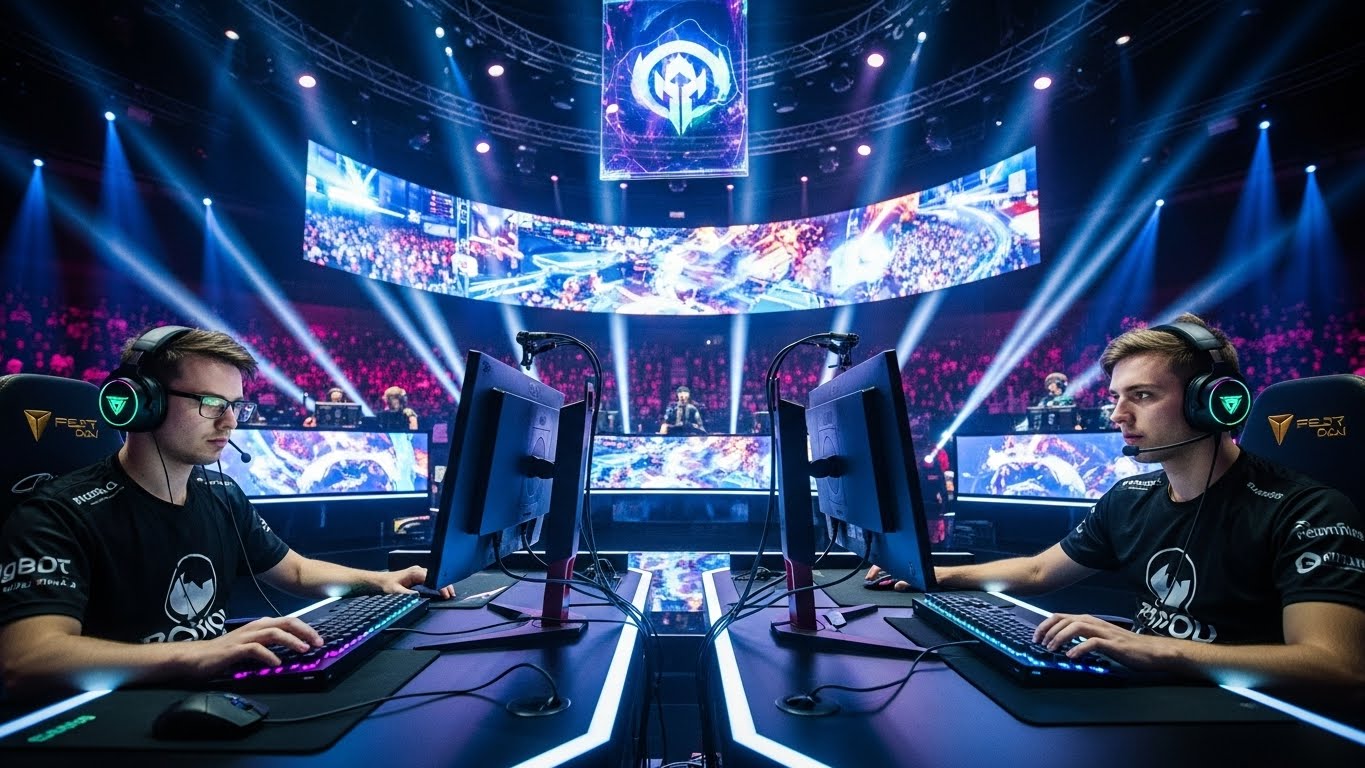
Esports has evolved from a niche pastime into one of the most influential cultural and economic forces of the 21st century. It represents the convergence of technology, competition, and community on a global scale. What began as friendly matches in arcades has transformed into world championships that captivate millions.
As the industry continues to mature, its impact on society, education, and entertainment will only deepen. Esports is not just the future of gaming—it is the future of how we play, connect, and experience competition in an increasingly digital world. The story of Esports is still being written, and its next chapters promise to be even more thrilling than the last.