Over the past two decades, esports has evolved from a niche hobby to a global entertainment powerhouse. What started as small, localized tournaments between gamers has exploded into an industry worth billions of dollars, attracting massive audiences, professional teams, and high-profile sponsorships. Esports, which refers to organized competitive video gaming, has grown far beyond its initial fanbase of tech enthusiasts and gamers. Today, esports is a mainstream phenomenon, influencing not just the gaming world but also the broader entertainment industry.
In this blog post, we will explore the rise of esports, the factors that have contributed to its growth, its cultural significance, and its potential for the future. Whether you’re a long-time fan of gaming or just discovering the world of esports, this comprehensive guide will provide an in-depth look at the forces shaping the future of competitive gaming.
The Origins of Esports: From Arcade Competitions to Global Leagues
The history of esports can be traced back to the early days of video gaming. While competitive gaming in some form existed as far back as the 1970s, it was in the 1990s that esports began to take shape. Early video game competitions were often small, informal events, held in arcades or through LAN (local area network) parties. Gamers would gather together to compete in games like Doom, Quake, and StarCraft, the first titles to gain a competitive following.
The first major milestone in esports history occurred in 1997 with the creation of the Red Annihilation tournament for Quake, which attracted players from around the world. In 1999, the Cyberathlete Professional League (CPL) was founded, marking the beginning of professional competitive gaming organizations. The CPL held the first major esports tournaments and started to offer cash prizes, establishing the idea that gamers could make money through competitive play.
By the early 2000s, games like StarCraft: Brood War in South Korea and Counter-Strike worldwide became popular among competitive players. South Korea, in particular, embraced esports early on, with professional gaming leagues like the Korean e-Sports Association and televised gaming competitions. The rise of broadband internet and improvements in gaming technology made it possible for players to compete on a global scale, and it was clear that esports was more than just a passing trend.
The Growth of Online Streaming and Its Impact on Esports
One of the most significant factors in the rise of esports has been the growth of online streaming platforms, most notably Twitch. Twitch, launched in 2011, revolutionized the way gaming content is consumed by providing a platform where gamers could broadcast their gameplay to a global audience. Esports events and tournaments were no longer limited to physical arenas or localized viewing parties—they could now be streamed live to millions of viewers across the globe.
Twitch, along with other platforms like YouTube Gaming, allowed players to connect with their audiences in real-time. This shift from traditional broadcasting to digital streaming was a game-changer for esports, making it easier for fans to follow their favorite players, watch live events, and interact with other fans. The ability to watch a League of Legends tournament or a Dota 2 match live, with commentary and analysis, added a layer of excitement and engagement that traditional sports broadcasts struggled to replicate.
The availability of streaming platforms also gave rise to the phenomenon of “streaming personalities” or “content creators.” These influencers not only showcased their gameplay but also built communities around their channels. Gamers like Ninja (Tyler Blevins), Shroud (Michael Grzesiek), and Pokimane (Imane Anys) became household names, reaching millions of fans across various platforms. The success of these content creators helped further legitimize esports as a mainstream form of entertainment.
Professionalization of Esports: Teams, Sponsorships, and Major Tournaments
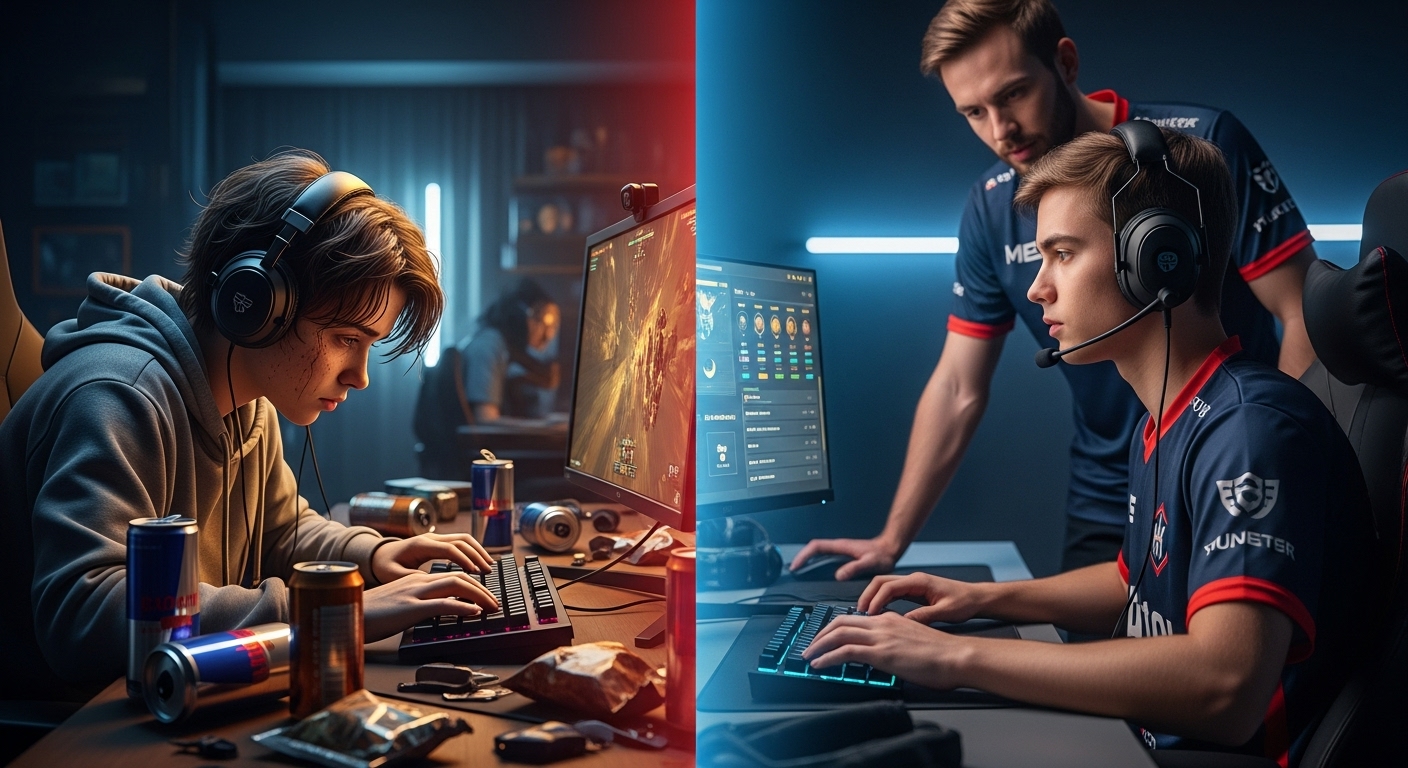
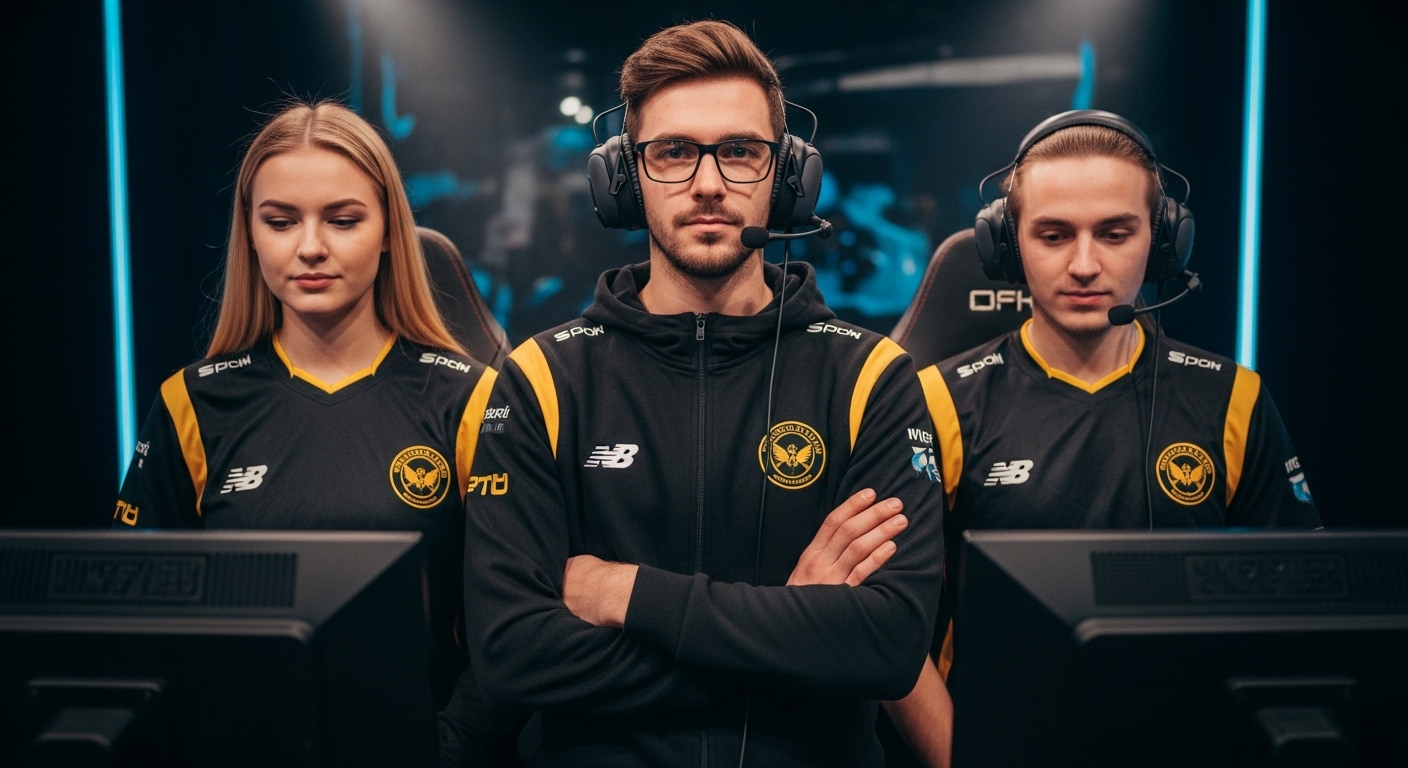
As esports grew in popularity, it attracted attention from traditional sports organizations, corporate sponsors, and investors. The professionalization of esports has been a key driver of its rapid growth. Today, esports organizations are often structured similarly to traditional sports teams, with coaches, managers, analysts, and sponsorship deals. These teams compete in organized leagues and tournaments, and players can earn salaries, bonuses, and endorsement deals.
One of the most well-known esports leagues is the League of Legends Championship Series (LCS), which has become one of the premier esports competitions in the world. Overwatch League, launched by Blizzard Entertainment in 2018, is another major league that has attracted top players and teams from around the globe. These leagues have not only provided stability and structure to competitive gaming but have also turned esports into a spectator sport, with dedicated fans tuning in to watch professional gamers compete at the highest levels.
Major esports tournaments have become large-scale events that fill arenas and draw massive audiences. The Dota 2 International, held annually, is one of the largest esports tournaments in the world, offering multi-million dollar prize pools. Similarly, the Fortnite World Cup and Call of Duty League have attracted top-tier players and large fanbases. These tournaments have become celebrations of gaming culture, where fans come together to celebrate their favorite games and players.
Corporate sponsorships have played a massive role in the growth of esports. Brands like Coca-Cola, Intel, Nike, and Red Bull have all partnered with esports teams and events, signaling the increasing mainstream acceptance of competitive gaming. Esports is now viewed as a legitimate advertising medium, with companies keen to tap into the massive, engaged fanbase.
The Cultural Impact of Esports: A New Generation of Fans
Esports is not just a form of entertainment—it has become a cultural force, influencing everything from social media trends to the way young people view career opportunities. The rise of esports has contributed to a broader acceptance of gaming as a legitimate form of entertainment and skill development.
Unlike traditional sports, esports is highly inclusive. Players come from all walks of life, and the barriers to entry are lower than in physical sports. All you need is a computer or gaming console and an internet connection to start playing competitively. As a result, esports has attracted a diverse fanbase that spans continents and cultures.
The fan experience in esports is also unique. Fans are not just passive observers—they often engage directly with players and teams through social media platforms, Twitch streams, and fan forums. This level of interaction between players and their fans creates a sense of community and belonging that is often absent in traditional sports. Fans can watch their favorite players live, communicate with them in real-time, and even influence the outcome of events by supporting specific teams or players.
Esports has also been instrumental in shaping the way young people view careers. Just as traditional sports stars are idolized by young fans, esports athletes are now seen as role models and influencers. The rise of professional gamers and streamers has created new career paths in the gaming industry, including content creation, coaching, event organizing, and esports journalism. The visibility of esports has opened doors for aspiring players and content creators who may have once viewed gaming as a hobby, not a viable career.
The Globalization of Esports: Connecting Cultures Through Gaming
One of the most remarkable aspects of esports is its ability to transcend geographical boundaries and bring together people from different cultures and backgrounds. In contrast to traditional sports, which are often limited by regional or national boundaries, esports has become a truly global phenomenon. Online platforms allow players from around the world to compete in real-time, while international tournaments bring together the best players to compete for global recognition and multi-million dollar prizes.
The globalization of esports has also fostered cross-cultural collaboration. Teams, players, and fans from different countries regularly interact, creating a vibrant and diverse community. Esports tournaments are now held in major cities across the globe, from Los Angeles to Seoul, from Berlin to Shanghai. The ability to connect with fans and players from different countries has made esports one of the most culturally inclusive entertainment industries in the world.
Esports’ global reach is further amplified by the rise of mobile gaming. Games like PUBG Mobile and Free Fire have created a massive gaming community in regions like Southeast Asia, India, and Latin America. These games have helped introduce esports to regions where traditional gaming had less of a presence, making esports truly a global sport.
The Future of Esports: New Opportunities and Challenges
As esports continues to grow, its future is filled with both opportunities and challenges. On the one hand, the industry shows no signs of slowing down. The increasing popularity of mobile gaming, the continued expansion of streaming platforms, and the integration of esports into traditional media are all promising developments. Esports may eventually become a fixture in the Olympic Games, and virtual reality could further revolutionize the way fans experience competitive gaming.
On the other hand, the rapid growth of esports has also created challenges. Issues such as player burnout, online toxicity, and the need for better regulation and oversight are becoming more pressing. The lack of a unified global governing body for esports means that there are inconsistencies in rules, prize distribution, and player rights, which could undermine the long-term stability of the industry.
Additionally, as esports continues to attract larger audiences and bigger sponsors, there is a risk that the industry could become overly commercialized, losing the grassroots, community-driven aspects that made it so appealing in the first place. The balance between commercialization and maintaining a sense of authenticity will be crucial in determining the future direction of esports.
Conclusion: Esports as the Future of Competitive Entertainment
Esports is no longer just a niche subculture; it is a global phenomenon that has firmly established itself as a legitimate form of entertainment. With its professional leagues, international tournaments, and massive online fanbase, esports is shaping the future of competitive gaming and sports entertainment. As technology continues to advance and new gaming experiences emerge, esports will likely continue to grow and evolve, providing new opportunities for players, teams, sponsors,