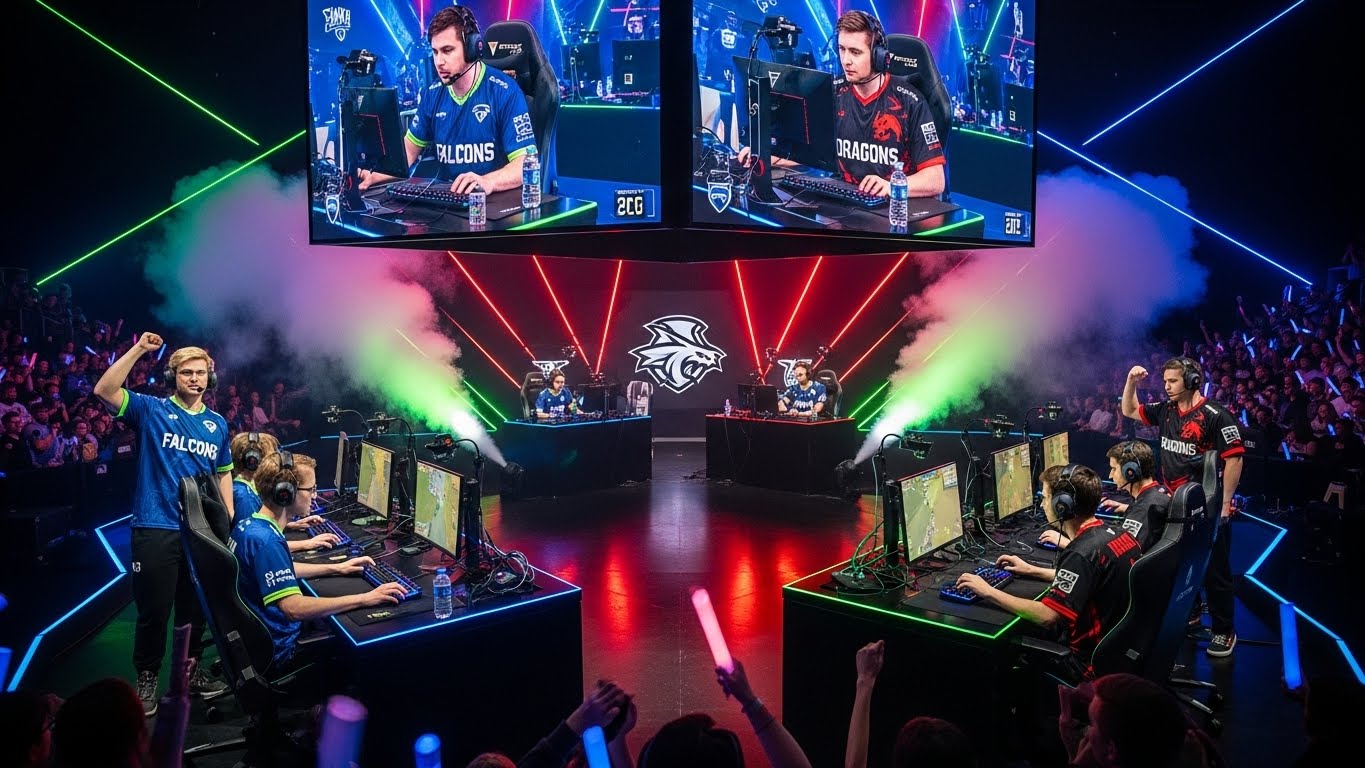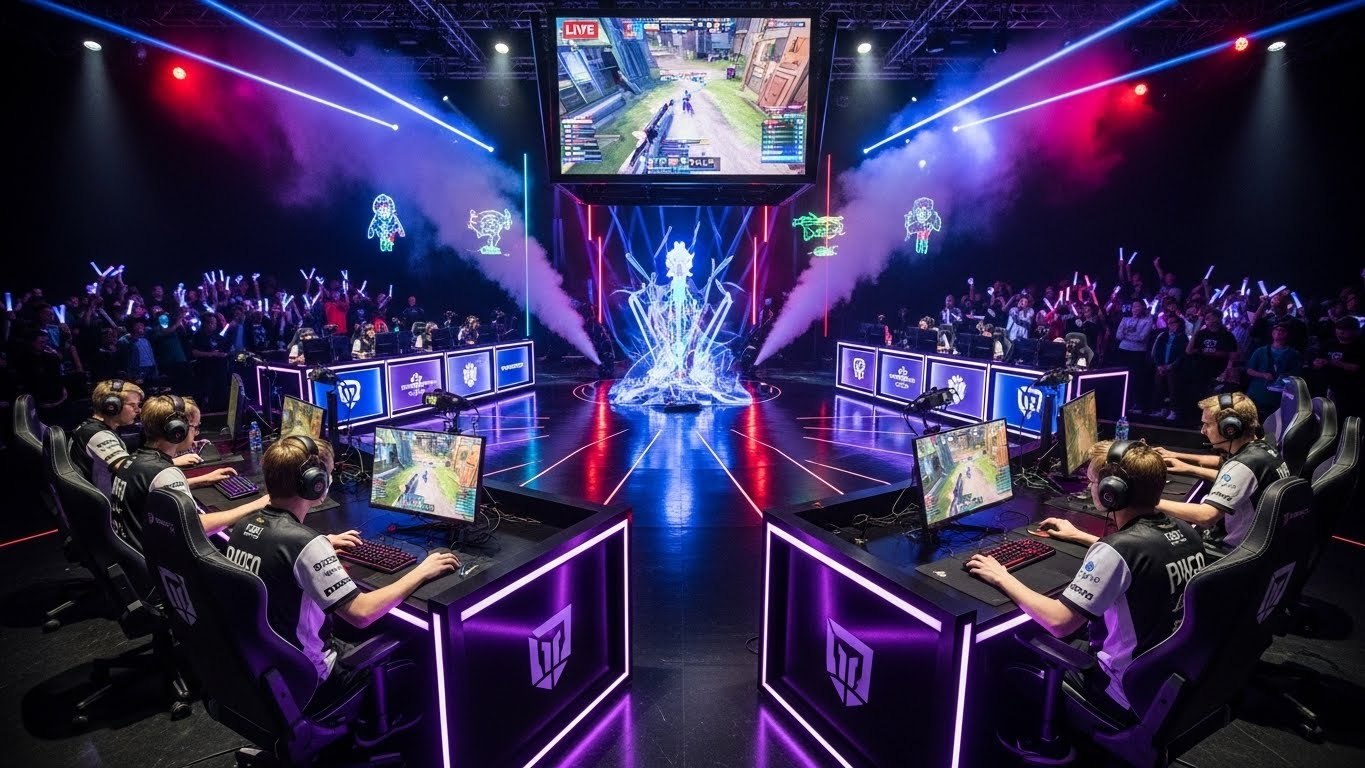
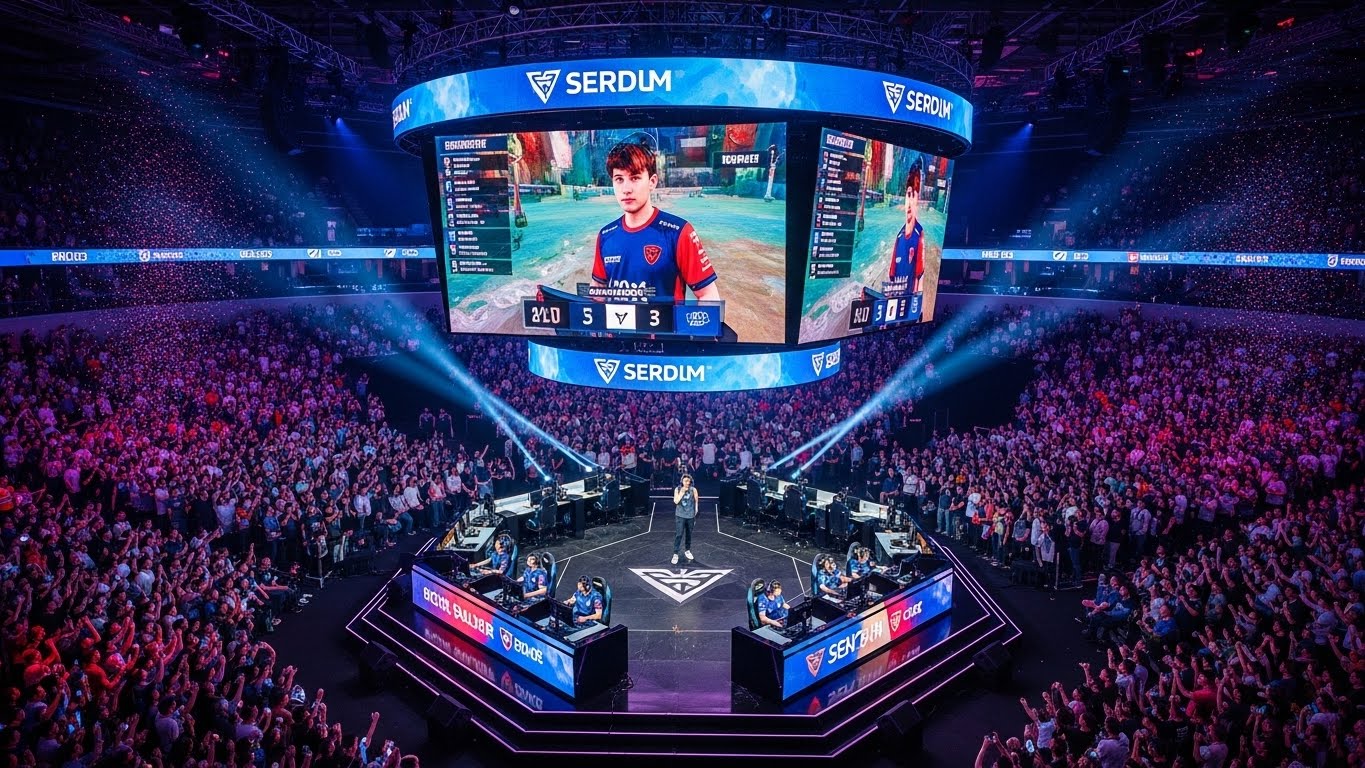
In recent years, the world has witnessed an explosive growth in a unique form of competition that blends technology, entertainment, and athleticism — eSports. What was once considered a niche interest is now a booming industry, attracting millions of players, fans, and sponsors globally. From professional gaming leagues to large-scale tournaments, eSports is carving out its place as a mainstream entertainment medium. But how did eSports evolve from hobbyist pastimes to global spectacles? This article delves into the history, cultural impact, economic growth, and future of eSports, offering a comprehensive look at this digital revolution.
What Exactly is eSports?
At its core, eSports (electronic sports) refers to competitive video gaming. It involves professional players or teams competing against each other in multiplayer video games, often for cash prizes, sponsorship deals, and global recognition. Unlike traditional video games, which are typically played casually, eSports focuses on strategic, competitive gameplay with a heavy emphasis on skill and teamwork. Some of the most popular eSports titles include League of Legends, Dota 2, Counter-Strike: Global Offensive (CS: GO), Overwatch, and Fortnite.
While casual gamers play for fun, eSports athletes train rigorously, competing in professional leagues, tournaments, and online competitions. These events are often broadcasted live, either on streaming platforms like Twitch or YouTube, or in large arenas, drawing in massive audiences from around the world.
The Evolution of eSports: From Hobby to Industry
The roots of eSports can be traced back to the early days of video gaming. In the 1970s and 1980s, gaming was primarily an individual activity, with games like Pong and Space Invaders becoming popular in arcades. However, it wasn’t until the late 1990s and early 2000s that the concept of competitive gaming began to take shape. Games like StarCraft and Warcraft led the charge, with players forming clans and organizing tournaments.
By the mid-2000s, the rise of broadband internet allowed for online multiplayer gaming, and platforms like Battle.net and Garena provided spaces for players to compete globally. It was during this time that professional eSports organizations began to form, and tournaments started offering cash prizes.
Fast forward to today, and eSports has become a global industry with millions of fans and a multi-billion-dollar revenue stream. Major tournaments like The International (for Dota 2), League of Legends World Championship, and The Overwatch League draw in audiences larger than those of traditional sports events.
The eSports Ecosystem: Teams, Players, and Tournaments
The world of eSports is built around several key components: professional players, teams, sponsors, and tournaments.
Professional Players
At the highest level of eSports, professional players are treated like athletes. These players dedicate hours each day to practicing and perfecting their craft. They participate in team scrims (practice sessions), study game strategies, and analyze opponents’ playstyles. The most successful players often become celebrities within the gaming community, with large social media followings and endorsement deals.
Many professional players are recruited by eSports organizations or teams, where they receive salaries, training, and resources to help them compete at the highest levels. While the majority of professional players are young (often in their teens or early twenties), some veterans of the industry continue to compete well into their thirties.
eSports Teams and Organizations
Like traditional sports, eSports has professional teams that represent brands and organizations. These teams consist of highly skilled players who work together to compete in tournaments and leagues. Some of the biggest eSports organizations include Team Liquid, Fnatic, Cloud9, and T1.
Teams typically focus on specific games and may have multiple rosters for different titles. Each team is backed by a support staff, including coaches, analysts, and managers, who help optimize strategies and improve team dynamics. These organizations often secure sponsorships from major brands like Nike, Intel, and Red Bull, providing financial support for the players and team operations.
Tournaments and Leagues
eSports tournaments are the heart of the competitive gaming scene. Some tournaments are local or regional events, while others are global spectacles. Major tournaments like The International and the League of Legends World Championship offer multi-million-dollar prize pools and attract millions of viewers worldwide.
Leagues, on the other hand, operate like traditional sports leagues, where teams compete in a season-long format. For example, the Overwatch League features city-based teams that compete throughout the year for the championship title. The format of these events creates a sense of continuity and excitement, similar to the seasons of football or basketball.
The Economic Boom of eSports
One of the most remarkable aspects of eSports is its meteoric economic rise. What started as an underground community is now a multibillion-dollar industry. According to a report from Newzoo, eSports revenue surpassed $1 billion globally in 2021, with projections indicating continued growth in the coming years. The revenue comes from various sources, including sponsorships, media rights, advertising, and merchandise sales.
Sponsorships and Partnerships
One of the primary drivers of eSports revenue is sponsorships. Major companies see the value in associating their brands with the excitement and energy of eSports. Companies like Coca-Cola, BMW, and Visa have all signed sponsorship deals with eSports organizations and tournaments. These partnerships help fund prize pools, provide financial support for players and teams, and expand the reach of eSports into new markets.
Media Rights and Streaming Platforms
Streaming platforms like Twitch, YouTube Gaming, and Facebook Gaming have become the go-to destinations for watching eSports. These platforms allow viewers to watch live tournaments, interact with players, and become part of the community. Media rights for eSports events have become increasingly valuable, with tournaments securing deals to broadcast their events on major platforms or even television networks.
In addition to streaming, traditional media outlets are starting to recognize eSports as a legitimate form of entertainment. Some major networks, such as ESPN, have started to broadcast live tournaments, further cementing eSports’ place in mainstream media.
The Impact of eSports on Society and Culture
eSports has significantly impacted popular culture, transforming the way people perceive gaming and its role in society. The rise of eSports has led to a shift in the narrative surrounding video games. Once considered a hobby for young, isolated individuals, gaming is now seen as a legitimate form of entertainment and competition.
The eSports Fanbase
The global eSports fanbase is diverse and passionate. Unlike traditional sports, where fans often support their local teams, eSports fans can support teams and players from across the world. Fans engage with eSports by attending live events, watching streams, participating in online forums, and purchasing merchandise. The eSports community thrives on interaction, with fans and players building close relationships through social media and live-streaming platforms.
eSports as a Career
As eSports continues to grow, it is becoming a viable career option for players, coaches, analysts, and broadcasters. Many aspiring gamers now see professional gaming as a realistic career path, leading to an increase in the number of young people pursuing eSports at the amateur and professional levels. Additionally, universities and colleges are beginning to offer eSports scholarships, further legitimizing eSports as a potential career.
The Inclusivity of eSports
Unlike many traditional sports, eSports is inherently more inclusive. Gender, race, and physical abilities often play less of a role in determining success in gaming. As a result, eSports provides opportunities for players from diverse backgrounds to compete on an equal footing. While there is still work to be done in terms of representation and inclusivity, eSports offers a unique platform for a wide range of individuals to showcase their skills.
The Future of eSports: What’s Next?
The future of eSports is exciting and full of possibilities. As technology continues to evolve, so too will the world of competitive gaming. Advances in virtual reality (VR), augmented reality (AR), and artificial intelligence (AI) will likely shape the way eSports is played, watched, and experienced. New game genres and formats will emerge, attracting new players and fans.
Additionally, the increasing involvement of traditional sports organizations in eSports is another sign of the industry’s future potential. Companies like NBA, NFL, and FC Barcelona have started to invest in eSports, either by creating their own teams or partnering with existing organizations. This convergence of traditional sports and eSports will likely create more opportunities for innovation and growth.
Conclusion
eSports has transformed from a fringe hobby into a global phenomenon. It has created a space for competition, entertainment, and community-building on an unprecedented scale. As the industry continues to grow, eSports is poised to redefine what it means to be an athlete, a fan, and a part of a global movement. The future of eSports is bright, with endless possibilities for innovation, inclusion, and global connection.