Introduction
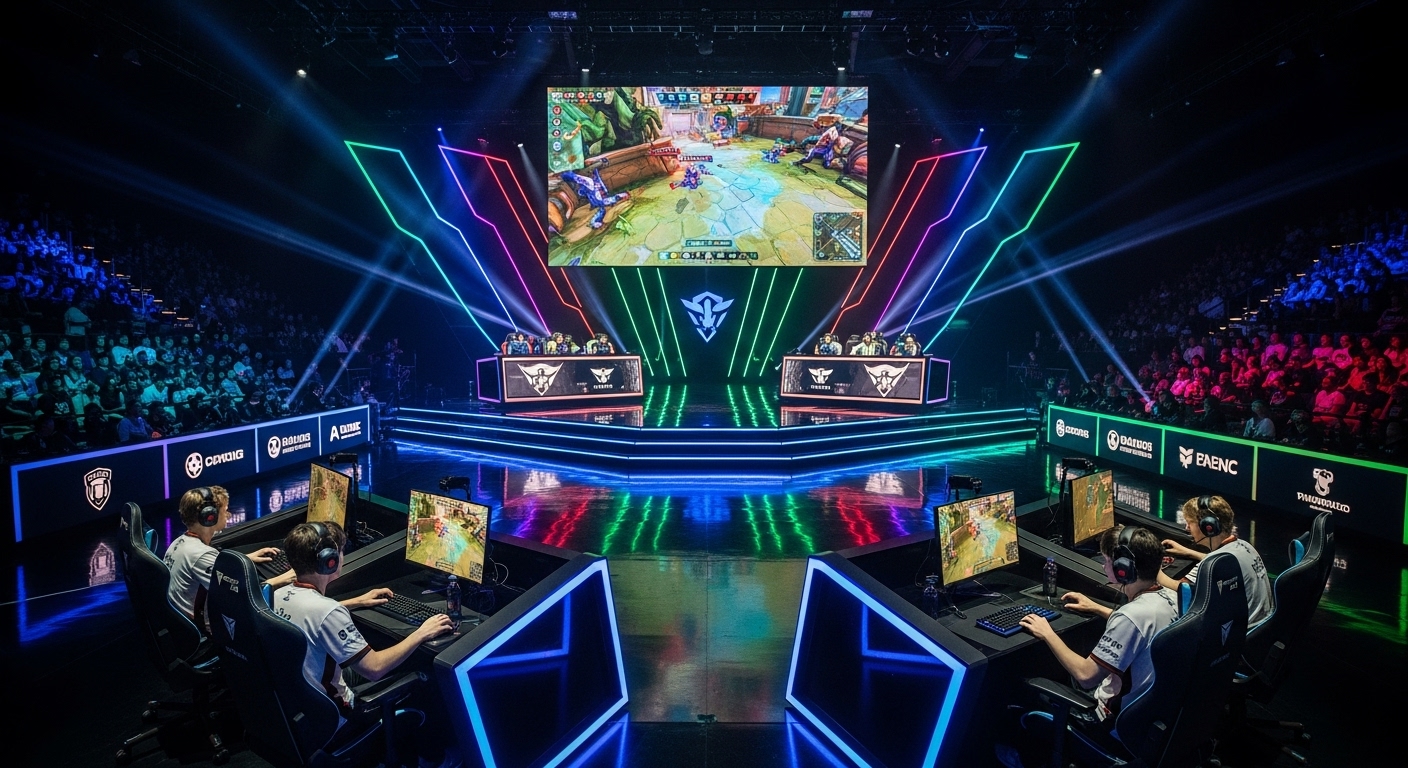
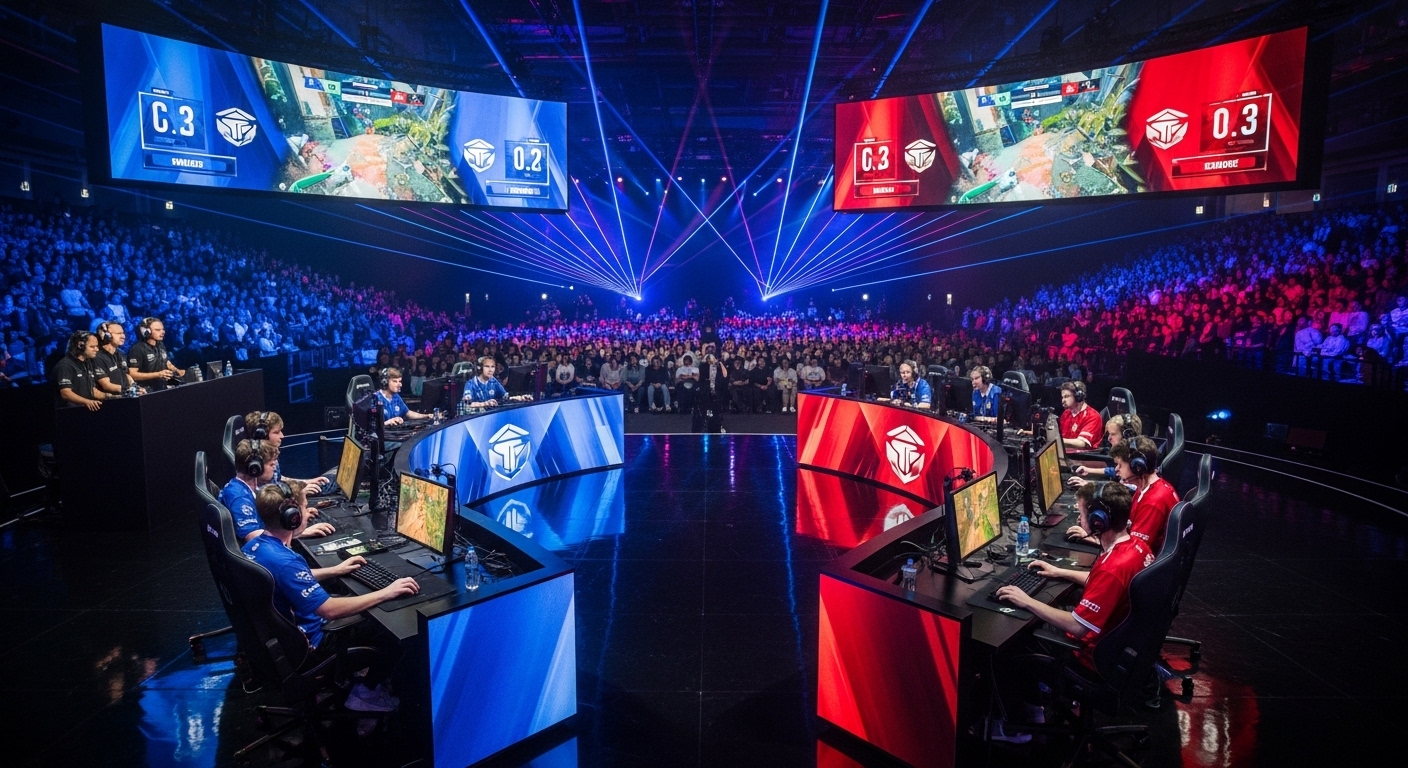
A few decades ago, the idea that playing video games could be a profession seemed impossible. Games were seen as entertainment — a way to relax after school or work, not a career path. Fast forward to today, and Esports (short for electronic sports) has become one of the fastest-growing industries in the world. Players compete for millions of dollars, fill stadiums with cheering fans, and attract sponsorships from some of the biggest brands on the planet. What was once a niche hobby has turned into a global phenomenon that combines technology, entertainment, competition, and culture in ways that traditional sports could never have imagined.
The Origins of Esports
The story of Esports begins long before Twitch streams and packed arenas. The first known video game competition dates back to 1972 at Stanford University, where students competed in a game called Spacewar!. The prize was a year’s subscription to Rolling Stone magazine — a humble beginning for what would later become a billion-dollar industry. In the 1980s, arcade games like Donkey Kong, Pac-Man, and Space Invaders drew competitive players trying to set world records. These early competitions were mostly small, but they planted the seeds for organized gaming events.
By the 1990s, the arrival of personal computers and gaming consoles gave rise to larger tournaments. LAN (Local Area Network) parties became a popular way for gamers to connect and compete. Games like Doom, Quake, and StarCraft were at the center of early Esports culture. South Korea, in particular, played a crucial role in shaping what we now recognize as modern Esports. During the late 1990s, the South Korean government invested heavily in internet infrastructure, leading to widespread access to high-speed internet and PC bangs (gaming cafés). This set the stage for the professionalization of gaming, with televised tournaments, professional teams, and star players.
The Evolution of Competitive Gaming
Esports truly began to take shape in the 2000s. Online multiplayer games became more sophisticated, broadband internet became common, and global communities began to form. Games like Counter-Strike, Warcraft III, Dota, and Halo attracted loyal followings and helped develop the early framework for professional gaming leagues.
In 2010, streaming platforms like Twitch revolutionized the way people watched games. Suddenly, you didn’t have to be in a stadium to see the best players in action. Anyone could tune in from anywhere in the world to watch tournaments live. This accessibility allowed Esports to expand far beyond its niche communities and reach mainstream audiences.
Today, games like League of Legends, Dota 2, Valorant, Overwatch, Call of Duty, and Fortnite headline massive tournaments that rival traditional sports in production value. The League of Legends World Championship draws millions of viewers every year, and The International — Dota 2’s biggest event — boasts prize pools that exceed $30 million.
The Business of Esports
Behind the flashing lights and cheering crowds lies a massive business machine. Esports has become a multi-billion-dollar industry, supported by several revenue streams: sponsorships, advertising, media rights, ticket sales, and in-game purchases.
Major companies have jumped on board, from tech giants like Intel and Nvidia to consumer brands like Red Bull, Nike, and Coca-Cola. These partnerships fund tournaments, pay player salaries, and help create a sustainable ecosystem. Teams operate like traditional sports franchises, complete with coaches, managers, and support staff. Some even have training facilities, nutritionists, and mental health professionals to help players perform at their best.
Investors have also recognized the potential of Esports. Venture capital firms, celebrities, and even professional athletes have invested in teams and leagues. The line between traditional and electronic sports continues to blur — the NBA has its own 2K League, Formula 1 runs virtual races, and soccer clubs like Paris Saint-Germain and Manchester City have Esports divisions.
Esports as a Career
The growth of Esports has opened up a wide range of career paths beyond being a professional player. For every gamer on stage, there are hundreds of people working behind the scenes. There are coaches, analysts, broadcasters, content creators, event organizers, marketers, and even psychologists who specialize in performance and burnout prevention.
Streaming and content creation have also become major parts of the Esports ecosystem. Players often build personal brands on platforms like YouTube and Twitch, where they can connect directly with fans. This allows them to generate income even outside of tournaments through sponsorships, subscriptions, and donations.
Colleges and universities around the world are now offering Esports scholarships and degree programs. Students can study game design, management, broadcasting, and more, preparing for roles in this expanding industry.
The Cultural Impact of Esports
Esports has done more than just create jobs and entertainment — it’s reshaped how people think about competition, community, and digital culture. It has given rise to global fan bases that rival those of traditional sports. A teenager in Brazil can root for a team in Europe, while fans in China stay up late to watch a match in North America.
The sense of community is one of Esports’ greatest strengths. Online forums, Discord servers, and social media have made it easy for fans to connect, share strategies, and celebrate victories together. Esports has also bridged generational and cultural gaps, showing that gaming is a legitimate form of skill, creativity, and discipline.
Another remarkable impact is inclusivity. While there’s still progress to be made in gender and diversity representation, Esports has opened doors for people from all walks of life to compete on a global stage. Unlike traditional sports, where physical limitations can be a barrier, Esports values mental agility, coordination, and teamwork — qualities that anyone can develop.
Technology Driving Esports Forward
The success of Esports is closely tied to advancements in technology. High-speed internet, powerful gaming PCs, and immersive graphics have made competitive gaming more exciting to play and watch.
Virtual Reality (VR) and Augmented Reality (AR) are also beginning to influence Esports, promising new ways to experience games and competitions. Cloud gaming is breaking down hardware barriers, allowing players with modest systems to compete at higher levels.
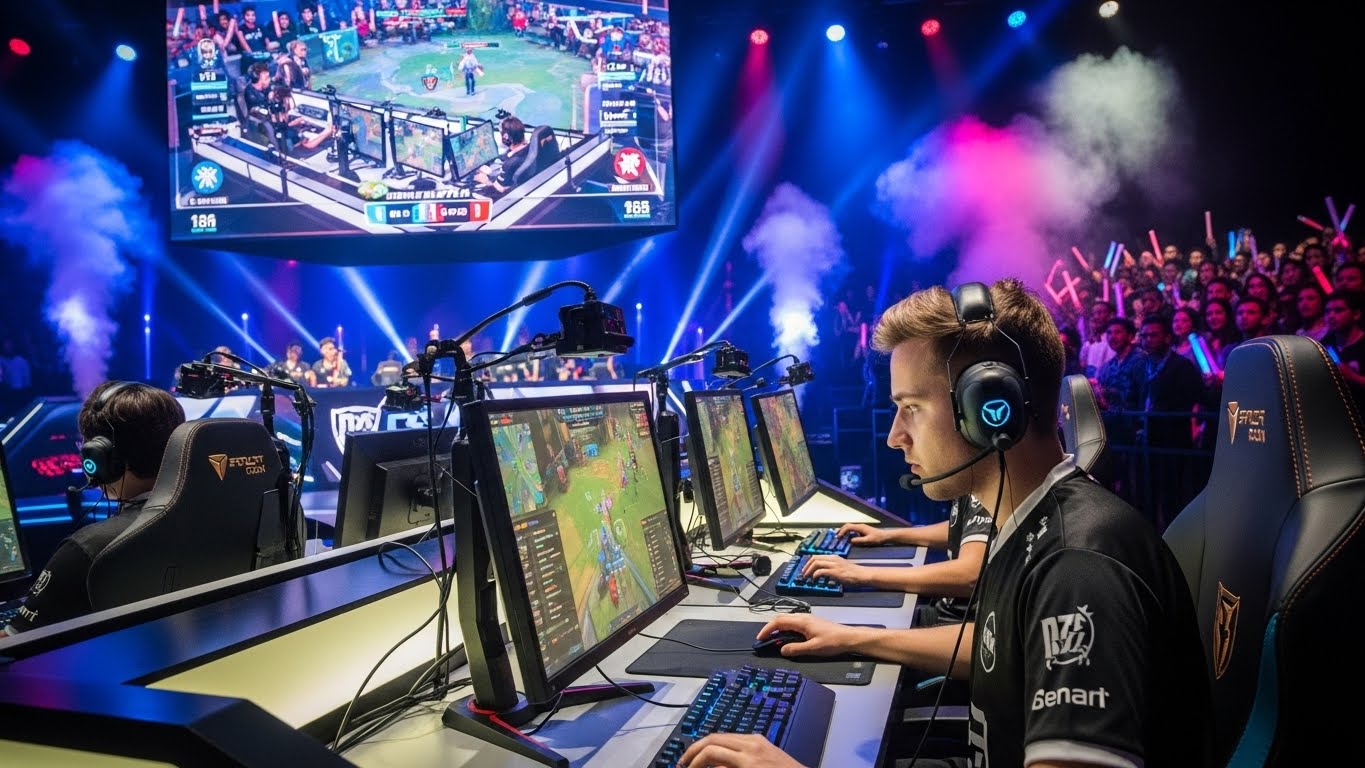
Artificial intelligence and data analytics have introduced new layers of strategy. Coaches and analysts use software to track player performance, study opponents, and optimize gameplay. The use of real-time stats and visual overlays in broadcasts helps audiences better understand the complexity of the games being played.
The Role of Streaming and Media
Without streaming, Esports would not have reached its current level of popularity. Twitch, YouTube Gaming, and Facebook Gaming have turned Esports into a global spectator sport. Fans can watch live matches, learn from pros, or simply enjoy the entertainment of streamers who combine skill with personality.
Streaming has also democratized fame in gaming. A single viral moment — a clutch play, a funny reaction, or an unexpected win — can turn an unknown player into a star overnight. This accessibility makes Esports unique compared to traditional sports, where reaching fans directly is more difficult.
Mainstream media has also taken notice. Major networks now broadcast Esports tournaments, and sports channels regularly feature highlights. Documentaries and series about Esports have been released on major streaming services, giving the general public a deeper understanding of the competitive scene.
Challenges Facing Esports
Despite its rapid rise, Esports faces several challenges. One major issue is player burnout. Professional gamers often practice up to 12 hours a day, leading to stress, health problems, and short careers. Many retire before they reach their mid-20s. The industry is working to address this through better player support systems and regulations.
Another challenge is maintaining competitive integrity. Issues like cheating, match-fixing, and hacking have occasionally tarnished the reputation of Esports. Organizations now invest in anti-cheat technology and stricter rule enforcement to ensure fair play.
There’s also the question of sustainability. While top-tier tournaments attract huge audiences and sponsorships, smaller leagues and games often struggle to maintain financial stability. The industry must balance profitability with the need to support grassroots and mid-level competition.
Esports and Education
An interesting development in recent years is the integration of Esports into education. Schools are forming Esports clubs and teams to engage students who may not be interested in traditional sports. These programs teach teamwork, strategy, communication, and leadership.
Universities are also building Esports arenas and offering scholarships to talented players. This approach legitimizes gaming as a skill-based pursuit and gives students a pathway to careers in gaming, media, or technology. Educational Esports also promote digital literacy, which is increasingly valuable in today’s world.
Global Influence of Esports
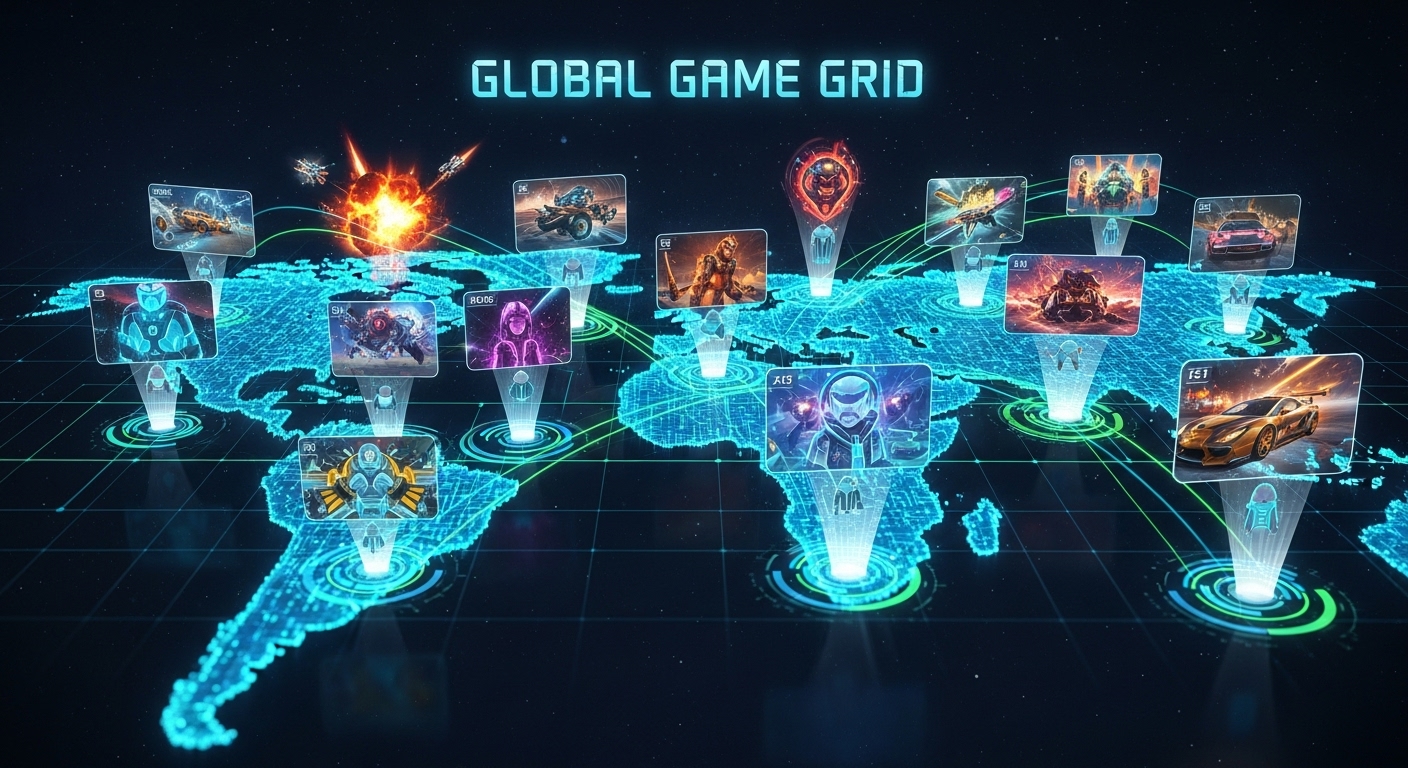
Esports has grown into a truly global industry. Asia remains the biggest market, especially countries like South Korea, China, and Japan. North America and Europe have strong professional leagues and fan bases, while regions like South America, Africa, and the Middle East are rapidly catching up.
International tournaments bring together players from every continent, fostering cross-cultural exchange. The diversity of Esports games also reflects global tastes — from tactical shooters to fantasy strategy and sports simulations.
In some countries, Esports has even been recognized as an official sport. Governments are forming Esports associations, supporting events, and investing in infrastructure. The potential inclusion of Esports in future Olympic events is now being discussed seriously, which would mark a new milestone in global acceptance.
The Future of Esports
The future of Esports looks bright and full of potential. With advancing technology, growing investment, and an ever-expanding audience, Esports will continue to evolve. We can expect even more sophisticated tournaments, better production quality, and innovative ways for fans to engage.
Mobile Esports is also on the rise. Games like PUBG Mobile, Free Fire, and Mobile Legends have made competitive gaming accessible to millions of players who don’t own high-end PCs or consoles. This accessibility ensures that Esports will keep growing in emerging markets.
We’re also likely to see closer integration between gaming and other forms of entertainment. Virtual concerts, digital merchandise, and metaverse experiences are becoming part of the Esports ecosystem. The lines between gaming, media, and real life are blurring — and that’s what makes the future of Esports so fascinating.
Why Esports Matters
At its core, Esports represents more than just competition. It’s a reflection of modern culture — a blend of technology, creativity, and community. It shows how digital spaces can bring people together, inspire teamwork, and create opportunities that didn’t exist before.
Esports challenges old assumptions about what sports can be. It demands focus, coordination, and strategy, much like chess or football, but in a virtual setting. It celebrates diversity, innovation, and global connection. And most importantly, it gives millions of people a sense of belonging in a world where digital interaction is the new norm.
Conclusion
Esports is no longer the future — it’s the present. From humble beginnings in university labs and arcade halls, it has grown into a global stage where the world’s best gamers compete for glory, pride, and life-changing rewards. It’s an industry powered by passion, technology, and community.
As Esports continues to evolve, one thing is clear: it’s not just about playing games. It’s about pushing boundaries, building connections, and redefining what it means to compete in the digital age. Whether you’re a player, a fan, or simply curious about this world, Esports has something to offer — a glimpse into the future of entertainment, where skill meets technology and passion meets possibility.