
Introduction: The Birth of a New Competitive Era
Esports, short for electronic sports, has transformed the world of competitive entertainment in ways few could have predicted. What once started as small gaming competitions between friends has evolved into global tournaments filled with roaring crowds, professional players, massive production stages, and millions of passionate viewers. Today, esports stands shoulder to shoulder with traditional sports, offering high-level competition, emotional storylines, and the kind of excitement only a true test of skill can deliver. This growth has not only changed how people play games but also how society views gaming as a legitimate career, entertainment medium, and cultural force.
A Look Back: How Esports Took Shape
Although esports feels like a modern creation, its origins stretch back decades. The earliest known competitions took place in arcades and computer labs, where gamers gathered to showcase their skills in titles like Pac-Man or Space Invaders. The 1990s introduced the internet, allowing players to compete from different corners of the world. This era brought legendary titles such as StarCraft and Counter-Strike, which helped define what competitive gaming could be. The real revolution, however, came in the 2010s with improved technology, online connectivity, and live streaming platforms. Suddenly, people could watch tournaments from anywhere, turning esports into a global entertainment powerhouse.
The Games That Built the Scene
Esports is incredibly diverse, offering competitive experiences in many genres. Multiplayer online battle arenas, known as MOBAs, dominate much of the competitive landscape due to their strategic depth and team coordination. Games such as League of Legends and Dota 2’s complex gameplay attract millions of fans. First-person shooters bring fast reactions and tactical team play, with titles like Counter-Strike, Valorant, and Overwatch standing at the forefront. Battle royale games combine survival, exploration, and unpredictability, creating intense moments and unforgettable plays in games like Fortnite. Sports games such as FIFA and racing titles also have dedicated competitive scenes. This variety ensures that esports offers something for everyone, regardless of gaming preference or experience.
The Rise of the Professional Player
Becoming a professional esports player is far from easy. Behind the glamorous highlights and thrilling victories lies a life of dedication, discipline, and constant training. Pros practice for hours daily, analyze their gameplay, study opponents, and refine strategies with the help of coaches. Their schedules often resemble those of traditional athletes, complete with fitness training, mental conditioning, and strict routines. The pressure to perform is intense, but the rewards can be extraordinary. Successful players gain fame, recognition, and the chance to inspire millions. Esports has opened doors for skilled gamers everywhere, proving that passion and hard work can turn a hobby into a high-level career.
The Spectator Experience: A Modern Digital Stadium
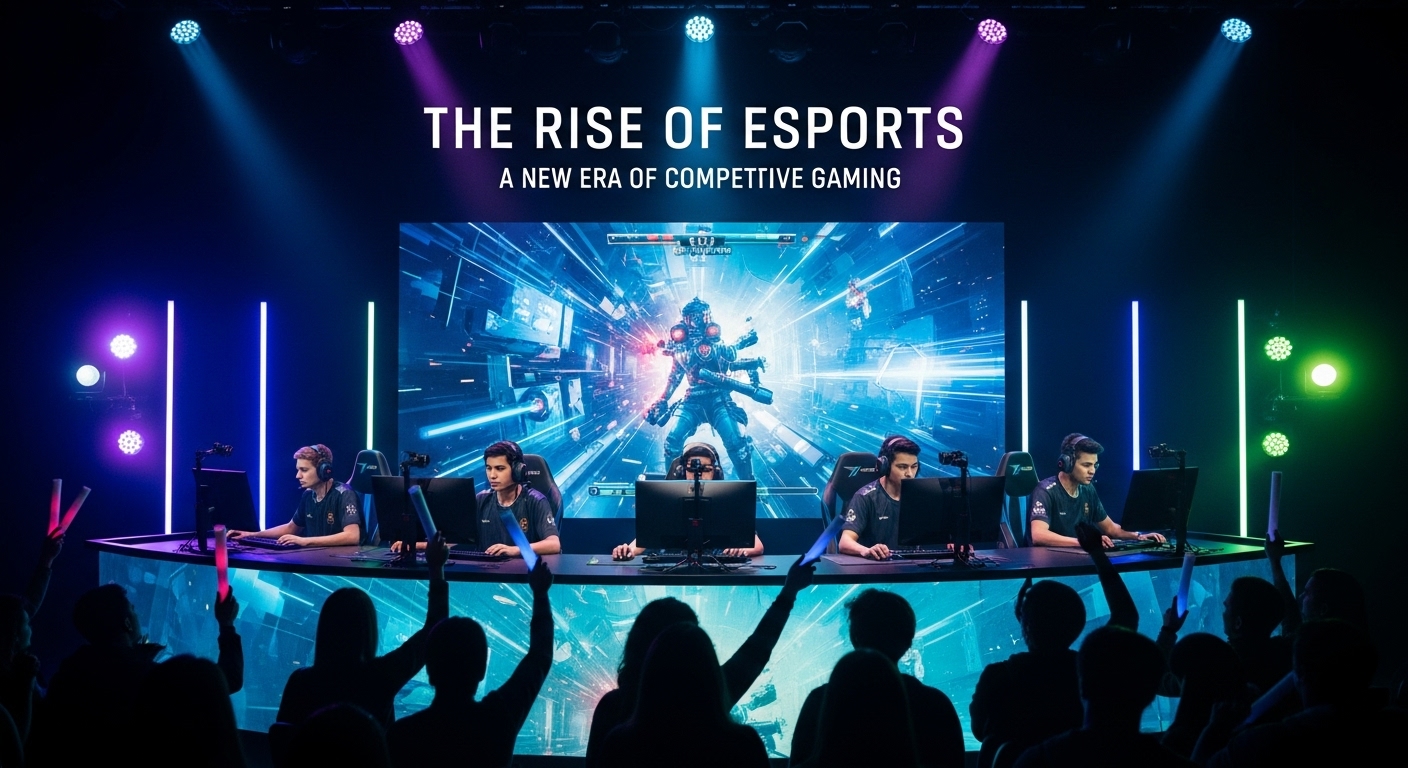
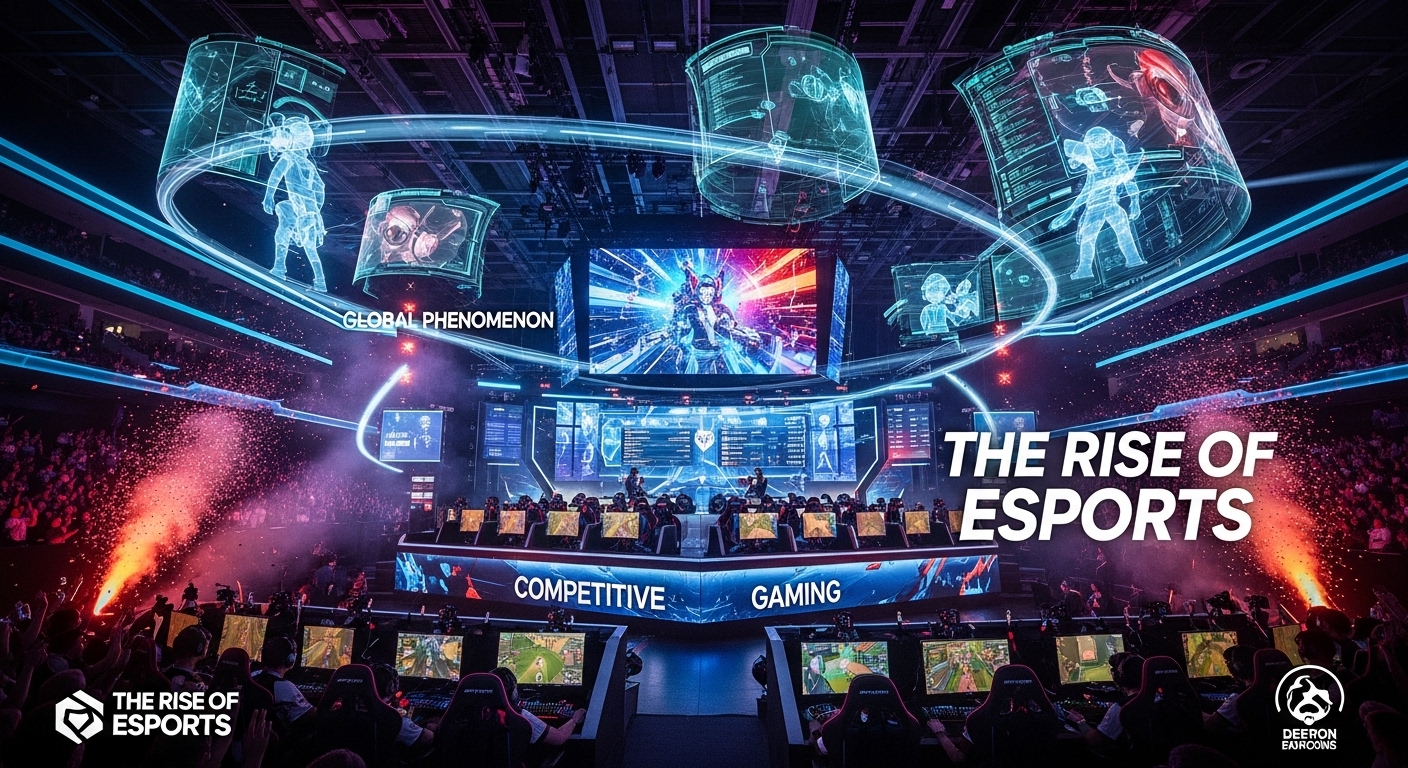
Watching esports is a unique experience. Viewers tune in from every corner of the world to cheer on their favorite teams and players. Tournaments are broadcast with professional commentary, analysis, and high-quality production. The energy is similar to watching traditional sports events, with fans celebrating victories, debating strategies, and forming passionate communities. Live events take this excitement to another level, filling arenas with fans who chant, wave signs, and share unforgettable moments together. Esports has become more than gameplay; it is a cultural spectacle that brings people together through shared enthusiasm and admiration for skillful competition.
Technology: The Power Behind the Phenomenon
Technology is at the heart of esports. High-performance gaming systems, stable internet connections, and advanced graphics all contribute to the growth of competitive gaming. Streaming innovations allow audiences to watch live matches in real time, while social media gives fans direct access to their favorite players. Data analytics help teams refine gameplay, monitor performance, and develop more sophisticated strategies. Improvements in virtual reality and augmented reality suggest that future esports competitions may look even more immersive and dynamic. Technology continues to elevate the esports experience, ensuring that the industry evolves with each passing year.
Training, Strategy, and Mental Discipline
Esports is not just about fast reflexes or game knowledge; it requires exceptional mental strength and strategic thinking. Players must analyze situations quickly, adapt to unpredictable scenarios, and remain calm under immense pressure. Training sessions involve reviewing game footage, practicing mechanics, and collaborating with teammates to execute complex strategies. Communication is key, especially in team-based games that rely on coordination. Mental discipline separates great players from average ones, as focus, emotional control, and resilience play major roles in high-stakes matches. Esports demonstrates that gaming is both an intellectual challenge and a physical test of skill.
Community and Culture: The Heart of Esports
The esports community is one of the most vibrant and supportive groups in modern entertainment. Fans participate in discussions, watch live matches together, and follow their favorite teams closely. Online forums, social media groups, and fan art communities thrive with creativity and passion. Many people enter esports not only for the games but for the sense of belonging it creates. Communities form around shared interests, memorable plays, and the thrill of competition. Esports has given millions of people a place where they feel connected, valued, and included.
Esports in Schools and Education
Educational institutions are increasingly acknowledging the value of esports. Schools and universities now offer esports programs, clubs, and even scholarships. Esports helps students build teamwork, communication skills, and strategic thinking. These qualities translate into academic and professional success, proving that competitive gaming can be educational as well as entertaining. Schools also offer courses related to game design, digital media, and esports management. This not only supports aspiring players but also prepares students for careers in the broader industry, which includes coaching, event production, and content creation.
Mental Health and Balance in Esports
While esports offers many positive experiences, maintaining mental and emotional well-being is essential. Professional players face intense pressure, long practice hours, and high expectations from fans and organizations. This makes mental health support crucial for sustained success. Many teams now work with therapists and mental coaches to ensure players manage stress effectively. For casual gamers, esports can also be a healthy outlet, providing relaxation, social interaction, and enjoyment. However, balance is vital. Gaming should enhance life, not dominate it. The future of esports depends on promoting healthy habits and supporting players both on and off the digital battlefield.
The Economics of Esports: An Expanding Industry
Esports is a fast-growing global industry with significant economic impact. Revenue comes from sponsorships, merchandise, ticket sales, broadcasting rights, and team partnerships. Professional events attract millions of viewers, making esports an appealing opportunity for brands. Players benefit from prize pools, salaries, and endorsement deals. The industry also creates jobs in event management, marketing, production, coaching, graphic design, and many other fields. As esports continues to grow, so does its value as an economic powerhouse. It has become clear that esports is not simply entertainment; it is a thriving industry shaping the digital economy.
Inclusivity and Diversity in Esports
One of esports’ greatest strengths is its potential for inclusivity. Unlike traditional sports, esports does not depend on physical attributes, allowing players from diverse backgrounds to compete at the same level. Women, differently-abled individuals, and people from all regions of the world have opportunities to excel. Although there is still work to be done to ensure full inclusivity, the industry is moving in a positive direction. More tournaments encourage mixed-gender participation, and many organizations promote diversity through training programs and representation. The ability to level the playing field makes esports a positive and progressive platform for global competition.
The Future of Esports: A New Frontier
The future of esports looks brighter than ever. Advancements in technology, growing fanbases, and widespread cultural acceptance point to continued expansion. Esports may soon be integrated more deeply into traditional sports events, with greater collaboration between athletic and gaming industries. Virtual reality competitions and new game genres will introduce innovative forms of competition and entertainment. As audiences grow, so will opportunities for players, creators, coaches, and professionals across the esports ecosystem. Esports will continue to shape digital culture, inspire future generations, and redefine what it means to compete in the modern world.
Conclusion: The Legacy and Impact of Esports
Esports is more than gaming—it is a cultural movement, a professional industry, and a global community. It has changed how people view competition, teamwork, and digital entertainment. Esports empowers individuals to chase their dreams, build careers, and form meaningful connections. Its influence reaches beyond the screen, shaping education, technology, and global culture. As esports continues to evolve, it stands as a powerful reminder of how human creativity and passion can transform any activity into a world-changing phenomenon. The future of esports is limitless, and its impact will continue to grow with every new player who enters the digital arena.